

Short-term expert report
Chief researcher
Prof. Dr. Masaaki Morikawa, Hokkaido University (Duration: 21 Jan –24 2026)
Jan 21 (Wed)
Regarding Research Topic 3, “Development of function enhancement of duckweed holobiont (Group 3)”, a research meeting was held at the DHbRC office with a Principal Investigator, Assist. Prof. Dr. Witcha Imaram, focusing on Activity Item “3.5 Search for active substances from duckweed and associated microorganisms.”
Specifically, since purification of duckweed growth-inhibitory factors produced by duckweed-associated microorganisms has been completed on the Japanese side, it was agreed to initiate a joint research in which high-resolution mass spectrometry and nuclear magnetic resonance analyses will be conducted on the Thai side, aiming to determine their chemical structures.
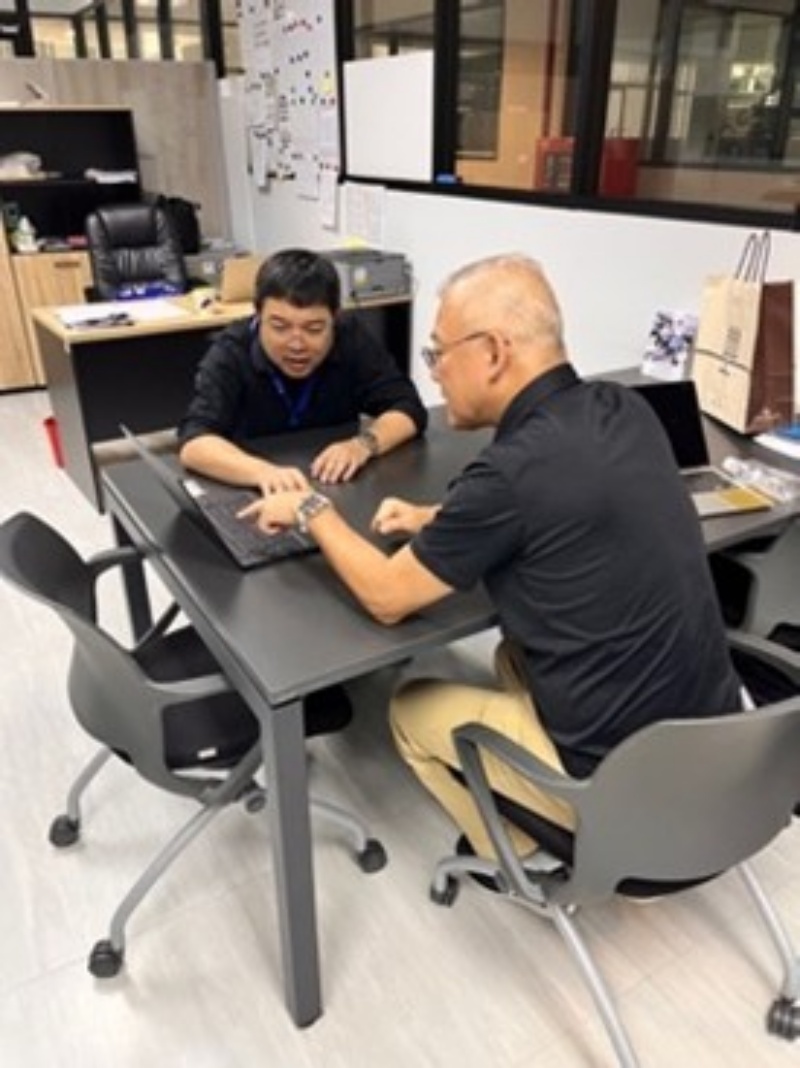
Photo 1: Group3 meeting with Dr. Witcha (left)
Jan 22 (Thu) Morning
I visited the laboratory of Prof. Dr. Chart Chiemchaisri, Principal Investigator of Research Topic 5, “Verification of the low-carbon effects of water purification systems using duckweed holobiont (Group 5),” to have a meeting on Activity Item “5.2 Development, verification, and optimization of practical water purification and low-carbon effects of natural duckweed holobiont systems at an on-site bench scale plant for selected wastewater” [Photo 2].
Specifically, having received reports of the graduate students in charge of the respective experiments on (1) the operational status of the duckweed wastewater treatment bench plant currently in operation at Kasetsart University [Photo 3], and (2) the operational status of the automated remote greenhouse gas monitoring system installed at a pig farm wastewater treatment pond [Photo 4] as well as growth conditions of duckweed at the pig farm, we discussed solutions to the identified issues and consulted on future plans. Prof. Tadashi Tohyama of the University of Yamanashi also joined the meeting online, enabling a productive exchange of opinions. It was decided that we would next accompany the team on a site visit in late March.
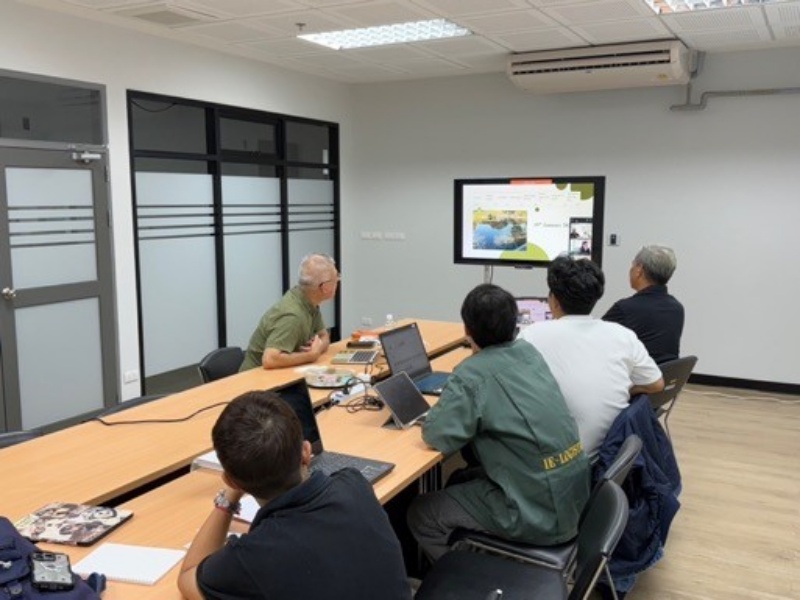
Photo 2: Group 5 meeting
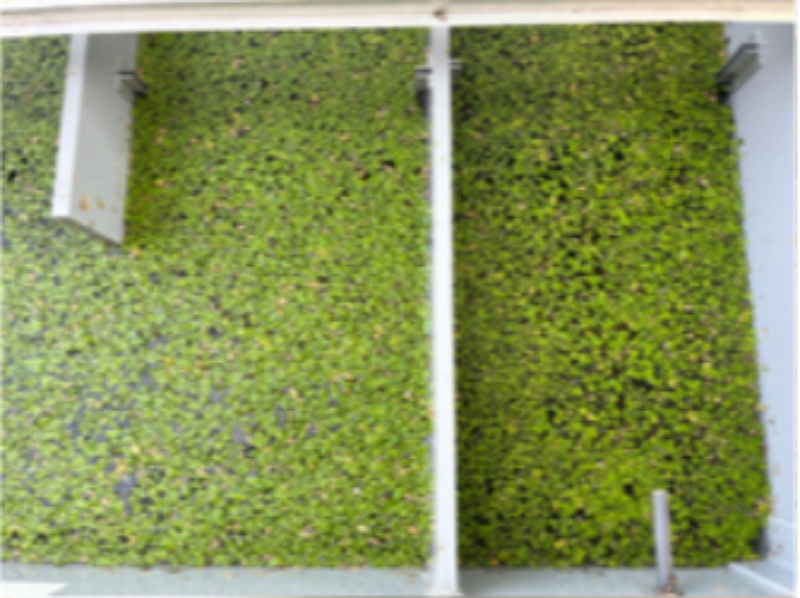
Photo 3: Status of the duckweed water treatment bench plant
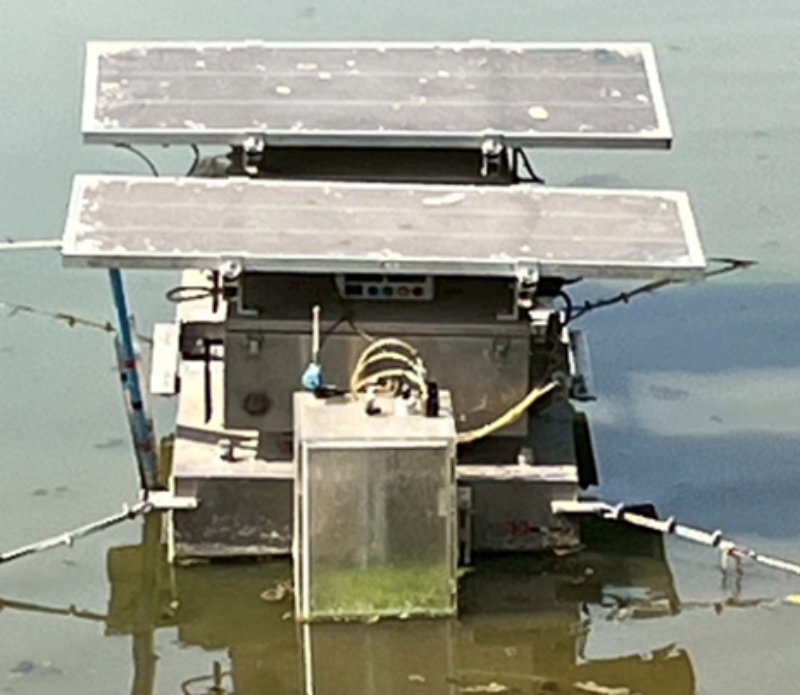
Photo 4: The automated remote greenhouse gas monitoring system
Jan 22 (Thu) Afternoon 1
A meeting was held at the DHbRC office with Assist. Prof. Dr. Suvimol Charoensiddhi, Principal Investigator of Research Topic 4, “Development of a Technology base for manufacturing valuable using duckweed as a raw material (Group 4), (4) Functional Foods,” focusing on Activity Item “4.15 Development of active substances effective for good health” [Photo 5].
As a result, it was confirmed that the research is progressing smoothly and has produced outcomes exceeding expectations. In particular, reports were presented on the effectiveness of edible duckweed, including anti-obesity effects demonstrated in mouse models and enhancement of intestinal barrier function using human tissue cell cultures.
The publication of the research on this fiscal year—one original paper in Future Food and two original papers in Food Chemistry Advances—was highly commended.
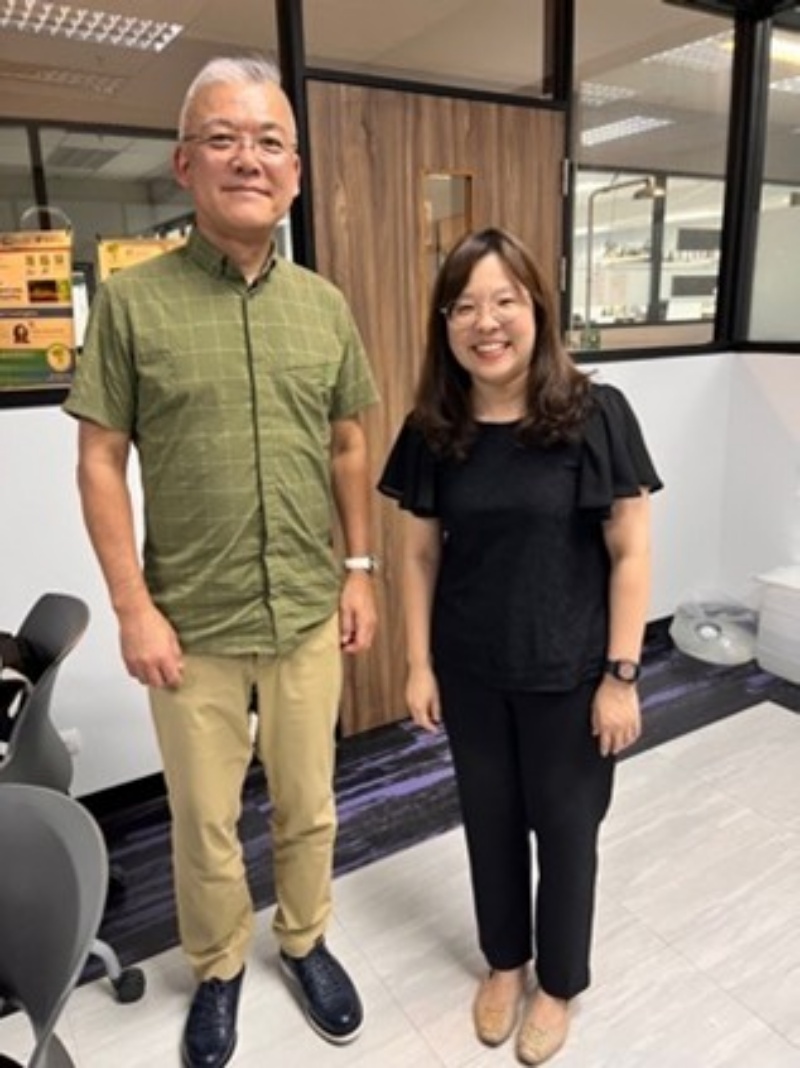
Photo 5: Group4 meeting with Dr. Suvimol (right)
Jan 22 (Thu) Afternoon 2
I met with the Thai-side Project Manager, Prof. Dr. Arinthip Thamchaipenet, and Mr. Akira Nishikori, Project Coordinator, to discuss plans for FY2026. As this year marks the final year of the project, it was decided to hold a public symposium to comprehensively summarize the project activities and outcomes from both the Thai and Japanese sides. The symposium is scheduled to be held over two days, from August 31 to September 1, together with a Joint Coordinating Committee (JCC) meeting, at a hotel in Bangkok.
In addition, information was shared regarding the short-term expert dispatch plan from the Japanese side. First, in February, a team including a graduate student will be dispatched from Tohoku University to promote Research Topic 4, “Development of a Technology base for manufacturing valuable using duckweed as a raw material (Group 4), (1) Biofuels.” In March, experts will be visiting Bangkok from the University of Yamanashi to advance Research Topic 5, Activity Item 5.2: “Development, verification, and optimization of practical water purification and low-carbon effects of natural duckweed holobiont systems at an on-site bench scale plant for selected wastewater.” Regarding the same research topic, starting in April, a short-term expert will be dispatched to the Thai-side Group 5 to strengthen the promotion of Activity Item 5.3: “Development, verification, and optimization of practical water purification and low-carbon effect of selected/ suitable duckweed holobiont systems (provided by Group 3) at an on-site bench scale plant for selected wastewater”. This short-term expert is expected to be a PhD graduate who completed long-term training in Group 3 at Hokkaido University. Furthermore, in June, an expert from the National Institute for Environmental Studies (NIES) is scheduled to be dispatched to promote Research Topic 6, “Promotion of support for duckweed production in farms and practical application of technology using duckweed (Group 6),” specifically Activity Item 6.2: “Evaluation of the carbon balance of duckweed using technologies developed by research groups.”
Jan 23 (Fri)
An online meeting related to the above-mentioned activity of Group 4’s Biofuels was also held with Mr. Akira Nishikori and Assoc. Prof. Dr. Kengo Kubota, Tohoku University. We discussed short term expert plan at this meeting.
Note:
The project consists of six research groups namely: G1: Duckweed Holobiont Resource & Research Center (DHbRC). G2: Duckweed holobiont collection. G3: Duckweed holobiont analysis and biotechnology. G4: Duckweed biomass utilization. G5: Duckweed wastewater treatment technology. G6: Social implementation activities toward BCG economy.
DHbRC: Duckweed Holobiont Resource & Research Center