

Peer Review Programme was conducted in the Philippines!
From 9 to 12 September 2025, the Peer Review Programme was conducted under the leadership of the Philippine Department of Health (DOH). Following the pilot Peer Review Programme organized in 2023 by the Thailand Ministry of Public Health (MOPH) and the National Institute for Emergency Medicine (NIEM), in collaboration with the ARCH Project, the Philippines became the first ASEAN Member State (AMS) to implement the programme in full scale.
This programme is positioned under Priority Area 3 of the Plan of Action to implement the ASEAN Leaders’ Declaration on Disaster Health Management (POA on ALD-DHM). It operationalizes one of the key activities proposed under Output 2 of the ARCH Project — “Disaster health management frameworks/ concepts are integrated into National and sub-national legal and regulatory framework in each AMS” — by institutionalizing and implementing the peer review of national strategies, policies, procedures, and education and training systems related to disaster health management, while promoting mutual learning and knowledge sharing among AMSs.
Since the programme was initially proposed under the ARCH Project, the Philippines had expressed its commitment to host its implementation in 2025 and has undertaken strategic preparations accordingly. The Peer Review Programme proposed by the Philippines focused on deepening review and mutual learning with representatives from AMSs, covering the seven national targets outlined in the POA on ALD-DHM, as well as two additional thematic areas of particular national interest.
As one of the most disaster-prone countries in the ASEAN region, the development of disaster health management is a high priority for the Philippines. In particular, with regard to the establishment of its International Emergency Medical Team, the Philippine Emergency Medical Assistance Team (PEMAT), the country has continued strategic development efforts with a view to applying its capacities not only to international deployments, but also to domestic emergency response operations.
Objectives
- 1 . To promote the establishment of mutual learning, knowledge sharing mechanisms and a culture of peer support among AMS for the sustainable development of DHM in ASEAN.
- 2 . To develop recommendations for the host country on the integration of DHM frameworks and concepts into national legislations, policies, procedures, and guidelines, and the development of the education/ training system on DHM at national level in cooperation with relevant sectors.
- 3 . To support the development of a methodology of the regional reviews and studies that are proposed in the Matrix.
*Matrix on Detailed Activities for the POA on ALD-DHM:
A detailed action plan developed to support the achievement of the regional and national targets stipulated in the POA on ALD-DHM
Contents of review
- Items covered in the national targets of the POA/ ALD DHM
NT1: International Emergency Medical Team (I-EMT)
NT2: EMT Coordination Cell (EMTCC)
NT3: National SOPs for the Coordination of EMTs
NT4: Standard reporting system for EMTs
NT5: Disaster health management training system for capacity development, knowledge management, research and development initiatives
NT6: Disaster health management concept in health education
NT7: Safe hospital projects and programmes - Areas of interest by the Philippines
Mass Casualty Management of the AMS
Reporting mechanism of the AMS
Programme scuedule
| Day | Date | Activity |
|---|---|---|
| 1 | Sep 9 | Overview of the disaster management situation in the Philippines and the status of the 7 National Targets of the POA/ ALD-DHM |
| 2 | Sep 10 | Observation tour:
|
| 3 | Sep 11 | Experience sharing session
|
| 4 | Sep 12 | SWOT Analysis + Discussion for recommendations Debriefing on Peer review with recommendations |
Day-1
Presentation and Q&A session by officials of the Philippine DOH on the status of progress toward achieving the seven national targets.
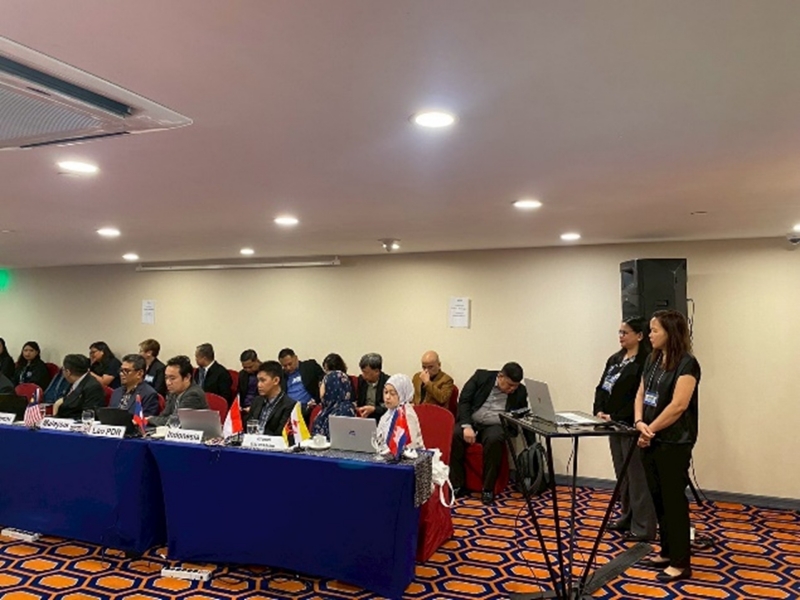
Ms. Janice (PWG member for the ARCH Project and Ms. Malia (Rep. for the ASEAN Academic Network on DHM)
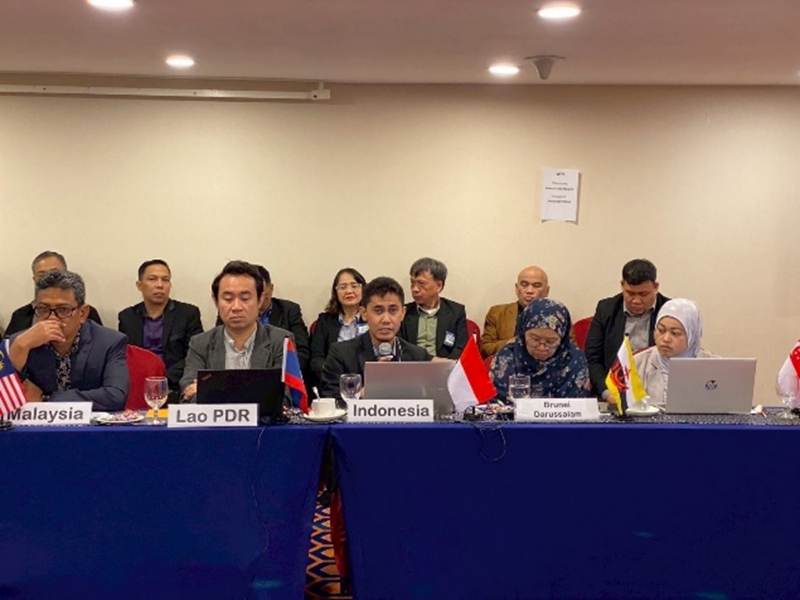
Representative from the AMSs
Day-2
Study tour to:
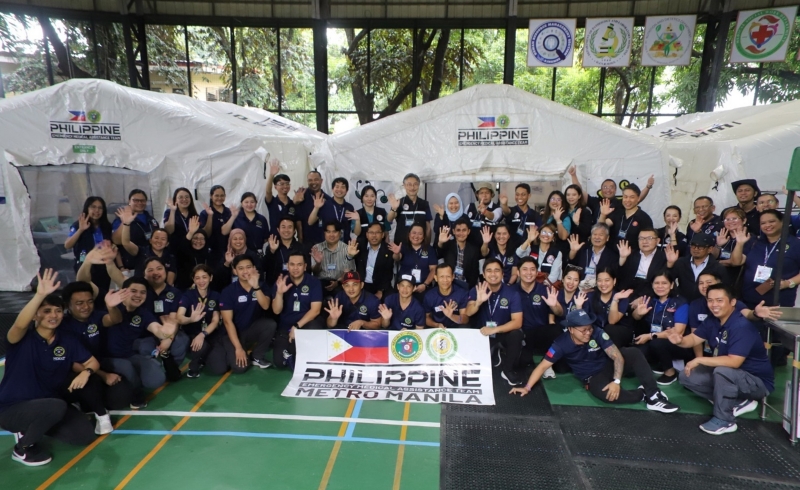
1. Site Visit to the Philippine Emergency Medical Assistance Team (PEMAT)
In 2024, the Philippines successfully obtained WHO International Emergency Medical Team (I-EMT) classification for three teams. In this day, participants visited one of these teams, PEMAT Metro Manila, based at Dr. Jose N. Rodriguez Memorial Hospital.
During the visit, hospital staff shared information on the management of the team’s roster system and medical equipment and supplies. The PEMAT members demonstrated exceptional hospitality toward the visitors, and the clarity of their responses — from not only physicians, but also nurses and logistics personnel — was particularly impressive.
In addition, PEMAT has developed its own information management system that does not rely on internet connectivity. This system has already been applied in overseas medical response operations and has accumulated proven field experience. One of the key strengths of this Peer Review Programme is the opportunity for participating countries to learn from such nationally developed systems and practical operational approaches.
2. Visit to the Health Emergency Management Bureau, Philippine Department of Health
In the afternoon, the participants visited the Health Emergency Management Bureau (HEMB) of the Philippine DOH, which serves as a counterpart agency of the ARCH Project in the Philippines, and toured its disaster management facilities. Furthermore, it was a great honor for the participants to pay a courtesy call on the current Secretary of Health, Dr. Teodoro J. Herbosa, and to exchange views on the promotion of disaster health management policies in the Philippines.
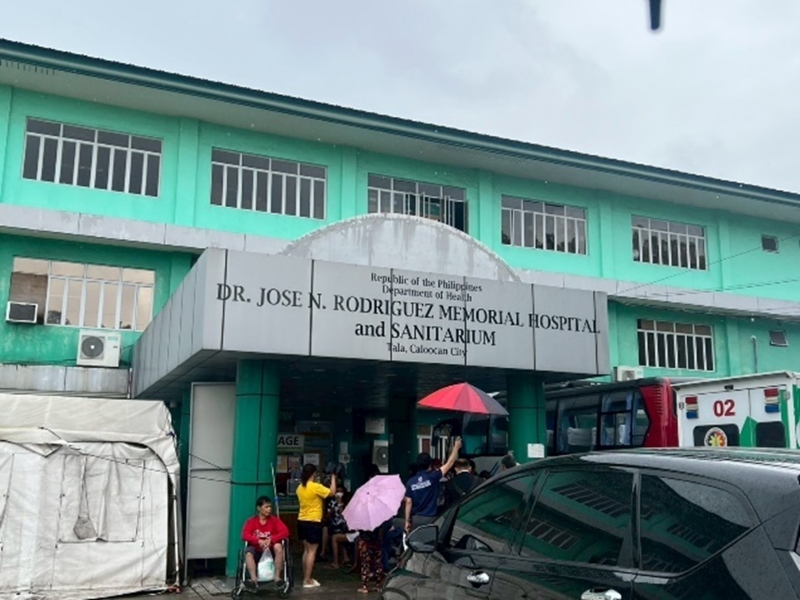
Dr. Jose N. Rodriguez Memorial Hospital
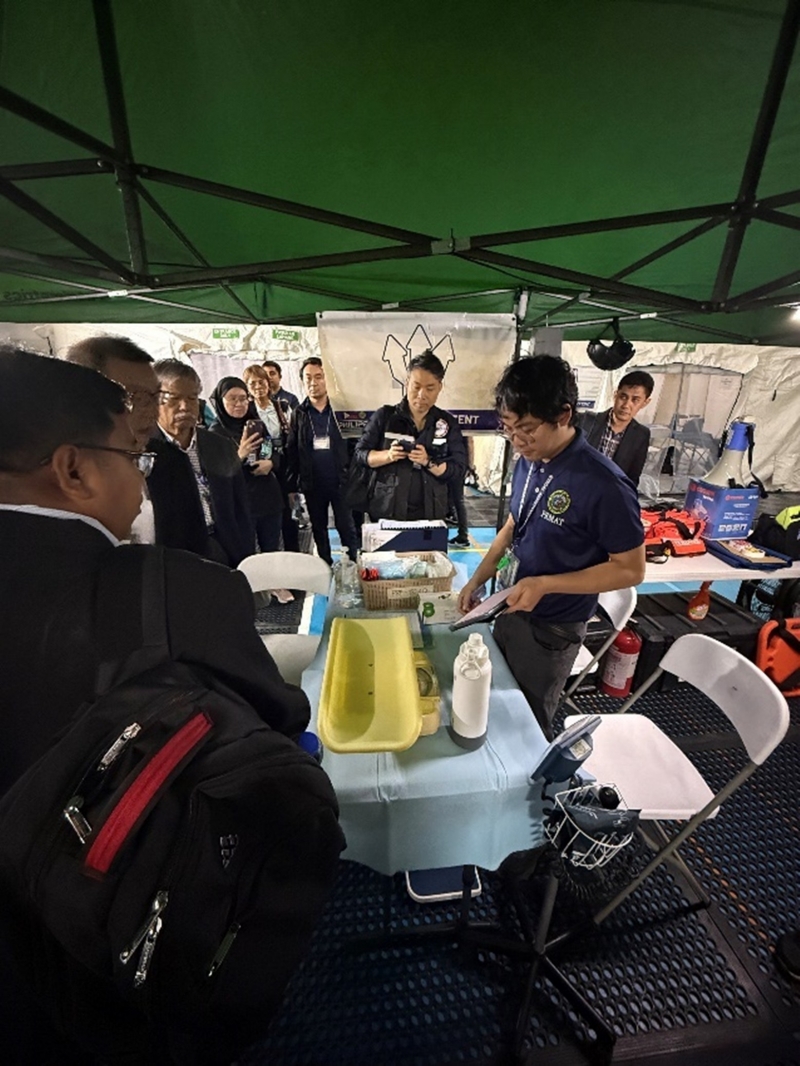
PEMAT Information Management
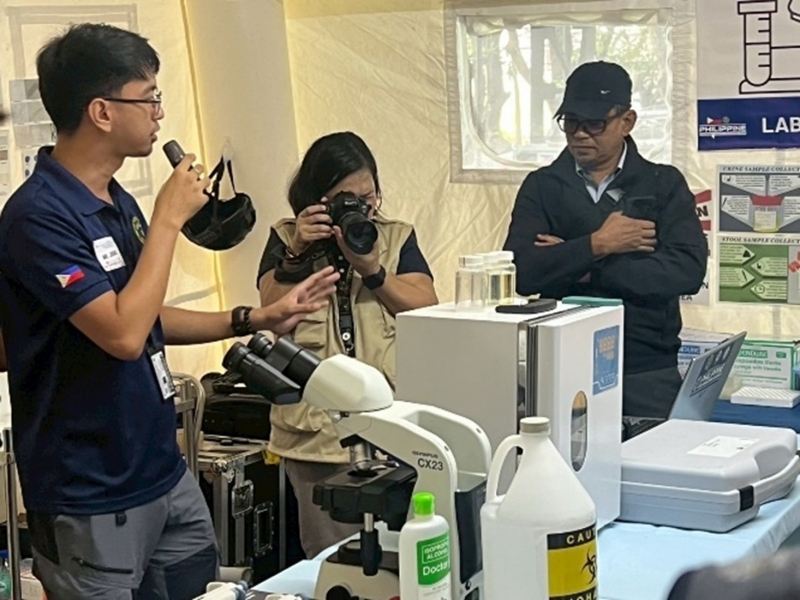
Study visits in the hospital facility
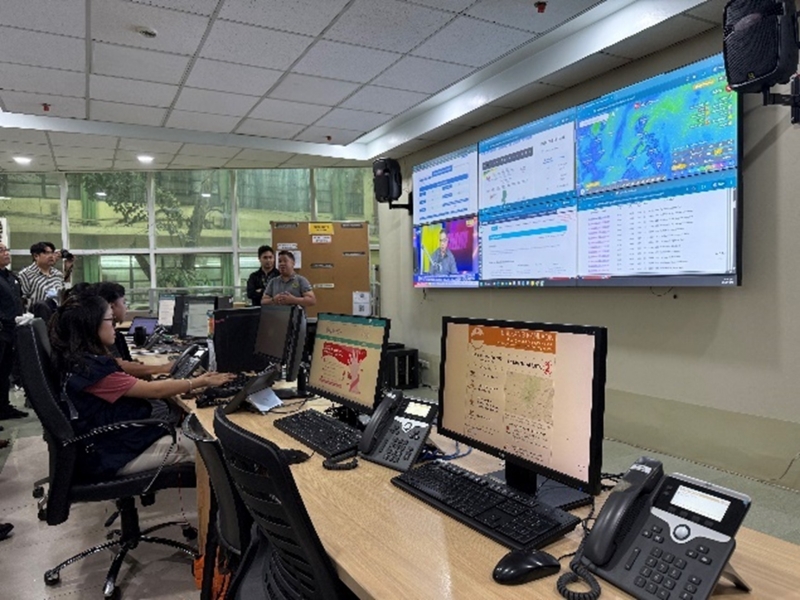
Emergency Operation Centre in HEMB
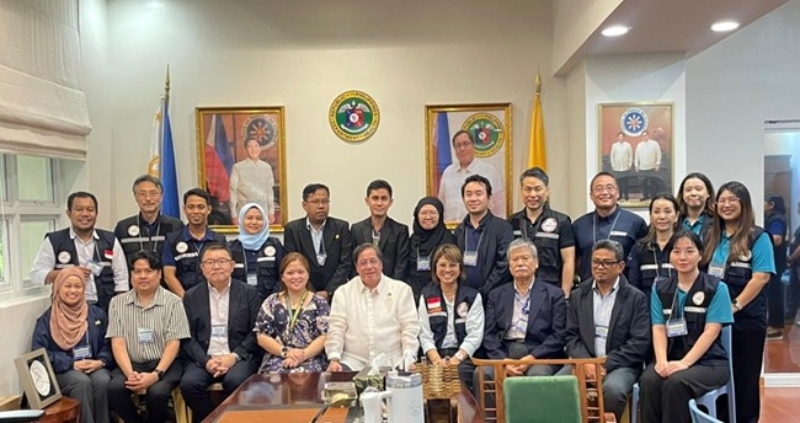
Dr. Teodoro J. Herbosa, Secretary of Department of Health(Centre)
Day-3
An experience-sharing session was conducted focusing on areas of interest identified by the Philippines among AMSs and Japan, namely mass casualty management (MCM), information management systems, and JDR Type 2 teams.
This session, proposed by the Philippines, demonstrated that the Peer Review Programme embodies two-way experience sharing and mutual learning between the host country and participating countries. It also provided participating countries with an important opportunity to reflect on and re-examine their own current status and practices in the field of disaster health management.
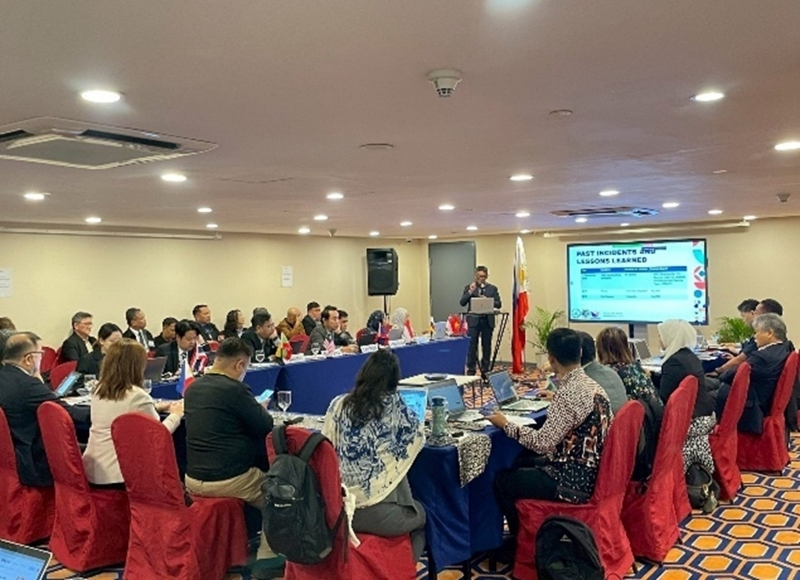
MCM Presentation(Malaysia)
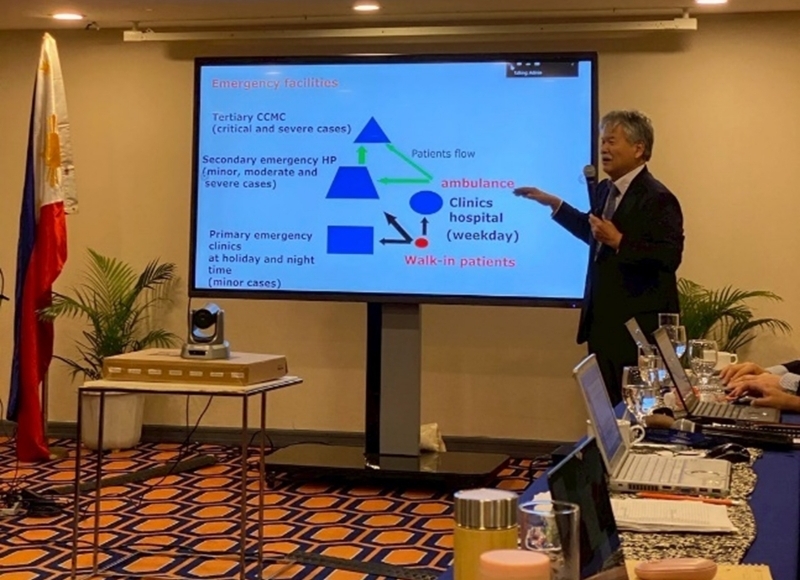
MCM lecture from Dr. Kai (Japan Advisory Committee of the ARCH Project)
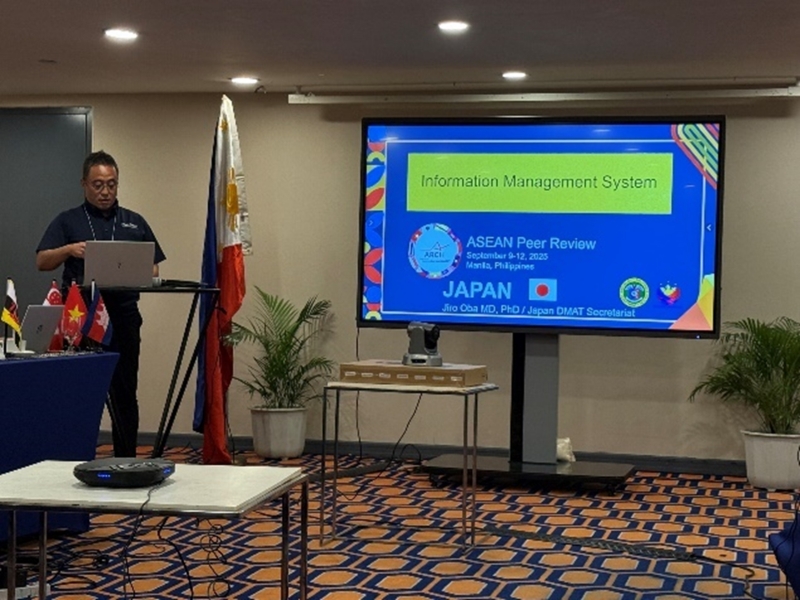
Information Management Presentation (Japan)
Day-4
Building on all sessions conducted up to the previous day, a SWOT analysis of the Philippines’ national targets under the POA on ALD-DHM was carried out by the host country together with representatives from AMSs.
Meaningful discussions were held among ASEAN participants with a view to further development of disaster health management in the Philippines. The session also served as a valuable source of inspiration for several participating AMSs, who were able to take back useful insights and renewed motivation to develop in their respective national contexts.
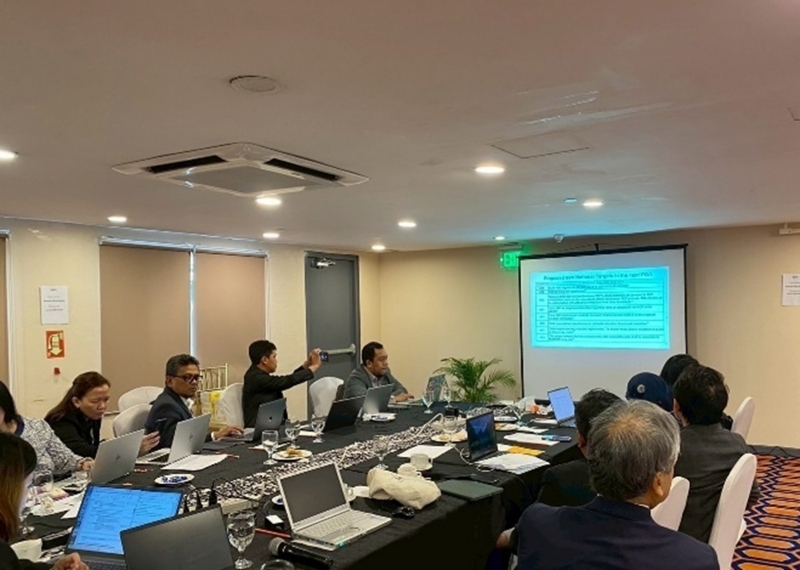
SWOT Analysis Group Work
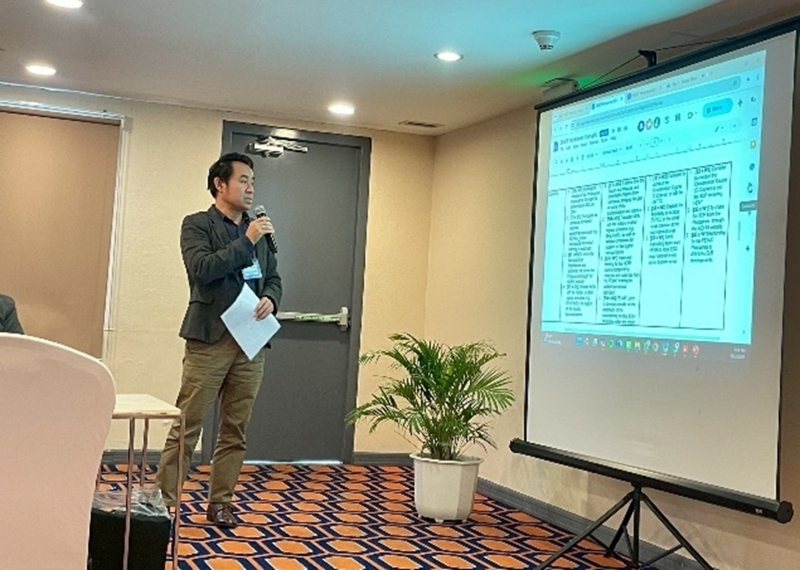
Summary presentation of the discussion
(by the Lao PDR Rep.)