

Pilot Program on Digital Skills Training for Civil Servants and Community Awareness Activities
In October 2025, NAoG (the National Academy of Governance) expressed a request to conduct pilot training programs in local areas using the digital skills training materials for civil servants that were jointly developed with this project in accordance with the EU’s DigComp 2.2 framework. In response, a training program for civil servants was conducted from December 8 to 9, 2025, in Mandalgovi City, Dundgovi Province, located approximately 250 kilometers south of Ulaanbaatar.
Since September 2025, nationwide budget cuts have made it increasingly difficult for local government officials to participate in NAoG-led training programs held in Ulaanbaatar. Against this backdrop, a series of pilot trainings was planned for three provinces—Zavkhan, Govi-Altai, and Dundgovi—with the objectives of validating the appropriateness of the training materials and exploring the feasibility of expanding the program to local areas. The training conducted in Dundgovi Province was implemented as the first of these pilot programs, and further trainings are scheduled to be held in Zavkhan and Govi-Altai Provinces in January and February next year.
On December 8, 2025, an observation of the digital skills training for civil servants was conducted at the Dundgovi Provincial Government Office. The training was delivered by two instructors over two days, totaling 16 hours, and was attended by 36 civil servants from within the province. Certificates were awarded to participants who successfully completed the course. Dundgovi Province was selected as a pilot site due to the high need for strengthening digital capacities in local administration, as it recorded the largest decline in indicators in the 2023 “Provincial Competitiveness” survey, in the absence of any nationwide assessment or report on civil servants’ digital skills.
Meetings were also held on the same day with provincial government officials. Dundgovi Province, located south of Ulaanbaatar, is primarily engaged in livestock husbandry, while recent investments in road and telecommunications infrastructure have supported efforts to modernize local administration, promote digital government, and improve public services. At the same time, it was shared that securing opportunities for civil servant training has become a major challenge, as training participation has, in principle, shifted to a self-funded basis due to budget constraints. While centralized training conducted in Ulaanbaatar is considered highly effective, it is limited in the number of participants, whereas locally delivered training offers the advantage of accommodating a larger number of participants.
On the second day, December 9, continued observation of the second day of the pilot training was conducted, along with discussions with training participants regarding their learning experience. In addition, project staff provided an overview of the cybersecurity human resource development project, helping participants better understand the overall project framework and future directions.
On the same day, a visit was made to the Child and Family Development and Protection Center, where interviews were conducted regarding the planning and implementation of a digital content creation contest organized by the Center. The contest was held as part of the 100th anniversary of the establishment of child-related institutions and encouraged children to create video content on themes such as the harmful effects of the digital environment, personal safety, bullying prevention, and crime prevention. It was confirmed that child-led awareness activities have strong spillover effects among peers and represent an effective approach to enhancing cybersecurity awareness at the community level.
Through this mission, it was reaffirmed that conducting training programs in local areas enables the participation of a sufficient number of civil servants and that improving digital skills among civil servants directly contributes to the modernization of local administration and the enhancement of public service quality. Going forward, the project will continue to refine and validate the training materials while establishing a scalable model for local-level training by adjusting work schedules, training hours, and learning environments. In addition, as child-focused awareness activities are included in Output 1 for the next fiscal year, the project aims to incorporate such good practices and advance implementation in close cooperation with MDDIC.
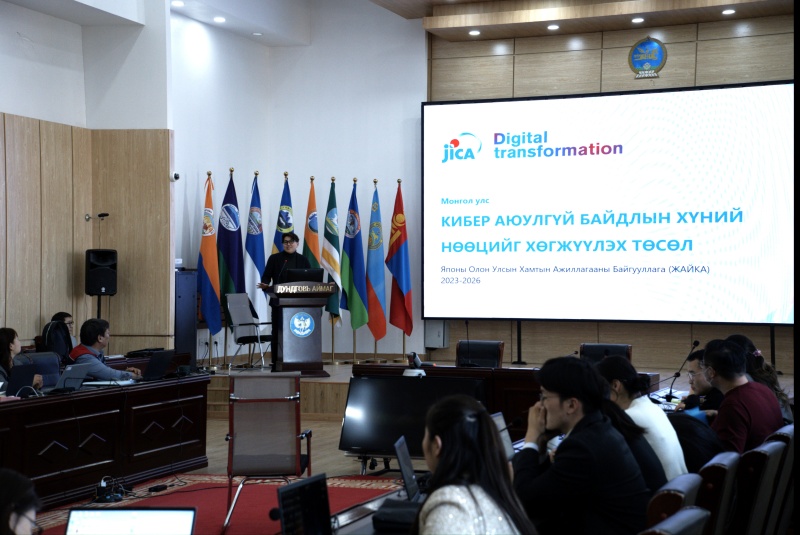
Project Introduction by JICA Expert
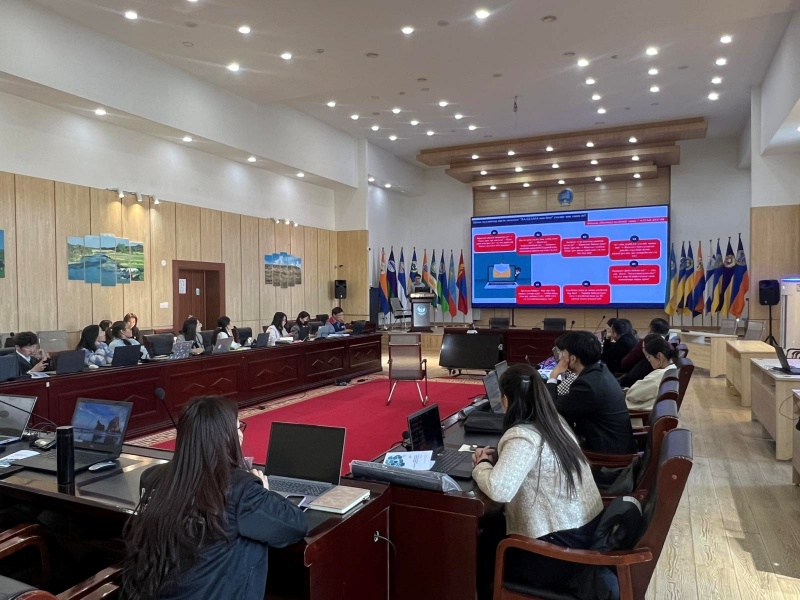
Training
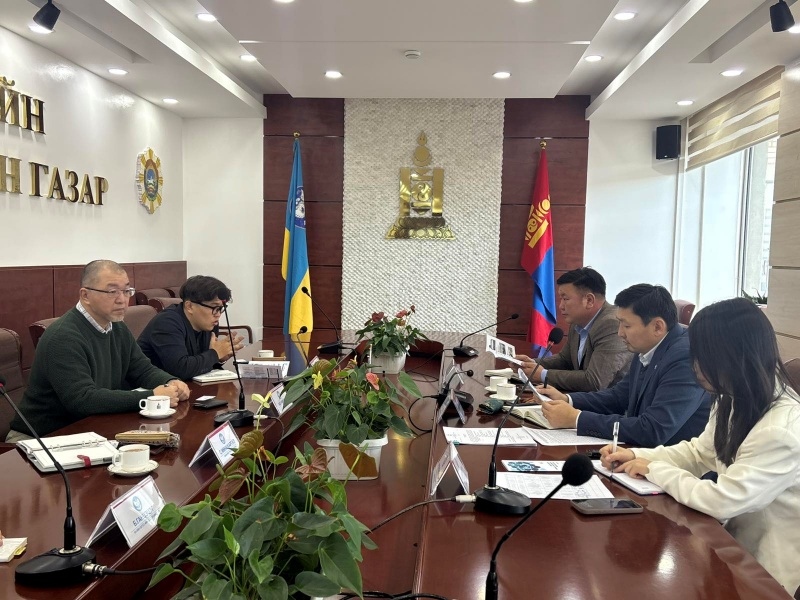
Meeting with the Governor's Advisor
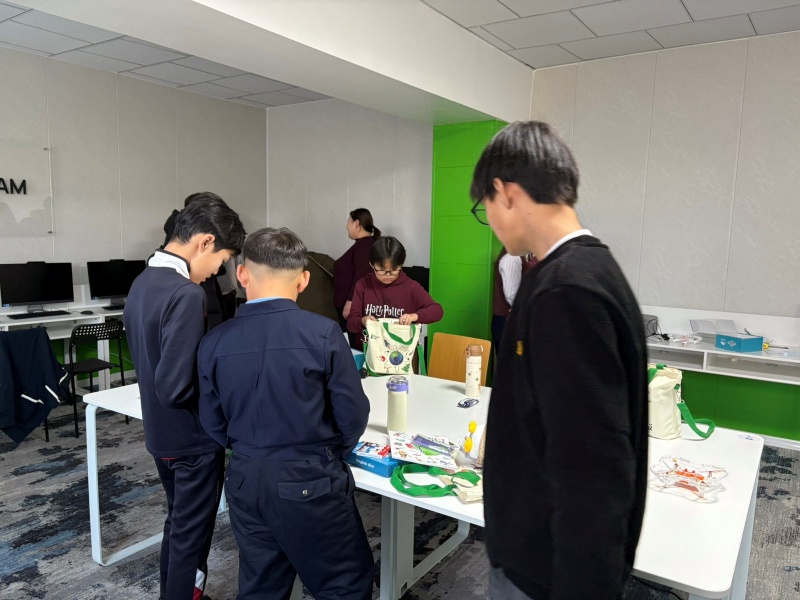
Visit the Child and Family Development and Protection Center