

A follow-up session was held for participants of the 5th and 6th trainings in Japan.
From November 18 to 20, 2025, Japanese stakeholders who involved in the implementation of the trainings in Japan visited Vietnam. They met the counterpart agency, the Department of Training of the Central Committee of Organization and Personnel (CCOP-DOT) to review DOT’s evaluation of the six trainings conducted in Japan. They also visited Da Nang City in central Vietnam as the third follow-up activity for the participants of the 5th and 6th trainings to confirm how the training results have been utilized.
In Hanoi, the Japanese mission met with Dr. Vu Thanh Son, Director General of CCOP-DOT, and confirmed that approximately 100 local government leaders who participated in a total of six training programs in Japan had gained extensive knowledge about Japan’s local autonomy system and municipal administration, which they are actively applying in their work. He also expressed strong appreciation and gratitude for the training program and its meaningful outcomes.
In Da Nang City, the mission visited Ngu Hanh Son Ward, where a participant of the 4th training program serves as Vice Chairman of the People’s Committee, and Cam Le Ward, where a participant of the 6th training program serves as Permanent Deputy Secretary of the Party Committee. The mission also met with a participant from the 5th training program, who is currently Director of the City Land Development Center. In addition, the mission observed ongoing efforts to streamline administrative procedures at the City Administrative Service Center.
In both wards, the local authorities explained the progress made following the restructuring of the local government from a three-tier to a two-tier system[1]. The mission confirmed that the Japan’s approaches, introduced during the training, have served as valuable references in guiding these reforms. At Ngu Hai Son Ward, it was noted that rapid population growth and urbanization continue to pose challenges, such as an increase in waste and the need to improve its treatment and management, as well as the need to strengthen the managerial capabilities. In Cam Le Ward, the shortage of IT personnel and a lack of specialized expertise in urban management were identified as the main challenges.
The delegation member explained that creating economic incentives is important in the area of waste management. They mentioned that, in Japan, collection fees for construction waste help finance related services and support businesses in the private sector that are involved in waste treatment. They also shared that Japan faces its own shortages of IT professionals, but the various countermeasures have been implemented, such as cooperation between the government, the private sector and local municipalities. These insights drew strong interest from the leaders and officials in attendance.
This visit confirmed that the training participants continue to play an active and central role in the local administration, even after the recent restructuring of the local government system. The broad knowledge and insights acquired during the training program have proven to be highly valuable and applicable in their respective workplaces.
[1] Due to the administrative reform implemented by the Vietnamese government, the local administrative structure was transformed from a three‑tier system to a two‑tier system as of July 1, 2025.
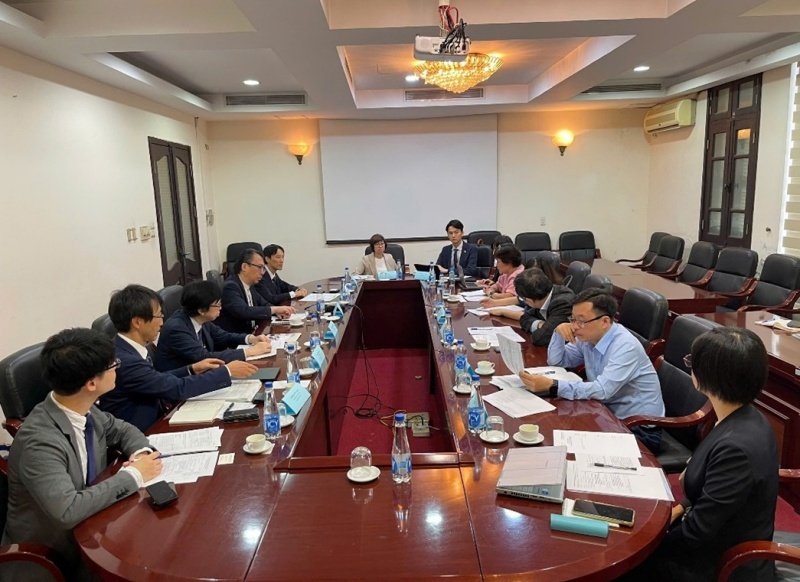
Meeting with of Dr. Son, Director General, Department of Training, CCOP
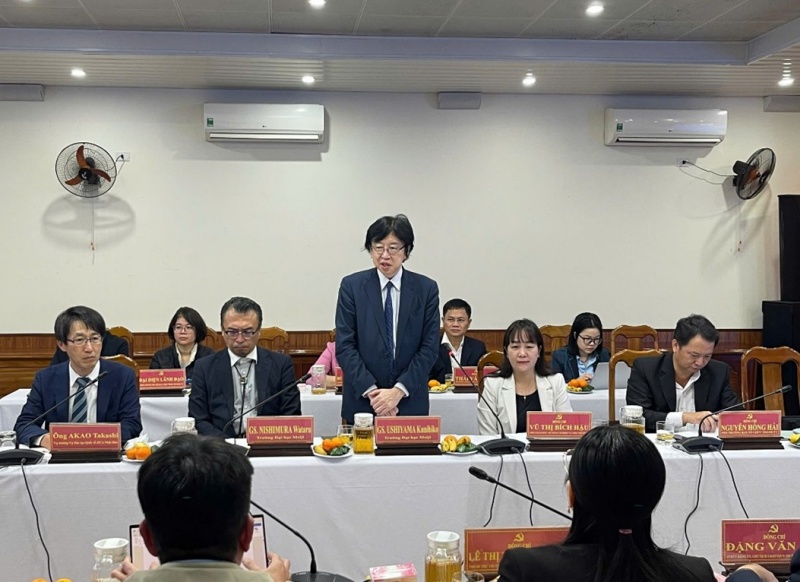
Professor Ushiyama's Address in Da Nang City
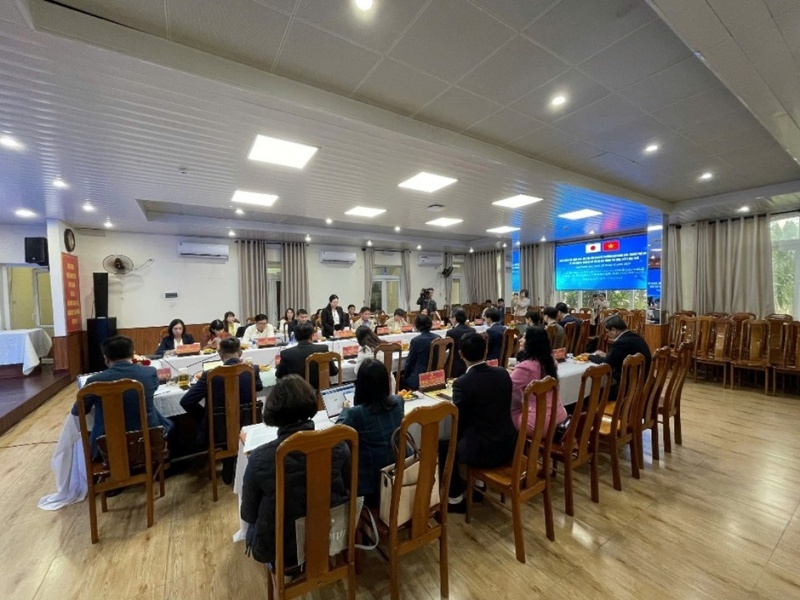
Report and Exchange Meeting in Da Nang City
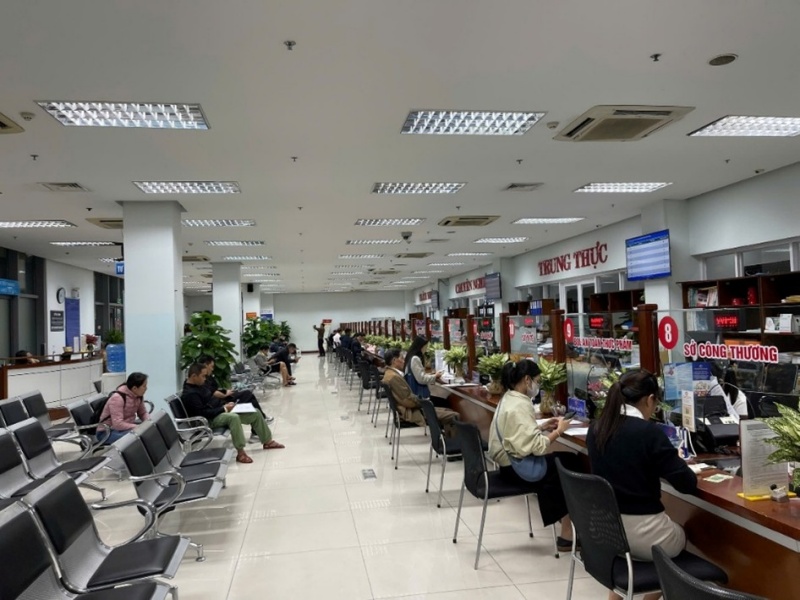
Da Nang Administrative Service Center