

Pilot Project for Household Waste Segregation of Recyclables in Samoa (March-July 2026)
In collaboration with our Samoan counterpart, the Ministry of Natural Resources and Environment (MNRE), J-PRISM3 conducted the Pilot Project for Household Waste Segregation of Recyclables in Samoa. It was a pilot project envisioning the future segregated collection of recyclable materials from households, in addition to the general waste collection currently carried out by MNRE. Its purpose was to examine specific aspects such as collection methods (size of trash bins, etc.), collection vehicles, collection frequency, collection dates, and estimated collection volume.
The target areas consisted of 60 households each from Tanoaleia, representing the urban area, and Vailuutai, representing the suburbs, for a total of 120 households. The targeted items of collection were PET plastic bottles and aluminum cans, and the collection was carried out using 120L yellow recycling bins distributed to each household by the project.
The collection was carried out once every two weeks for a total of eight times from late March to early July 2026. Samoa Recycling and Waste Management Association (SRWMA) was selected as the subcontractor for the collection work through a formal tender process, and approximately 1 ton of recyclable materials were collected from the two areas in total.
At the beginning of the pilot project, some participating residents expressed their opinion that "It is very difficult to sort waste without any incentive;" however, by the time the pilot project came to an end, some residents were saying, "Sorting waste has become our regular habit, so we wonder if we can continue this activity," expressing their willingness for continuation. We also received encouraging feedback such as, "It has provided my daughter with a valuable opportunity for environmental education and has had a positive influence on those around her," and "To help keep our community clean, I have started picking up recyclable items that are on the street."
Based on the experience and data gained from this pilot project, MNRE intends to accelerate their efforts in recycling and reducing waste going into the landfill, with the goal of starting segregated waste collection once the Waste Levy Regulations [1] is in place to provide financial basis. MNRE and J-PRISM 3 will continue to work together to move these efforts forward.
[1] A Waste Levy is a mechanism that encourages waste reduction and recycling by placing a financial cost on waste disposal. The funds collected are typically used to support recycling facilities, waste reduction programs, waste management improvements, and environmental protection initiatives.
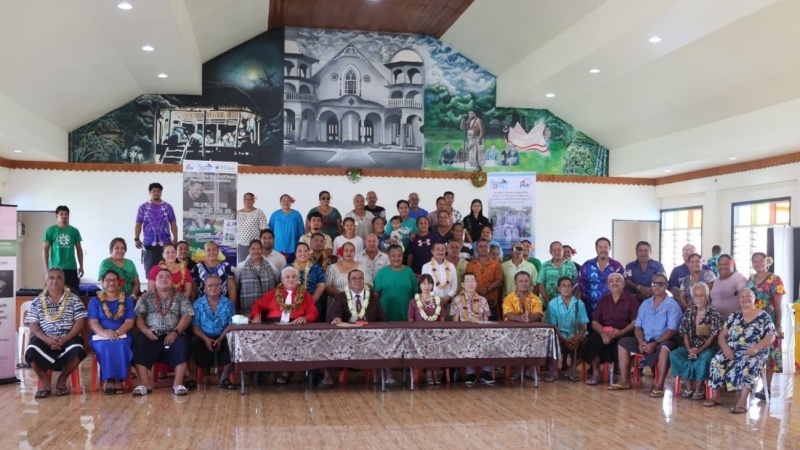
Launching ceremony with Minister of Environment and Natural Resources in Vailutai
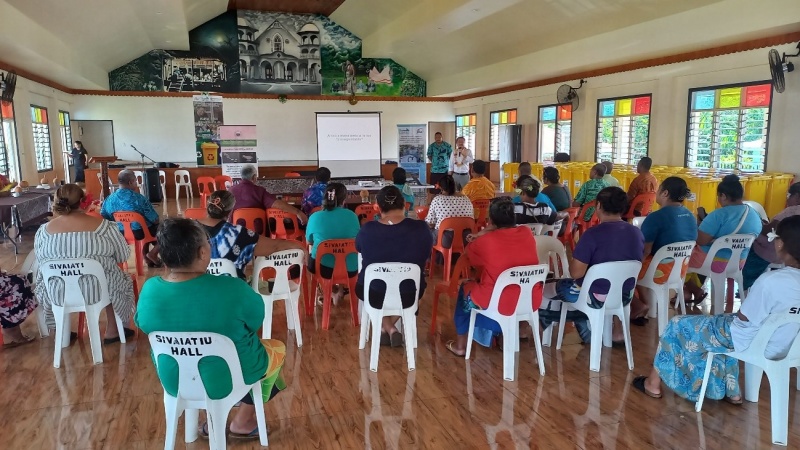
Explanation of the pilot project activity by the J-PRISM3 Expert Team
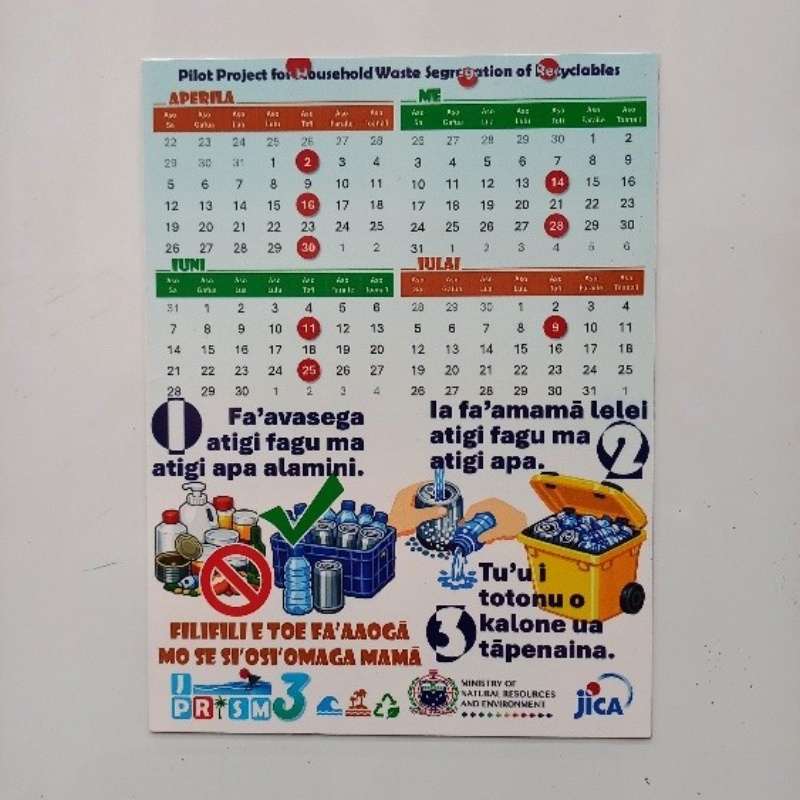
Collection dates and instruction magnet
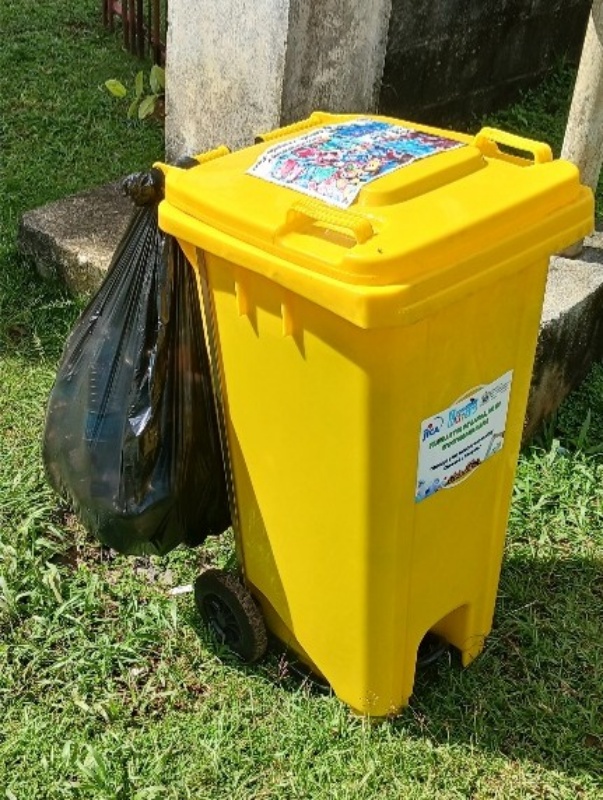
Recyclable bins for the pilot project
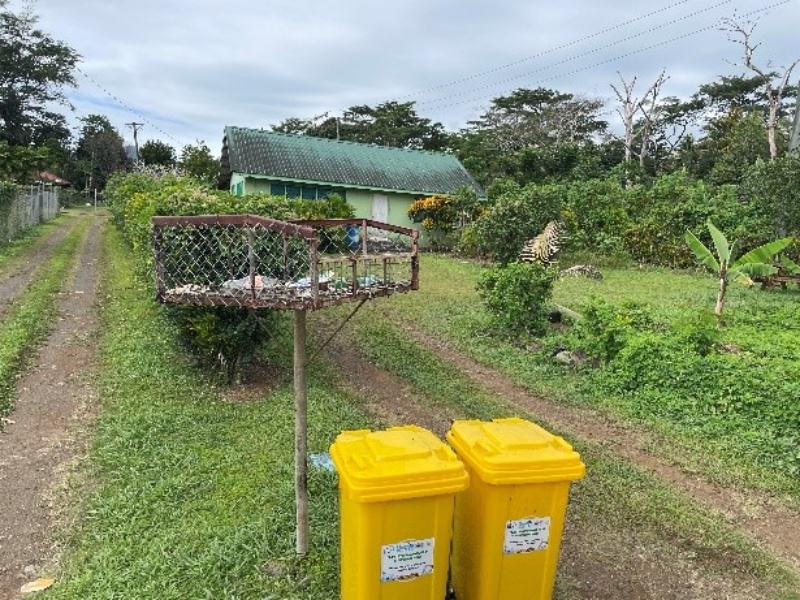
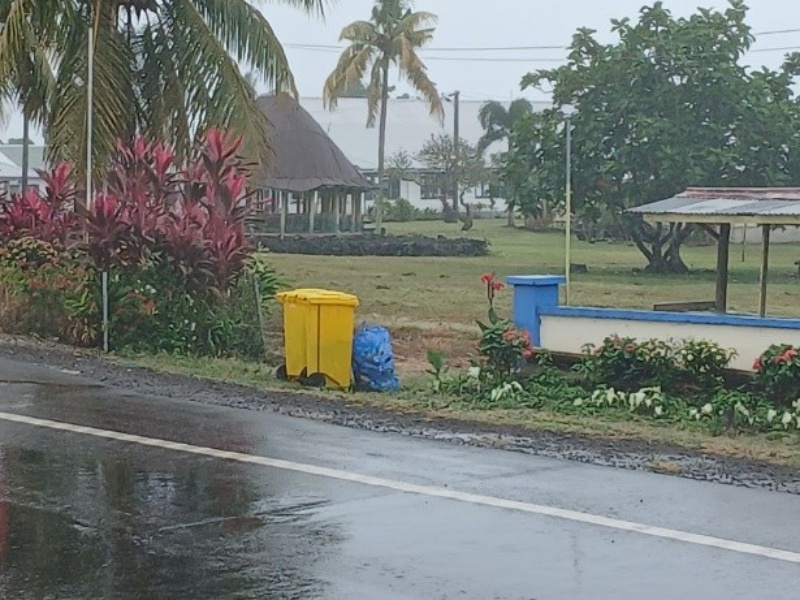
Recyclable bins for the pilot project
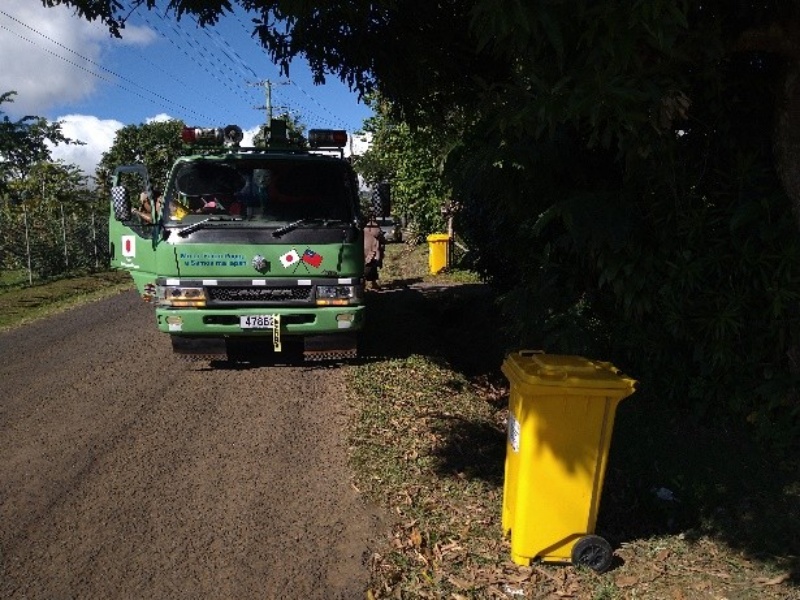
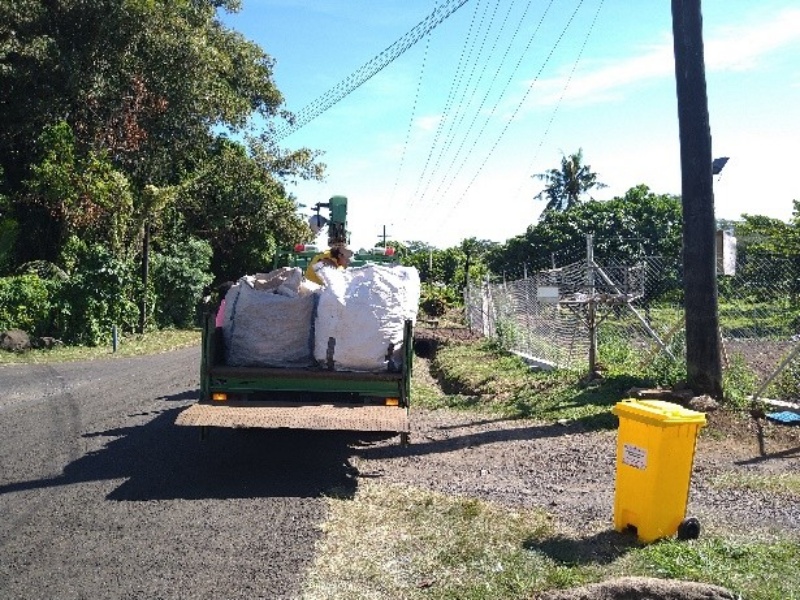
Collection of the recyclables from the households
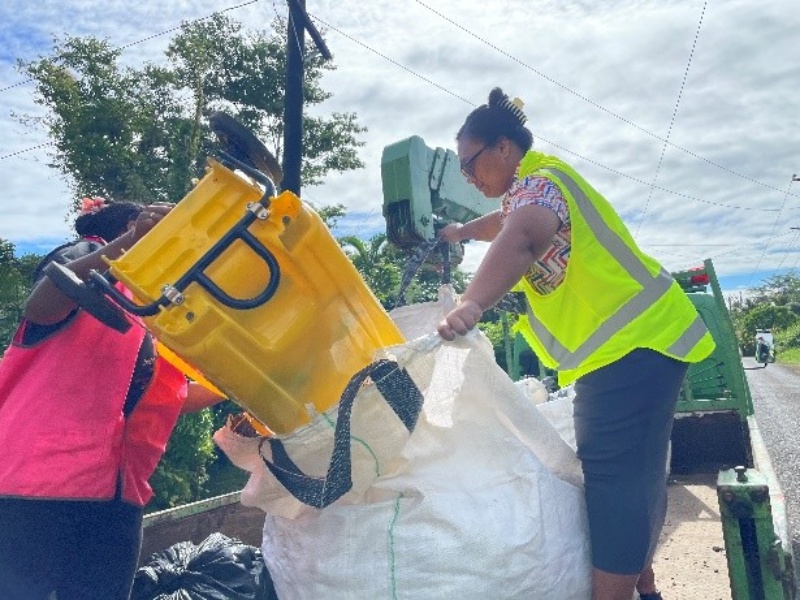
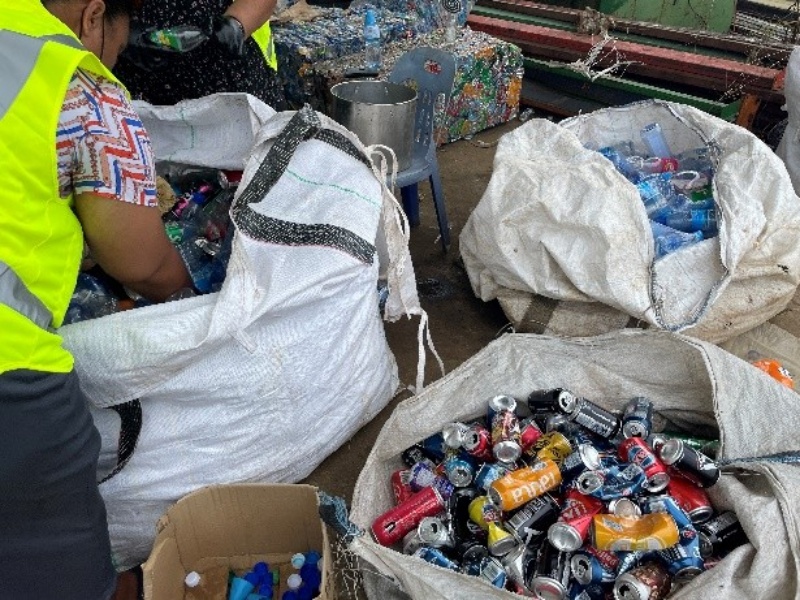
The recyclables collected by the pilot project
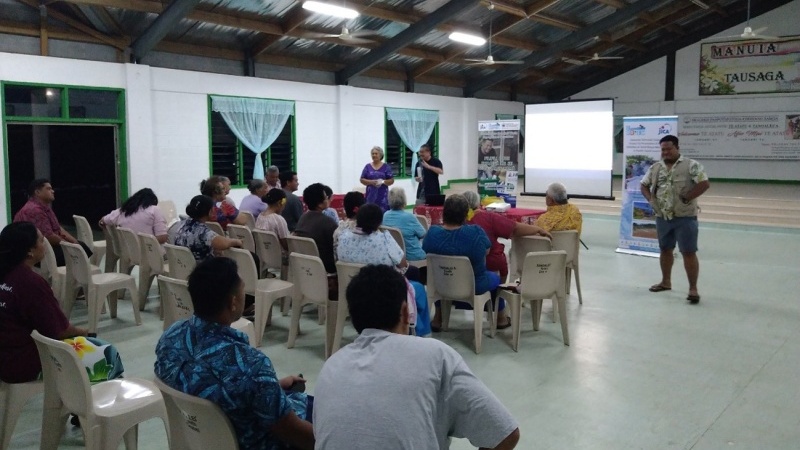
Result Reporting Meeting in Tanoaleia
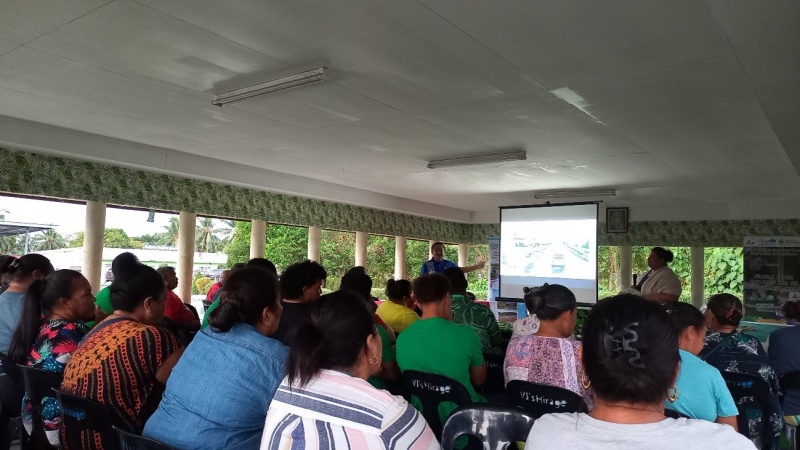
Result Reporting Meeting in Vailuutai