

Supporting the Introduction of a Digital System to Improve Waste Collection Services in Papua New Guinea―Making waste collection activities visible for more efficient waste management―
In Papua New Guinea (PNG), the lack of accurate records on when and where waste is collected, from whom, and what kind of collection takes place has posed a challenge to the effective management of waste collection information.
Maintaining a clean environment through regular waste collection requires a sustainable source of funding to cover theoperation of collection vehicles and the deployment of collection workers. Understanding the actual delivery of waste collection servicesand collecting appropriate fees are therefore important to sustaining reliable waste collection services over the long term.
Toaddress these challenges, J-PRISM3 collaborated with the Alotau Urban Local Level Government (AULLG) and the National Capital District Commission (NCDC) to conduct a trial of a waste collection recording system on July 6–7, 2026. The system combines QR codes with KoboToolbox, a data collection tool that can also be used offline.
Under the system, collection workers use smartphones to scan QR codes placed at the premises of individual businesses that generate waste and recordcollection details on site. This enables waste collection information, which was previously difficult to record accurately, to be digitally stored and managed, making it easier to track when and where waste was collected, from whom, and what was collected.
The trial involved businesses in the town, where the staff tested the system at actual collection sites. Participants also reviewed the procedures for recording collection activities and explored how the collected data could be used to manage waste collection services more effectively .
The trial indicated that the system could improve visibility into waste collection services. In the longer term, itcould also improve fee collection and strengthen responses to address unpaid fees. By using reliable data to understand the services delivered, local authorities can work towards more efficient waste management within limited budgets.
NCDC also expressed strong interest in the initiative and shared its views on the potential for expanding the system to the capital, Port Moresby, and other cities.
This initiative represents more than the introduction of a new system. It marked an important first step toward managing waste collection services based on data and building a sustainable waste management framework. J-PRISM3 will continue working with AULLG and NCDC to support improvements in waste management services in PNG.
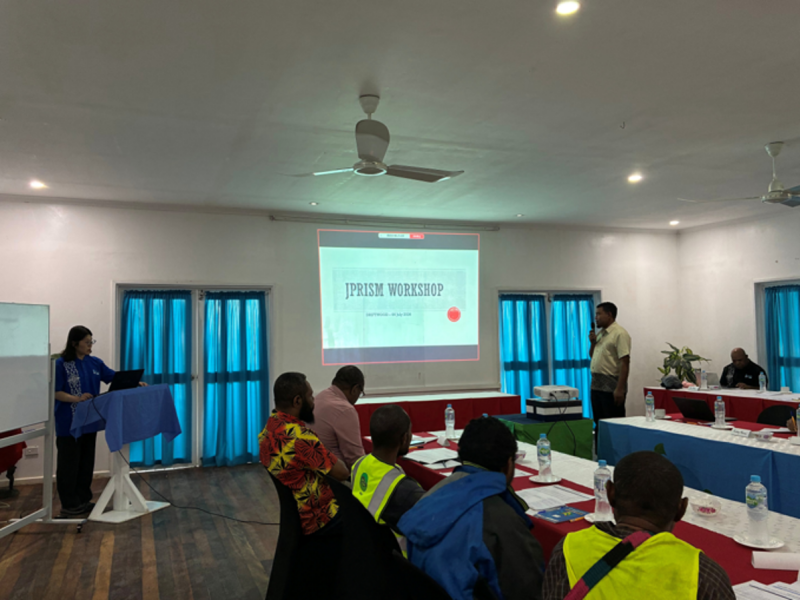
System overview and demonstration
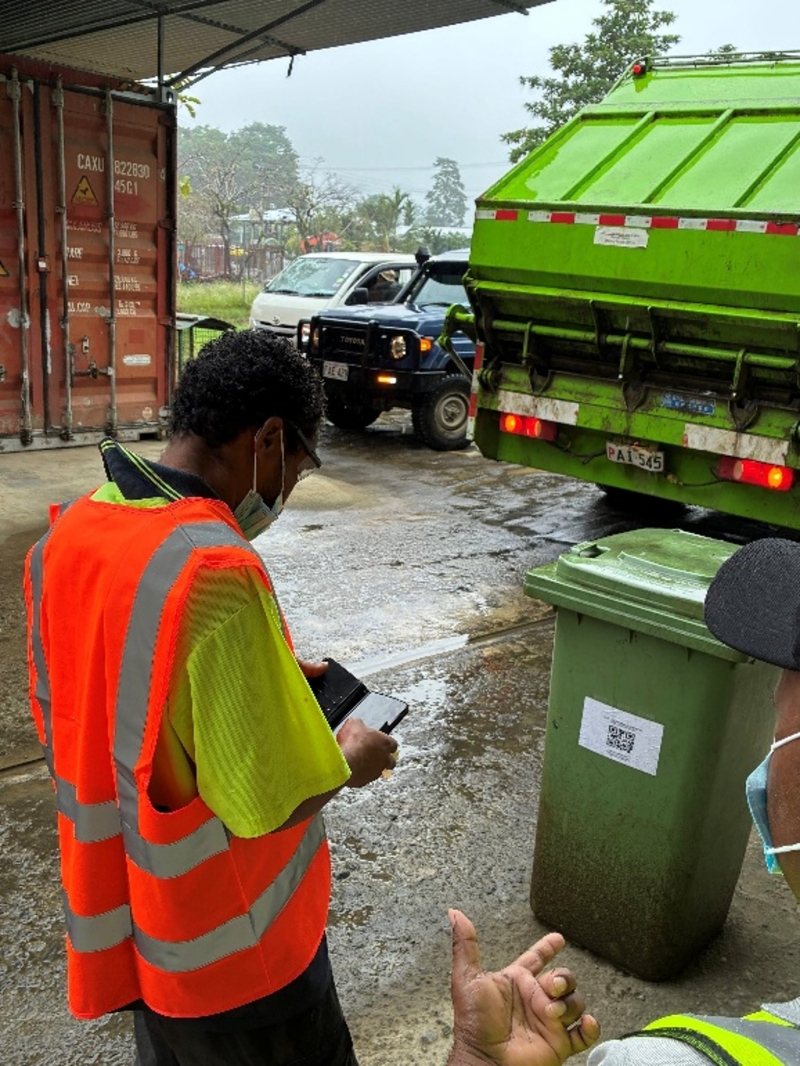
Documenting the data collection process
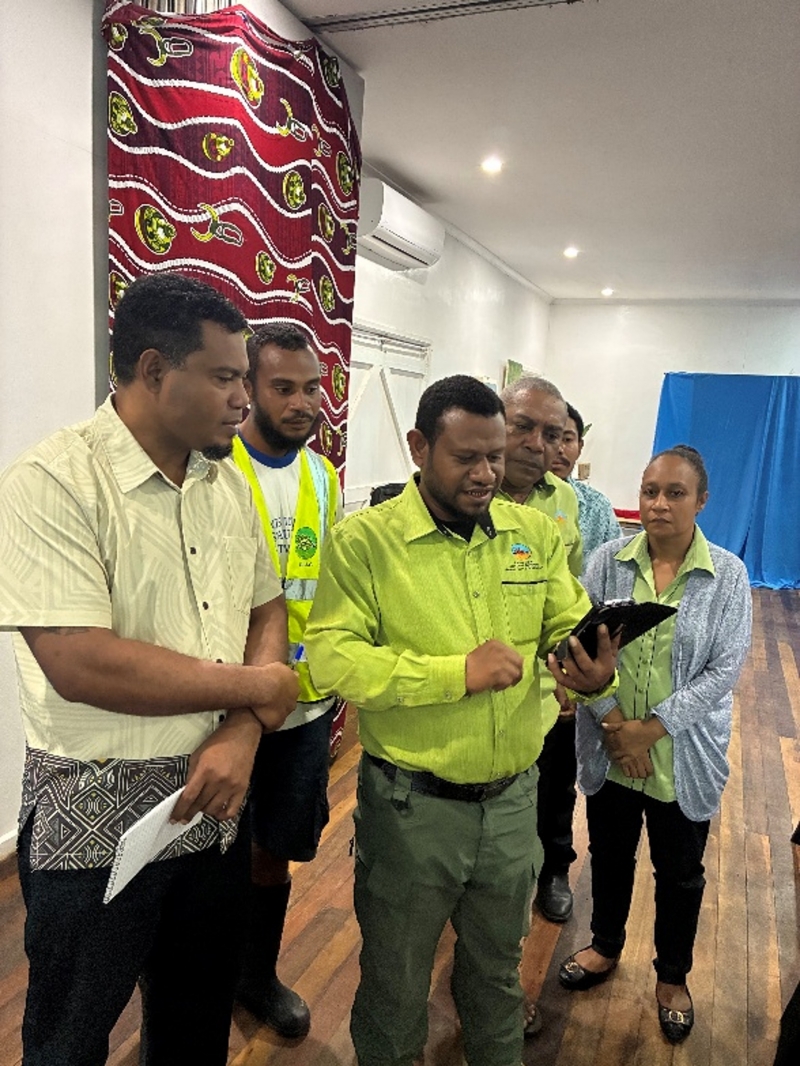
Participants discussing and exchanging views while verifying system operations
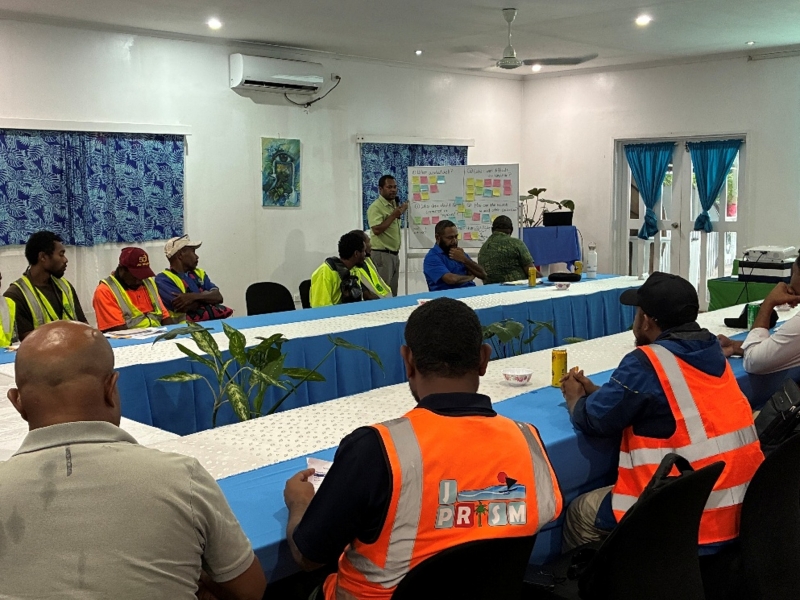
Review and discussion of lessons learned and challenges following the field implementation
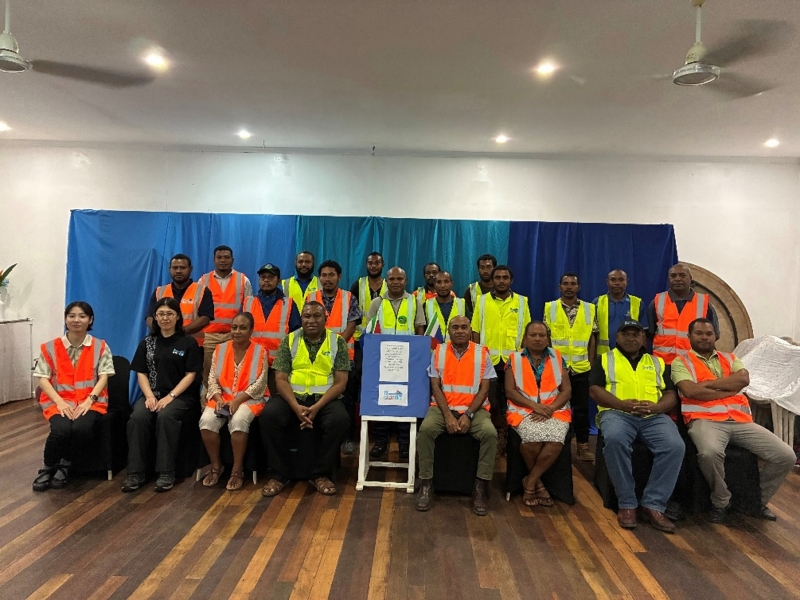
Group photo of training participants