

[Update] Analysis and Evaluation of the Second Round of Preventive Drug Administration for Lymphatic Filariasis in West New Britain Province
Results of the Second Round of MDA
Between November and December 2024, the second round of Mass Drug Administration (MDA) for lymphatic filariasis (LF) was conducted in West New Britain Province (WNBP). The results were presented at a Post-MDA Workshop meeting in Kimbe in May 2025, marking the completion of the MDA program in the province.
Following the first round of MDA conducted in 2023, the second round of MDA was implemented using a combination of three medicines (IDA):
ivermectin (1.776 million tablets, donated by Merck & Co., USA), diethylcarbamazine (1.86 million tablets, donated by Eisai Co., Japan), and albendazole (378,000 tablets, donated by GlaxoSmithKline (GSK), UK)
, all provided free of charge to Papua New Guinea (PNG) through the World Health Organization (WHO). This contributed significantly to the elimination of LF in the province. On the other hand, azithromycin, effective against yaws and administered concurrently during the first MDA, was not available in sufficient quantities to cover the entire population. Therefore, distribution was limited to suspected yaws cases and their contacts.
The results showed that out of an estimated provincial population of around 320,000 (excluding pregnant women, the elderly, and some infants),
a total of 257,083 people took IDA medicines, representing an MDA coverage rate of 79%. For azithromycin, 22,018 individuals (6.8%) received treatment. Across all four areas of the province, the IDA MDA coverage rate remained high at 78–80%, significantly exceeding the WHO-recommended target threshold of 65% (see Table 1).
The higher the MDA coverage rate, the greater the potential to interrupt LF transmission and advance toward elimination. In addition, screening for skin-related Neglected Tropical Diseases (NTDs), conducted simultaneously with drug administration, reported 164 suspected LF cases, 18,334 suspected yaws cases, and 7,128 cases of scabies. Similar to the first MDA, a large number of suspected skin-related NTD cases were identified.
Results of the supplementary survey on MDA coverage and feedback on implementation
Following the completion of the MDA at the end of 2024, the Coverage Evaluation Survey (CES) was carried out in February 2025 by staff from the Provincial Health Authority Headquarters (PHAQ). The survey interviewed 403 households (2,304 people) across 26 areas of the province. The proportion of respondents who reported having taken the MDA medicines was 79.1%. Among those who did not take the medicines, the main reasons cited were “being absent during the MDA” (42.0%), “not being informed about the campaign” (8.7%), and “the team did not come” (0.3%). For those who received medicines but did not take them, the main reasons were “concerns about side effects” (15.7%) and “lack of sufficient information” (15.5%).
Compared with the first-round MDA survey, the proportion of people who “were not informed about the campaign” dropped from 14.2% to 8.7%, and “the team did not come to their areas” fell from 5.0% to 0.3%. Meanwhile, “concerns about side effects” decreased dramatically from 65.7% to 15.7%.
These changes indicate improvements in public awareness, better access to medicines, and reduced anxiety about taking them.
On 8–9 May 2025, the Post-MDA Workshop was held in Kimbe, co-hosted by this project, the National Department of Health (NDoH), and WHO, for PHA representatives. In addition to presenting the overall results, health facility representatives shared feedback on MDA implementation in their respective areas.
Common challenges highlighted included: hesitation among some residents to take the medicines, shortages of manpower to carry out MDA activities, the existence of hard-to-reach areas, unpredictable weather conditions (with rough seas during bad weather in particular), weak communication infrastructure, and delays in financial acquittals for PHA operational costs.
On the other hand, many positive aspects were also reported, such as improved cost-effectiveness of mass drug distribution and secondary benefits for skin diseases.
One health facility reported that
they provided daily life guidance and lymphedema care advice to identified LF patients during the MDA period.
For skin diseases that are difficult to diagnose, the WHO officer provided lectures on clinical signs during pre- and post-MDA trainings, and Pidgin-language materials on skin conditions supported by WHO, contributing to improved knowledge and skills among health workers. Training sessions for local volunteers and staff were also conducted at each health facility before MDA implementation, helping to build capacity for disease control and establish systems for ongoing care and monitoring.
In this round of MDA, our project mainly collaborated with relevant organisations and stakeholders to strengthen LF control through the following support:
Key support provided by the Project:
- Development of the MDA budget and implementation plan (microplan)
- Procurement, sorting, and distribution of supplies and fuel used for MDA
- Pre-MDA training for health workers and post-MDA workshop organisation
- Monitoring during MDA implementation
- Compilation, analysis, and reporting of MDA implementation data
Next steps
Following the completion of the required rounds of MDA in the province, the next activity will be an IDA Impact Survey to assess the LF endemic status after MDA. This survey is scheduled to take place after an interval of at least six months, expected around late 2025 to 2026. A total of three surveys will be conducted every two years, and it is required that all rounds achieve a “Pass.”
PNG, in line with WHO’s Roadmap for NTD Elimination, is aiming to eliminate LF by 2030. As LF transmission can be interrupted through consistent medicine intake, NDoH and PHAs will continue to take the lead, strengthening operational structures in the target areas to steadily advance activities to stop further transmission.
For more information
Further information is available on the JICA Papua New Guinea Office Website.
“Official Launch of Mass Drug Administration (MDA) Round 2 in West New Britain Province; The Project for Elimination of Lymphatic Filariasis Phase 2” (Posted on 9 December 2024)
“Working Together for a Lymphatic Filariasis-Free Future: Post-MDA Workshop” (Posted on 28 May 2025)
Timeline
| July 2024 | Completion of the budget plan for the second round of MDA |
| August – October 2024 | ・Transport, sorting and delivery of medicines and procured items ・Training for health facility Officer in charges (OICs) and PHA staff |
| Late October – Early November 2024 | Conducted pre-MDA training sessions at each health facility in the province |
| November 2024 | ・Launch ceremony for MDA and commencement of activities (drug administration carried out alongside awareness and mobilization campaigns in each area) ・Data collation and management for MDA began, completed in early February the following year |
| Early December 2024 | Completion of MDA, with mop up activities conducted in some hard-to-reach areas |
| February 2025 | Implementation of Coverage Evaluation Survey (CES) |
| May 2025 | Post-MDA Workshop held to report results |
Table1. LF Coverage by District areas (based on provincial population data from NDoH eNHIS)
| MDA Round One (2023) | MDA Round Two (2024) | |||||
| District/Area | Target Population |
Treated Population |
Coverage Percentage |
Target Population |
Treated Population |
Coverage Percentage |
| Nakanai | 130,106 | 76,753 | 59.0 | 127,165 | 101,990 | 80.2 |
| Talasea | 85,387 | 59,818 | 70.1 | 87,440 | 67,972 | 77.7 |
| Gloucester | 43,920 | 33,873 | 77.1 | 42,072 | 33,614 | 79.9 |
| Kandrian | 60,658 | 31,836 | 52.5 | 67,506 | 53,507 | 79.3 |
| WNBP Total | 320,071 | 202,280 | 63.2 | 324,183 | 257,083 | 79.3 |
Photos of MDA Activities
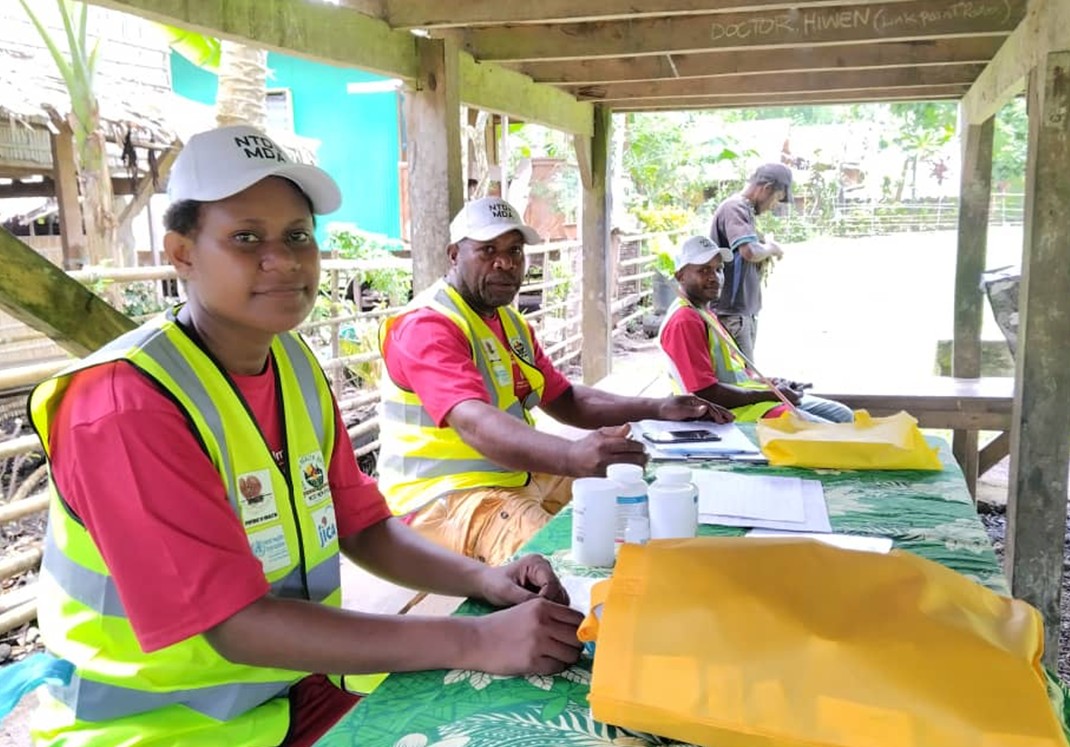
Registraion at Paruru/Vitu Health Centre
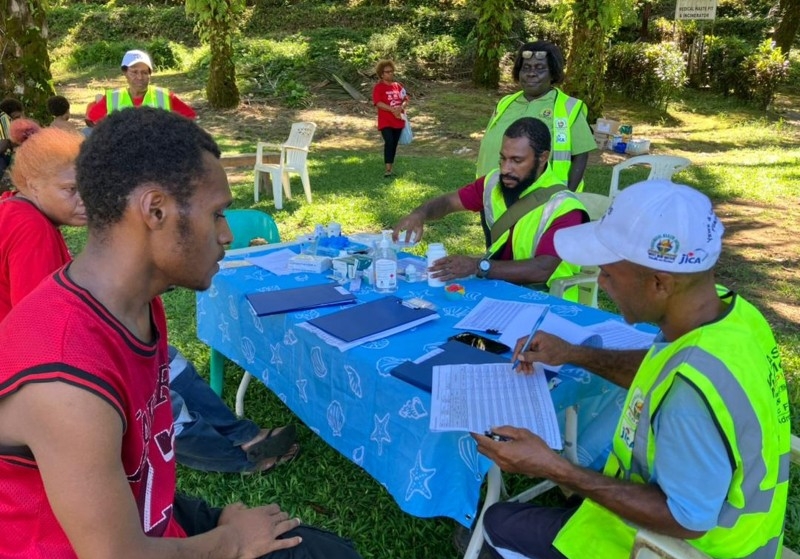
Reporting, Mosa Health Centre
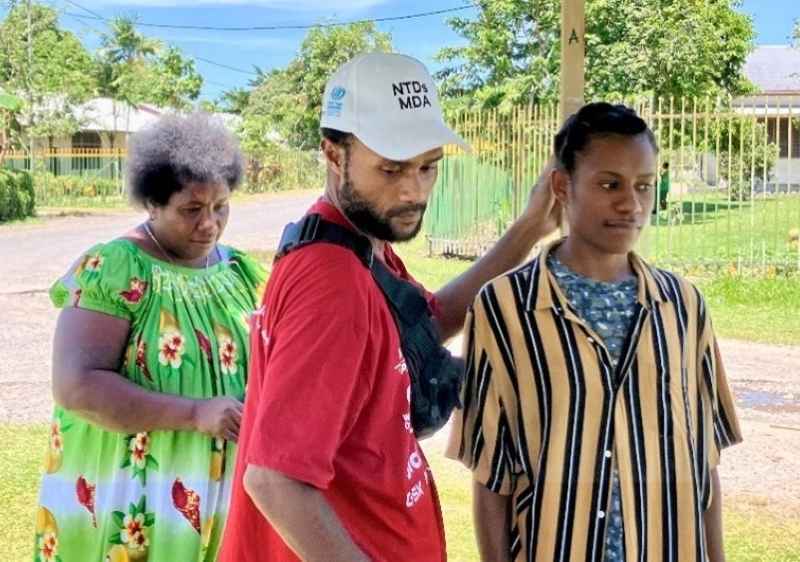
Height scale at Mosa Health Centre
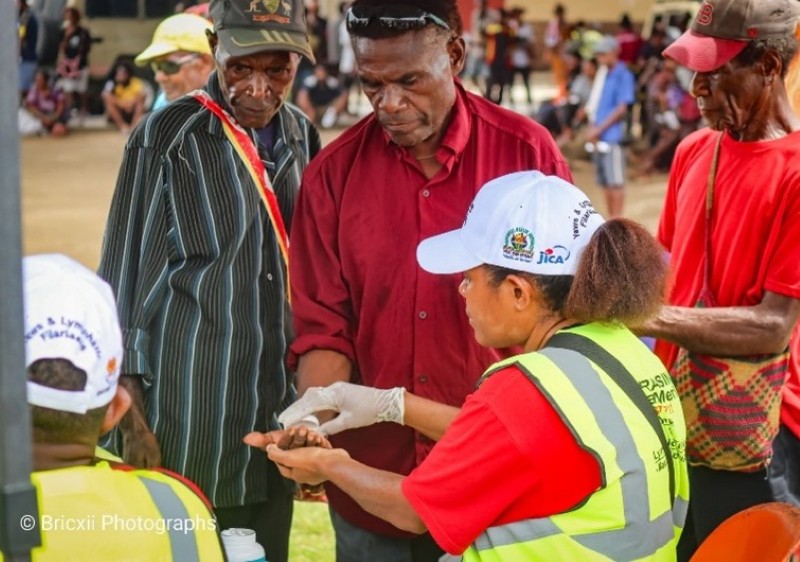
Kimbe Provincial Hospital (KPH) team at Launching Ceremony
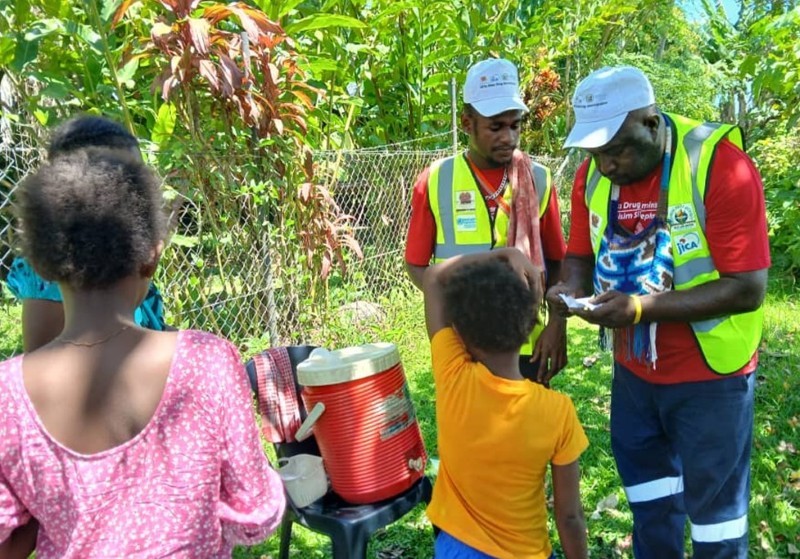
MDA for kids (KPH team)
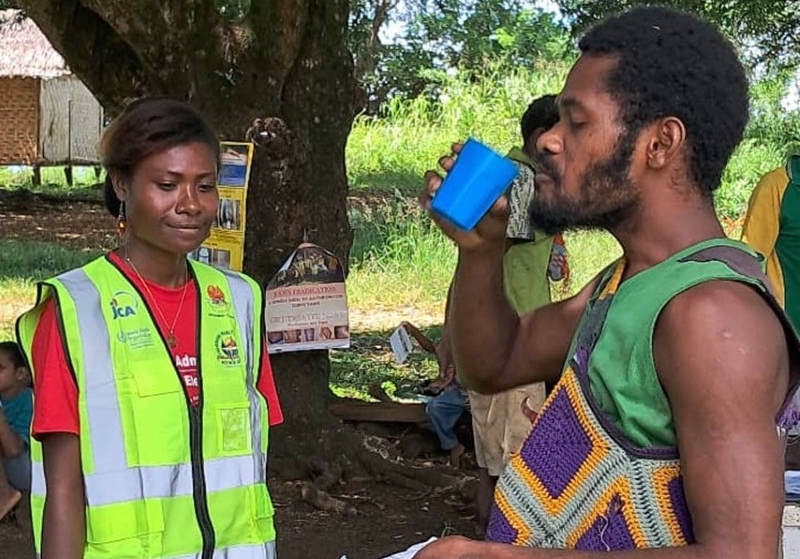
Drinking the medicines, Pililo Health Centre
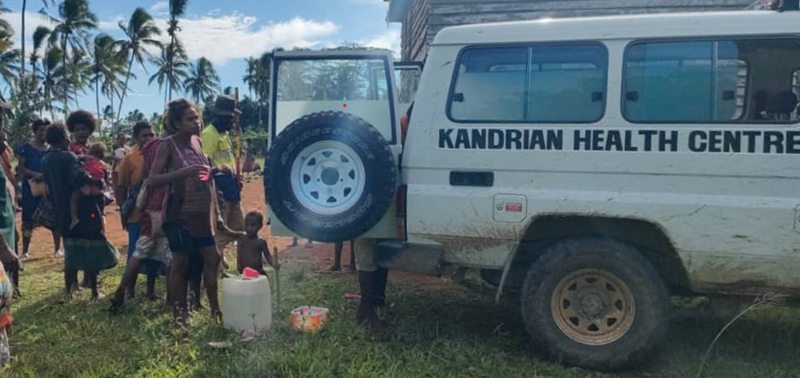
Residents waiting in line to receive medicines from health centre vehicle (Kandrian Health Centre)
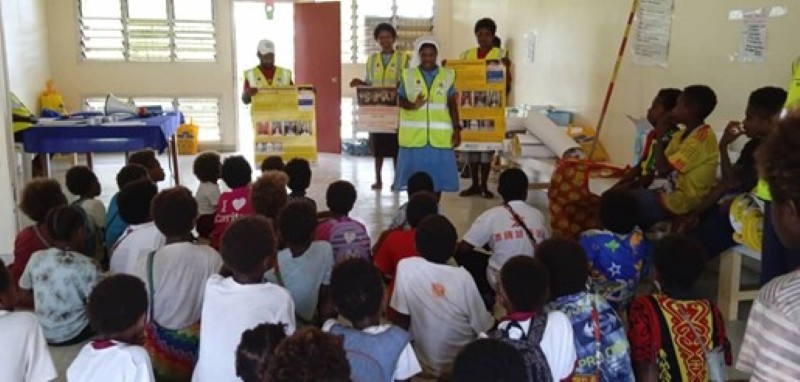
People gathered at the health centre to receive a briefing about the MDA (Turuk Health Centre)
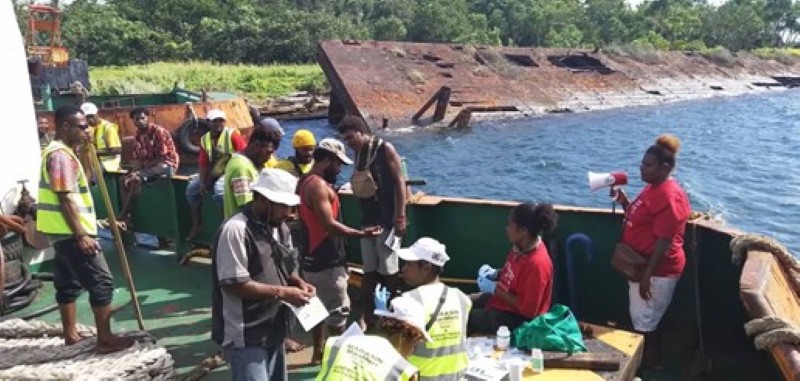
MDA conducted on board for ship workers (Kaliai Health Centre)
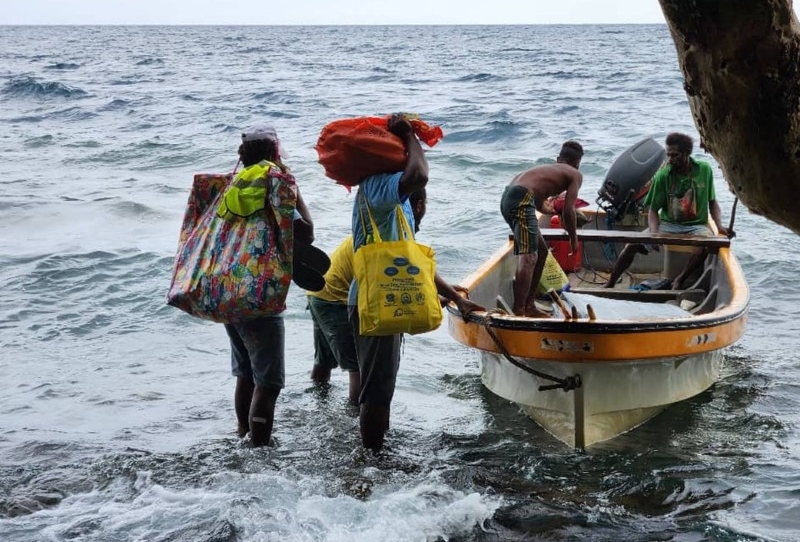
Teams travelling between villages by dinghy boat to conduct MDA (Wako Health Centre)
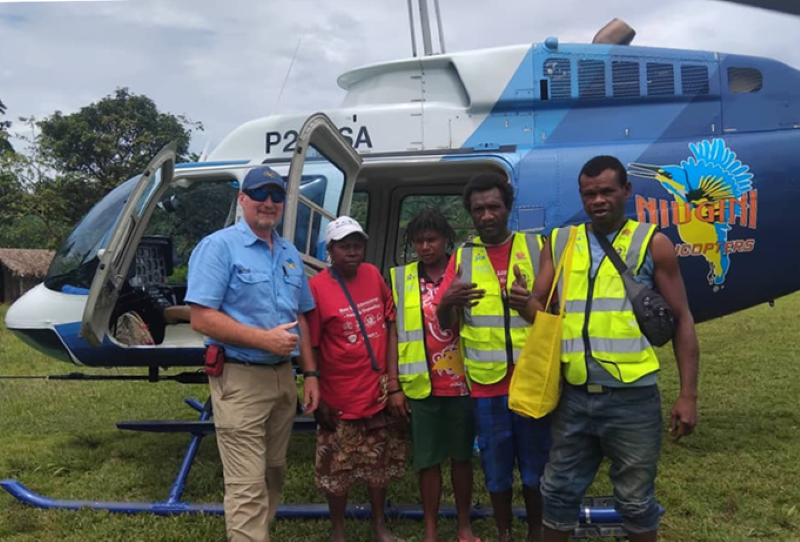
Teams flown by helicopter to hard-to-reach areas (helicopters arranged by PHA, Eseli Health Centre)
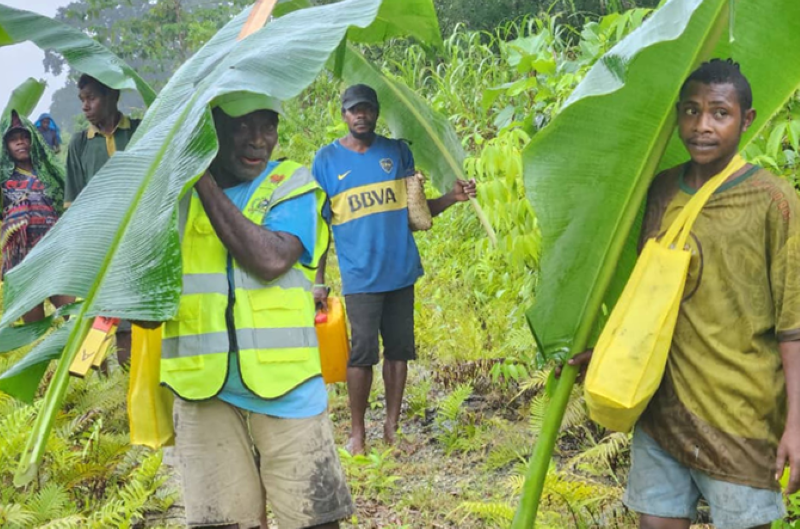
Team members using large leaves as umbrellas after being caught in sudden bad weather while travelling (Wako Health Centre)
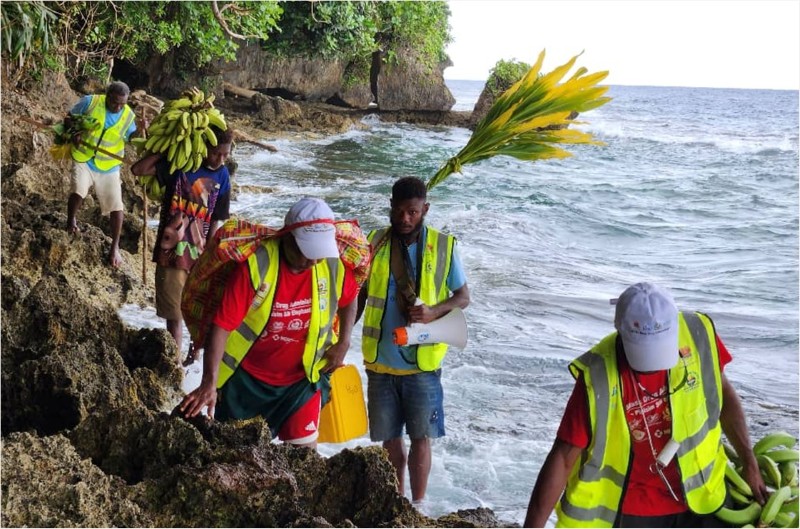
Team members carrying MDA items and food across unstable wharves (Wako Health Centre)
Suspected LF Cases Identified in the Province
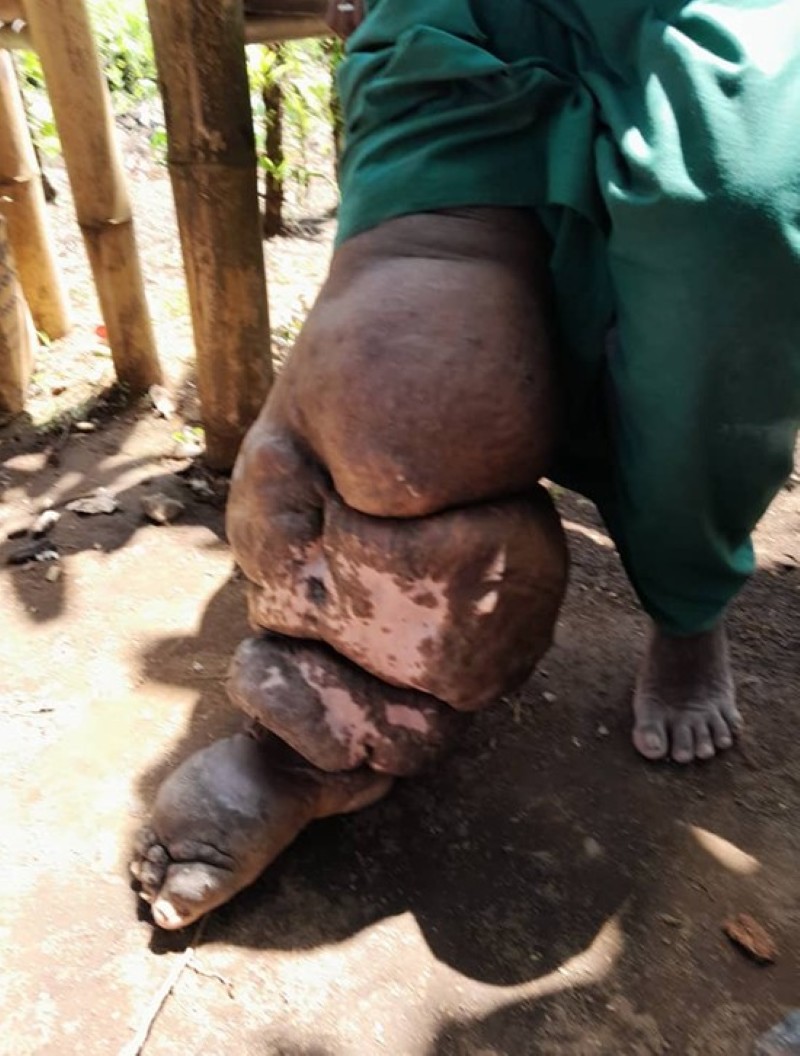
Ulamona Health Centre
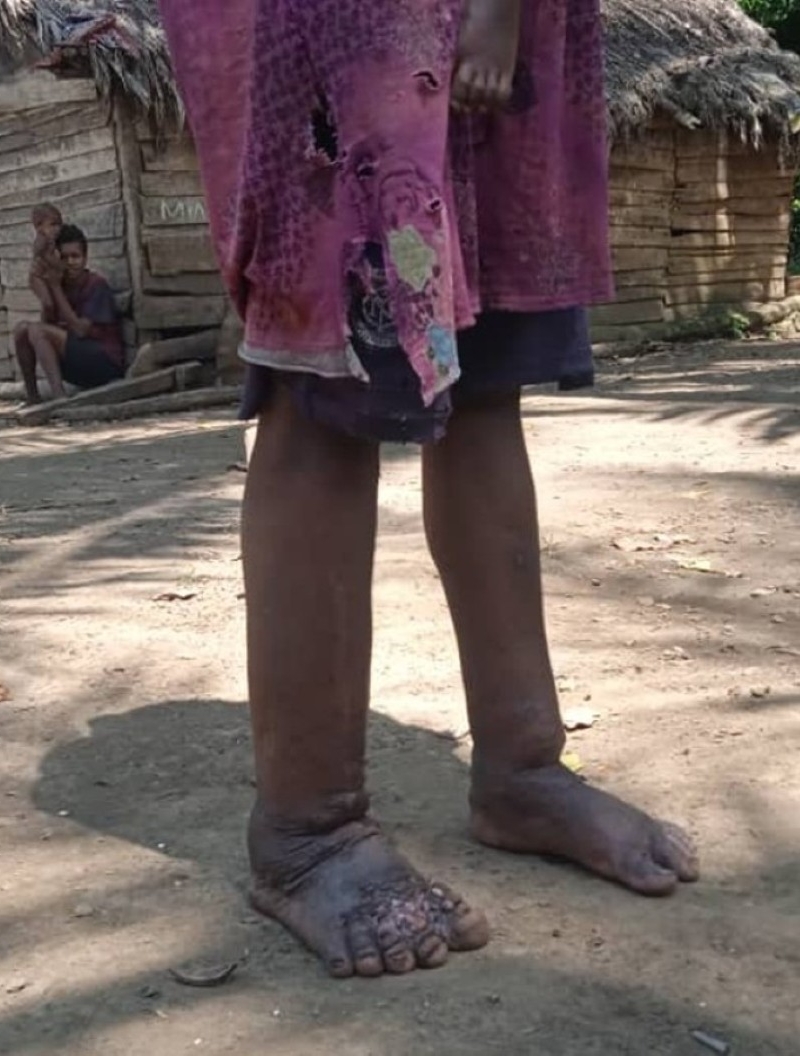
Baea Health Centre
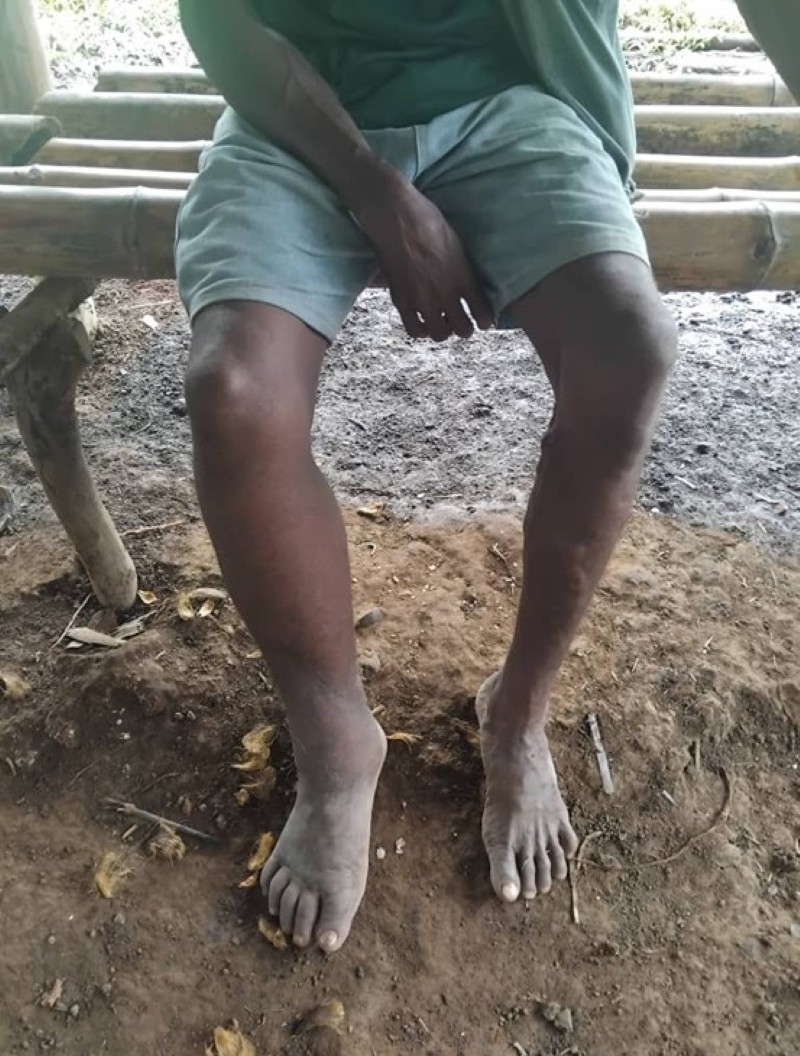
Eseli Health Centre
Coverage Evaluation Survey (CES)
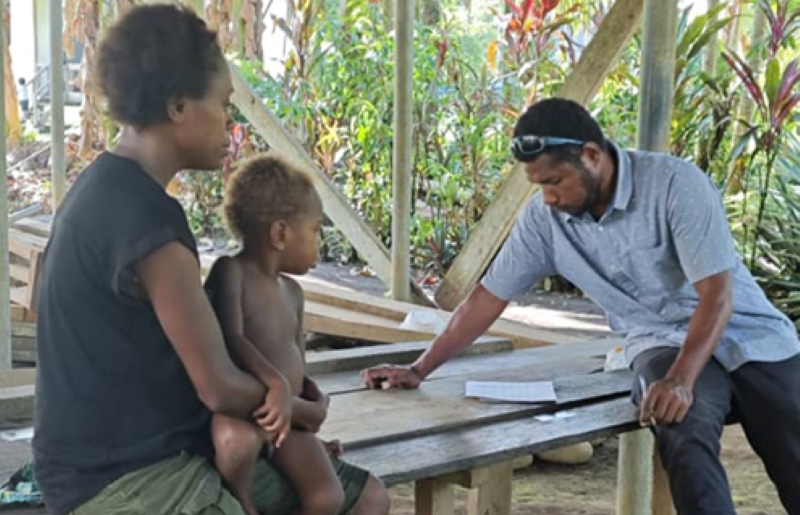
PHA staff conducting Interview-suverys with residents (Bialla area)
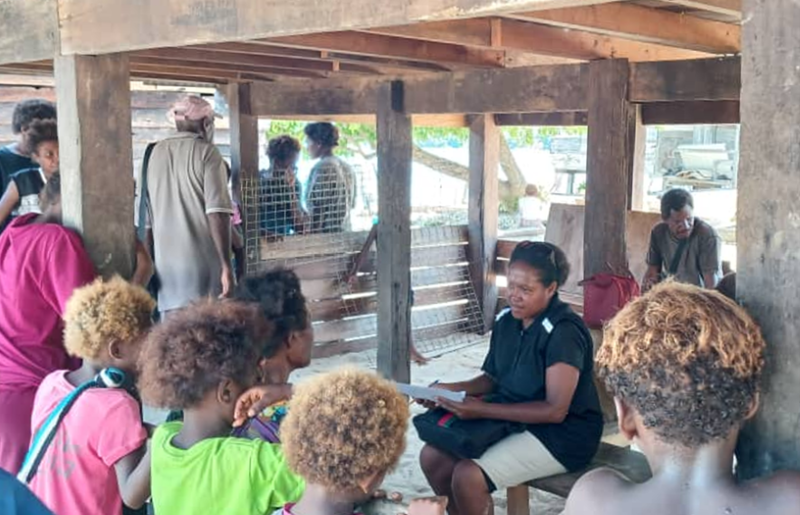
PHA staff conducting Interview-suverys with residents (Kandrian area)