
Final Seminar Held for “Capacity Building for Local Municipalities on Disaster Risk Reduction and Waste Management”
2026.02.13





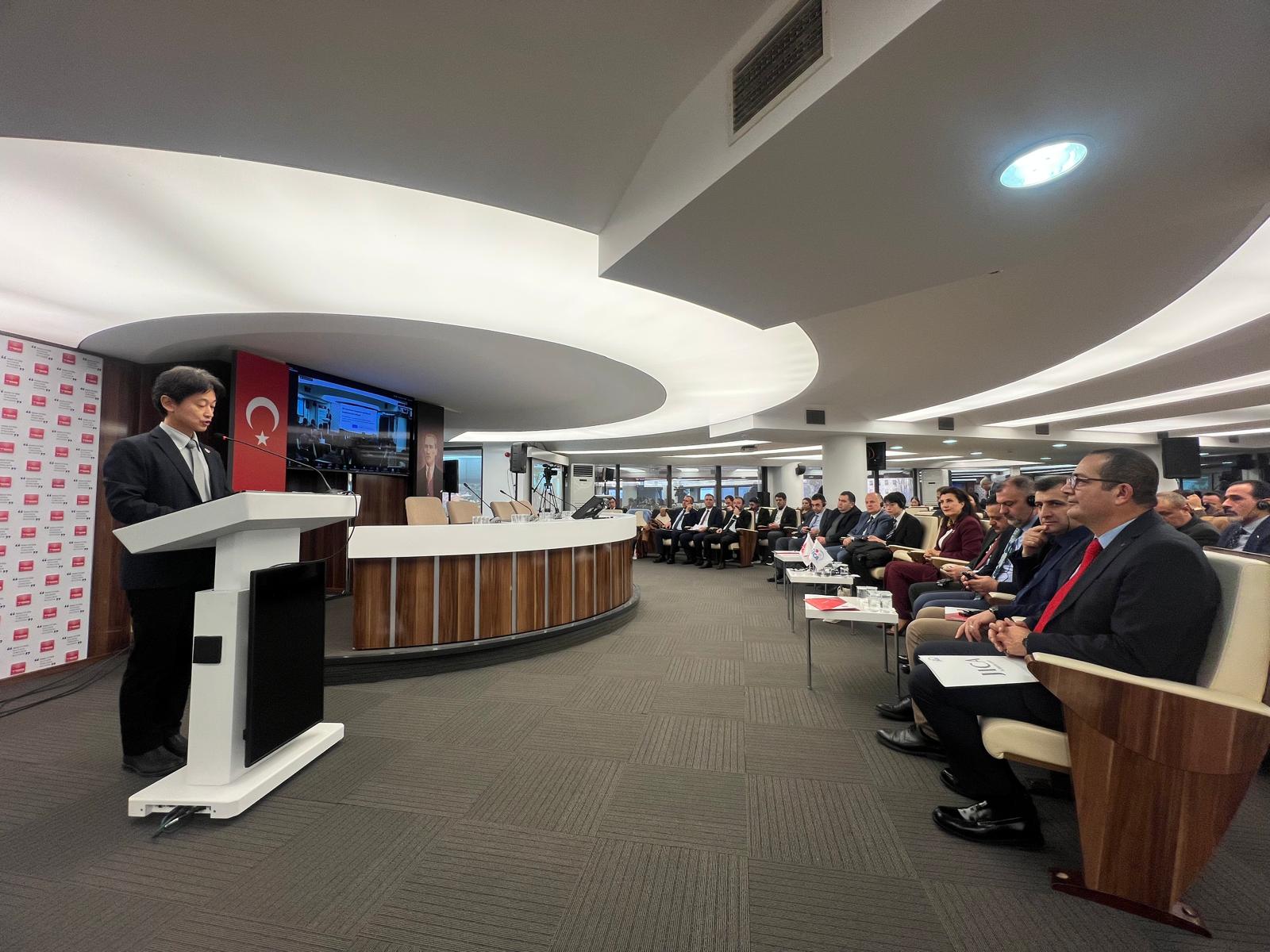
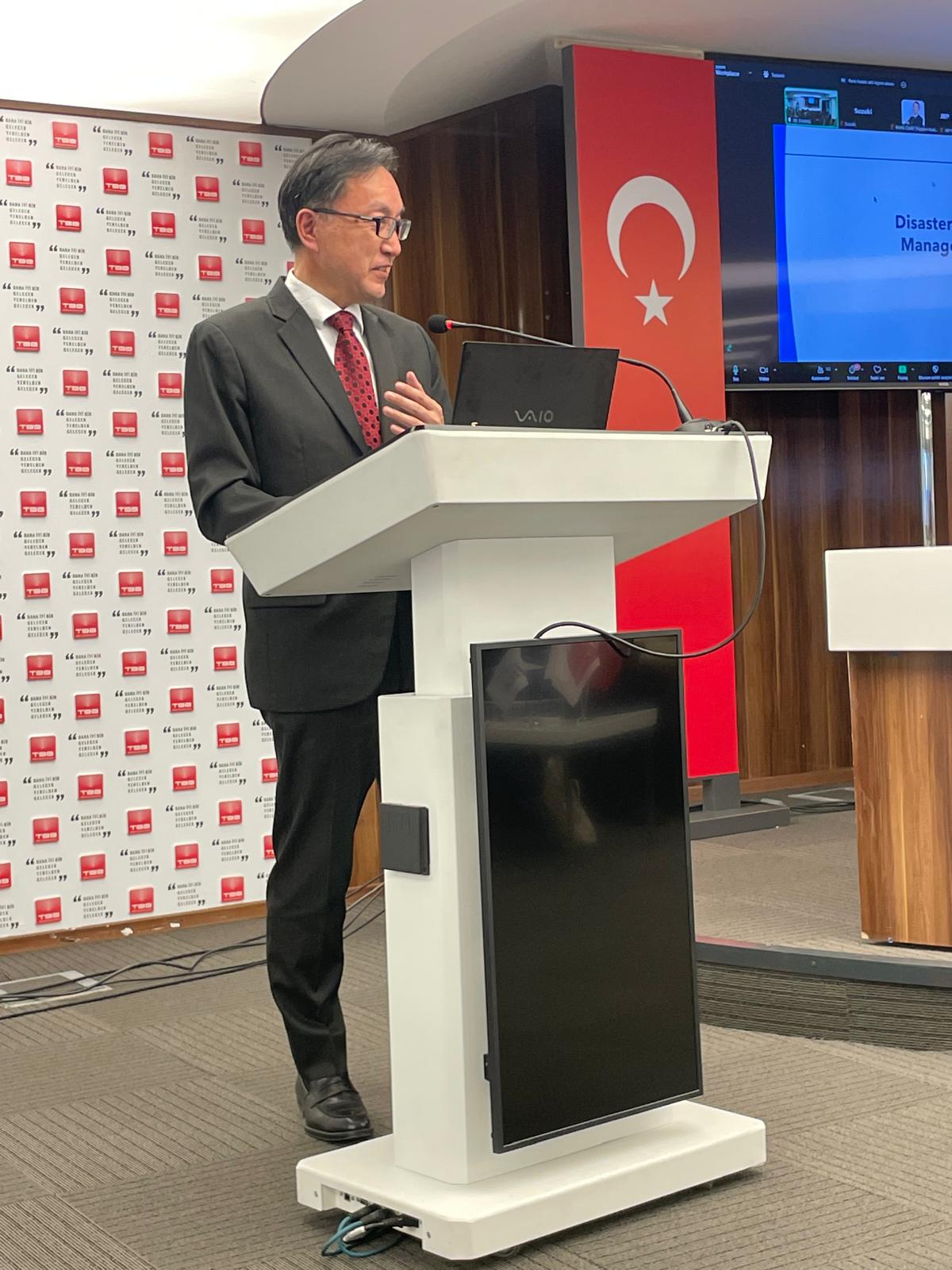
On 13 February 2026, JICA and the Union of Municipalities of Türkiye (UMT) held the final seminar to conclude our three-year project. This year carries deep significance, marking three years since the 2023 earthquakes in Türkiye and fifteen years since the Great East Japan Earthquake. Japan’s lessons learned from past disasters served as a vital foundation for this bilateral exchange.
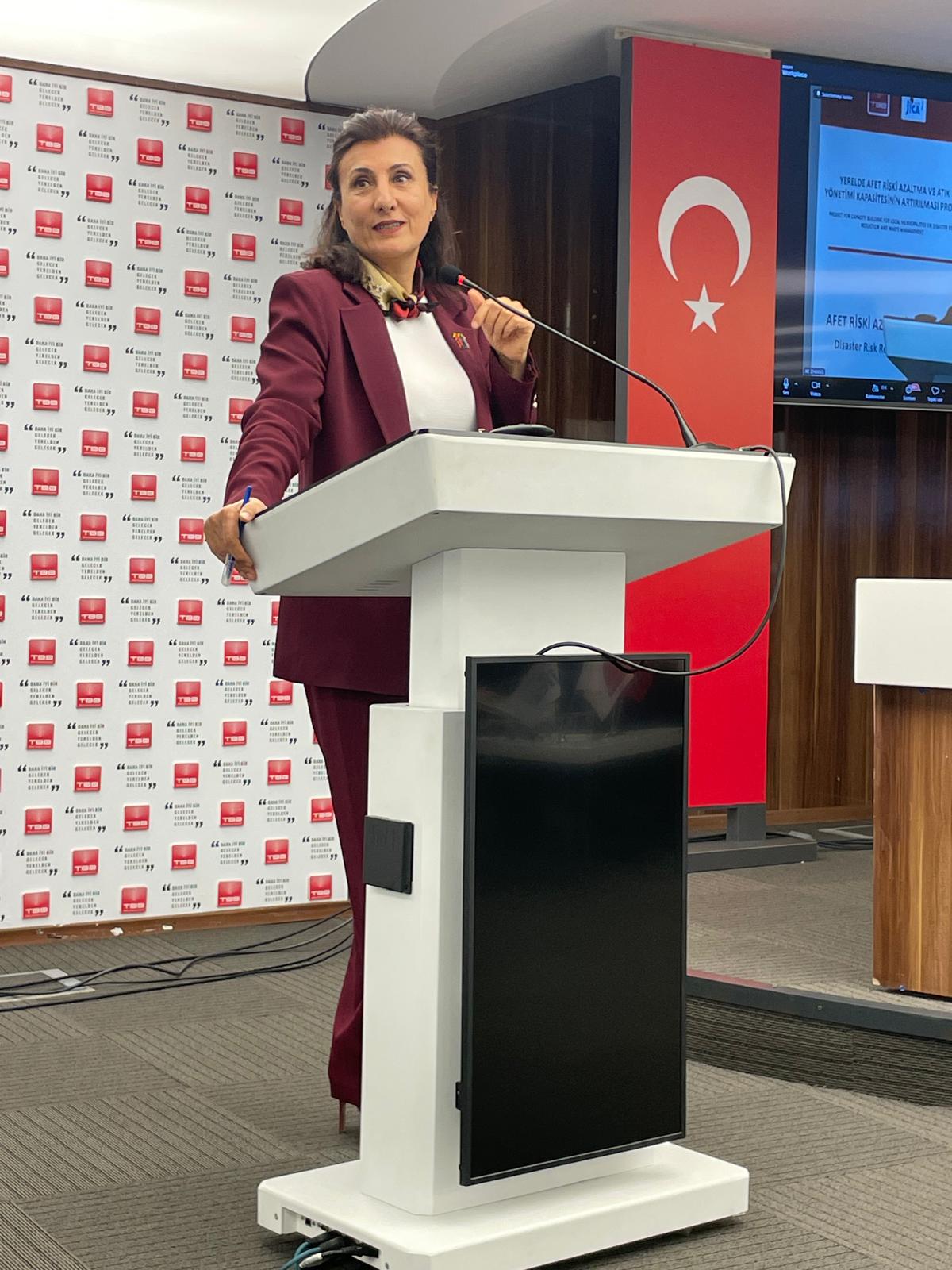
The seminar shared practical insights and presented the project’s key achievement such as:
1) Kahramanmaraş “Build Back Better” Plan
A comprehensive BBB Plan was developed, combining risk assessment, future urban structure, and resilient investment priorities. Kahramanmaraş Metropolitan Municipality is taking steps to reflect the plan’s concepts within its municipal planning processes.
2) School Seismic Retrofitting with Japanese outer-frame method
Under the Ministry of National Education (MoNE), and with UNESCO Japanese Funds‑in‑Trust, a secondary school in İzmir was retrofitted using Japan’s outer‑frame method, allowing classes to continue during construction. MoNE has expressed interest in applying this method to additional schools.
3) National Disaster Waste Management Guideline
Prepared under the leadership of the Ministry of Environment, Urbanization and Climate Change (MoEUCC), this guideline embeds Japanese experience into a framework now entering finalization and authorization. Once issued, it is expected to help local governments develop practical and actionable disaster waste management plans.
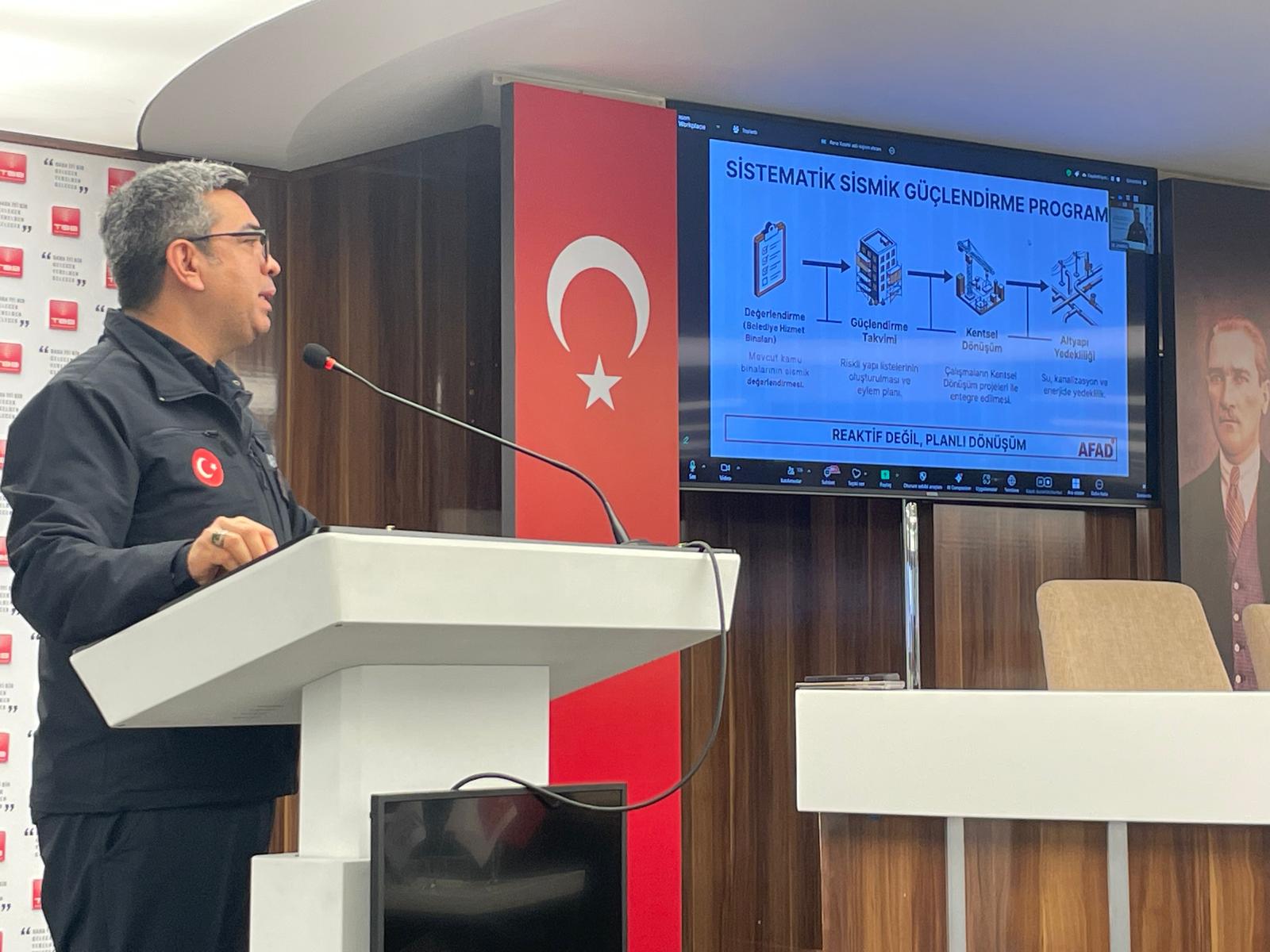
A unique strength of the seminar was the diversity of technical input. The Japan Bosai Platform (JBP)—a consortium of Japanese private-sector companies—and the National Research Institute for Earth Science and Disaster Resilience (NIED) of Japan provided practical solutions for disaster management using advanced technologies. Meanwhile, the Disaster and Emergency Management Presidency (AFAD) shared their current actions and strategies for future disaster readiness. This collaboration ensured that all strategies were grounded in both scientific evidence and real-world application.
The project emphasized "translating" lessons into the Turkish context rather than using one-size-fits-all solutions. Many participants had previously visited Japan for hands-on training, allowing for deep, experience-based discussions. As Mr. Kemal Zorlu of Mersin Metropolitan Municipality noted: “Türkiye has strong plans, but the training in Japan showed us how to turn those plans into reality on the ground.”
As both nations reflect on their respective paths to reconstruction, the commitment remains: embedding disaster resilience into everyday municipal practice to ensure public services remain available and resilient for the future.
Sns share!


