Transforming Greater Lusaka: Achievements of the Comprehensive Regional Development Plan

2026.03.17
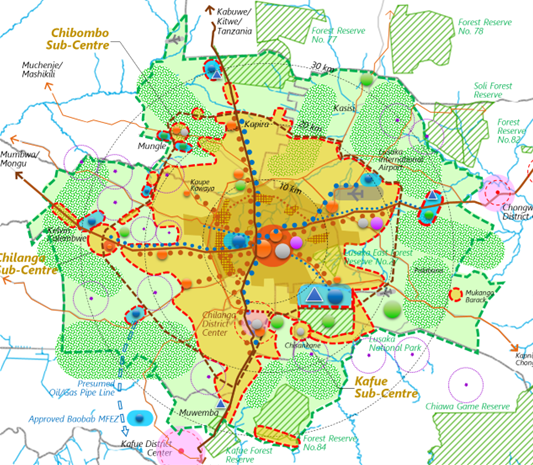
GIS-based Land Use Map

Launched in August 2023, the Project for Formulation of Comprehensive Regional Development Plan for Greater Lusaka has been a landmark initiative aimed at guiding the sustainable growth of Lusaka and parts of its surrounding districts—Chongwe, Chilanga, Kafue, and Chibombo—collectively known as Greater Lusaka. With support from the Japan International Cooperation Agency (JICA) and led by the Ministry of Local Government and Rural Development etc., the project has developed a long-term plan to steer urban development through 2045.
The final draft of the Regional Development Plan for Greater Lusaka (GLRDP), submitted in August 2025, reflects extensive research, stakeholder engagement, and technical planning. It is expected to serve as Zambia’s first statutory regional development plan under the Urban and Regional Planning Act of 2015.


Key Achievements of the Project
1. Inclusive Planning Through Citizen Engagement
The project prioritized public participation. Over 3,000 households were surveyed, and open-house workshops were held in diverse locations—from shopping malls to churches and universities. These engagements revealed strong public support for the Garden City concept and. “An integrated thriving region of global connectivity, economic industrialisation and environmental sustainability by 2045”
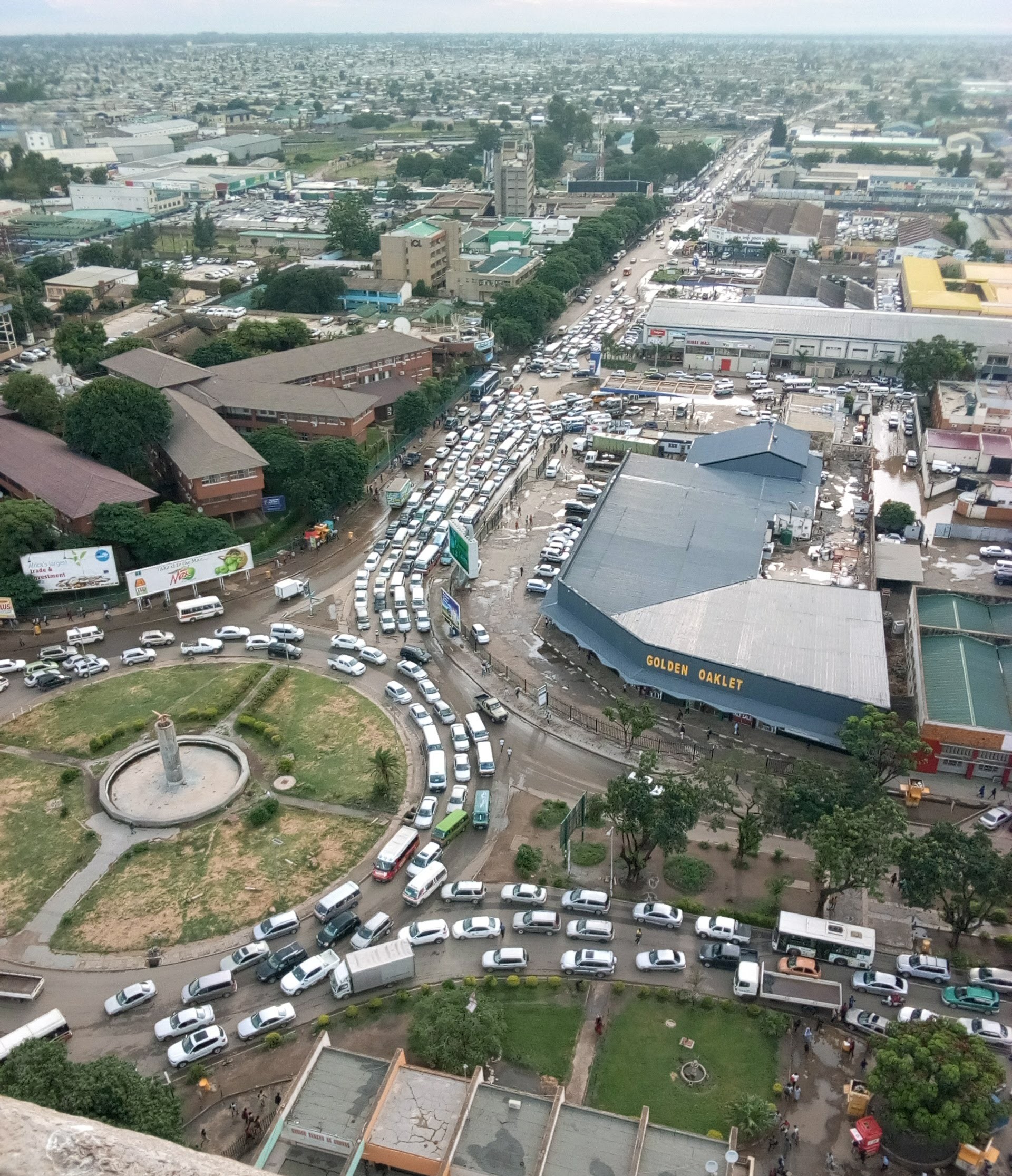
Citizens identified key challenges such as traffic congestion, poor sanitation, and inadequate housing, and expressed aspirations for a cleaner, safer, and better-connected city.

2. Comprehensive Spatial and Infrastructure Planning
The GLRDP proposes to introduce a structured spatial development framework, including:
  • Three ring roads and radial corridors to improve traffic flow.
  • A Bus Rapid Transit (BRT) system to enhance public transport.
  • Designated sub-centres to decentralize services and economic activity.
  • Preservation of green belts and agricultural zones to support environmental sustainability.
The plan also suggests to set Urban Growth Boundaries (UGBs) to manage expansion and protect natural resources.

3. Sectoral Development Strategies
The GLRDP outlines detailed strategies across key sectors:
  • Water and Sanitation: Expansion of water supply coverage to 100%, improved sewerage systems, and phased development of treatment facilities.
  • Housing: Introduction of compact, multi-story housing models, establishment of a Housing Development Fund, and incentives for private developers.
  • Health and Education: Plans for new hospitals, improved referral systems, and vertical expansion of schools to meet growing demand.
  • Solid Waste Management: Development of regional landfills, transfer stations, and recycling facilities, with targets to reach 100% collection and composting rates by 2045.
4. Data-Driven Decision Making
The project produced a robust GIS-based land use map, population projections, and infrastructure demand forecasts. These tools will support evidence-based planning and monitoring.
A Spatial Data Infrastructure (SDI) platform has been initiated to integrate planning data across government agencies, enhancing transparency and coordination.

Looking Ahead
The GLRDP sets out short-term priority projects to be initiated before 2030, including water supply expansion, BRT trials, affordable housing programs, and drainage improvements. These projects have been evaluated for urgency, feasibility, and alignment with the development vision.
Once approved, the GLRDP is expected to be reflected in national and local planning and budget documents and attract investments from various stakeholders, laying the foundation for a more resilient, inclusive, and sustainable Greater Lusaka.

Traffic Congestion in Lusaka

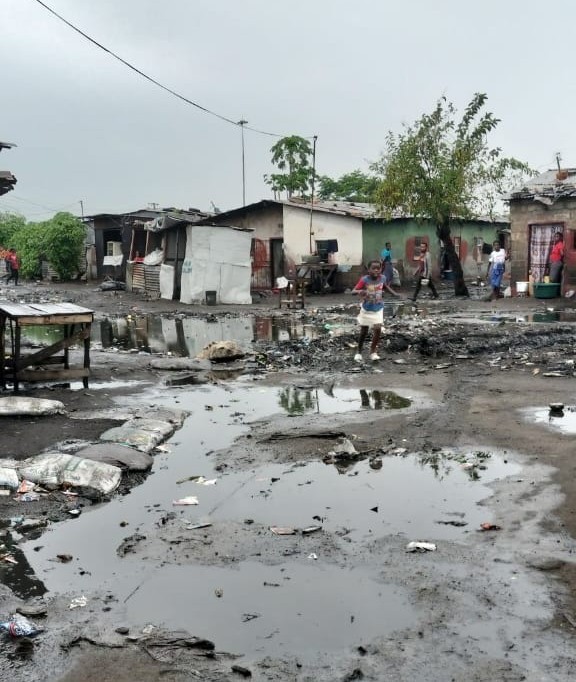
Stagnant water and poor drainage in unplanned settlements create flooding, unsafe living conditions, and serious health risks for residents.

Sns share!

  • X (Twitter)
  • linkedIn
To the list page