
Unlocking Prosperity: How JICA is fueling Zambia’s efforts to build a resilient and sustainable rice value chain.
2026.03.17






Throughout its history, Zambia has been widely known and respected for its agriculture potential that is anchored on its admirable arable land, water bodies dotted across the width and breadth of the country as well as soils that can support the growing of a wide array of crops. Maize production has dominated crop production, mostly driven by the demand for the nations staple food, nshima.
Maize is so important in Zambia such that, at times, maize production is synonymous with agriculture. However, this script is changing as the country witnesses a diversification in the diets of the populace. As the middle class grows, there has been a clear deviation from the nshima heavy diets that has characterized generations. As the demand for nshima slows down, the opposite is the case for rice.
According to the 2025 Cereals & Tubers National Food Balance Sheet by the Zambia Statistics (ZamStats), the country produced only 39,457mt of paddy rice against national demand of 95,243mt, meaning the country will have to import 55,138mt. These statistics are a stark reminder of the amount of work that needs to be put in place to attain self-sufficiency in rice production.
To streamline and structure the status of the rice value chain, Zambia, as a member of the Coalition for African Rice Development (CARD) initiative, is implementing the Third – National Rice Development Strategy (T-NRDS) which lists the critical challenges facing the value chain such as limited access to quality rice seeds, limited availability of extension staff and irrigation as well as low levels of mechanization among others.
JICA is implementing various projects aimed at supporting the implementation of the T-NRDS through a holistic approach with projects ranging from the research and development component right through to mechanization, post-harvest, market penetration and linkages. Notably, JICA is implementing the following projects:
Market-Oriented Rice Development Project (MOReDeP)
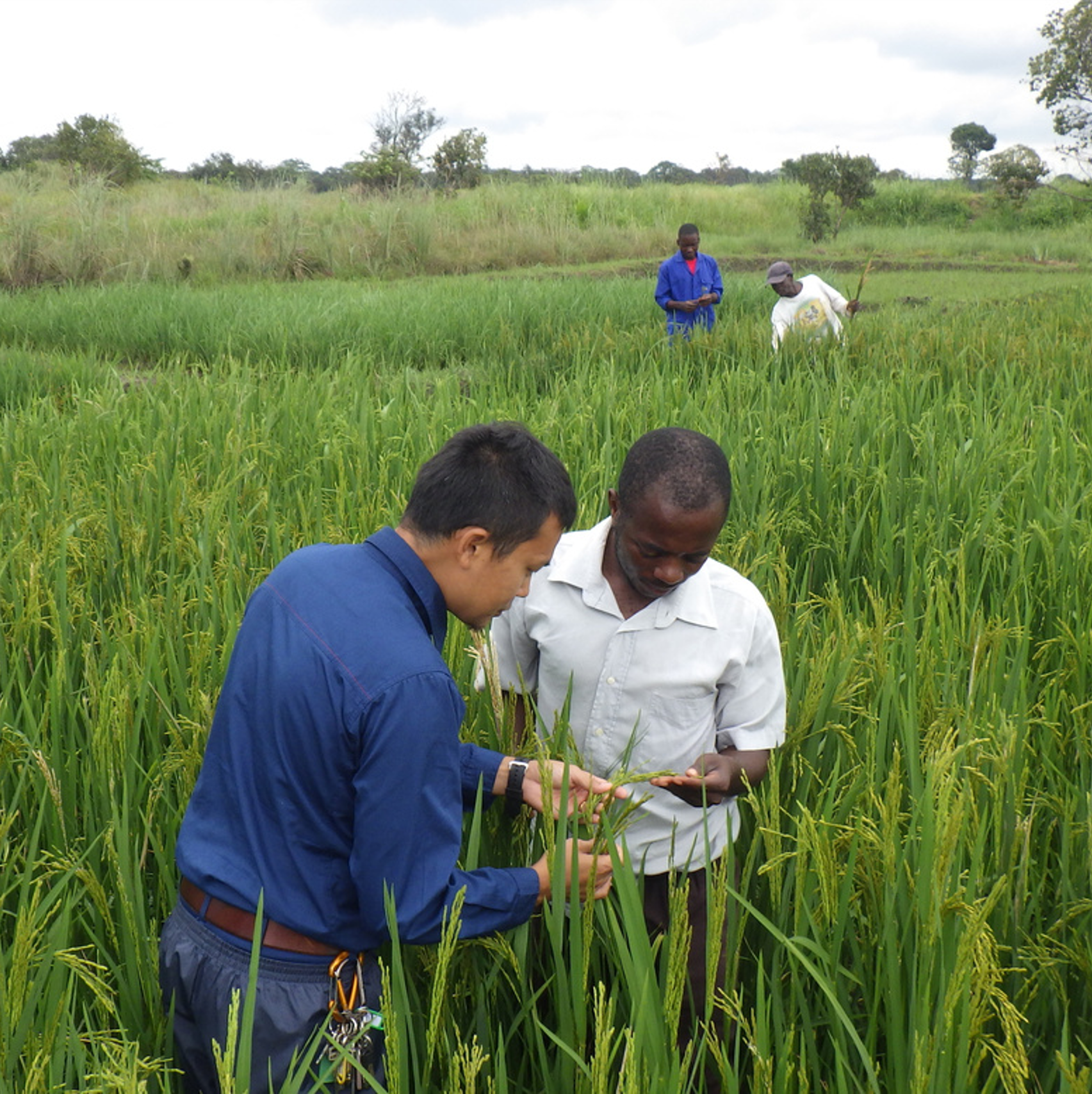
A 6-year project implemented in Western, Lusaka and Luapula provinces with three outputs tackling rice Research, Extention and Marketing. Through the project, impactful activities such as seed production, development of cultivation techniques and technologies, harvest & post-harvest handling, mechanization and variety development were undertaken with a transformative impact on 12,215 rice farmers, out of which 6, 366 were females. Other benefits include the donation of 49 motorcycles to support the delivery of extention services, construction of a 0.5ha rice field with irrigation at ZARI Mt. Makulu, registration of 3 rice seed varieties and donation of agriculture implements to ZARI Mansa. To consolidate these gains, a follow up project dubbed MOReDeP 2 has been approved by the JICA & Zambia.
The Project for Development of Seed Production Field and Training Facility at ZARI Mansa Research Station.
This transformative grant project will see the construction of the first ever rice training centre in Luapula province as well as a 6.5 hectares rice seed production field with irrigation system fully fitted to ensure stable seed production. The rice training centre will also be a centre for cultivation techniques and mechanization as the grant will come with various agriculture equipment such as rice millers, tractors, shellers and sorters. The centre will cater for the training of both government staff and farmers.
The Project for the establishment of an Immediate Rice Variety Development System using Anther Culture and Citizen Science.
Based on JICA’s Science and Technology Research Partnership for Sustainable Development (SATREPS) scheme, this is another groundbreaking intervention by JICA that has brough together scientists from the Zambia Agriculture Research Institute (ZARI) and the University of Zambia (UNZA) school of agriculture to collaborate with Japanese experts to breed the first ever rice variety that will be tailored for Zambia.
Capacity building and technology transfer
Apart from the projects, JICA is also building the capacity of various government staff by availing opportunities for short and long-term trainings on various aspects of rice production ranging from seed breeding and production to market strategies.
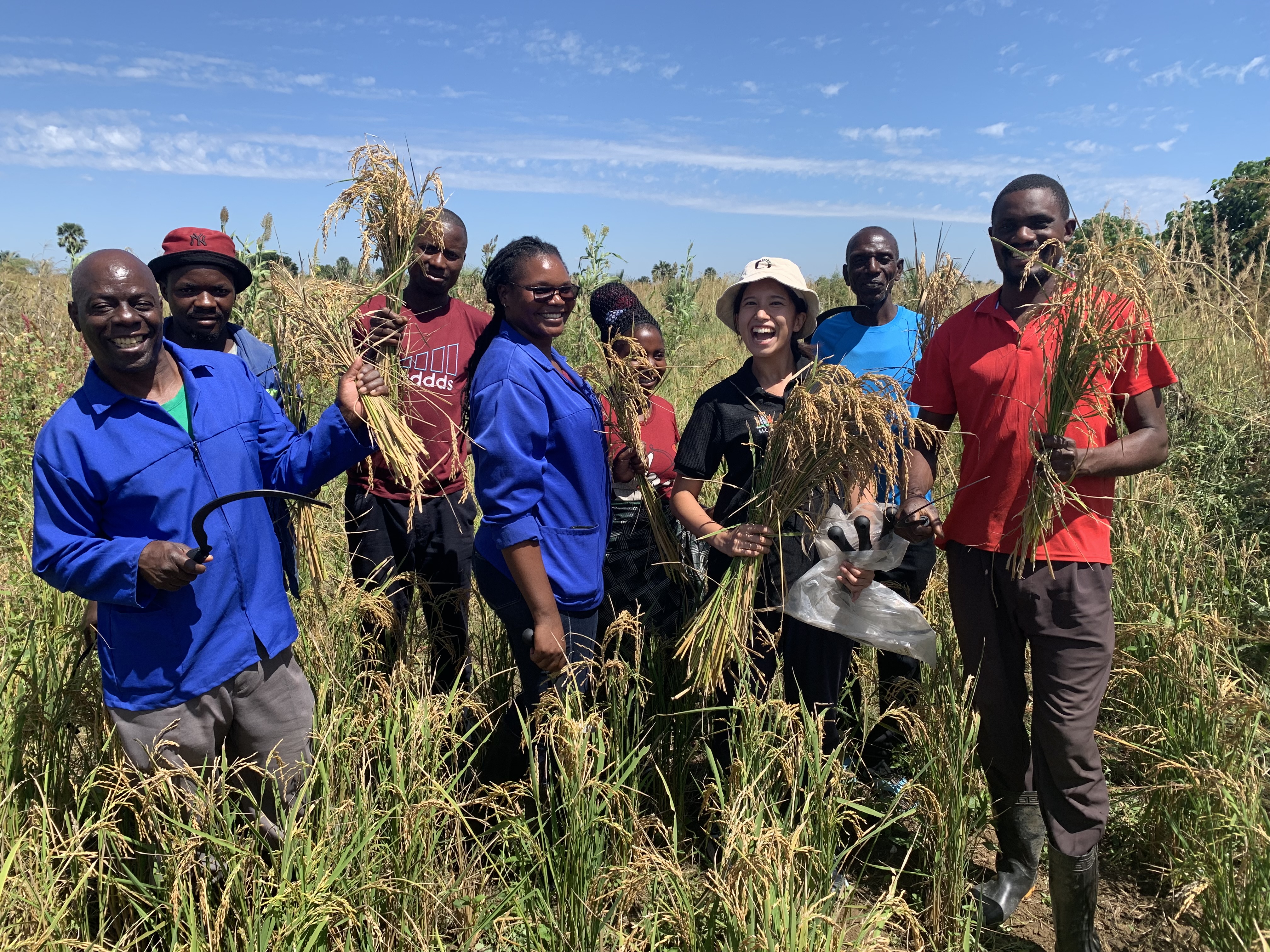
Through these projects, JICA’s dedicated efforts are demonstrably vital to the sustainable development of the rice value chain. The strategic interventions in improved seed varieties, farmer training, mechanization and critical post-harvest infrastructure and knowledge, this will lead not only to increased yields but also enhanced market linkages. This comprehensive approach is setting the stage for greater food security, enhanced rural livelihoods, and a more resilient, self-sufficient rice sector with the capacity to avail economic opportunities for various value chain actors.
Sns share!


