





scroll


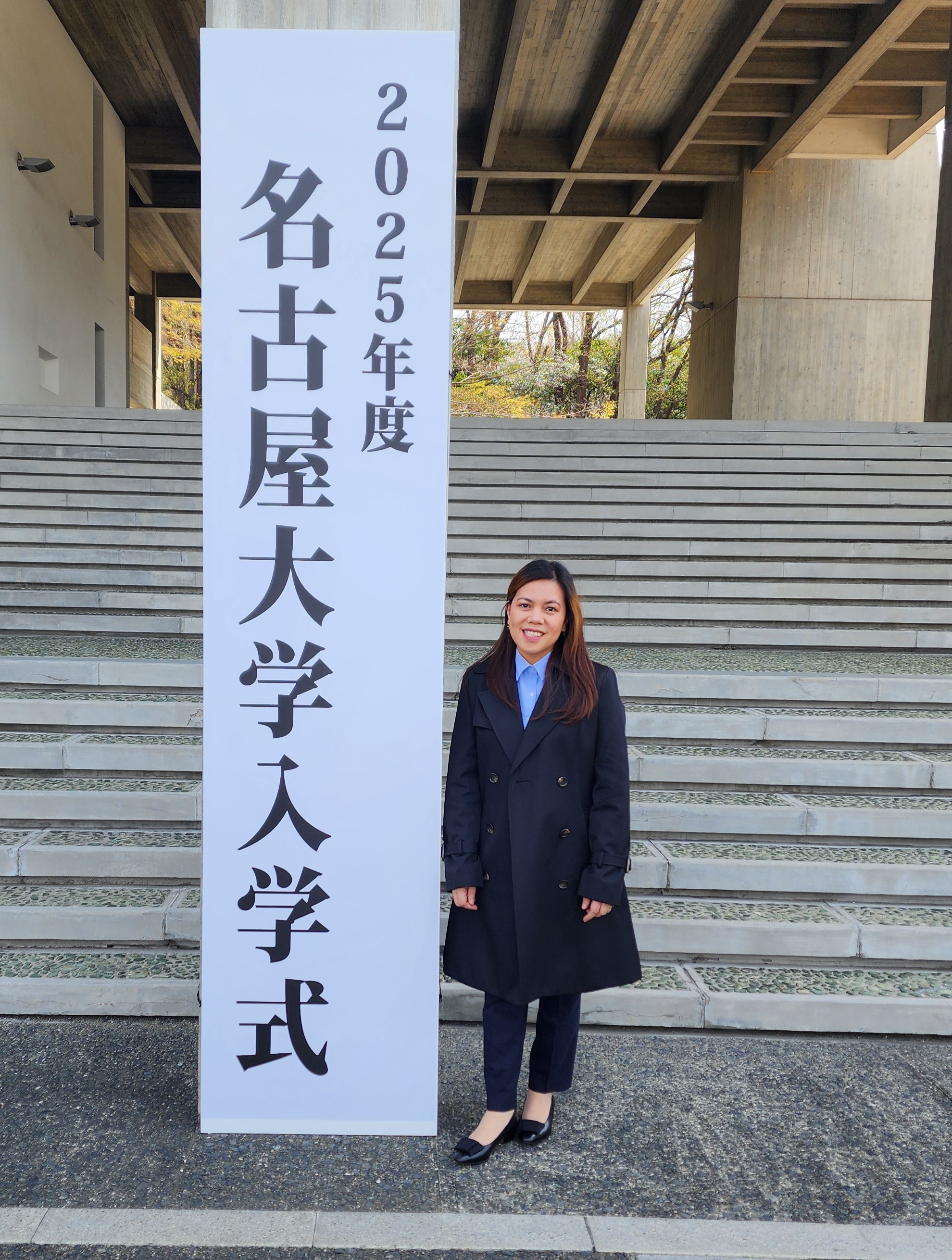
We interviewed Ms. Ev Parac ANGELES, a long-term participant from the Philippines who enrolled in the Graduate School of Bioagricultural Sciences at Nagoya University in October 2024.
She came to Japan as a long-term participant under JICA’s Agricultural Science Network for Food Security (Agri-Net) program.
(Interviewer: JICA Chubu, Training Division)
Please introduce yourself.
I am Ev Angeles, a student at the Graduate School of Bioagricultural Sciences at Nagoya University. I grew up in Leyte, one of the poorest provinces in the Philippines. I think living in the countryside all my life fueled my interest in working in the agriculture sector.
Before coming to Japan, what kind of work or activities were you engaged in? What motivated you to pursue higher education in Japan?
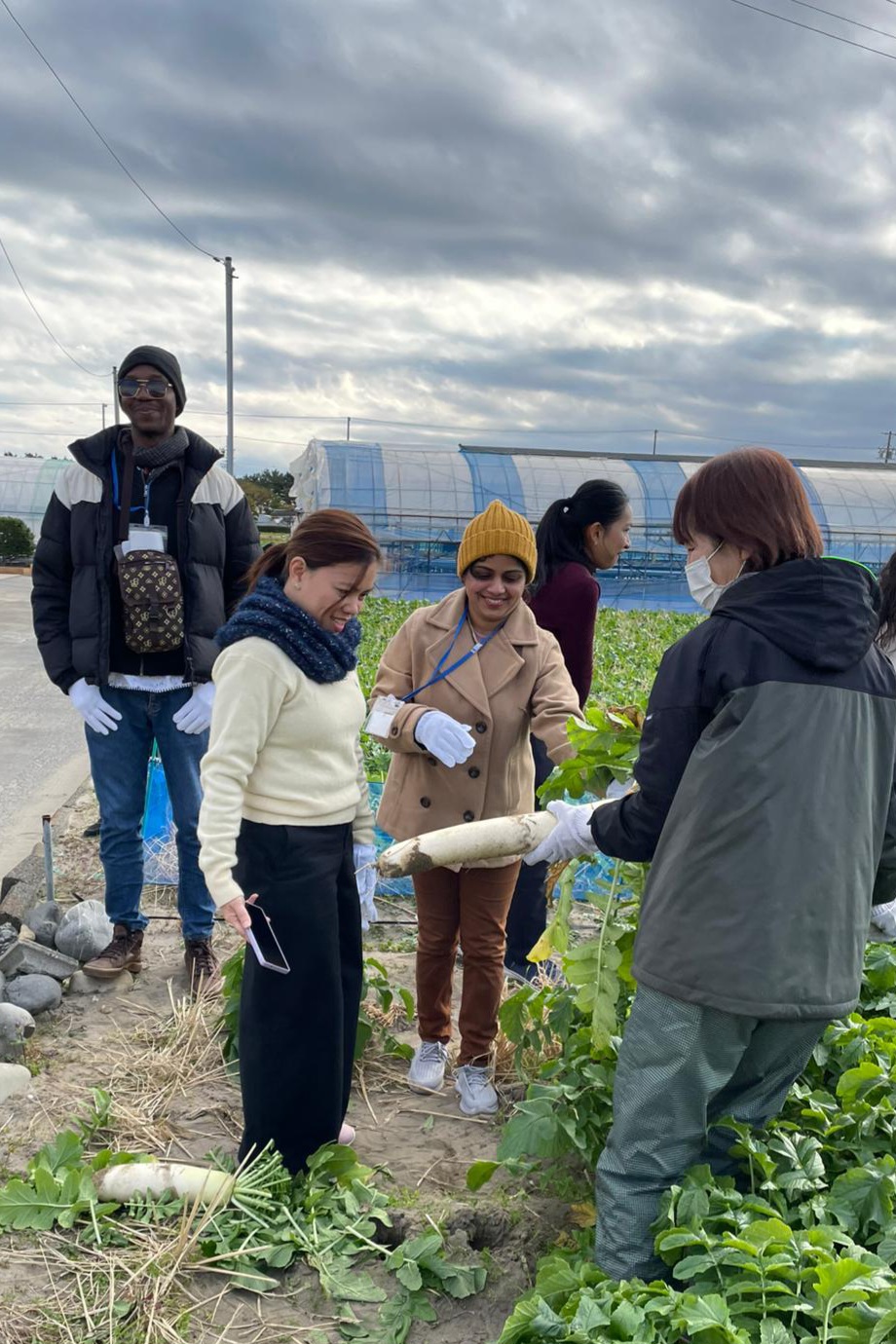
Before coming to Japan for my PhD, I worked as a development specialist at the Philippine Rice Research Institute (PhilRice), the country’s primary R&D institution for rice. There, I designed training program and other development projects to build the capacity of farmers and extension partners. By pursuing further studies, I hope to be able to serve more Filipino rice farmers and help uplift more farming communities.
Shortly after arriving in Japan, what surprised you the most or left a strong impression on you?
I’ve lived in Japan as a scholar before, so the experience is not entirely new for me. Perhaps a lot has changed physically since I last lived here, but what’s impressive is seeing that the discipline, respect, and collective mindset of the Japanese people remain the same.
What were the biggest challenges you faced at the beginning of your life or studies in Japan?
In the Philippines, I lived with my family (husband and two kids), so the transition to living alone as a student in Japan was a challenge at first. Waves of loneliness would hit me from time to time. Fortunately, there are several opportunities to wind down when things start to feel heavy. The JICA and IF events help a lot!
Now that about a year and a half has passed since your arrival, in what ways do you feel you have grown or developed?
Coming to Japan, my goal was to make sure I do not go back home the same person – that I would come as an empty glass. Now almost halfway through my studies, I think I am already overflowing with new learnings and perspectives. Because it takes patience, discipline, and perseverance to battle through graduate school, I feel that I have become not just knowledgeable in my field but also more resilient as a person. It’s a humbling experience.
Is there any perspective or insight you gained in Japan that would have been difficult to obtain in your home country?
Honestly, I find it difficult to pinpoint a specific experience. I think that being immersed in the Japanese culture and society while studying, itself, is already an unforgettable experience. The overall personal growth from the combination of intellectual stimulation, new social/cultural interactions, and daily struggles of living outside my comfort zone would not be the same had I stayed in my home country.
Do you have any advice for future participants to Japan?
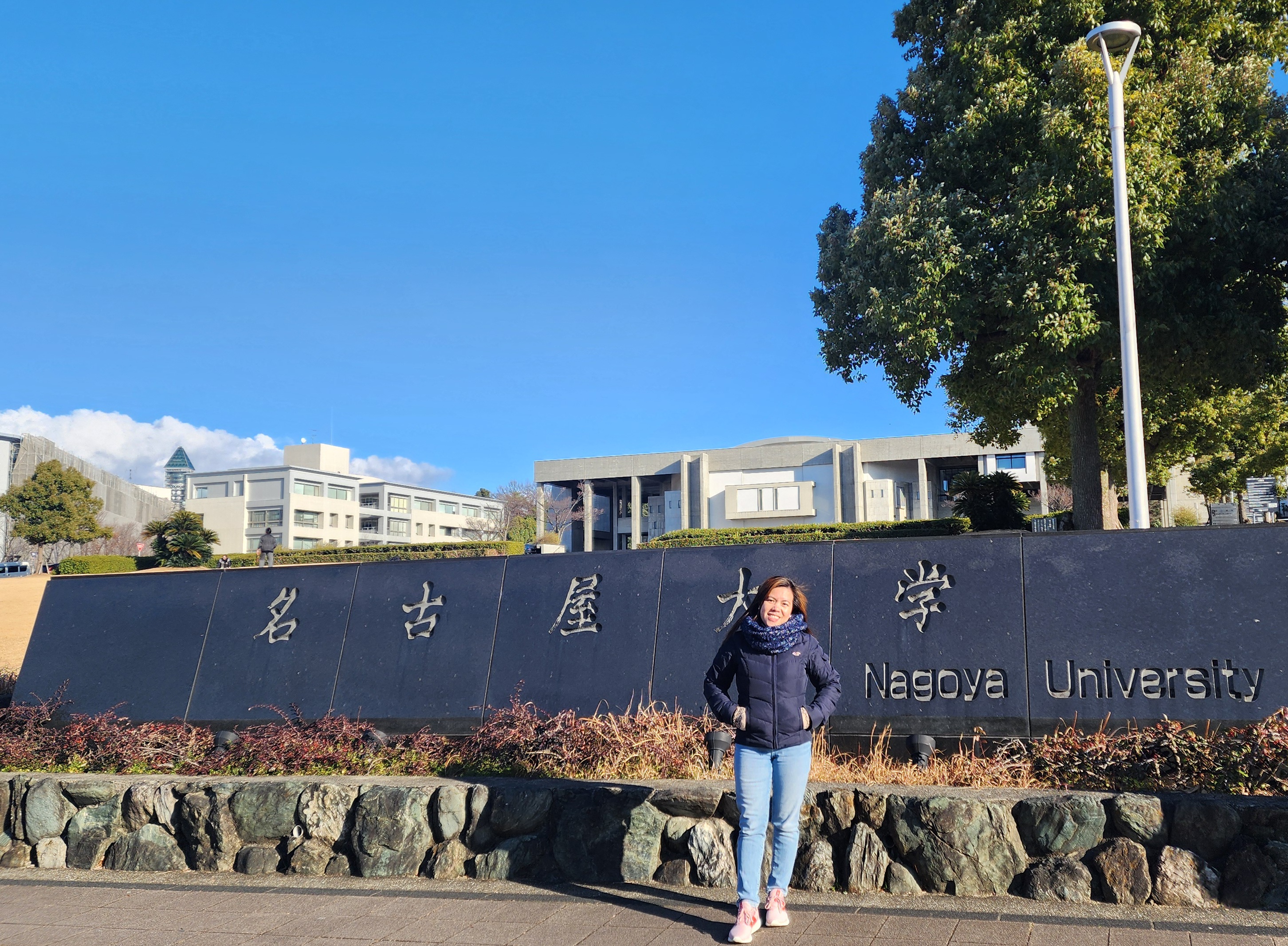
Not everyone gets the opportunity that has been given to us by the Japanese people through JICA. So let us be responsible scholars. As we go through this academic journey, not everything we will see, hear, and experience will be positive. And at times, it will be overwhelming. But if we treat everything as a learning experience, we will grow from it every day. Let’s enjoy the JaFun way!
If you have a message for Japan, please feel free to share it.
I am truly humbled by the trust you gave me through this JICA scholarship. Thank you very much; it is an honor to learn from you. I cherish this experience with a grateful heart and I will make the best of it, so that from this opportunity, I will be able to help more rice farmers and farming communities in my home country.
- 関連リンク JICA留学生の受け入れ
- 関連リンク 留学プログラム一覧