





scroll


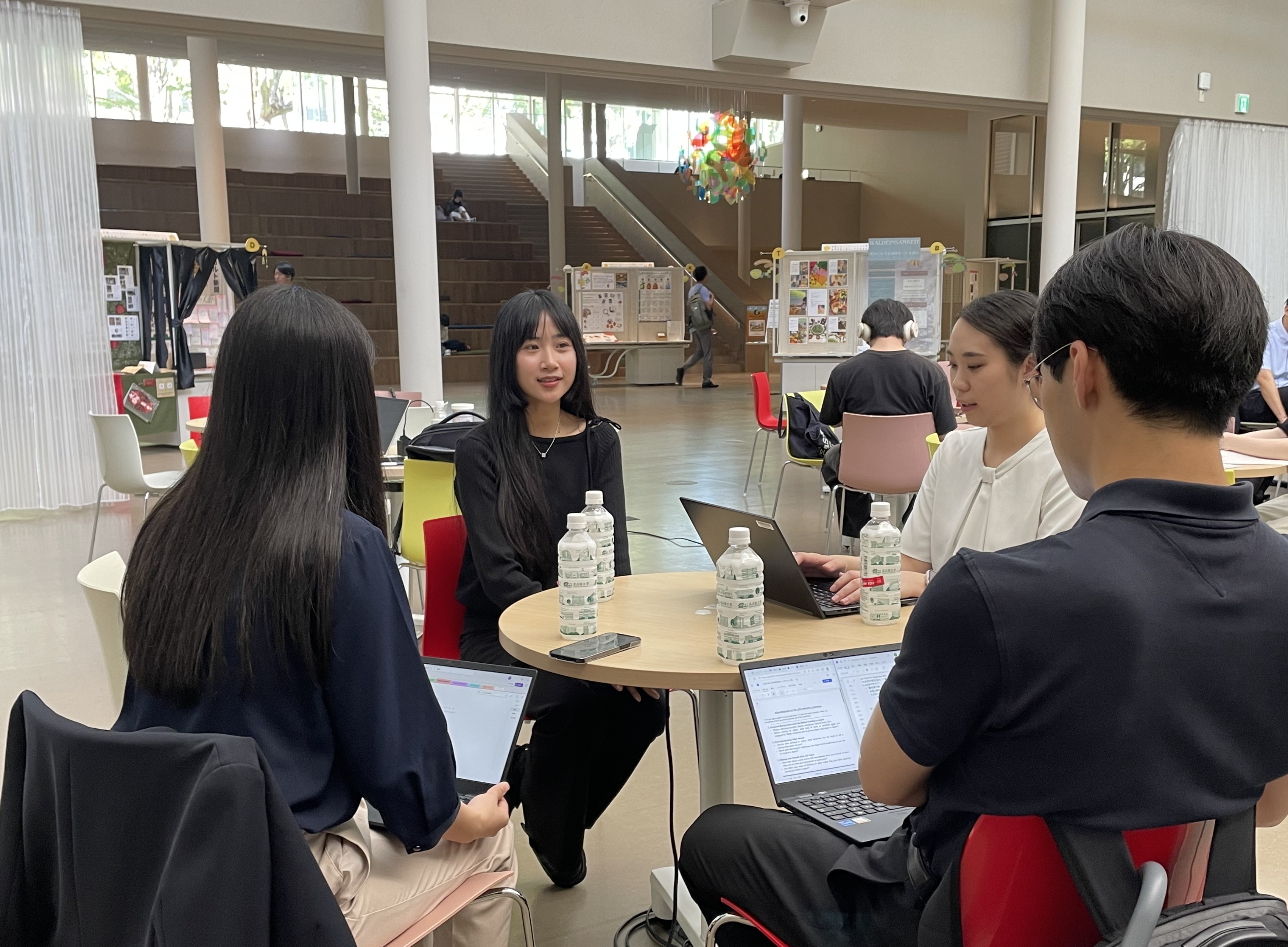
We interviewed Ms. Lim Sysy Meymey, a JICA long-term training participant from Cambodia who enrolled in the Graduate School of Law at Nagoya University in October 2024.
She came to Japan as a JICA long-term training participant under the program “Legal and Judicial Human Resources Development”.
Please introduce yourself.
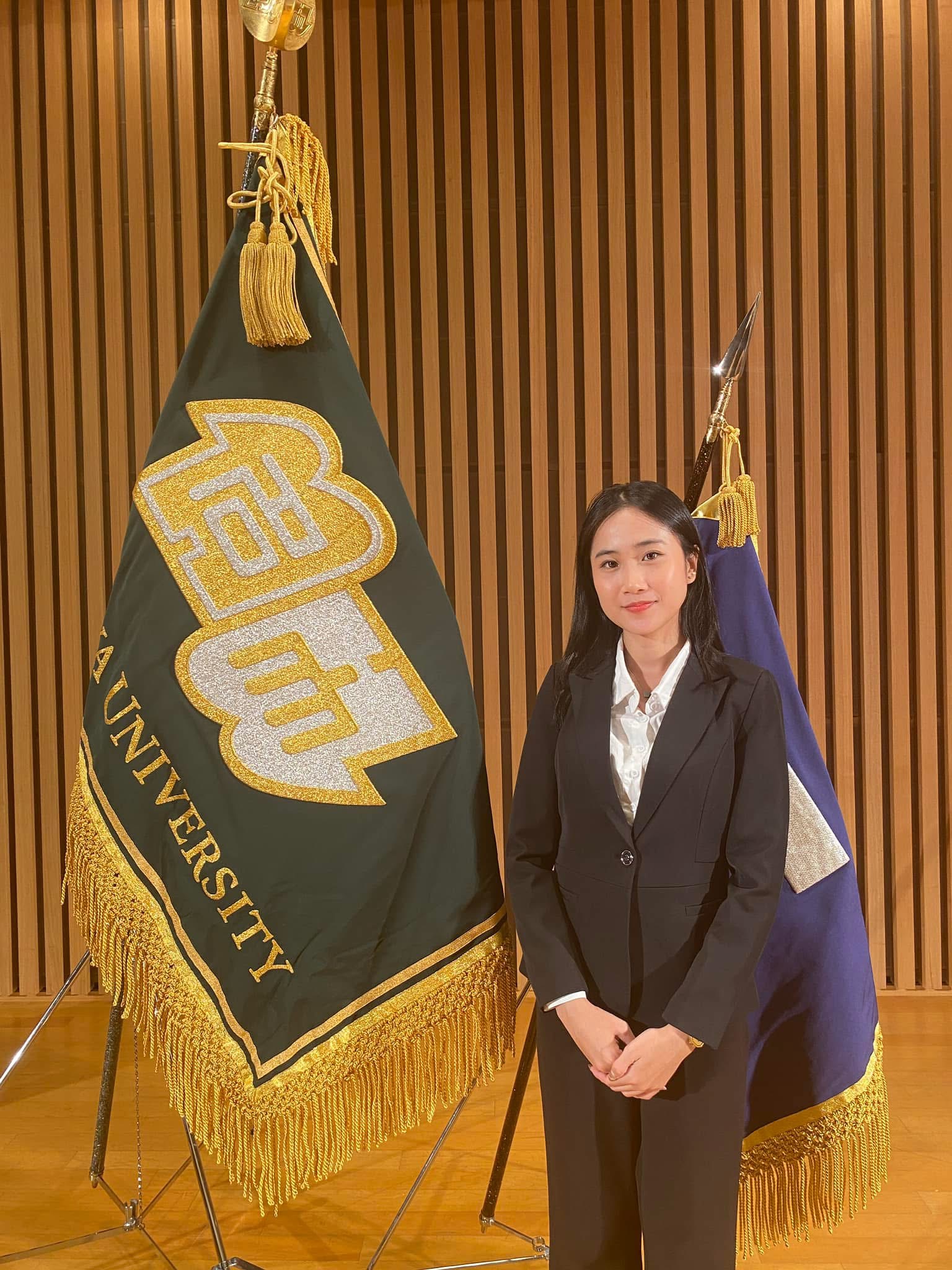
My name is Lim Sysy Meymey, and I am from Cambodia. I came to Japan under JICA’s scholarship program, “Legal and Judicial Human Resources Development” and I am currently enrolled in the Graduate School of Law at Nagoya University.
Why did you choose Japan as your study destination?
I was born in Kratie Province in Cambodia, which is well-known for its Irrawaddy dolphins. Since childhood, I often heard from my family and people around me that Japan is a country with advanced technologies, especially in fields such as electronics and automobiles. This made me increasingly interested in Japan.
A turning point came during my university years, when I chose Japanese as my foreign language. My university had a Center for Japanese Legal Studies (CJL), where I studied the Japanese language, as well as Japanese history and culture, in my first and second years. From the third year onward, I studied Japanese law in Japanese.
The center had both Japanese professors and Cambodian faculty members who had studied in Japan. Through them, I learned about Japan’s support for legal development in developing countries, including civil law and civil procedure. In my third year, I had the opportunity to study at Nagoya University as an exchange student. This experience inspired me to further deepen my research in the field of law, and I decided to pursue graduate studies at Nagoya University.
What is your research topic in your master’s program?
Currently, I am conducting comparative research on administrative law in Cambodia and Japan. Specifically, I focus on land disputes in Cambodia and examine related issues from the perspective of administrative law.
Since Cambodia does not have a general law equivalent to Japan’s Administrative Procedure Act, I aim to deepen my understanding of Japan’s legal systems and theories and contribute to the development of Cambodia’s legal system through my research.
What impressed you most about life in Japan?
One of the most striking impressions I had was the cleanliness of cities in Japan. I was surprised to see that there is almost no litter on the streets.
At the same time, I sometimes experienced confusion due to cultural differences. When I first arrived in Japan, I felt a bit lonely when my tutor did not respond to my greetings. In Cambodia, once you meet someone, it is natural to exchange greetings regularly.
However, as I have become accustomed to life in Japan, I find myself behaving in a similar way when I am busy. This has made me realize how I am gradually adapting to the environment.
What have you come to like about life in Japan?
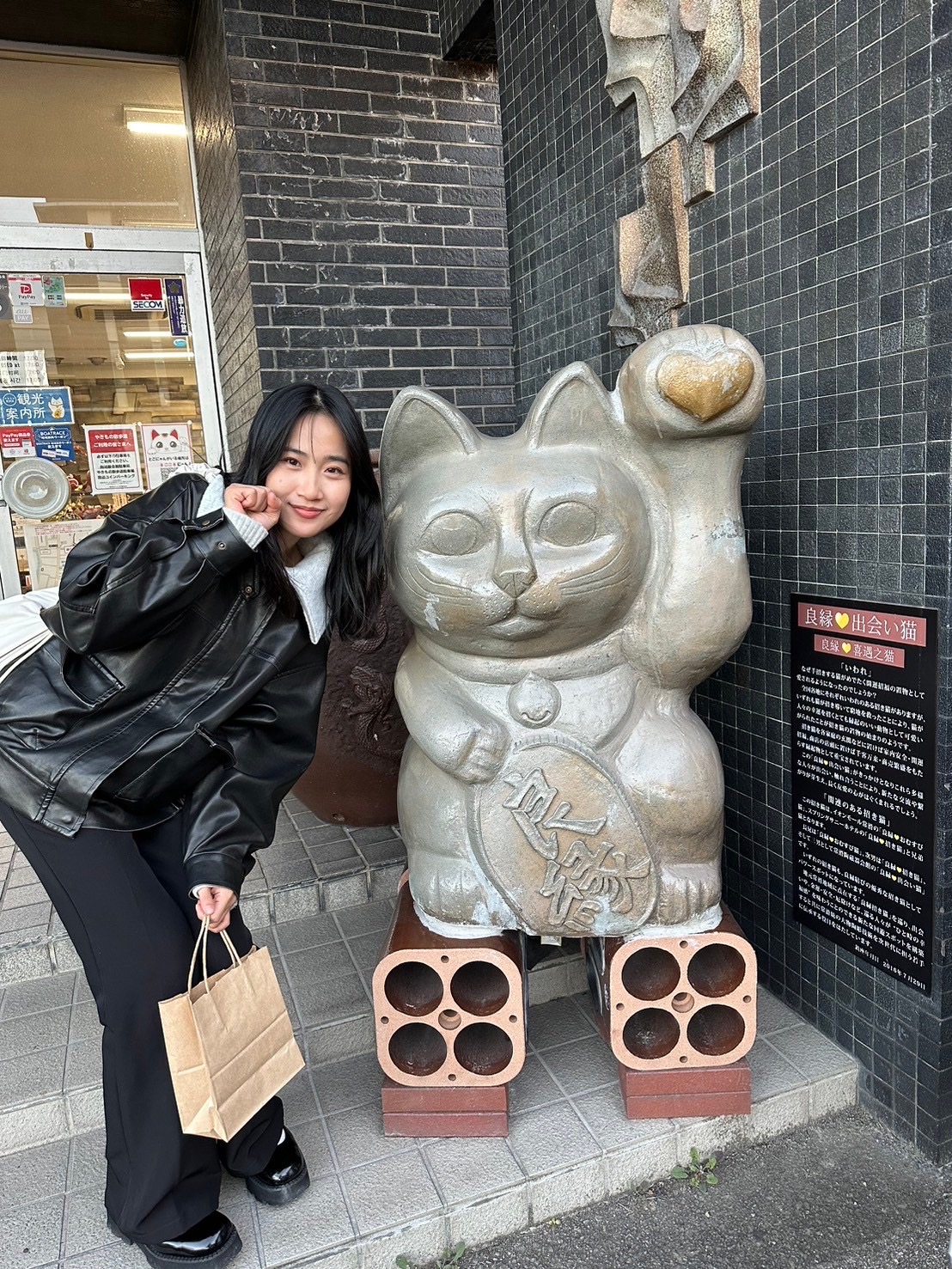
There are many things I have come to enjoy in Japan. One of the most memorable experiences was eating Matsusaka beef sukiyaki in Mie Prefecture. I still remember how delicious it was. Among Japan’s four seasons, I especially like winter. I have always preferred cold weather, and experiencing snow for the first time—something I cannot see in Cambodia—was very exciting. I feel that the seasonal changes and the way people enjoy them are one of the great attractions of living in Japan.
Could you tell us about your friends at the university?
At graduate school, I study with students from many different countries. I often exchange ideas with a friend from Uzbekistan, asking each other about our research progress, which motivates both of us. A friend from Mongolia is very kind and supportive in my daily life. When I first came to Japan, I sometimes felt homesick. However, I was able to overcome it by learning to enjoy my own time and by staying in touch with my family back home through phone calls. Now, I feel settled and am enjoying a fulfilling student life.
How did you improve your Japanese language skills?
I have made various efforts to improve my speaking skills. In addition to daily conversations with friends, I practice shadowing using Japanese dramas and music.
For example, I repeatedly watch and listen to works such as Kujō no Taizai and First Love, as well as songs by YOASOBI and Hikaru Utada, and practice imitating their pronunciation and expressions. By enjoying the learning process, I feel that my expressive ability has improved naturally.
What are your career goals after returning home?
After completing my master’s program, I plan to continue my studies in a doctoral program. In the future, I hope to work as a civil servant at Cambodia’s Ministry of Interior and contribute to the development of my country’s legal system. Specifically, I aim to promote legal reforms that respond to social changes and to strengthen the capacity of local government officials.
Interviewer’s Comment
She shared her aspirations in fluent Japanese, expressing her dream of contributing to a more equitable legal system in Cambodia as a public servant. It was particularly impressive that she is tackling a highly specialized research topic in her master’s thesis, comparing administrative law in Japan with Cambodia’s legal framework, and plans to continue her research at the doctoral level at Nagoya University.
Her positive attitude toward overcoming language and cultural barriers, along with her ability to adapt and enjoy life in Japan, reflects both determination and flexibility. Through her experience, we were reminded of the significance and impact of JICA’s long-term training programs.
- 関連リンク JICA留学生の受け入れ