




scroll


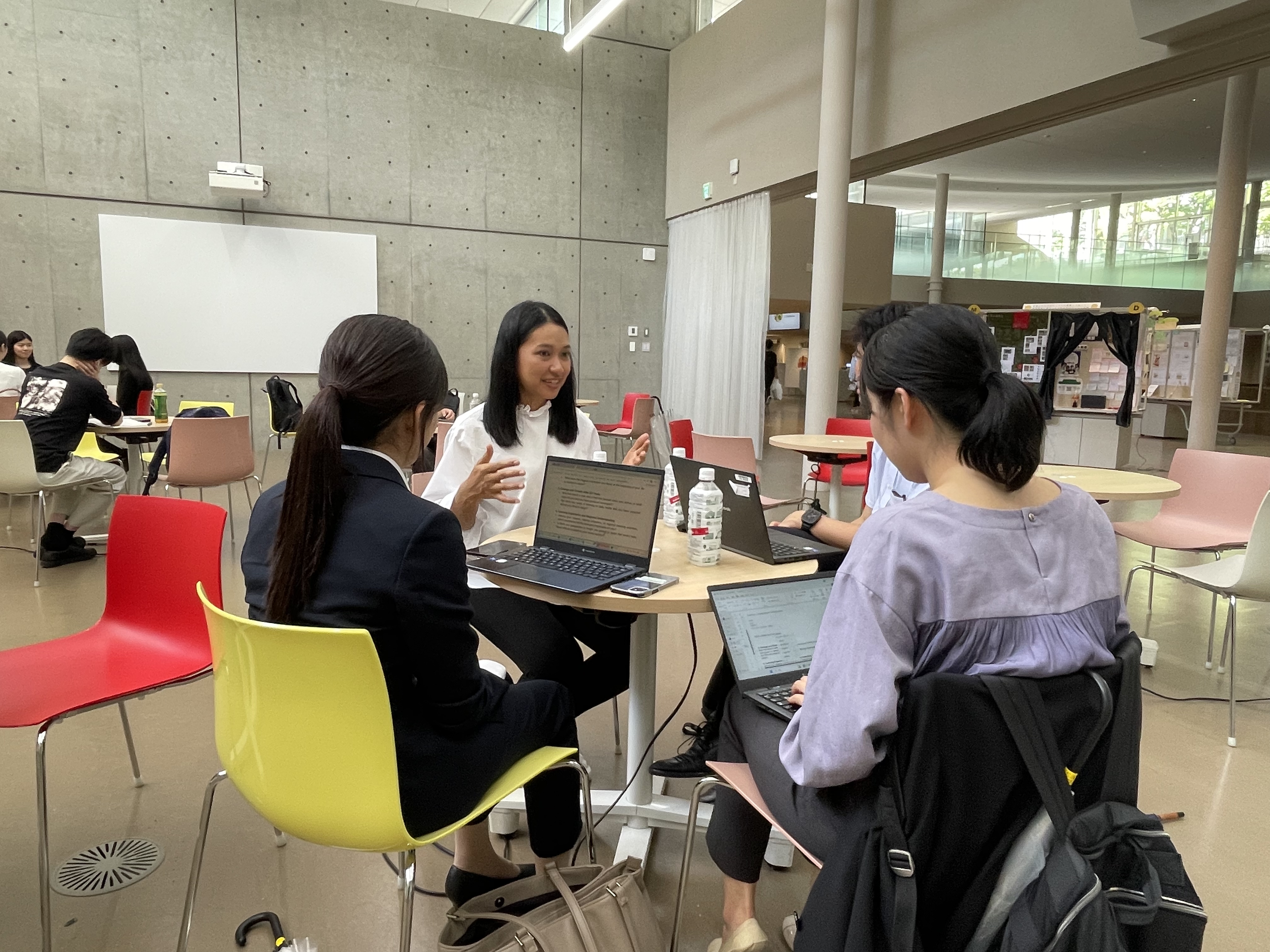
We interviewed Ms. Sineenat Unburee, a long-term training participant from Thailand who enrolled in the Graduate School of Environmental Studies at Nagoya University in April 2025.
She came to Japan as a JICA long-term training participant under the “Climate Change Policy Program”.
Please introduce yourself.
My name is Sineenat Unburee, and I am from Thailand. I worked for a government agency for eight years. Currently, I am pursuing research on flood-related issues at the Graduate School of Environmental Studies, Nagoya University, under JICA’s “Climate Change Policy Program.”
What did you do before coming to Japan?
In my home country, I worked at the Ministry of Natural Resources and Environment, specifically in the Department of Climate Change and the Environment, where I was engaged in work related to sustainable urban development. Sustainable urban development refers to an integrated approach to urban planning that combines multiple elements such as well-being, good governance, socio-economic development, and environmental conservation.
What motivated you to apply for the JICA program, and what are you currently studying?
I learned that JICA was recruiting students in the environmental field and decided to apply in order to further enhance my professional expertise. Currently, I am conducting research on flood risk and aiming to obtain a doctoral degree in environmental architecture and engineering. I hope to apply the knowledge and experience I gain in Japan to my work after returning to my home country.
What impressions have you had since coming to Japan?
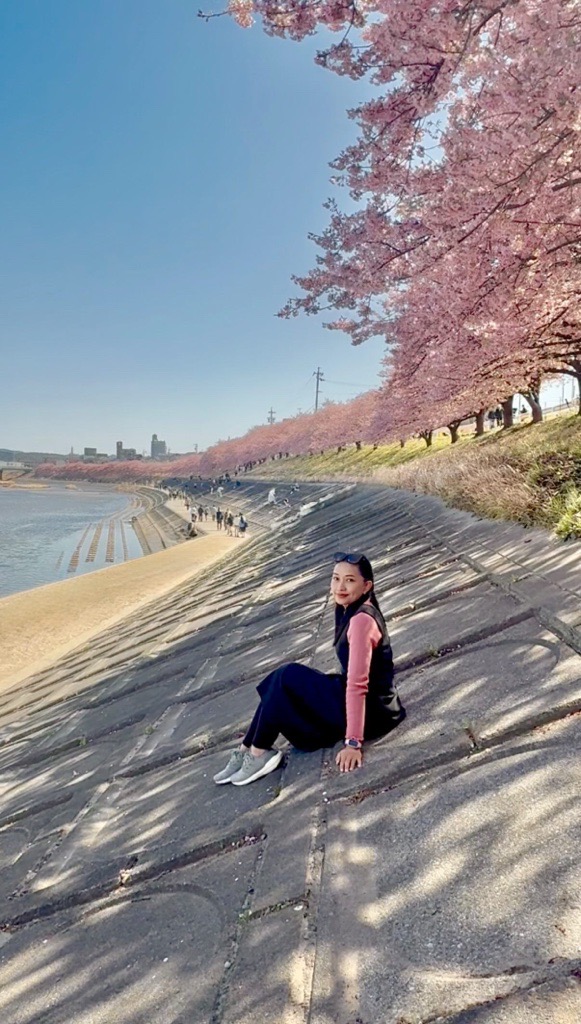
I find Japan to be a very attractive country. In fact, I visited Japan about ten years ago, and since then I have always wanted to see cherry blossoms with my own eyes.
When I arrived in March 2025, the cherry blossoms were in full bloom, and I felt it was almost fate that I could visit Japan again as a JICA long-term training participant.
At the same time, I sometimes find it challenging to adapt to differences in language and culture, but I also consider these challenges to be valuable experiences.
How do you feel about your program?
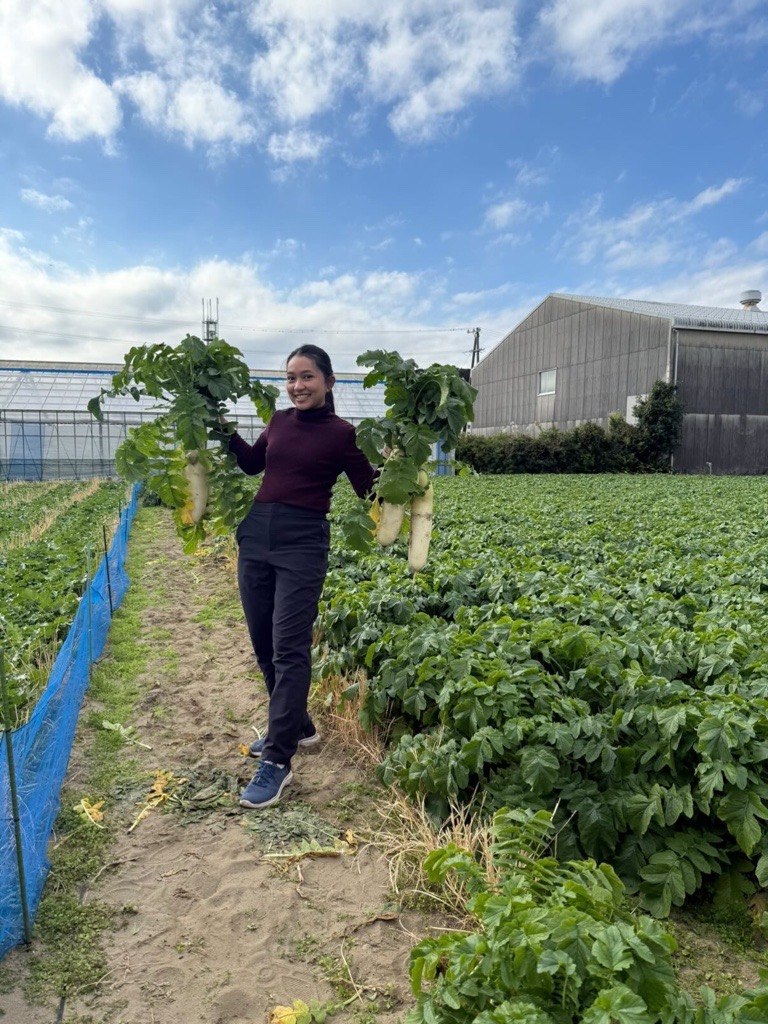
I believe this program is a rare and highly meaningful opportunity. In addition to gaining specialized knowledge, I have also learned about Japanese approaches and ways of thinking. I was particularly impressed by the opportunity to exchange ideas with students from other universities. Furthermore, programs such as the Regional Understanding Program(*) in Shizuoka have allowed me to interact with participants from different countries, which I find especially valuable.
What message would you give to future participants and readers?
I would like to express my sincere gratitude to JICA for providing such a wonderful program and valuable opportunity. This program not only allows us to deepen our academic knowledge but also offers a great chance to learn about culture and language.
Through learning a new language, I feel that my future career opportunities have expanded. I would encourage anyone interested in challenging themselves abroad to take the first step.
Interviewer’s Comment
She is studying topics closely related to her professional experience, and it is easy to envision her applying these outcomes and contributing significantly after returning to her home country. While she has faced challenges such as language barriers and cultural differences—common in long-term training programs—her strong determination to overcome them left a lasting impression. Not only focusing on her academic work, she also enjoys Japanese culture, including cherry blossoms, and we hope she will continue to have a fulfilling and enriching experience during her stay in Japan.
(*)Regional Understanding Program: The Regional Understanding Program aims to deepen JICA scholars’ understanding of Japan’s development experiences by introducing region-specific development practices cultivated across Japan. Through learning from locally rooted case studies, participants gain insights into practical approaches that may be applicable in their home countries.
- 関連リンク JICA留学生の受け入れ