
“Inside the World of JICA Students (Part 7)”
2025.12.19







At JICA Tokyo, we regularly feature JICA Scholars. We will sequentially share interview articles with international students conducted by Japanese university students participating in the JICA Internship Program.
Interviewer: TAMURA Ai (J.F.Oberlin University)

I interviewed Ms. Munkhtsetseg Tegshjargal from Mongolia, who is currently studying at Waseda University. I asked her about what led her to participate in JICA’s long-term training program, what she has felt and learned through her research and daily life in Japan, and her thoughts on Mongolian culture.
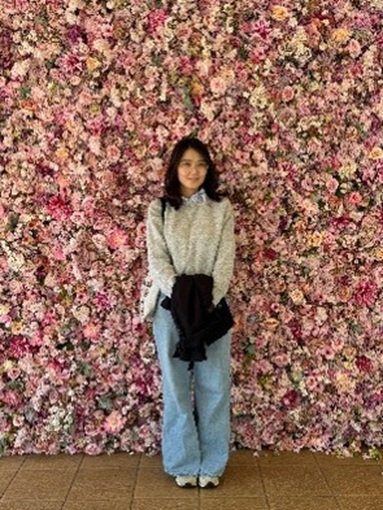
Ms. Munkhtsetseg
The reasons for applying to the JICA Scholarship lie in the fact that, at the school she attended during her childhood, she was exposed to Japanese culture such as origami and kimono, which naturally fostered a desire to “study in Japan.” In addition, while working, she met people who had participated in JICA’s long-term training program, and hearing about their experiences inspired her to deepen her own learning.
Ms. Munkhtsetseg’s research theme is “Monetary Policy and Inequality.” Before coming to Japan, She worked at the Ministry of Economy and Development of Mongolia, Mainly contributing to budget and development policy planning at national level. This experience led her to develop an interest in how policies affect people’s lives, which is why she chose this theme. The study adopts a cross-country analytical framework, enabling systematic comparison of key results across several developing countries. She hopes to apply the knowledge gained in Japan to contribute to Mongolia’s development.
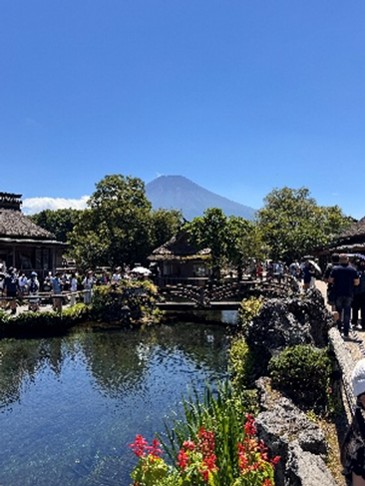
Unforgettable Scenery of Japan

What stood out to her most in Japan was the level of crowding in major cities like Tokyo—it felt far more intense than she had experienced before. She also hopes to learn more about Japanese traditions and history. Through friends, social media content, and various JICA events, she has been deepening her understanding of Japanese culture and the meanings behind it. At a JICA event she joined last autumn, she had the opportunity to experience traditional clothing, traditional games, and the process of preparing matcha. Every experience was fascinating and enriching.
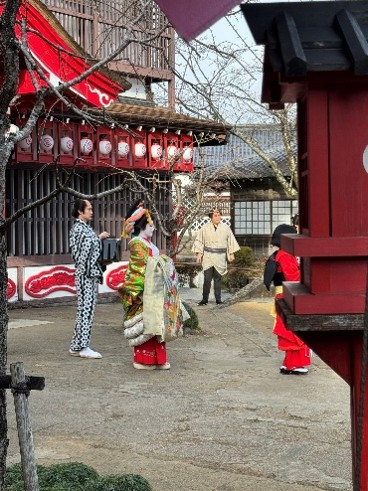
Exploring Japan’s Timeless Traditions
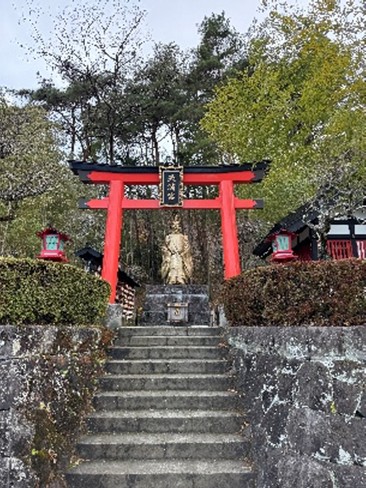
From her experience, adjusting can be challenging, but you’re never alone. Many others feel the same sense of loneliness or homesickness, and you are not the only one struggling. Once you start enjoying life here, everything becomes easier and more enjoyable.
What left the strongest impression on me in this interview were her comments that “when learning about another culture, it is essentially important to understand why people of that country do what they do,” and that “when you feel you cannot understand a culture, it is important to ask why.” I realized that, although I had often stopped at a surface-level understanding, learning about the background behind cultural practices can completely change how things appear and lead to a much deeper understanding of that culture.
When I told her that I am currently studying Mongolian horse culture and proverbs related to horses at my university, she shared many fascinating stories, including how people in Mongolia interact with horses. It was an incredibly meaningful and enriching conversation. Throughout the interview, I was also deeply impressed by Ms. Munkhtsetseg’s strong motivation to learn and her open-minded attitude toward understanding different cultures.
Sns share!


