
Inside the World of JICA Students (Part ⑯)
2026.03.19






The Graduate Course Program Division in JICA Tokyo is currently hosting Japanese university and graduate students participating in the 2025 JICA Internship Program. This article features an interview conducted by one of the interns with an international student from a developing country.
Interviewer: GOMI Soma (Tokyo University of Foreign Studies)
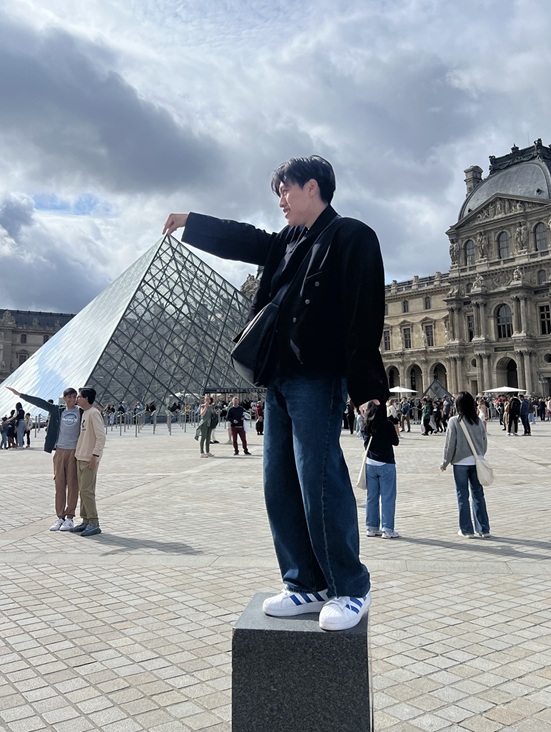
Gomi-san during his trip
This time, we interviewed Mr. OBI Kelechi (hereafter Obi-san) from Nigeria, who is currently studying at St. Luke’s International University. Alongside his graduate studies, Obi-san has worked as a Senior Medical Officer at Nigeria’s Federal Ministry of Health and Social Welfare, contributing to medical practice and public health initiatives. In this interview, he shared his experiences living and studying in Japan, as well as his vision for the future.
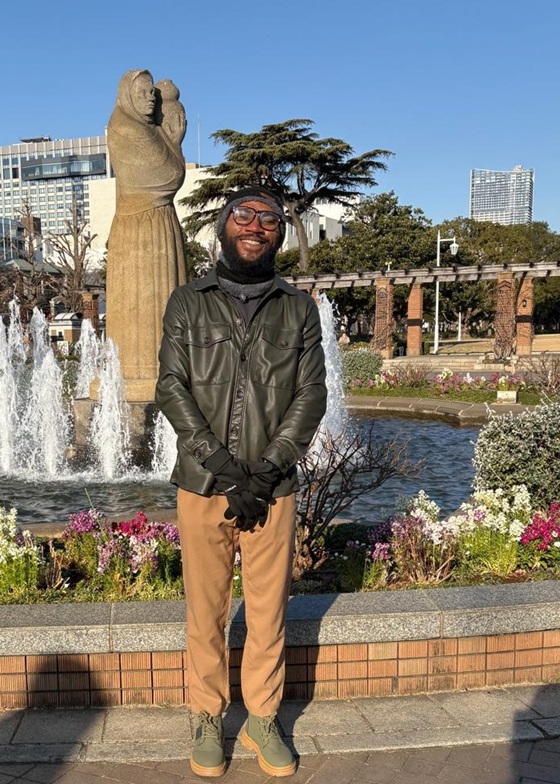
Obi-san explained that he applied for the JICA scholarship out of a strong desire to make Nigeria’s healthcare system more sustainable. Through his work as a physician and public health specialist, he had come to deeply recognize the importance of digital health. He felt that the JICA program—known for its focus on international cooperation and human resource development—offered the ideal environment for tackling these healthcare challenges.
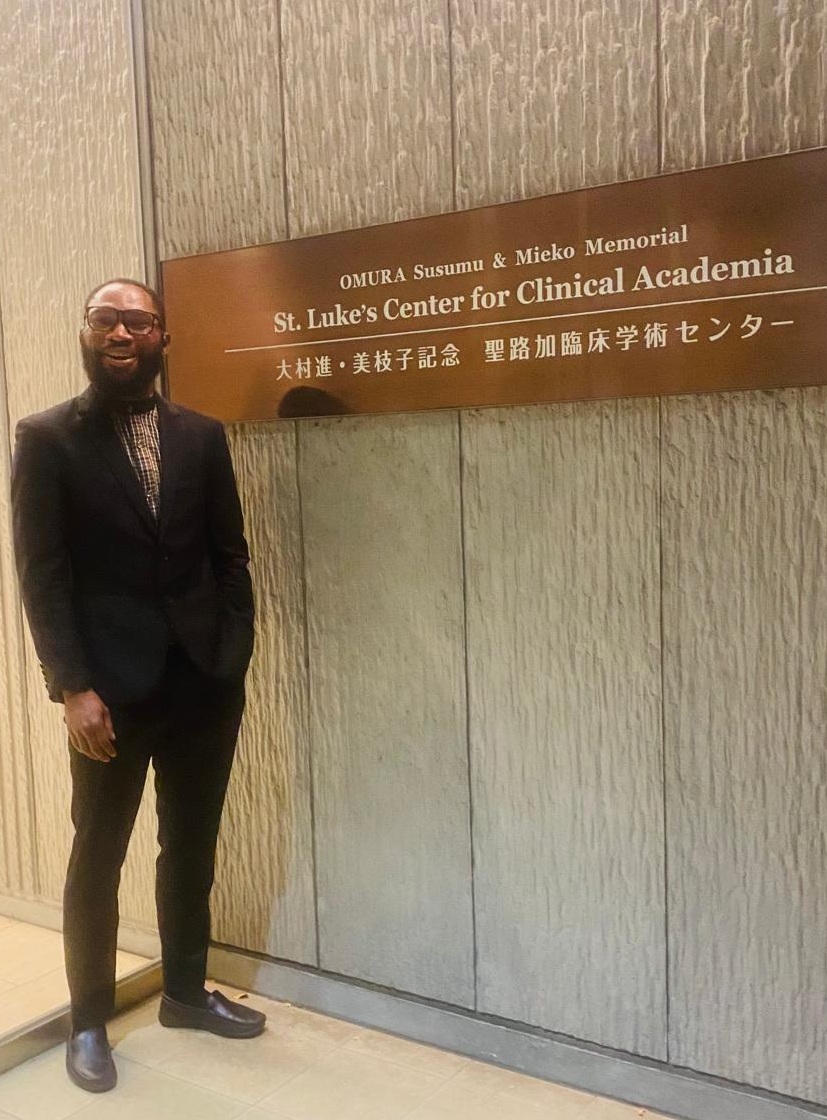
His research focuses on analyzing how medical professionals in health facilities across Abuja, Nigeria use digital health tools.
He aims to understand how widely such technologies have penetrated clinical settings, how they are being used, and what barriers exist to their implementation. The goal is to inform policy proposals that can help strengthen the health system.
In addition, he is conducting a separate study to assess Nigeria’s overall digital health maturity, hoping to contribute to national-level policymaking.
Upon arriving in Japan, one of the first things that surprised him was the quietness of public spaces. The way people naturally form lines while waiting for trains, and the general silence in public, was very different from Nigeria. He shared with a laugh that using chopsticks was challenging at first and still requires practice.
At the same time, thanks to opportunities to dine with classmates and professors, he has come to enjoy Japanese cuisine—especially miso ramen, which has become his favorite.
At university, he has been deeply engaged in studying public health, digital health, and policy analysis, significantly enhancing his research skills. Beyond campus, he joined internships at Japanese companies and even taught high school students about Nigerian culture, expanding his network and international exchange experiences.
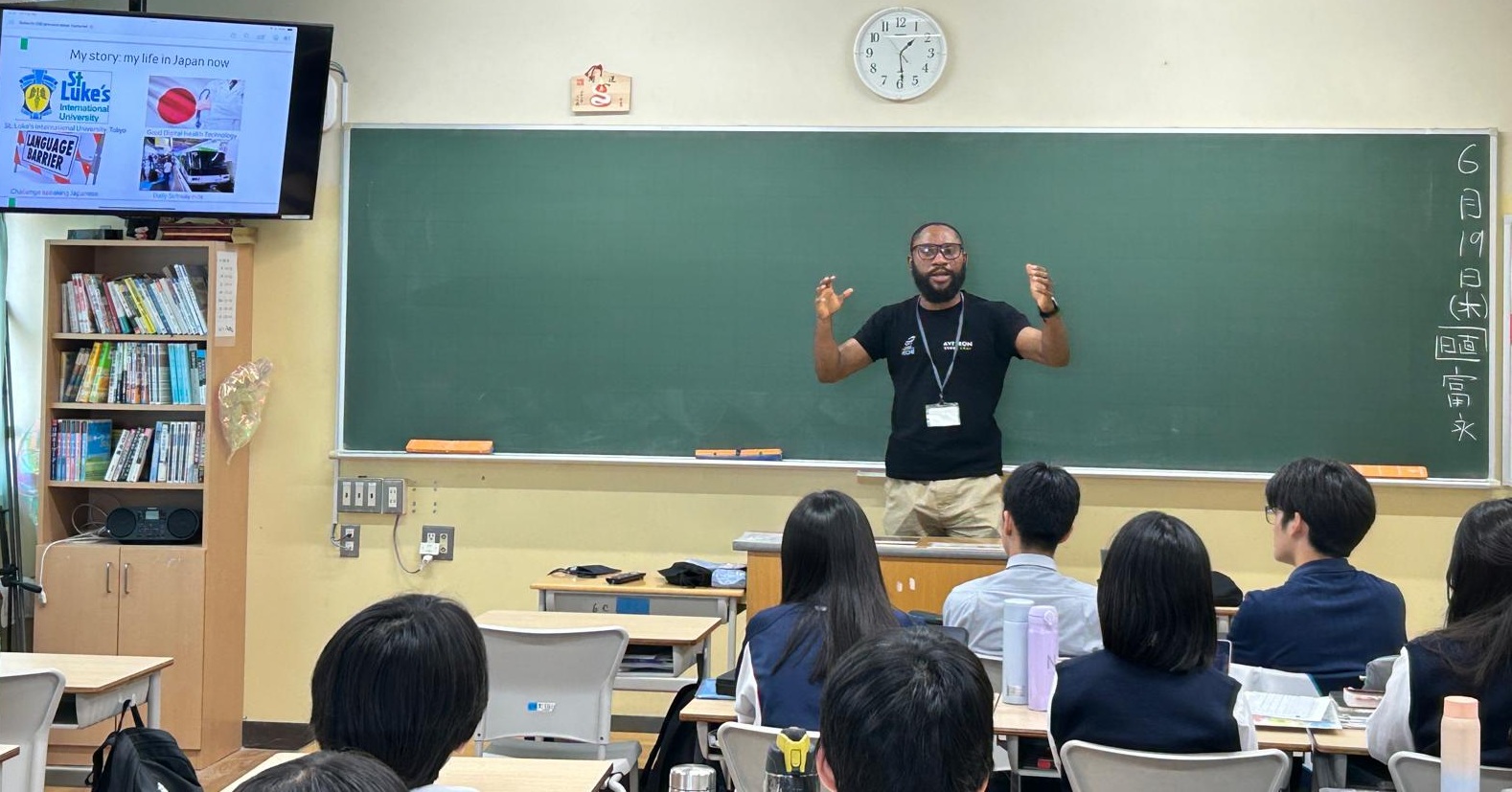
Looking ahead, Obi-san hopes to become a bridge between Japan and Africa in the fields of healthcare and technology. He has already been involved in initiatives that connect Japanese companies with healthcare organizations in Nigeria, contributing to projects that leverage Japan’s strengths in medical technology to support Nigeria’s health sector.
He also expressed his desire to improve the quality of healthcare services through digital health and to advance reforms at the policy level.
Obi-san impressed us as a leader who not only understands the complexities of healthcare challenges but also takes action with a clear vision for the future. His commitment to linking international cooperation, digital technology, and education—and applying these experiences to improve healthcare in his home country and across Africa—is particularly inspiring.
His proactive attitude in engaging with new environments, whether through friendships or cultural outreach, showcases both his adaptability and determination.
We look forward to seeing how his experience in Japan will contribute to advancing healthcare in Nigeria and throughout Africa.
Sns share!


