
Inside the World of JICA Students (Part ⑱)
2026.04.06





The Graduate Course Program Division in JICA Tokyo is currently hosting Japanese university and graduate students participating in the 2025 JICA Internship Program. This article features an interview conducted by one of the interns with an international student from a developing country.
Interviewer: GOMI Soma (Tokyo University of Foreign Studies)
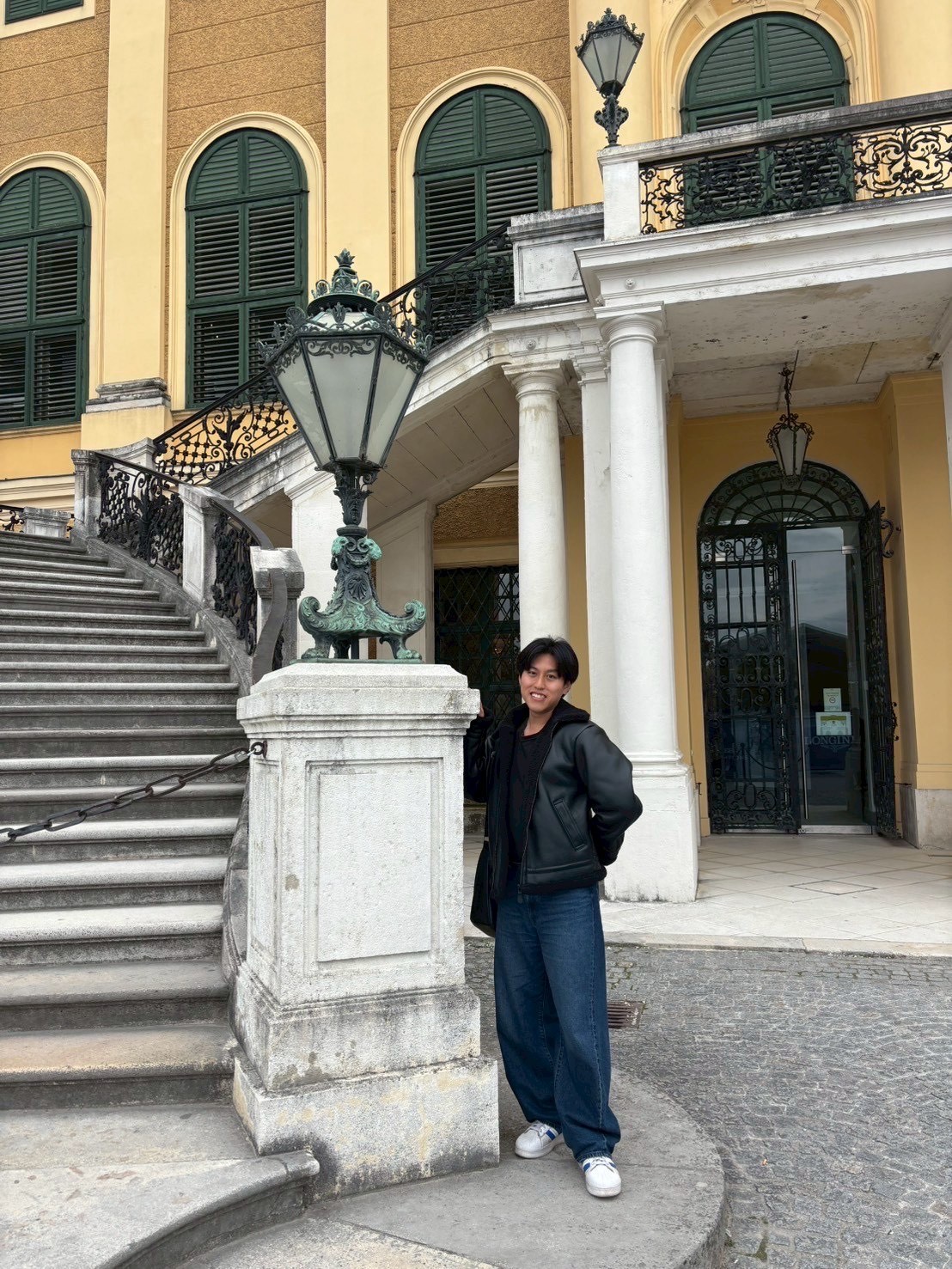
Gomi-san during his trip

This time, we interviewed Mr. Ignace Nsengiyumva Majune (hereafter, Ignace-san), a doctoral student at the Tokyo University of Foreign Studies from the Democratic Republic of the Congo. Driven by a strong sense of mission to contribute to administrative reform in his home country, he came to Japan to pursue further research. We asked him about his studies in Japan, his research journey, and his aspirations for the future.
Ignace-san shared that his motivation to apply for JICA scholarship stemmed from a deep interest in learning firsthand about Japan’s economic development, where tradition and advanced technology coexist in harmony. He felt that Japan’s experience—overcoming historical challenges and achieving rapid economic growth—would offer invaluable lessons for the Democratic Republic of the Congo.
Additionally, having previously studied in Korea, he already had an affinity for Asian cultures. The unique charm of Japan—where ancient shrines and temples remain alongside cutting-edge technologies seamlessly integrated into daily life—further encouraged him to apply.
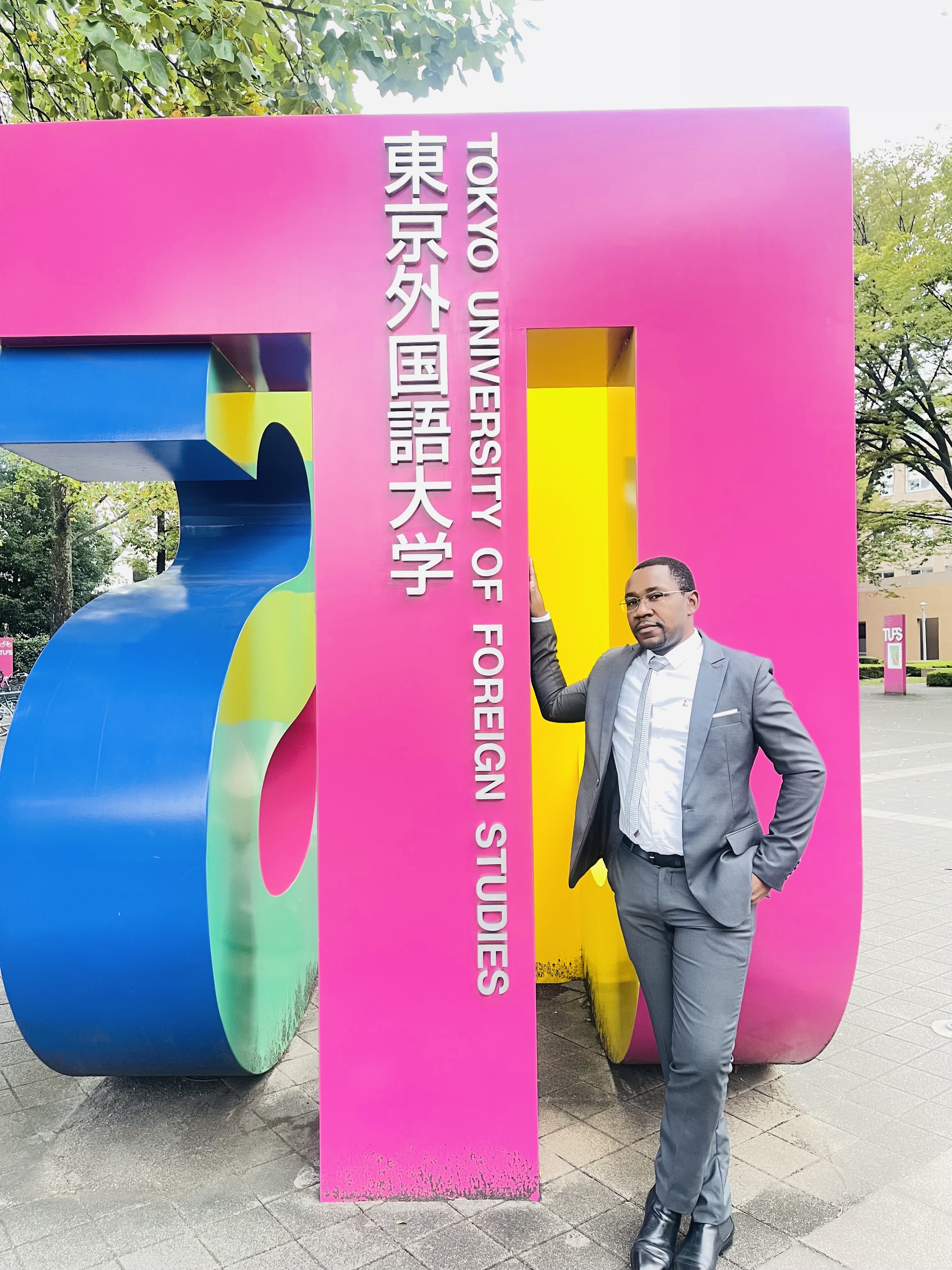
Ignace-san’s research focuses on uncovering patronage practices embedded in administrative procedures in the Democratic Republic of the Congo. Patronage refers to situations where administrative processes, which should be fair and impartial, are used to benefit certain individuals. While discussions on patronage often focus on politicians, Ignace-san shifts the spotlight to the “hidden power” within the routine procedures handled by bureaucrats themselves.
For example, he explained that recruitment lists, registration systems, payroll operations, and retirement procedures all potentially influence “who can access state resources.” He refers to this phenomenon as “delegated patronage,” highlighting not only political factors but also structural issues within the administrative system.
He added that one of the major challenges in his research is the scarcity of official documents, making it difficult to identify the actual practices—an issue particularly characteristic of administrative studies in the DRC.
Although this was his first long-term stay in Japanabroad, he adapted to Japanese culture relatively smoothly.
However, he found himself struggling at times with language barriers, especially when English was not understood. He gradually learned to combine simple Japanese with English to communicate more effectively.
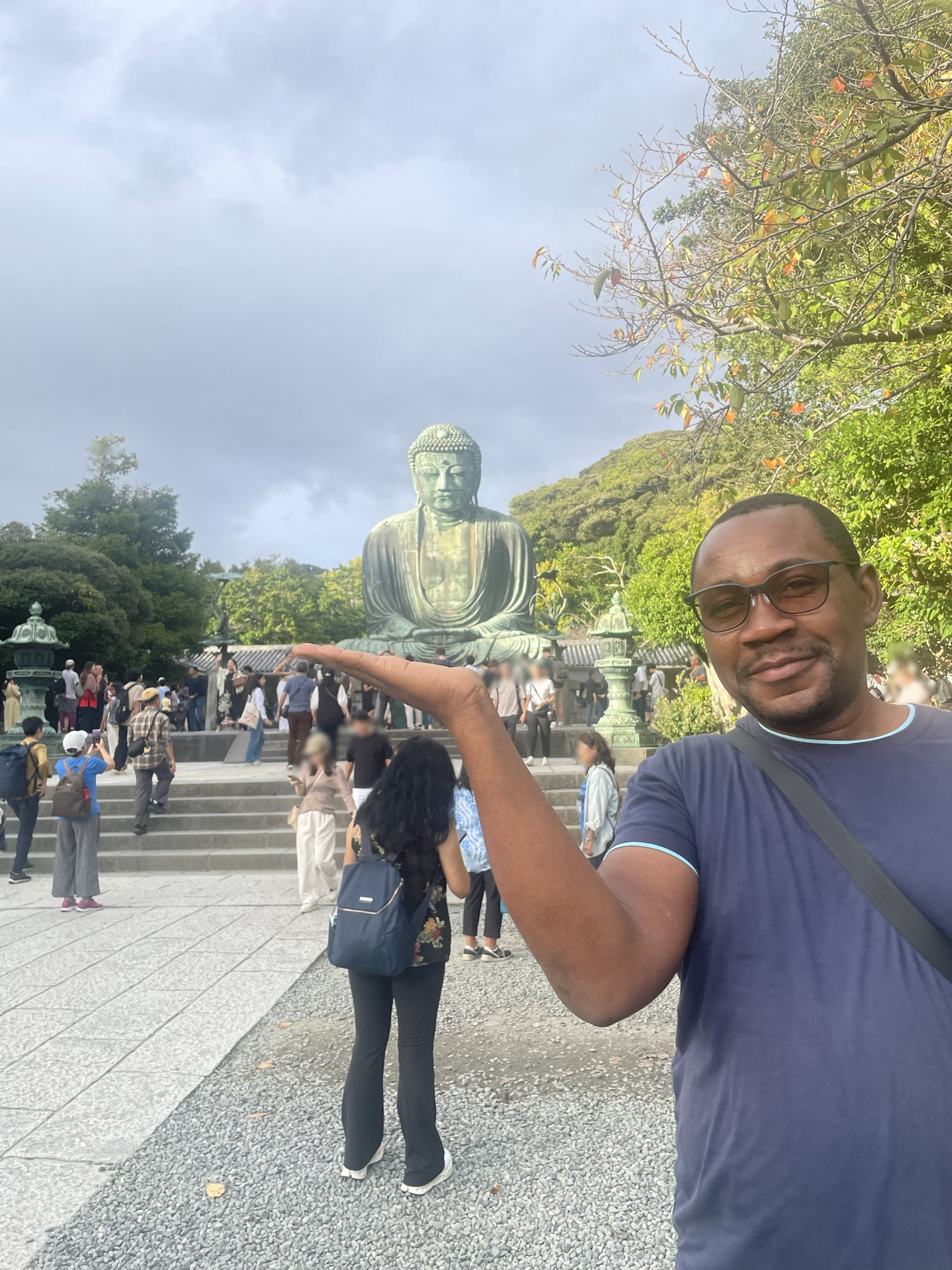
At the same time, he enjoys many opportunities to explore Japanese culture—visiting shrines and temples, touring historical sites, and taking weekend walks—allowing him to experience the richness of Japan’s traditions.
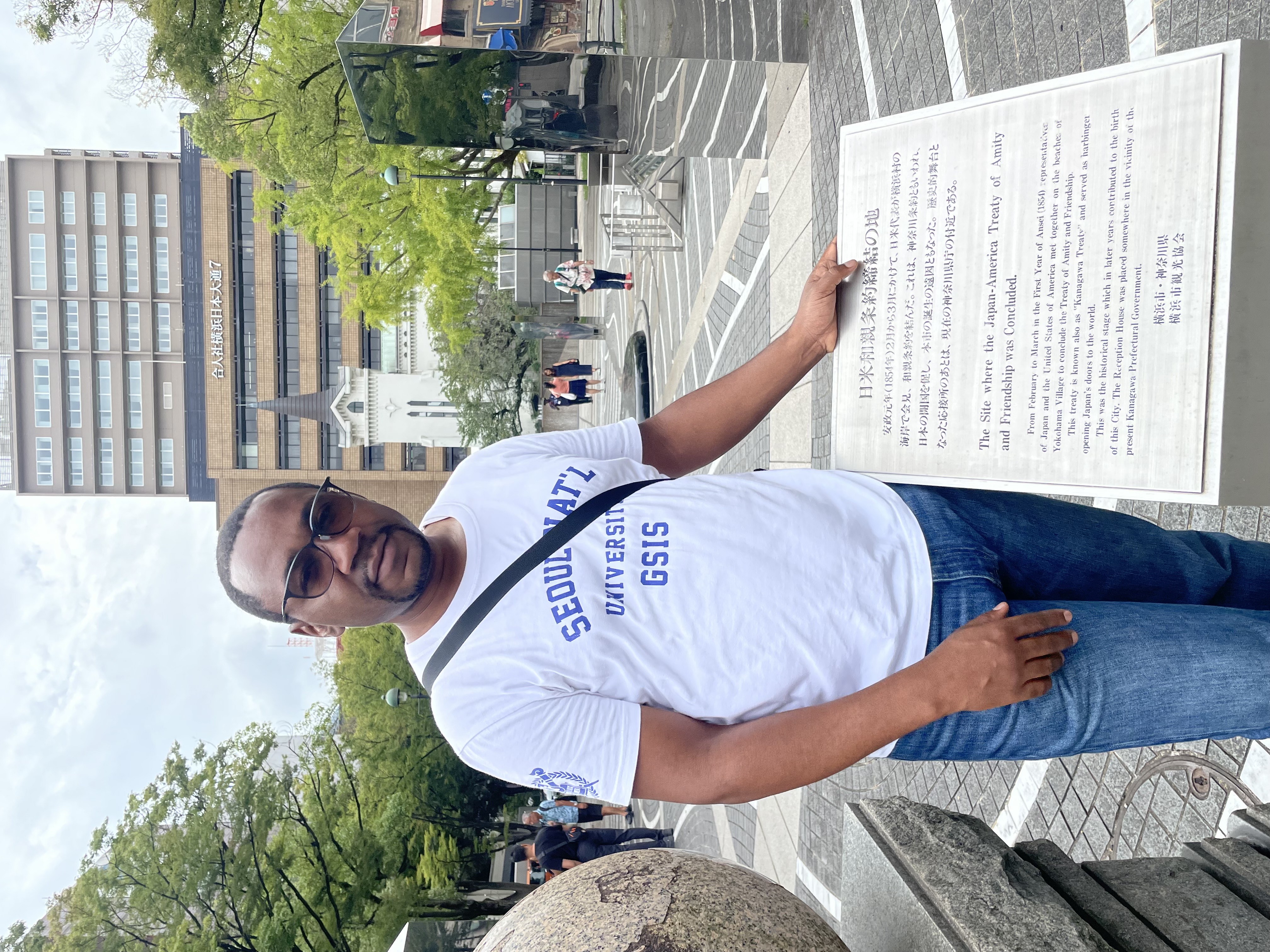
At the university, Ignace-san deepens his research through lectures on academic writing, laboratory discussions and continuous communication with his academic advisor. Conversations with experts and fellow researchers have been stimulating and have greatly expanded his perspectives.
Outside the university, he actively participates in outreach programs where he introduces the culture and society of the Democratic Republic of the Congo to elementary and junior high school students. He is happy to serve as a bridge connecting Japan and Africa.
He also joined a JICA study tour held in Nagano Prefecture, where he visited facilities normally inaccessible to the public and gained valuable insights into Japanese local communities. In another program, he observed community safety initiatives in rural areas and was particularly impressed by how local governments and residents collaborate to support the elderly and strengthen disaster preparedness.
After completing his doctoral program, Ignace-san plans to return to his position as a public servant and work on improving transparency and administrative systems in his home country. He hopes to contribute to administrative reform by applying the ethics, sincerity, and careful work attitudes he observed among Japanese civil officer.
Looking to the future, he also aims to engage in academia as a researcher and continue contributing as an expert in institutional improvement.
Through our conversation, we strongly felt Ignace-san’s deep sense of responsibility toward improving public administration in his country, as well as his commitment to continuous learning within the international community.
His research has the potential to provide valuable insights not only for the Democratic Republic of the Congo but also for many countries facing challenges in administrative reform.
We sincerely look forward to seeing how he will draw on his experiences in Japan to contribute to the future of the Democratic Republic of the Congo and the broader African region.
Sns share!


