




scroll


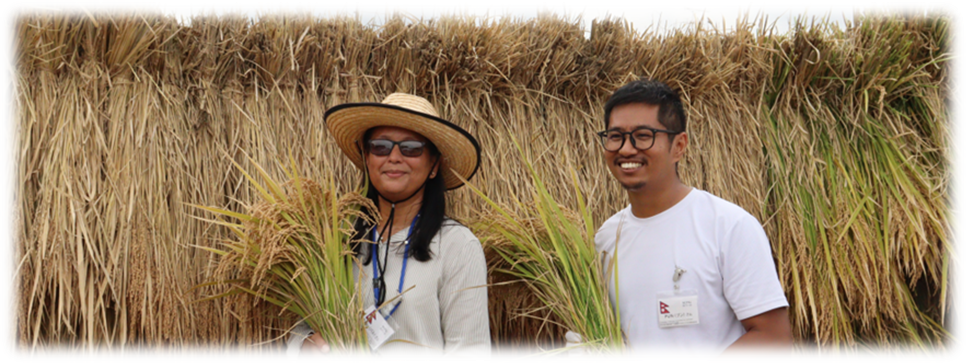
Sixty years of fostering leaders of nation building around the world
JICA Tsukuba annually welcomes around 500 participants from more than 100 countries in Asia, Africa, Latin America, Middle East, Eastern Europe, and Oceania for their capacity development. The agriculture KCCPs, which use on-site farmland, greenhouses, and training facilities, enables participants to learn the production process from seeding to post-harvest processing, for 8 to 10 months.
In addition, in cooperation with research institutions of Tsukuba Science City, around 70 KCCPs are provided annually in the areas of disaster risk reduction, geospatial information, climate change countermeasures, and education. In addition to learning corresponding technologies, development experiences and know-hows in Japan are shared with the participants from developing countries by various cooperating organizations such as government agencies, municipalities, universities, public interest corporations, private companies, and NGOs. The participants, under the guidance of instructors, try to apply acquired knowledge and techniques to solve the development issues in their own countries by formulating solutions and an action plan after returning to their countries. Through a series of discussions with their fellow participants and Japanese attendees, they can learn from each other and build relationships to advance mutual development. This is one of the characteristics of JICA KCCP.
The second wave of enduring passion!
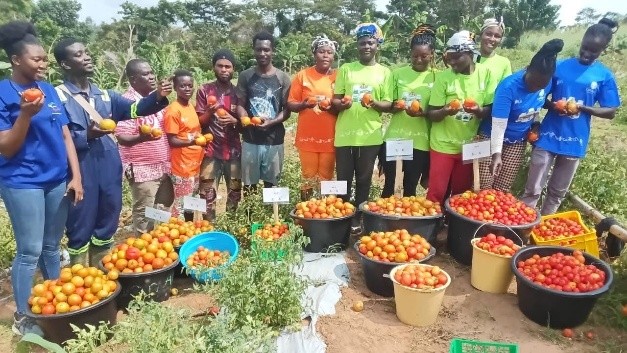
Here’s a field activity report from John-san, a Ghanaian participant of the Market-Oriented Agriculture Promotion course two years ago!
Even after two years since returning home, John-san continues to work energetically with local farmers.
Fresh from the Field!
Tomato in the pictures was harvested from our variety trial demonstration field-testing shelf life after post-harvest! To make transportation easier, I requested smaller bowls or plastic crates before the next harvest.
Good Agronomic Practices (GAP) for raising seedlings in seed trays help achieve:
・Vigorous growth
・Seedlings free from diseases, insects, and nematodes
・Reduced transplanting shock
A big THANK YOU to JICA for the training in Japan! I’m truly grateful for this knowledge that keeps making a difference!
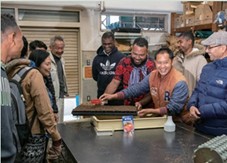
Participants from the Asia-Pacific region learning vegetable cultivation techniques
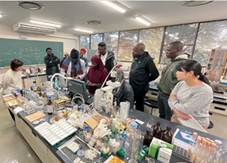
Microscopy practice at JICA Tsukuba’s laboratory to study diseases of upland rice
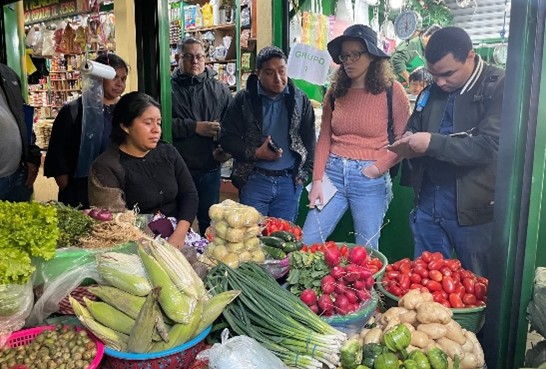
Participants are sharing SHEP approach (Market Oriented Agriculture Promotion) to Central American and Caribbean farmers
Developing excellent leaders for partner countries with the cooperation of local universities
JICA Tsukuba supports the KCCP long-term participants studying for master and doctoral programs in Japan. With the cooperation of universities and educational institutions in Ibaraki and Tochigi, JICA provides opportunities for them to share Japan's modern development experience, which differs from that of Europe and the United States, as well as its knowledge as a post-war donor country, to develop human resources who will lead the future and development of many countries. JICA KCCP participants are mainly government officials and researchers of developing countries, and their research fields range from humanities and social sciences, public policy, agriculture, engineering, and environmental sciences.
For JICA participants studying in Japan for more than two years, JICA Tsukuba offers a regional understanding program that share Japanese region’s unique development process and opportunities such as local events and school visits. We hope that those participants will help promote internationalization of Ibaraki and Tochigi and increase cross-cultural understanding of the residents. Also, by learning about Japanese culture and identity, the participants may eventually become pro-Japanese and well-versed in Japan, so that they will bridge a divide between Japan and their countries. Some programs offer internship at Japanese companies, and JICA participants are expected to act as middleperson for Japanese companies looking for business opportunities in developing countries.
From Brazil to Japan: Mr. Thiago Dutra dos Santos’ JICA Journey
My JICA long-term Knowledge Co-creation Program in Tsukuba has been a remarkable blend of research and cultural immersion-balancing academic work with exploring Japanese cuisine, festivals, and traditions. Traveling across Japan and engaging with institutions like Japan Space System (JAXA) enriched my skills and perspective. Supportive lab friendships and the vibrant Brazilian community make life here meaningful. This journey has broadened my worldview, strengthened my academic motivation, and taught me to embrace every cultural difference, making Japan an extraordinary environment for personal and professional growth.
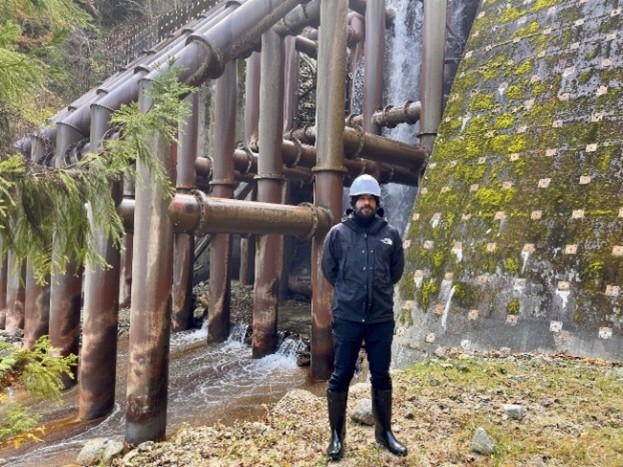
Exploring the sediment-control systems at Katsugawa Sabo Dam – Yamanashi Prefecture
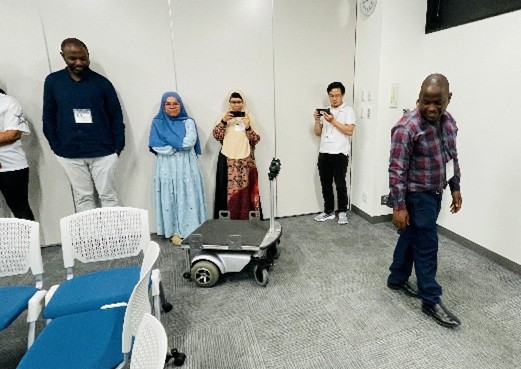
KCCP long-term Participants are observing the demonstration of autonomous mobility robotic cart “Thouzer" at the Tsukuba city hall
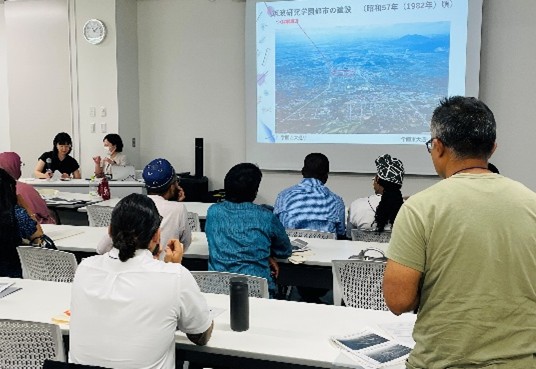
KCCP long-term participants received the lecture on “Tsukuba City's Urban Planning and Science and Technology Promotion Measures (Super Science City Initiatives)"
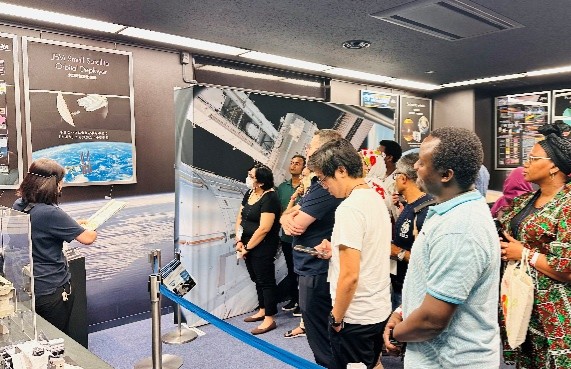
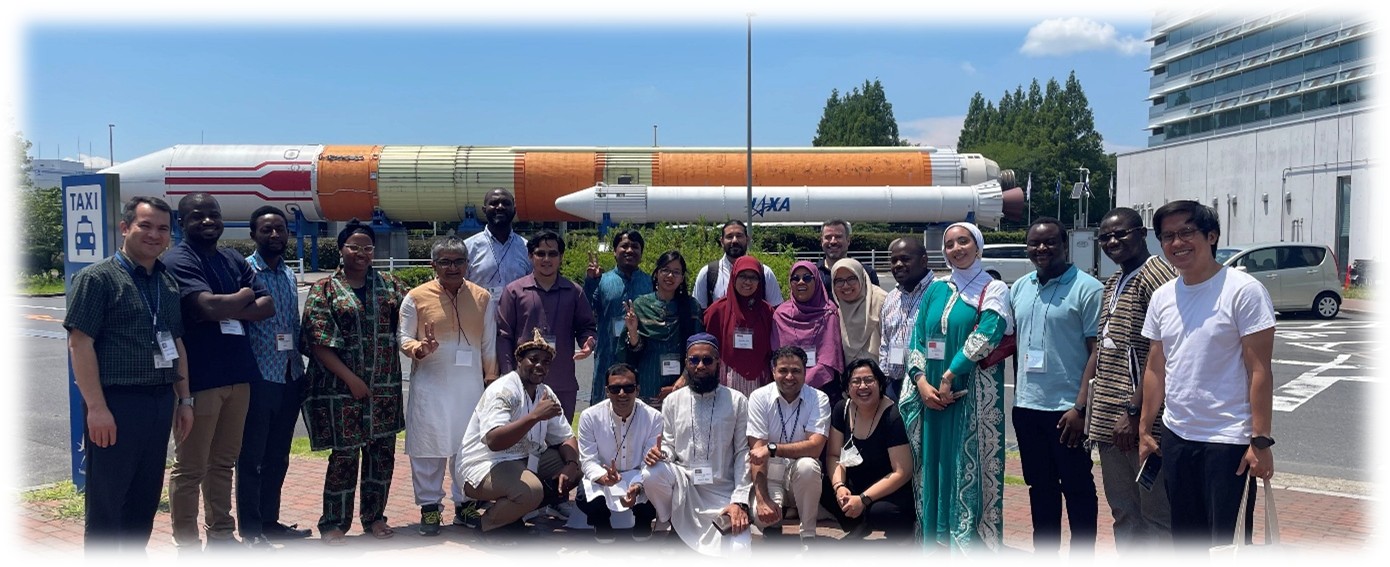
JICA long-term participants in a "Regional Understanding Program" receiving explanation about Small Satellite Orbital Deployer at Japan Aerospace Exploration Agency