
60 Years of JICA Volunteers in Kenya
2026.01.28
-

- Makoto Shinkawa, Chief Representative, JICA Kenya Office






2026.01.28
Since the first JICA volunteers were dispatchced to Kenya in 1966, a total of 1,828 JICA volunteers have lived and worked together there as of August 2025. This article looks back at the early days of those dispatches and shares several memorable stories from who helped shape the long history of Japan–Kenya cooperation.
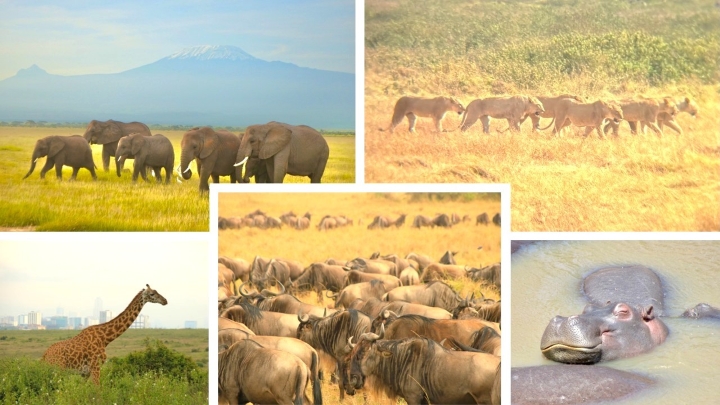
Elephant and Mount Kilimanjaro /Lions /Giraffe, Nairobi /Wildebeest /Sleeping hippos
In 1969, Kimio Matsumoto was dispatched to Kenya as a construction machinery volunteer. He was assigned to train local automobile mechanics—eventually teaching 50 mechanics over the course of his service.
His first working place was Marsabit in northern Kenya, at a road construction site connecting Kenya and Ethiopia. Since quick repairs were essential, mechanics had to stay on-site with the team. Housing was mostly tents, and encounters with snakes and scorpions were common. At the night, dangerous wildlife roamed the area, so going outside after dark was strictly prohibited.
After finishing his assignment in Marsabit, he moved to Mombasa in southern Kenya, where he taught automobile maintenance at a vocational training center and even coached volleyball as a hobby. Facing various challenges on his own, he suddenly realized that six years had flown by—so much so that he felt he could hardly speak Japanese anymore.
After returning to Japan, he worked as a secretary for a politician and supported international trainees in the private sector. Now 80 years old, he continues to stay connected with Africa. He says he still finds himself approaching “a person who appears to be African” when he sees them in Japan.
He gives a simple but a warm and full of wisdom message for today’s volunteers, “Take it easy. When in Rome, do as the Romans do.”
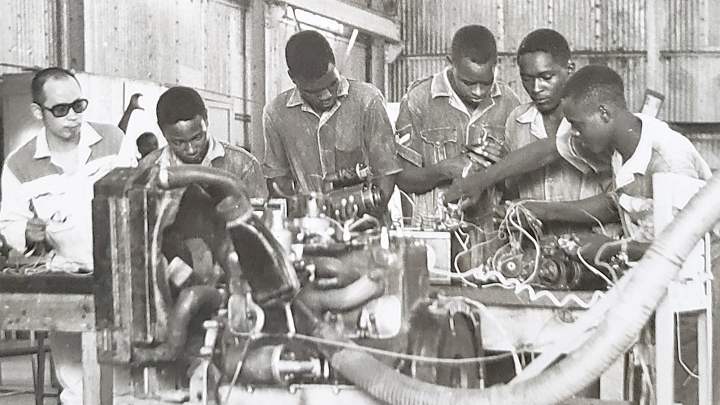
Training mechanics in Kenya
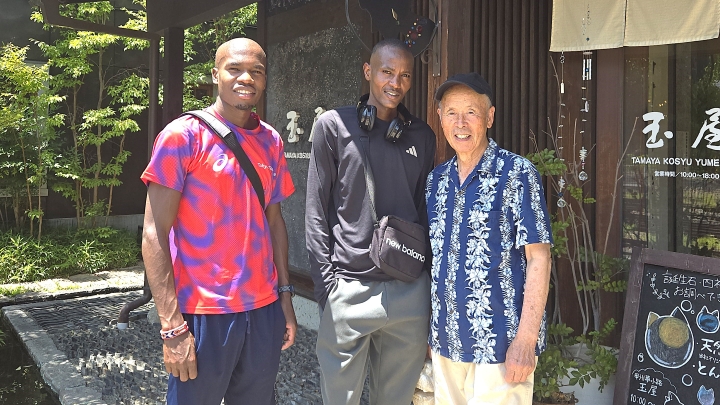
Yamanashi Gakuin University runners and Mr. Matsumoto
In 1979, Midori Nakayama was dispatchced to a high school in Western part of Kenya, as a math and science teacher. On the second half of her working period, she was appointed principal of the school. Despite facing many dilemmas and challenges, she worked tirelessly to improve school management.
She wrote as follows on her working report:
“Many students at my school in Kenya often prioritize personal gain. While they assert their rights, their responsibilities and duties are not always fulfilled. But it has been only 13 years since the government-led school system began. There is still a long way to go, and the things will improve little by little. I learned optimism from Kenyans.”
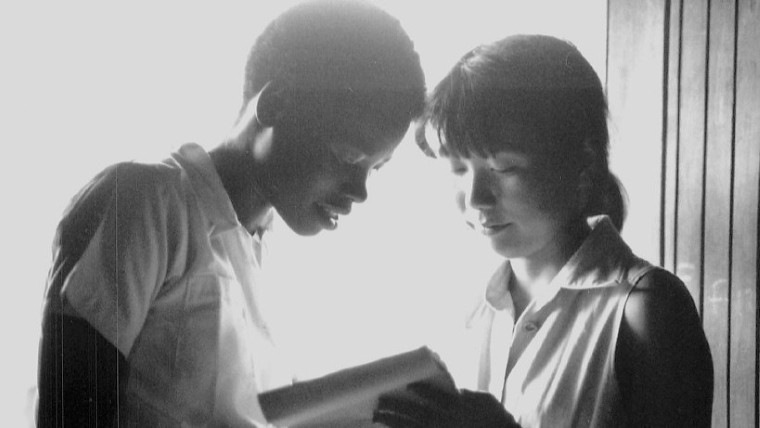
Ms. Nakayama with her student in Kenya
Kurumi Shiratori was dispatched in 1978 to Murang’a as a home economics volunteer. After returning to Japan, she founded an organization dedicated to social contribution, working to raise awareness and interest in Africa among Japanese people and to strengthen ties between Africa and Japan.
She has already published 15 educational books and visits Africa every year as part of her energetic activities.
She shared as the following:
“I felt that I was able to build trust with them by understanding their environment and culture and changing myself. I want to keep introduce Africa’s various realities, from their daily life and language to food, clothing, housing, and art.”
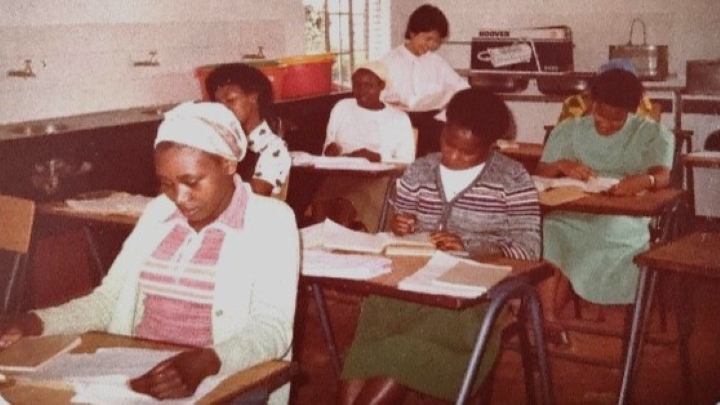
During a training session in Kenya
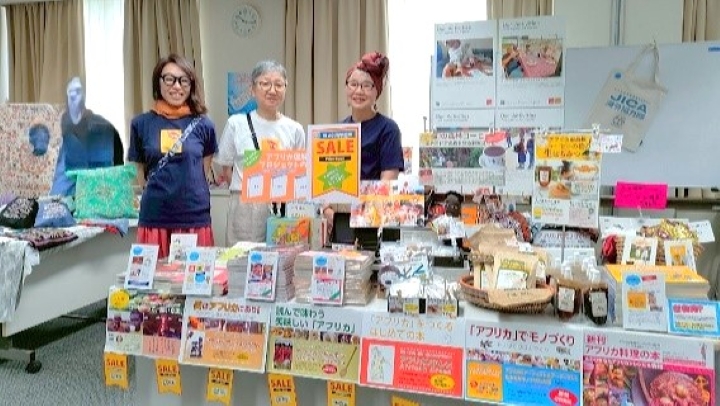
African Awareness Project
The final story is about Hiroshi Koaze. He was dispatched in 1981 as a food processing volunteer to Jomo Kenyatta University of Agriculture and Technology (JKUAT). After returning to Japan, he deepened his expertise and later came back to JKUAT as a JICA expert. In total, he has spent 12 years helping develop the university’s human resource capacity. Today, he continues to work as Chief Advisor for JICA projects at JKUAT.
He says:
“Faculty members we hired went on to earn degrees, became deans, and they attracted more students, as the result, the university gradually took shape. Along the way, I sometimes had to mediate internal disagreements or provide policy advice to the Ministry of Education.”
Having supported JKUAT from its early days, and now an emeritus professor at Obihiro University of Agriculture and Veterinary Medicine, he remains deeply engaged in the university’s growth.
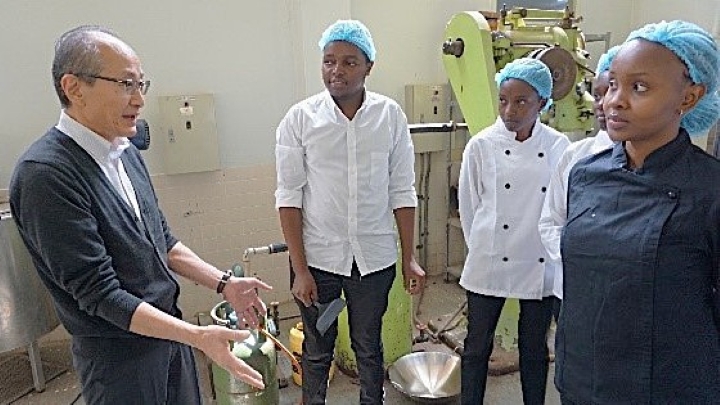
Food processing training at JKUAT, Kenya
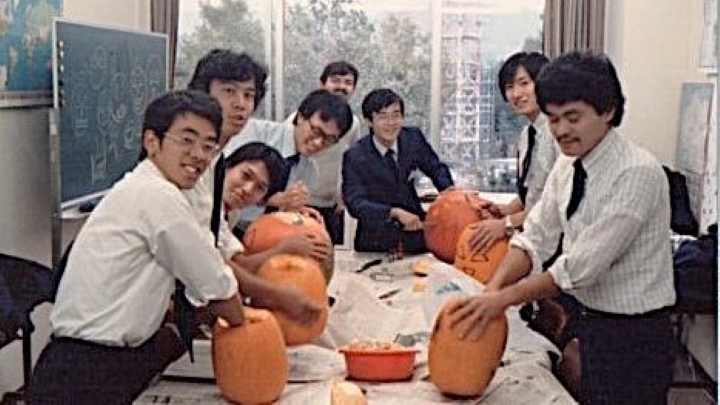
JICA Komagane Training Center (1981)
The 60 years of JICA volunteers history in Kenya are built from the individual lives, efforts, and courage of each volunteer. I sincerely hope that the JICA Volunteer Program—which provides learning opportunities for Japanese people, brings new knowledge and inspiration to Kenyan communities, and fosters trust between Kenya and Japan through person-to-person connections—will continue for the next 70 or even 80 years.
I sincerelly appraciate all the JICA volunteers who have worked in Kenya, and everyone who has supported them.
Sns share!


