
Four Months in Tonga: Discovering a Peaceful Life Shaped by the Sabbath Culture
2026.03.25
-

- JICA Tonga Office Yasuda Atsuko







2026.03.25
It has been almost four months since I was assigned to Tonga. My days are busy with work, mostly commuting between my house and the office, so I cannot say that I fully understand the country yet. Nevertheless, I have been surprised by how easily I have adjusted. Looking back, it feels as though much more time has passed.
Twenty-five years ago, I worked in Fiji as a Volunteer Coordinator, where I was told that Tonga had a strict “Sunday Law.” On Sundays, all shops close, even international flights stop, and activities such as working or playing sports are discouraged. At the time, I took it as something of a humorous story. After arriving, however, I learned that the law is still very much in effect, and the concept of a Christian Sabbath continues to shape daily life. Although I knew about it beforehand, experiencing it firsthand made me realize how deeply rooted this cultural practice is.
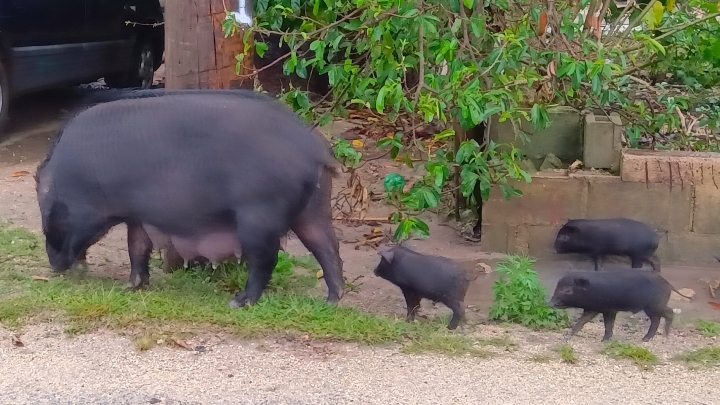
A peaceful moment of everyday life on a street corner in Tonga
Before coming to Tonga, I wondered how I would spend my quiet Sundays. In reality, what surprised me far more was how busy Saturdays are. Most shops and markets close by early afternoon, so I must complete a week’s worth of shopping in a limited amount of time. Since no single store carries everything I need, it is common to visit several places.
Furthermore, household chores such as cleaning and laundry are not considered appropriate on Sundays. Many homes have washing machines outside, and making noise on the Sabbath is seen as inconsiderate. As a result, all chores must be done on Saturdays, making it a hectic day filled with errands and housework.
This lifestyle effectively turns the week into a six-day schedule, with Sunday becoming a true day of rest. Although it took some getting used to, I now appreciate how this rhythm allows me to take a step back and rest both physically and mentally.
Like many island nations, Tonga has high costs of living, and necessary items are not always readily available. Infrastructure is limited, dogs freely roam the streets, and finding housing for foreigners can be challenging. In addition, families, communities, and churches have very strong ties, and many traditions and customs remain that can be difficult for people coming from overseas to fully understand.
Despite these challenges, I rarely feel isolated. The national staff at the office welcomed me warmly, and people at shops, banks, and volunteer workplaces are always friendly and helpful. Even on the roads, drivers often yield with a smile. Their modest and gentle nature reminds me of the Japanese temperament in many ways. As long as I respect local values and communicate thoughtfully, I feel I can find a place within this community.
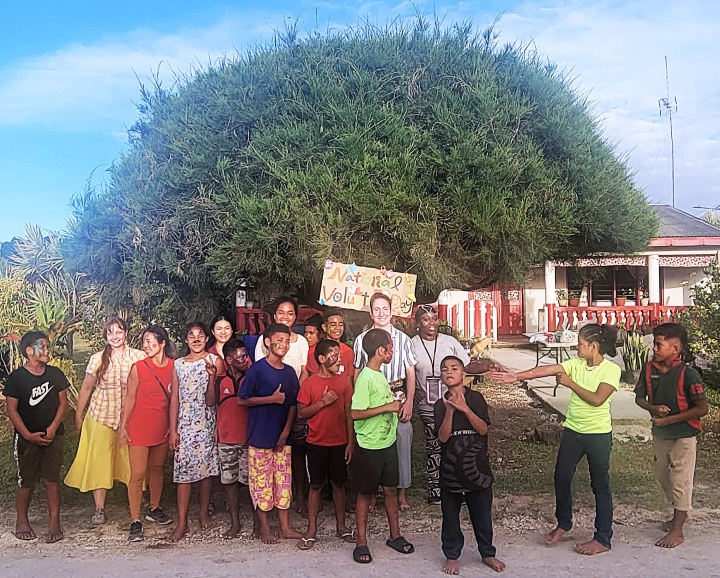
Children of a remote island community
As in many developing countries, things do not always go as planned, and unexpected situations occasionally arise. Yet the calmness and safety of daily life outweigh the frustrations. The slow flow of time here allows me to regain a sense of balance and presence.
Contrary to the typical image of a tropical island, Tonga is cooler than expected, with fewer beaches and limited tourist attractions. However, the deep faith and gentle spirit of the people make this country warm and welcoming. Although my experience is still only four months, I feel that Tonga has a quiet charm that brings peace to the heart. I hope many people will one day consider visiting this unique and tranquil island nation.
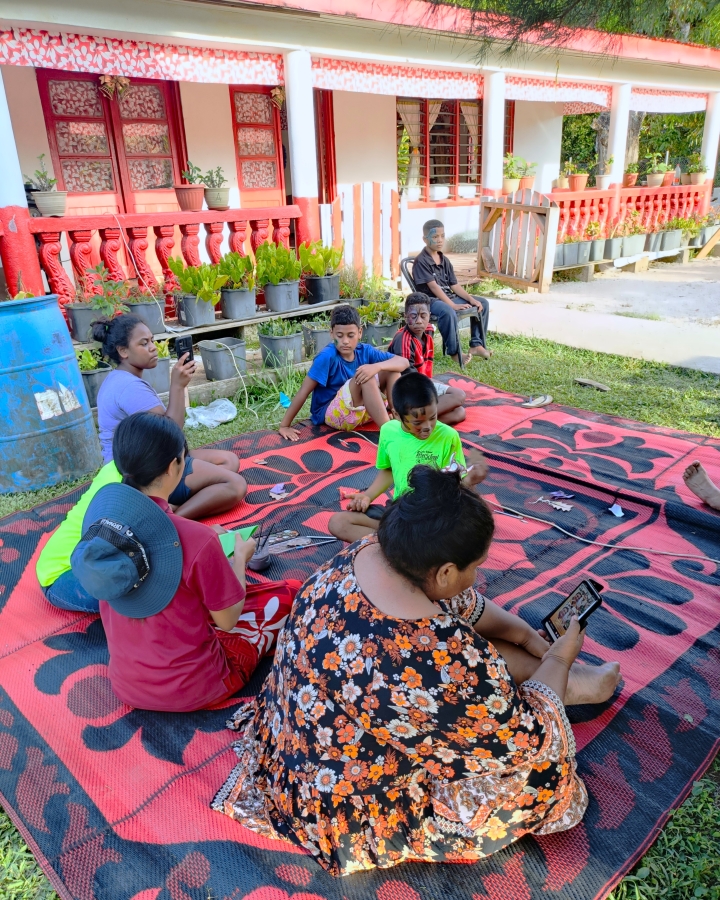
Time flows gently
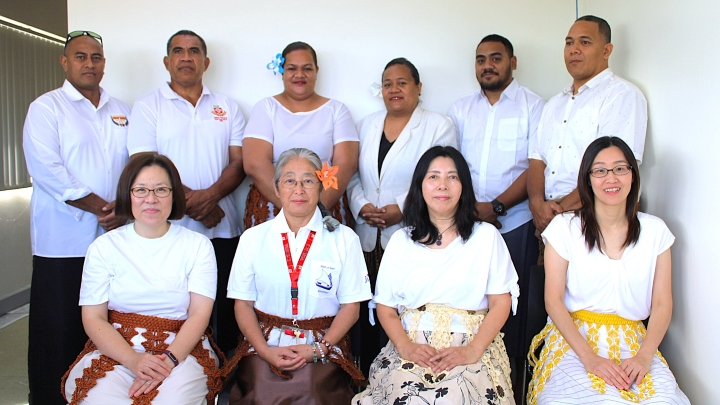
The entire team at the Tonga Office
Sns share!


