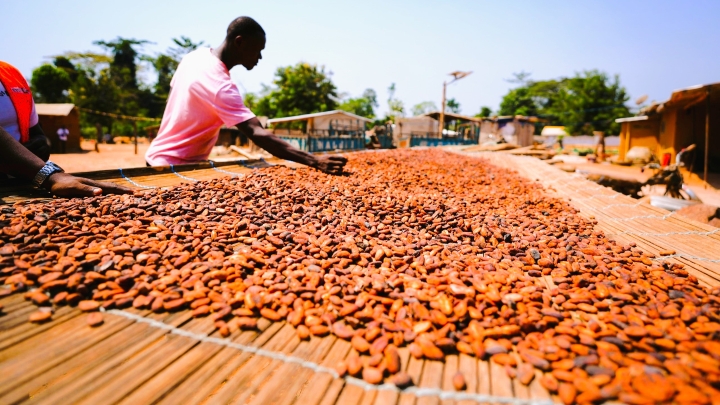
What It Takes to Safeguard Japan’s Chocolate
Here’s a quick question.
Chocolate is something many of us enjoy every day—but do you know where the world’s largest producer of the cocoa used to make it is?
The answer is Côte d’Ivoire in West Africa.
While cocoa from Ghana is better known in Japan, Côte d’Ivoire is in fact the world’s largest cocoa producer and plays a dominant role on the global stage. Yet only a small amount of Ivorian cocoa is currently imported into Japan.
Why is that?
The reason lies in the challenges of meeting Japan’s strict standards, including quality control, pesticide residue limits, and traceability systems that allow products to be tracked back to their origin.
Meanwhile, cocoa production in Ghana has been declining due to climate change and the impact of illegal gold mining. As a result, Japanese manufacturers are now seriously searching for the next major sourcing country.
In other words, the key to sustaining Japan’s chocolate culture for the future lies in cocoa from Côte d’Ivoire.
Unlocking Potential Through Work on the Ground
In 2026, JICA set out to thoroughly examine one key question:
What is needed to significantly increase cocoa exports to Japan?
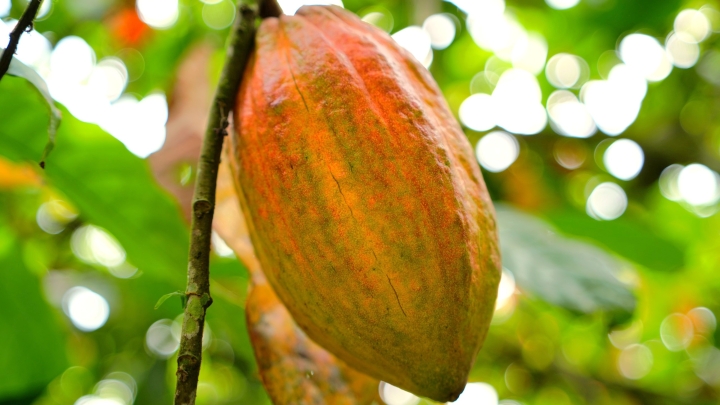
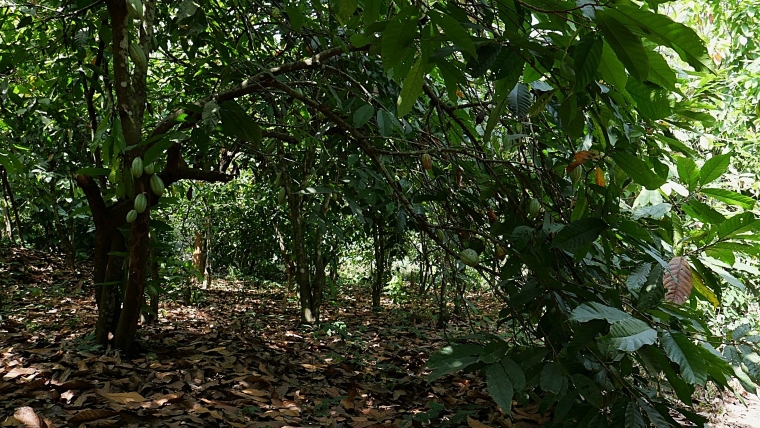
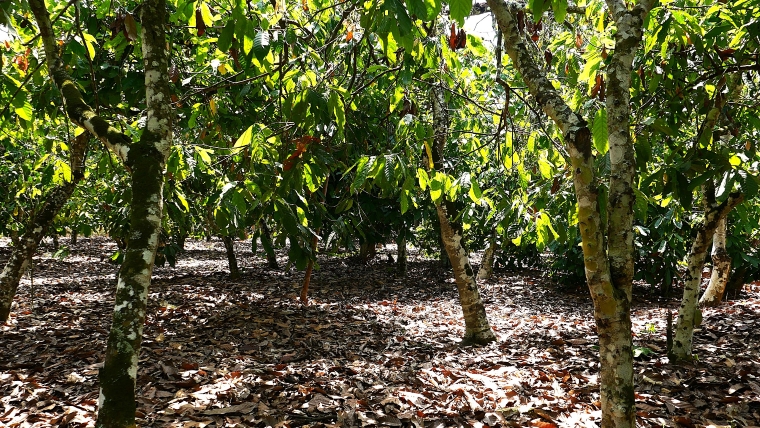
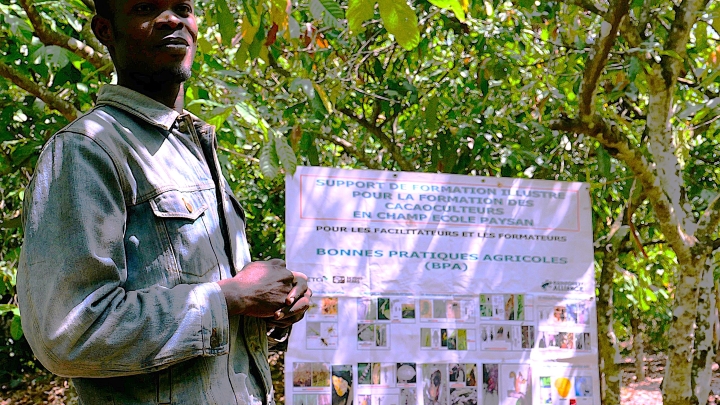
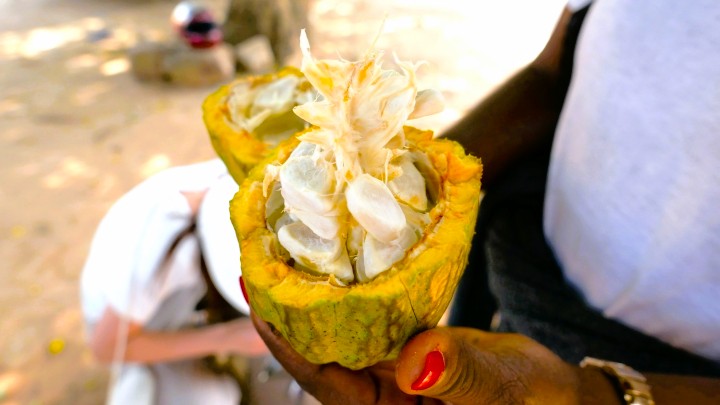
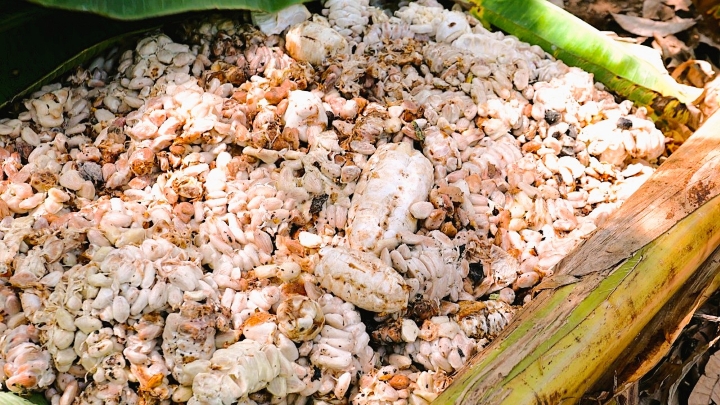
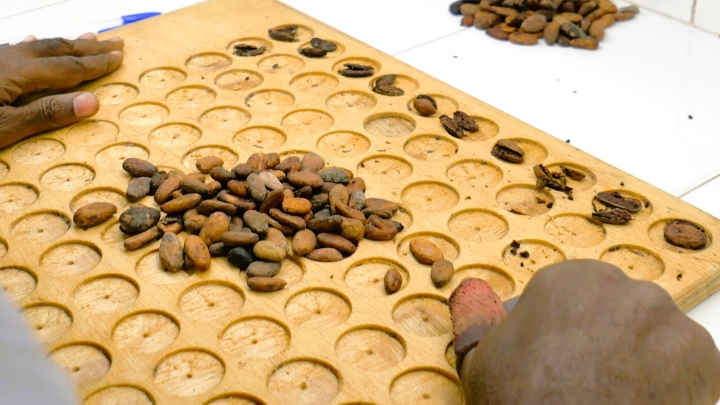
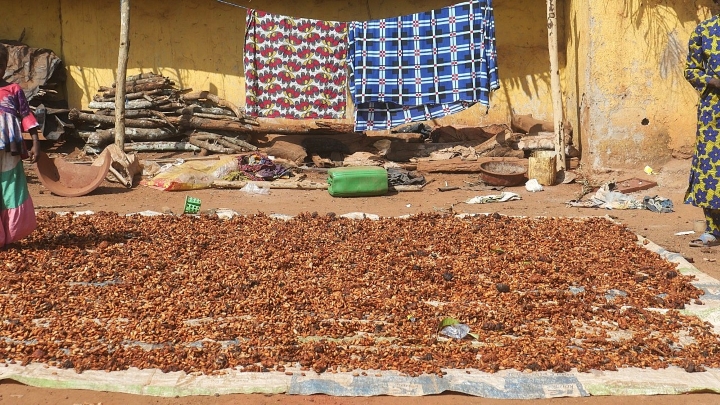
To find the answer, JICA visited each part of the cocoa value chain—from farmers and cooperatives to government offices and inspection agencies—gaining first-hand insight into how cocoa is produced, managed, and distributed.
What we discovered was not just a list of challenges, but an even greater sense of potential.
- Even small improvements in cocoa fermentation and drying techniques can significantly enhance chocolate flavor.
- Thanks to Côte d’Ivoire’s vast production areas and diverse growing conditions, Japanese consumers could enjoy chocolates with entirely new flavor profiles.
- Japan’s expertise can contribute to strengthening pesticide residue management and inspection systems.
- Improved traceability would also respond to the growing interest in ethical consumption among younger generations in Japan.
These insights revealed a range of possibilities that point toward a more sustainable and delicious future.
In particular, efforts to make issues such as child labor and environmental impacts visible through technology are attracting growing attention in Japan.
In Côte d’Ivoire, JICA has been among the first to pilot child labor monitoring initiatives using blockchain* technology, working to build systems that lead to real improvement.
-
※
Blockchain is a digital system that securely records and shares information, enhancing transparency and accountability.
A Win-Win Future for Japan and Côte d’Ivoire
If cocoa from Côte d’Ivoire can be supplied steadily to Japan—
- People in Japan will be able to enjoy more affordable and better-tasting chocolate
- Farmers in Côte d’Ivoire will see their incomes rise and their livelihoods stabilize, enabling more children to attend school
- Companies will be able to advance sustainable cocoa sourcing that respects the environment and human rights
In this way, cocoa becomes a bridge that connects food, education, the environment, and the future—creating benefits for all.
JICA’s Next Steps
This recent survey marks a starting point toward realizing that future.
Going forward, JICA plans to further strengthen cooperation between Côte d’Ivoire and Japan through initiatives such as:
- Technical support to improve flavor through better fermentation and drying processes for Japanese consumers
- Enhancing safe and reliable cocoa cultivation as well as pesticide residue testing systems
- Promoting new agricultural techniques among farmers
- Supporting livelihood diversification and the realization of sustainable farming
- Strengthening farmer cooperatives and encouraging partnerships with Japanese companies
- Developing systems for traceability and measures to address child labor
Through these efforts, we hope to advance meaningful collaboration that connects local communities with Japan and helps build a sustainable cocoa value chain.
And this cooperation is not merely aid—it is also an investment in a richer future for people in Japan.
So that the chocolate you enjoy in your everyday life can remain safe and delicious.
And so that every single cocoa bean can bring hope and a brighter future to someone, somewhere.
Through cocoa, JICA is working to create a “delicious future” that connects Japan and Côte d’Ivoire.