Urban and Rural India
When you hear “India,” what kind of image comes to mind?
Some may think of a country experiencing rapid economic growth, a hub for IT professionals, or perhaps Indian curry restaurants.
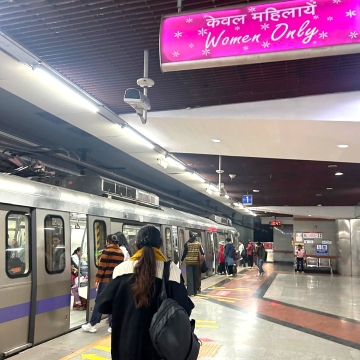
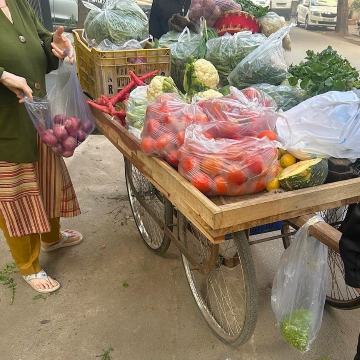
Living in Delhi, the capital of India, life can be quite convenient. For example, I can commute using the women-only carriages on the metro supported by JICA, and there are many delivery services that bring items to your doorstep in a short time. Near my home, there are also vendors selling fresh vegetables. Aside from the severe air pollution in winter, daily life is relatively comfortable.
Even when you visit cities such as Kolkata, Mumbai, and Chennai, you are overwhelmed by the sheer number of people and the vibrant energy. Many of these cities have metro systems, including lines supported by JICA, giving them a distinctly urban atmosphere.
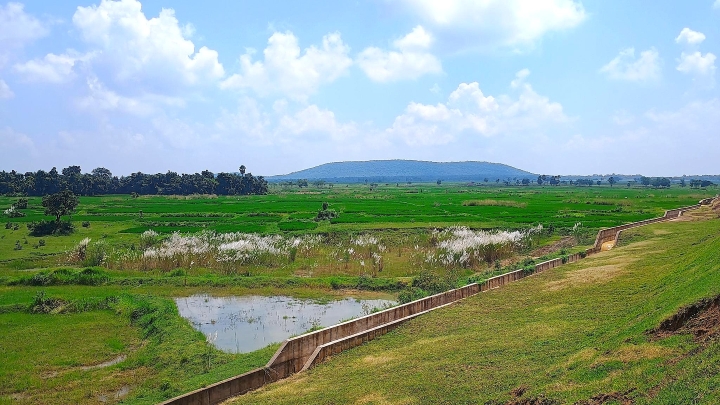
On the other hand, a large proportion of India’s population lives in rural areas. Coming from a rural area in Japan myself, I find that the countryside in India, with its pastoral landscapes, often reminds me of my hometown during business trips. In such rural areas, JICA provides essential support in sectors such as agriculture, water supply, and rural roads.
In India, about half of the workforce is engaged in agriculture, making it a critically important sector for the country. At the same time, India is home to approximately 130 million people living in poverty (2019), accounting for nearly 20% of the global poor. Of these, about 40% are farmers. Therefore, increasing farmers’ incomes is an urgent priority for achieving balanced socio-economic development and poverty reduction.
Furthermore, India ranks relatively low on the Gender Development Index. I have personally observed situations where women hesitate to speak in public gatherings, and where decisions about their future are often made by men in the village. To promote women’s empowerment, it is equally important to support education, including literacy, as well as livelihood improvement and social participation.
Supporting Women Farmers in Rural Areas
JICA is currently implementing around 12 agricultural support projects in India. One of these is in Jharkhand, a state with the second-highest poverty rate in the country and a low Gender Development Index. (Jharkhand, located in eastern India, was carved out of Bihar in 2000. Bihar is also known for Bodh Gaya, where Buddha is said to have attained enlightenment.)
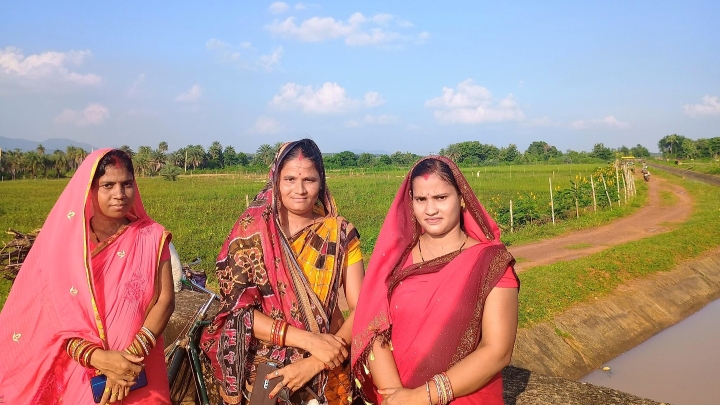
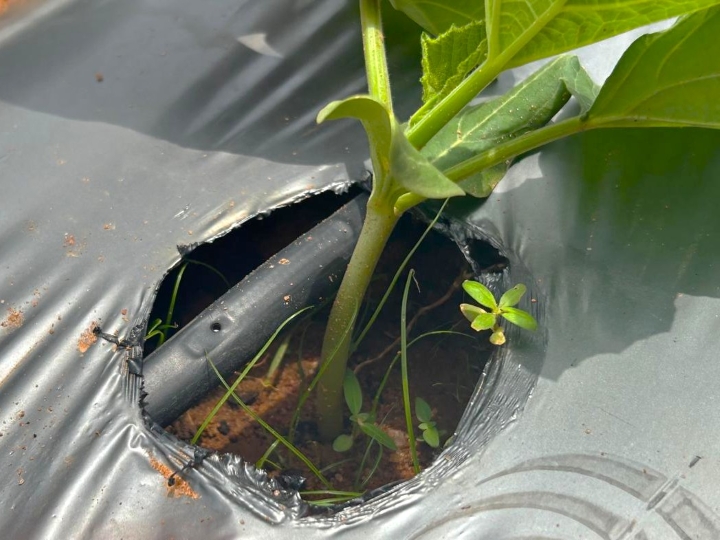
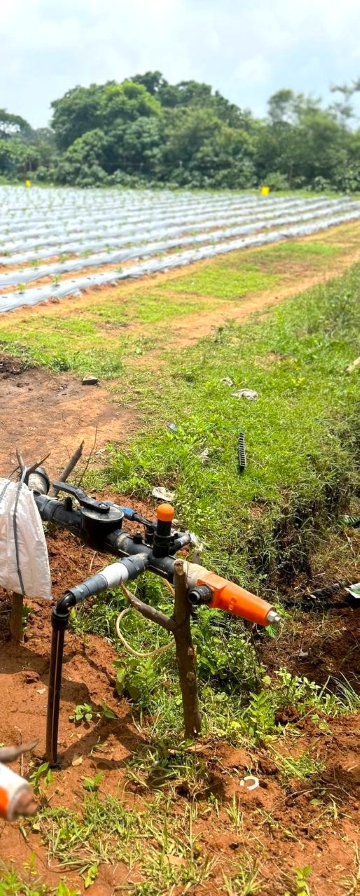
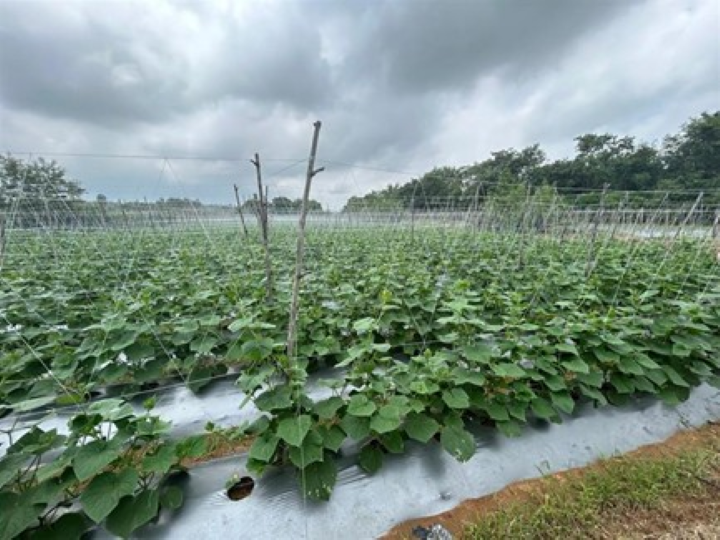
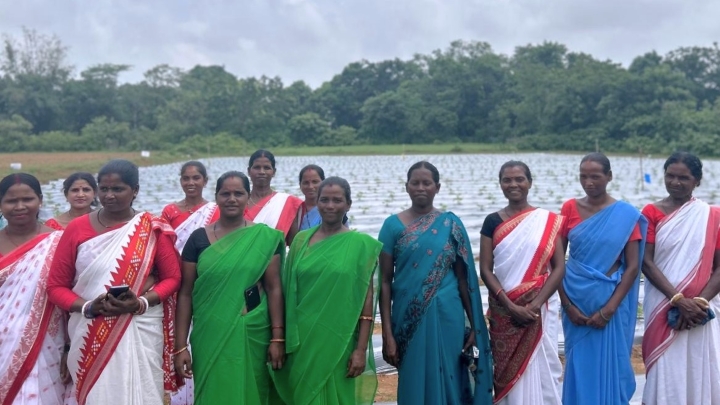
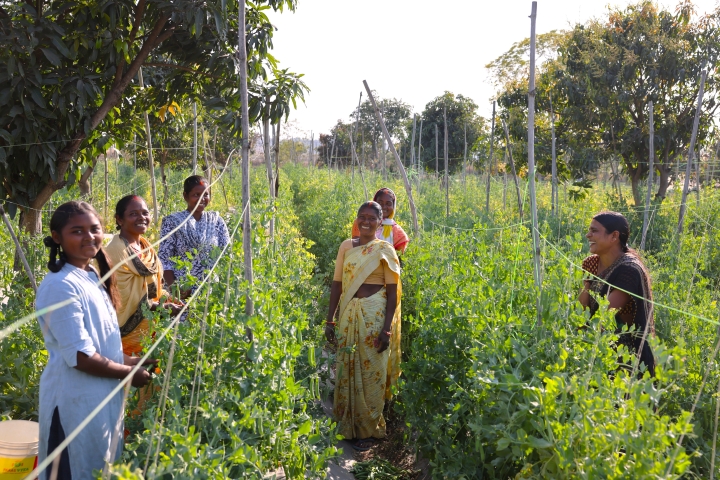
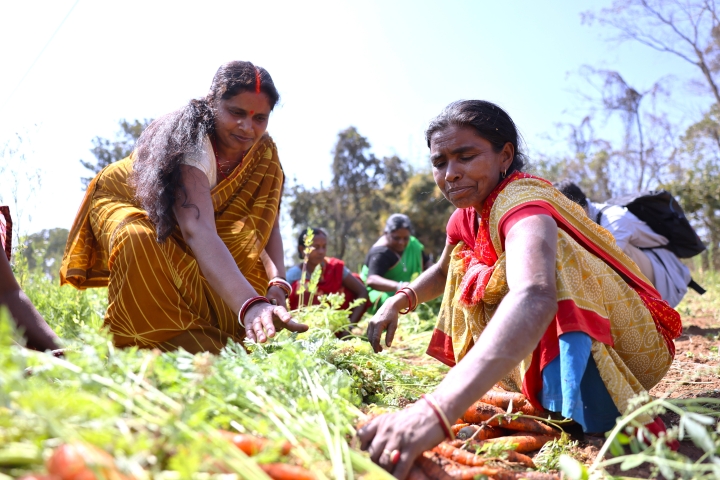
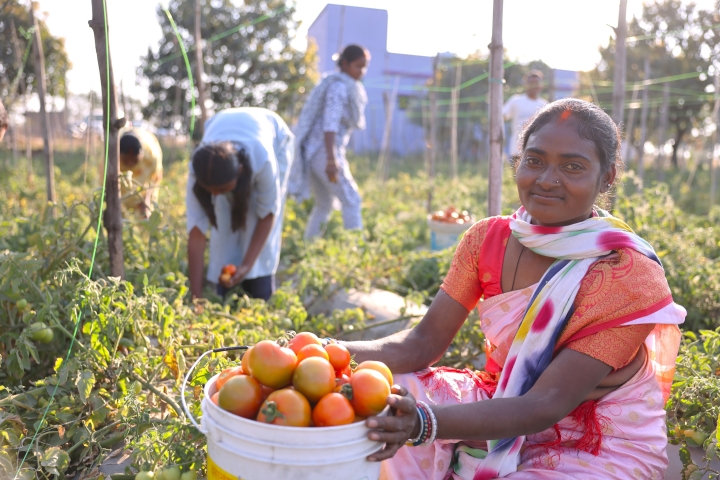
In Jharkhand, many men migrate to urban areas for work, leaving agriculture largely in the hands of women. In response, JICA is working with the state government’s livelihood groups to support around 30,000 small-scale women farmers through horticulture initiatives. These include the introduction of micro drip irrigation systems and the establishment of shared agricultural machinery facilities.
Jharkhand is also facing challenges such as uneven and increasingly unpredictable rainfall due to climate change. During a visit to a local university, I learned that the impact of climate change has been worsening year by year, based on rainfall fluctuation data. In such conditions, securing stable water resources and using them efficiently is essential for farmers.
By introducing drip irrigation, it is possible to significantly reduce water usage while increasing crop yields. It also enables year-round cultivation, including during the dry season, thereby improving agricultural productivity.
In addition to drip irrigation, this initiative has introduced poly nursery houses and vermicompost units. It has also established cold storage facilities for the temporary preservation of harvested produce, as well as centers that provide farmer training and agricultural machinery rental services.
As part of technical support for farmers, training programs are conducted on topics such as operational management and marketing. In this way, the project provides comprehensive support to farmers, going beyond the introduction of drip irrigation alone.
Furthermore, in order to shift from the traditional practice of “grow and sell” to a more market-oriented approach of “grow to sell”, the project has adopted the SHEP (Smallholder Horticulture Empowerment & Promotion) approach.
This initiative is implemented through women-led Self-Help Groups (SHGs). Now, several years after the project’s launch, the women farmers supported under this initiative are making diligent use of drip irrigation and other technologies to increase their incomes. It is often said that women tend to spend more of their income on their children’s education and health than men. As a result of increased incomes through this project, children are now able to attend school, and families are able to secure better housing.
Around 30,000 women farmers are brightening the future and hopes of their families through JICA’s support.
These changes are beginning to spread to other states as well. There are cases where state government officials in charge of JICA-supported agricultural projects in other states visited Jharkhand, were impressed by its initiatives, and subsequently began to actively adopt the SHEP approach and promote women’s empowerment.
Working with Farmers in India
What has left a strong impression on me while working in India is the passion of the people on the ground. Officials from the Government of India often express their desire to improve farmers’ incomes and livelihoods, and both the government and farmers, along with all stakeholders, are making earnest efforts toward this goal.
Although India is experiencing rapid economic growth, there is still a significant need for international cooperation. Going forward, I hope to continue working together with JICA’s local staff and Indian counterparts to ensure that meaningful impacts reach beneficiaries such as farmers as quickly as possible.
Although India is experiencing rapid economic growth, there is still a significant need for international cooperation. Going forward, I hope to continue working together with JICA’s local staff and Indian counterparts to ensure that meaningful impacts reach beneficiaries such as farmers as quickly as possible.
We’d love it if you could check out the video of inspiring women in rural India! (See the link below.)