An Unexpected Connection Across the Pacific: Japan and Peru
What comes to mind when you think of Peru?
Many people may picture its rich cultural heritage, including Machu Picchu, or its world-renowned cuisine, such as ceviche. Yet Peru and Japan share an unexpected similarity: both are highly prone to earthquakes.
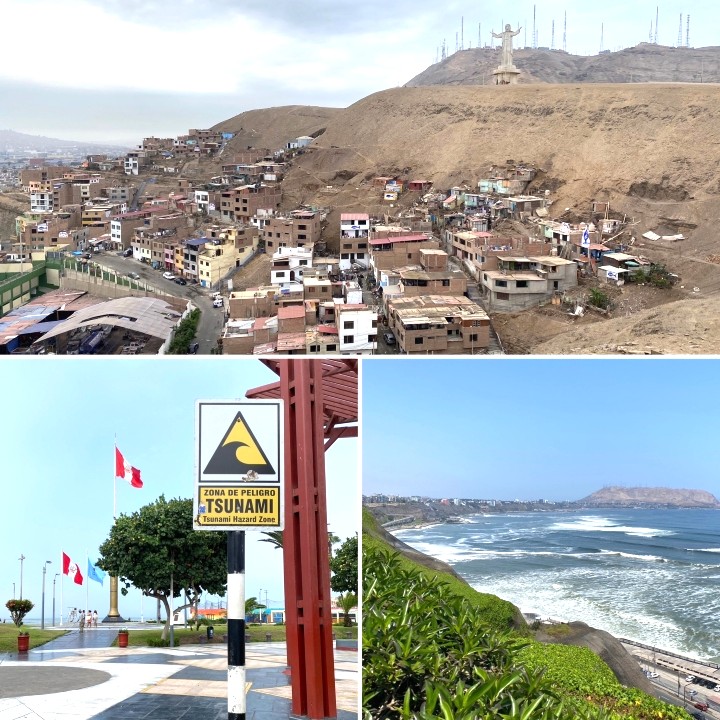
In Lima, the capital city where nearly one-third of Peru’s population lives, the risk of a major earthquake remains a serious concern. Reducing potential damage in urban areas and strengthening disaster preparedness are therefore key challenges. To address these issues, JICA Peru has implemented a variety of projects, making disaster risk reduction (BOSAI) one of its priority areas.
I am currently in charge of BOSAI projects at the JICA Peru Office. Although I arrived in Peru only six months ago, I have already experienced several earthquakes of seismic intensity 2 to 3. These experiences have reminded me of the importance of preparedness and disaster education—something that Peru and Japan have very much in common.
Peru’s First Earthquake Research Center: Born Through Cooperation with Japan
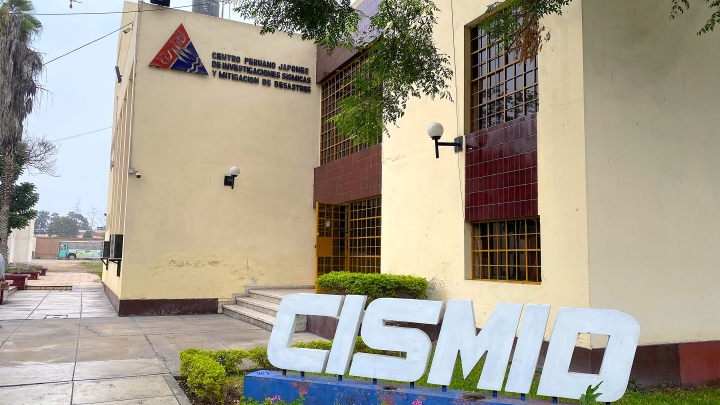
Peru is home to a research institution that symbolizes disaster risk reduction (DRR) cooperation between Peru and Japan: the Peruvian-Japanese Center for Seismic Research and Disaster Mitigation (CISMID), which celebrates its 40th anniversary this year.
The origins of CISMID can be traced back to a devastating earthquake that struck the Ancash region in northern Peru in 1970. The disaster caused extensive damage and highlighted the urgent need for earthquake-resistant construction and improved urban disaster management.
In response, the Government of Peru requested support from Japan in 1984. JICA assisted in establishing CISMID by dispatching experts and providing research equipment. Since then, the center has continued to grow with the support of Japan, becoming a leading institution for earthquake and disaster risk research in Peru.
CISMID and the Legacy of the Japanese Peruvian Community
The first director of CISMID was Dr. Julio Kuroiwa, a second-generation Japanese Peruvian. Born and raised in Peru, he graduated from the National University of Engineering, where CISMID would later be established. He then studied earthquake engineering in Japan through training at the Building Research Institute in Ibaraki Prefecture.
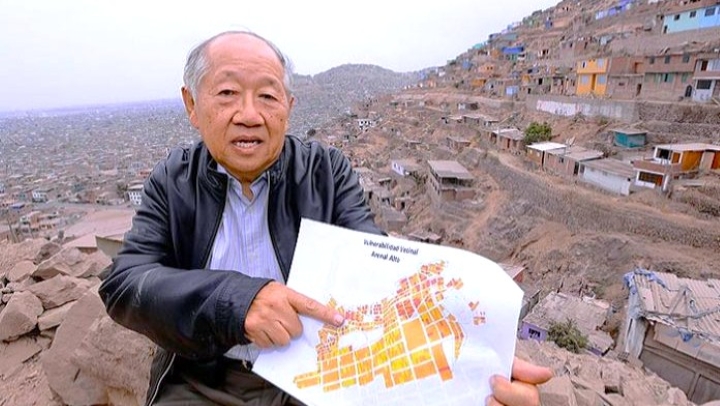
Dr. Kuroiwa dedicated more than half a century to reducing earthquake damage in Peru, working through CISMID as his base. He passed away in 2019, and I did not have the opportunity to meet him in person. However, through my interactions with CISMID’s researchers, I continue to feel the strong trust and friendship toward Japan that he helped foster. His legacy as a leading figure in earthquake engineering remains deeply present today.
Knowledge and Human Resource Development at CISMID
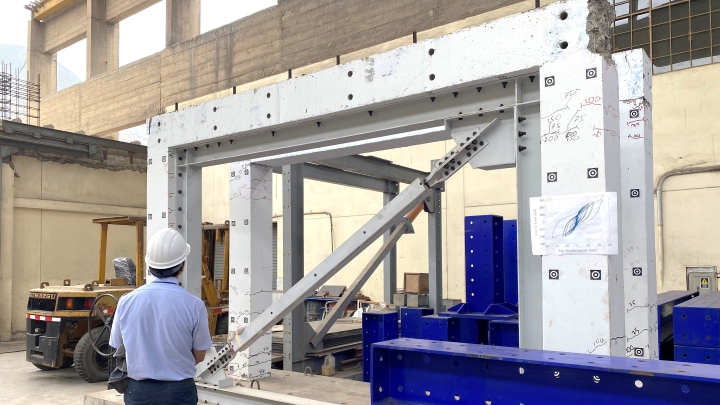
Over the past 40 years, CISMID has played an important role not only in research but also in human resource development. Many researchers, including Dr. Kuroiwa, have participated in training programs and graduate studies in Japan, applying what they learned to research at CISMID and to the development of the next generation of experts.
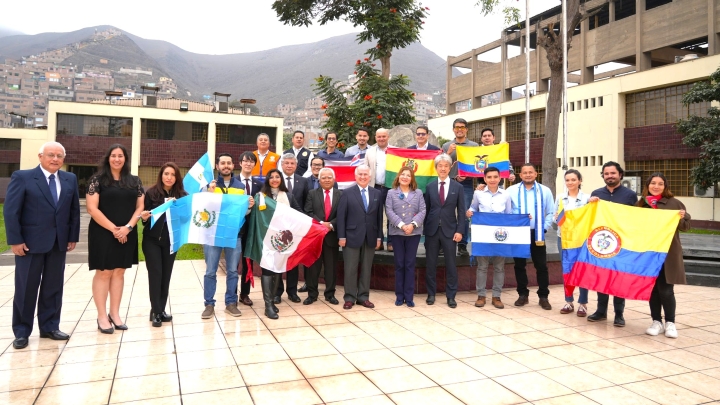
The knowledge accumulated at CISMID has also extended beyond Peru to other Latin American countries. Since 1989, with support from JICA, training programs have been conducted for government officials and engineers from across the region, providing opportunities to learn how to prepare for earthquakes and other disasters.
Through these efforts, Japan’s expertise and experience in earthquake and DRR have been shared throughout the region via CISMID, contributing significantly to strengthening disaster resilience across Latin America.
Japan and Peru, Moving Forward Together in the Next Decade
Today, Peru faces not only rapid urbanization but also emerging disaster risks such as heavy rainfall and flooding caused by the El Niño phenomenon. As disaster risks become increasingly complex, the role of DRR continues to expand.
In response, CISMID has been strengthening its efforts to apply its accumulated research in earthquake engineering and DRR to more practical approaches, including rapid damage assessment and its use in informing disaster response measures.
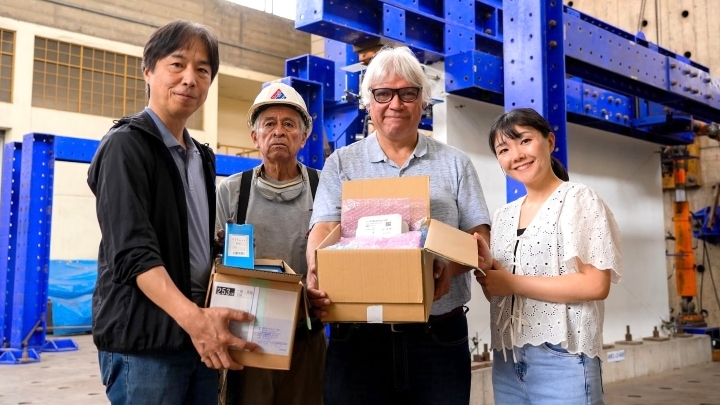
Since 2021, CISMID has also been working with Japanese research institutions under JICA’s Science and Technology Research Partnership for Sustainable Development (SATREPS). One key initiative is the development of an integrated real-time disaster information system, which collects and analyzes damage data from schools, train stations, and other facilities immediately after a disaster, and shares it with relevant authorities.
The goal of this system is to enable rapid rescue and relief efforts from the earliest stages of a disaster, while also contributing to long-term DRR. This collaboration, combining CISMID’s expertise with Japan’s knowledge and technology, continues to evolve.
The 40th anniversary of CISMID is not only a milestone to reflect on past achievements, but also a starting point for addressing new challenges with the next generation. DRR cooperation between Japan and Peru—two countries facing similar disaster risks—will continue to adapt to changing times and play an important role in protecting lives and livelihoods.