
Cocreating the Future of Chao Anouvong Stadium for a “Stadium for All”
2026.11.11
-

- Risa Shibata, Laos Office




2026.11.11
Located in Vientiane, the capital of Laos, Chao Anouvong Stadium is a national stadium built in 1950. Long cherished by local residents, the facility has gradually deteriorated over the years, leading to the launch of a JICA-supported renovation project in 2025.
Personally this was my first experience working on a stadium development project as part of an international cooperation initiative. Even within JICA, sports related projects are relatively uncommon. Throughout the project, I found myself reflecting on questions such as: What are we hoping to achieve through the renovation of this stadium? What is needed to ensure that a place that has been loved for generations continues to serve and inspire future generations?
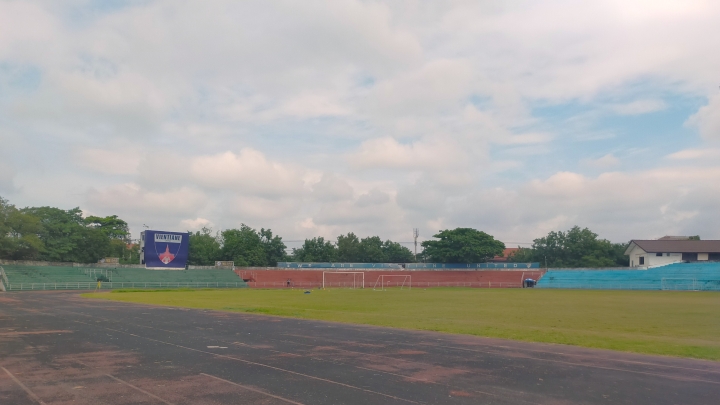
Pre-renovation stadium soccer field
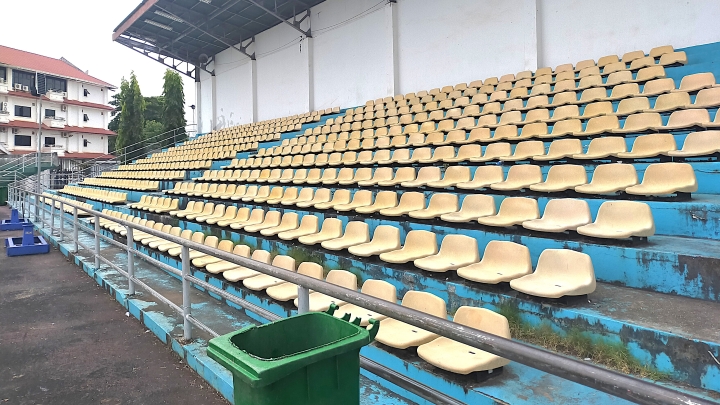
Pre-renovation stadium grandstand 1
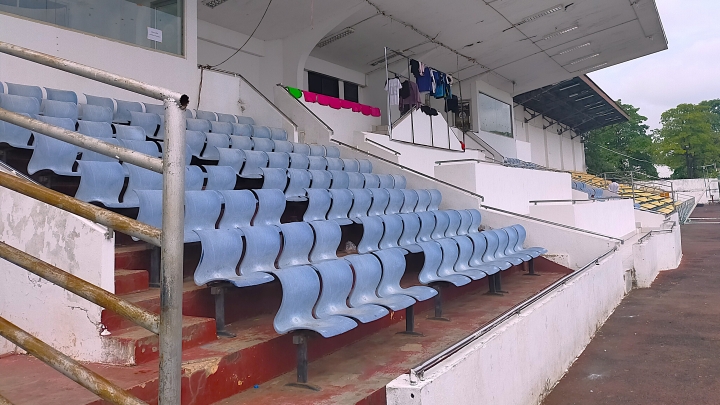
Pre-renovation stadium grandstand 2
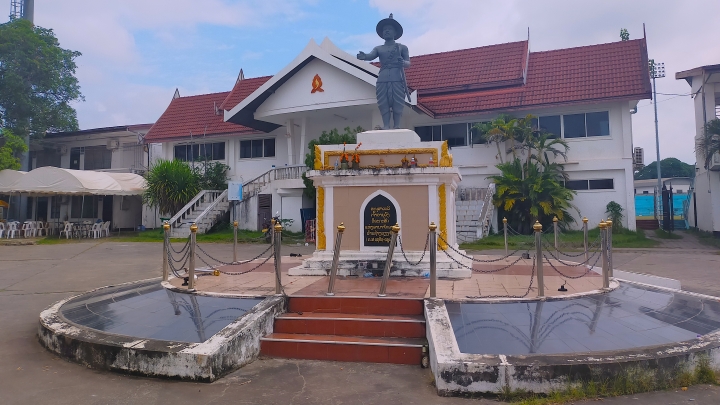
Pre-renovation stadium entrance (Chao Anouvong Statue)
One of the most striking realizations during the project was that people in Laos do not view Chao Anouvong Stadium merely as a sports venue. Rather, they see it as a shared community space where people gather, relax, and connect.
To explore how the stadium could continue to evolve into a place cherished by future generations, we visited several stadiums in Japan together with officials from the Lao Ministry of Education and Sports (MOES). One particularly inspiring example was ASICS Satoyama Stadium in Imabari City, Ehime Prefecture. Surrounded by schools, public squares, and other community facilities, the stadium had become deeply integrated into local life and was accessible to everyone, including persons with disabilities, children, and older adults.
Many of the Lao officials remarked, “We would like Chao Anouvong Stadium to become a place like this in the future.” The visit reinforced my belief that a stadium is not simply a building. It is a place where people come together, interact, and build community.
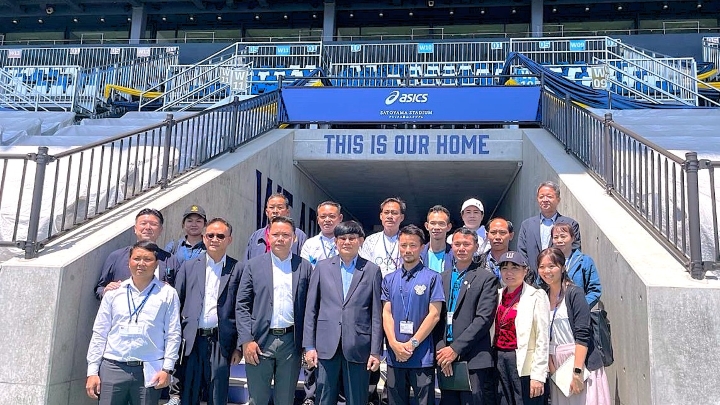
Training Program in Japan at ASICS Satoyama Stadium
With this vision in mind, we worked closely with MOES to initiate a range of activities during the construction period, while imagining what kind of place the stadium could become after completion.
At the groundbreaking ceremony in March 2025, we organized a para-dance performance with the support of the Asian Development with the Disabled Persons (ADDP) and the Japan Adapted Breaking Association (JABA). Seeing all participants, including students with disabilities, dancing energetically and smiling together left a strong impression on visitors and highlighted the importance of inclusion.
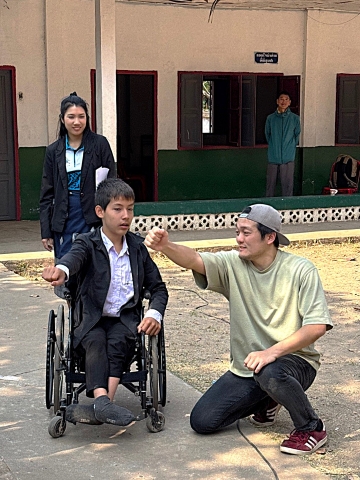
Para Dance1
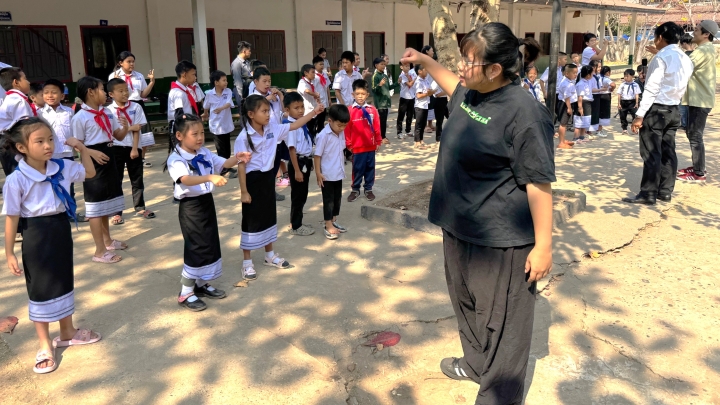
Para Dance2
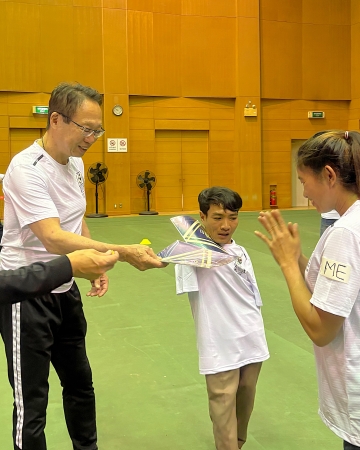
Inclusive Soccer1
Later that year, in December, we invited Takeshi Okada, owner of FC Imabari and former head coach of the Japan national football team, to Laos to participate in an inclusive football event. Watching people from diverse backgrounds play together reaffirmed the power of sport to connect people.
Interestingly, this visit also stemmed from our study tour in Japan. Lao officials were deeply inspired by the inclusive philosophy behind ASICS Satoyama Stadium and its strong ties to the local community. Many expressed a desire to learn directly from Mr. Okada, and through continued exchanges, his visit to Laos eventually became a reality.
The inclusive football event brought together participants with a variety of backgrounds, including visual and physical disabilities. It provided an opportunity to reflect on what truly inclusive sports look like and helped stakeholders recognize the importance of creating an environment in which persons with disabilities can naturally participate in future sporting events at the stadium.
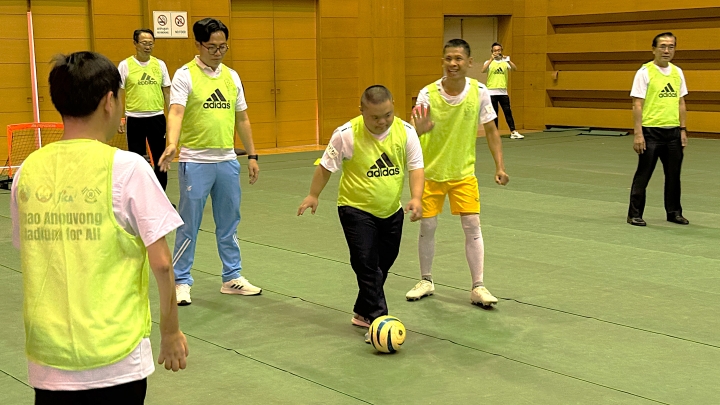
Inclusive Soccer2
In August 2026, we also organized an inclusive fashion show in collaboration with MOES.
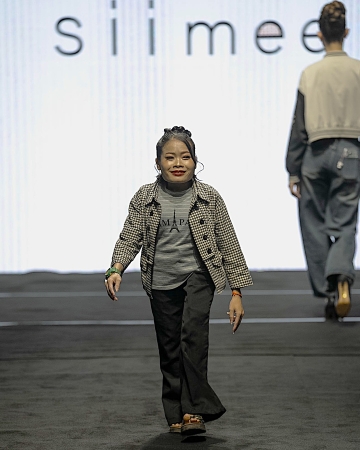
Inclusive Fashion Show1
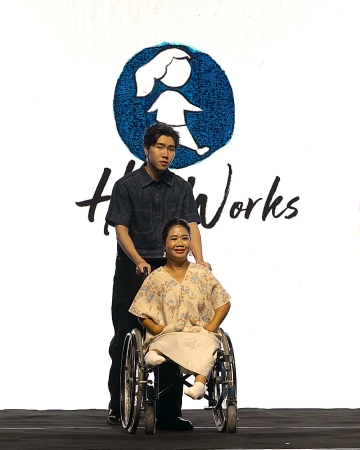
Inclusive Fashion Show2
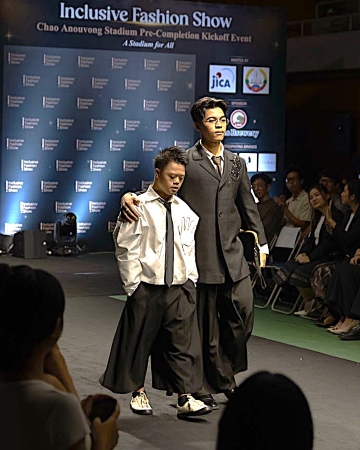
Inclusive Fashion Show3
In Laos, persons with disabilities still face significant barriers to social participation, and opportunities to appear as fashion models are rare. Organizing the event involved a great deal of trial and error, but it became possible thanks to the cooperation of designers, disability support centers, vocational training institutions, and many other partners.
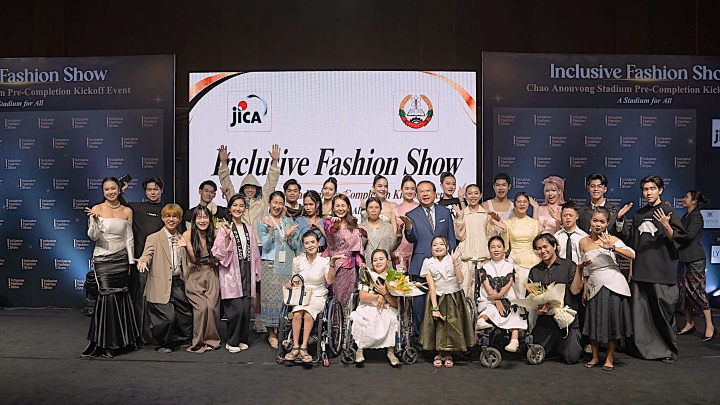
Inclusive Fashion Show4
The comments shared by participants were particularly memorable. One model with severe mobility impairments caused by cerebral palsy said:
“For twenty years, I lived a life of isolation. Today, I truly felt that I was shining.”
Another participant, a middle school student with autism and developmental disabilities, shared:
“I struggled to smile and lacked confidence. But when people applauded me on the runway, I was able to walk with a full smile for the first time.”
These experiences reinforced my belief that the stadium can be much more than simply a sports venue. It can also become spaces where people connect and thrive through music, culture, art, and other forms of expression.
One of the strongest lessons I have learned from this project is that a stadium's value is not determined when construction is completed. What matters is how the facility is used afterward and how it becomes embedded in people's lives.
Mr. Shuji HAYASHI of Azusa Sekkei, who oversees the renovation works, expressed that:
“After completion, we hope that the stadium will be used by diverse people, cared for by the community, and loved for generations to come.”
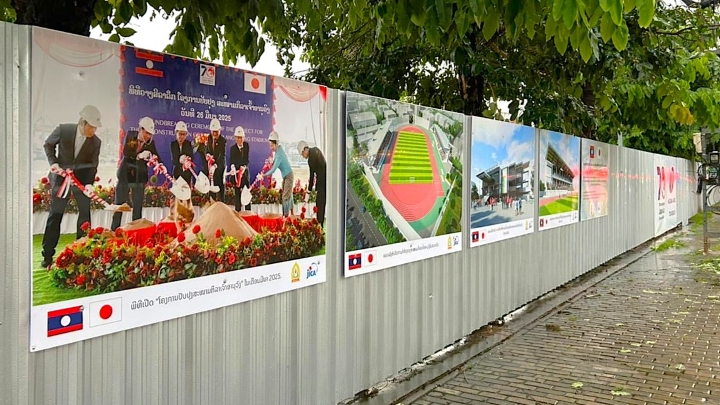
Stadium Construction Site1
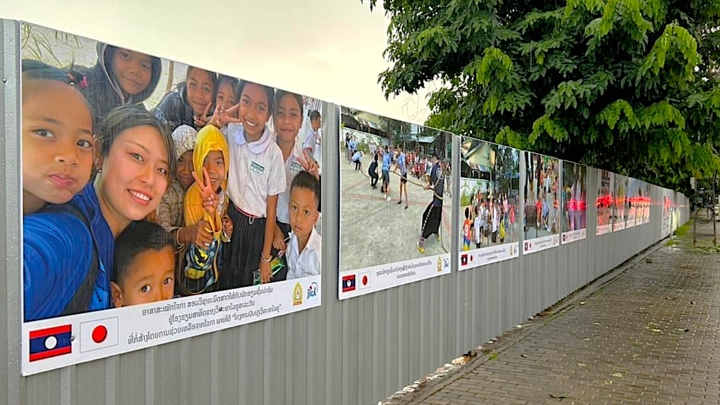
Stadium Construction Site2
Similarly, Mr. Takahisa ARAI, a JICA long-term expert responsible for supporting the operational and management aspects of the stadium project, reflected on the inclusive fashion show:
“I was pleased to hear so many people say they were moved by the event. But ultimately, the ideal society is one in which seeing persons with disabilities walking the runway is no longer considered extraordinary, and no one feels the need to be moved by it.”
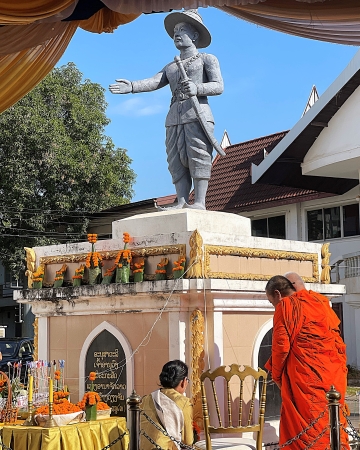
Relocation Ceremony of the Chao Anouvong Statue 1
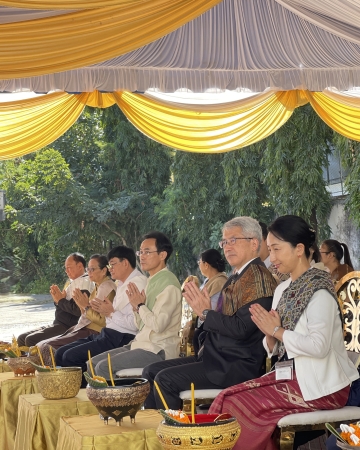
Relocation Ceremony of the Chao Anouvong Statue 2
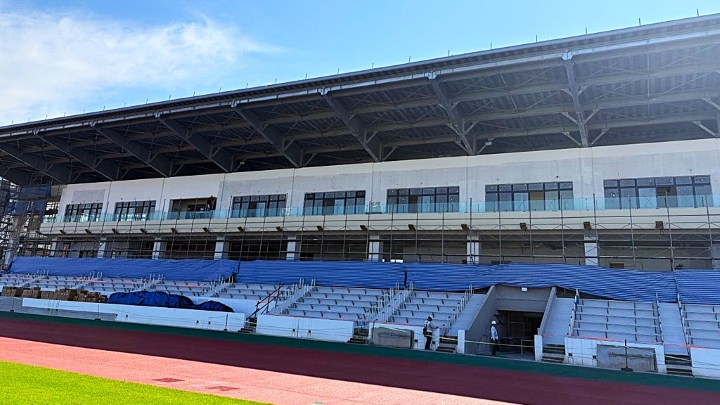
Stadium Construction Site3
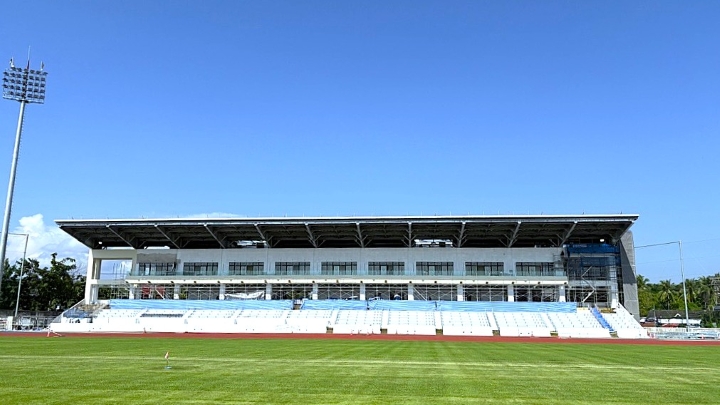
Stadium Construction Site4
The Chao Anouvong Stadium reconstruction project is more than renovating a physical structure. It represents a process of co-creation among Japan and Laos, public and private sectors, and people from diverse backgrounds, all working together to advance international cooperation through sports and beyond.
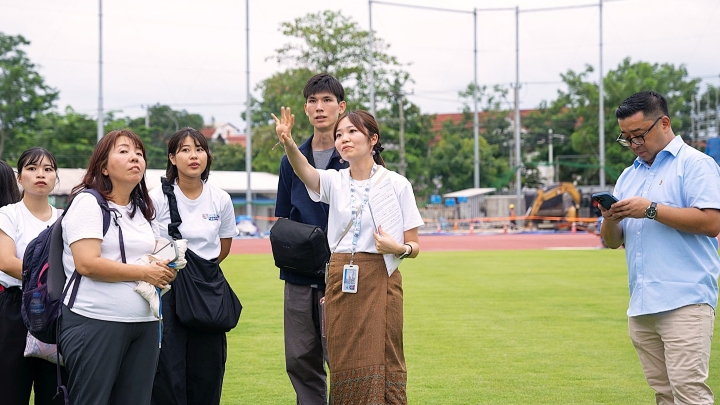
Stadium Construction Site Tour
I also personally hope that Chao Anouvong Stadium will become a lasting symbol of a place where everyone can gather, connect, and pursue new opportunities without barriers. More importantly, I hope it contributes to building a truly inclusive society in Laos, where everyone, regardless of disability, age, or gender, can participate, contribute, and thrive.
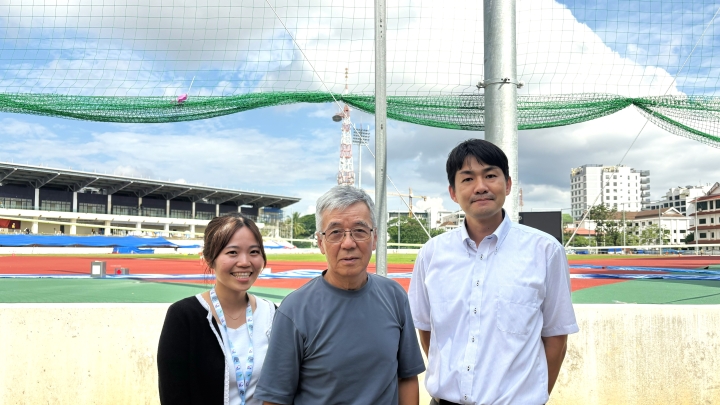
With Expert Arai and Mr. Hayashi (Azusa Sekkei) in Front of the Stadium
Sns share!


