
Connecting a Church to the Future: A New Step toward the Conservation of Raipinka Lutheran Church’s Cultural Heritage
[Goal 11] Sustainable Cities and Communities
2026.08.12






2026.08.12
I am a JICA volunteer working with the J.K. McCarthy Museum staff, where I am supporting activities related to cultural heritage conservation and information management.
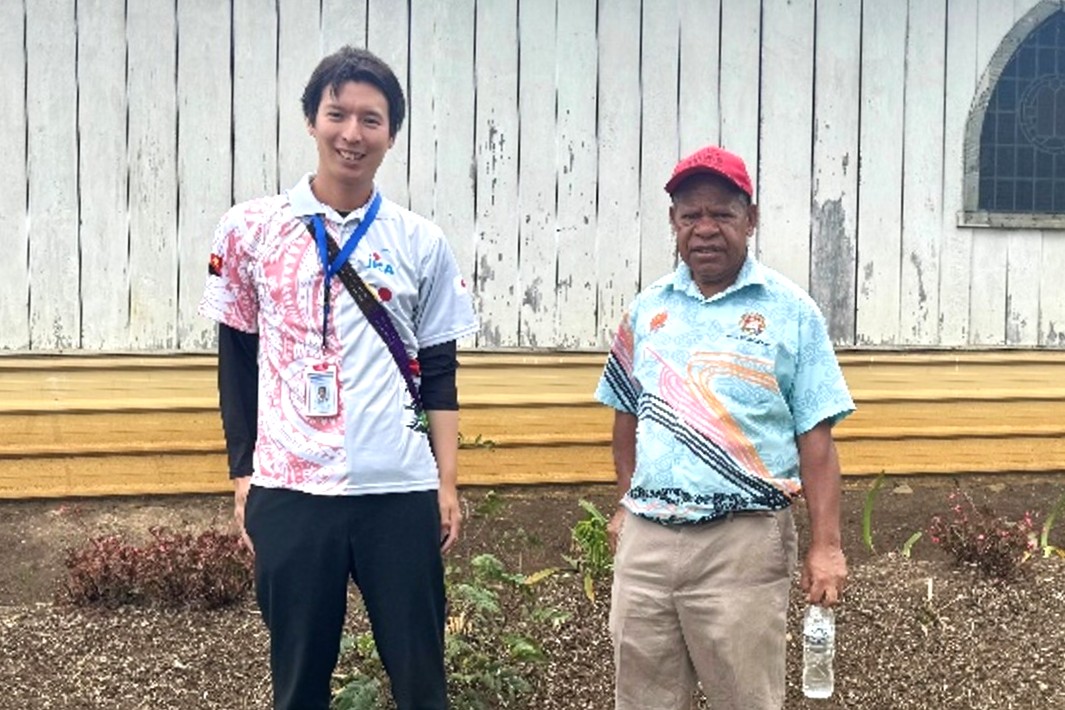
On Monday, 6 July 2026, I visited Raipinka Lutheran Church near Kainantu in the Eastern Highlands Province of Papua New Guinea.
Raipinka is home to a number of important heritage properties, including a historic church building, former missionary residences, burial grounds, historical records, and various cultural assets associated with worship and community life according to Mr. Vincent Pou, cultural heritage specialist.These are not simply old buildings or objects. They are valuable cultural heritage resources that reflect the faith, daily life, memories, and intergenerational connections of the local community.
Raipinka Lutheran Church, one of the important heritage buildings at the site, was built around the 1930s and is now believed to be more than 90 years old. It is regarded as one of the early Christian churches in the Highlands region. For many years, it has served not only as a place of worship, but also as a gathering place where community members come together and share their ideas to strengthen their relationships.
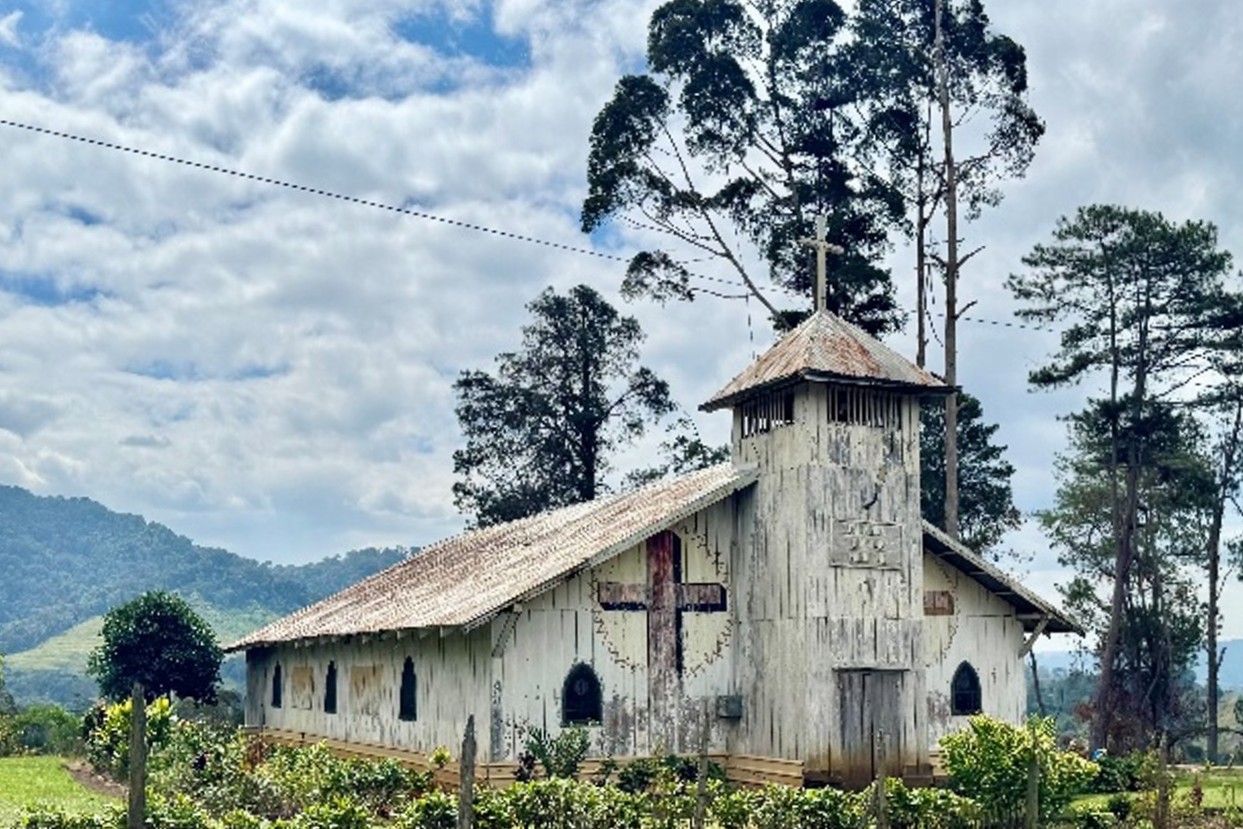
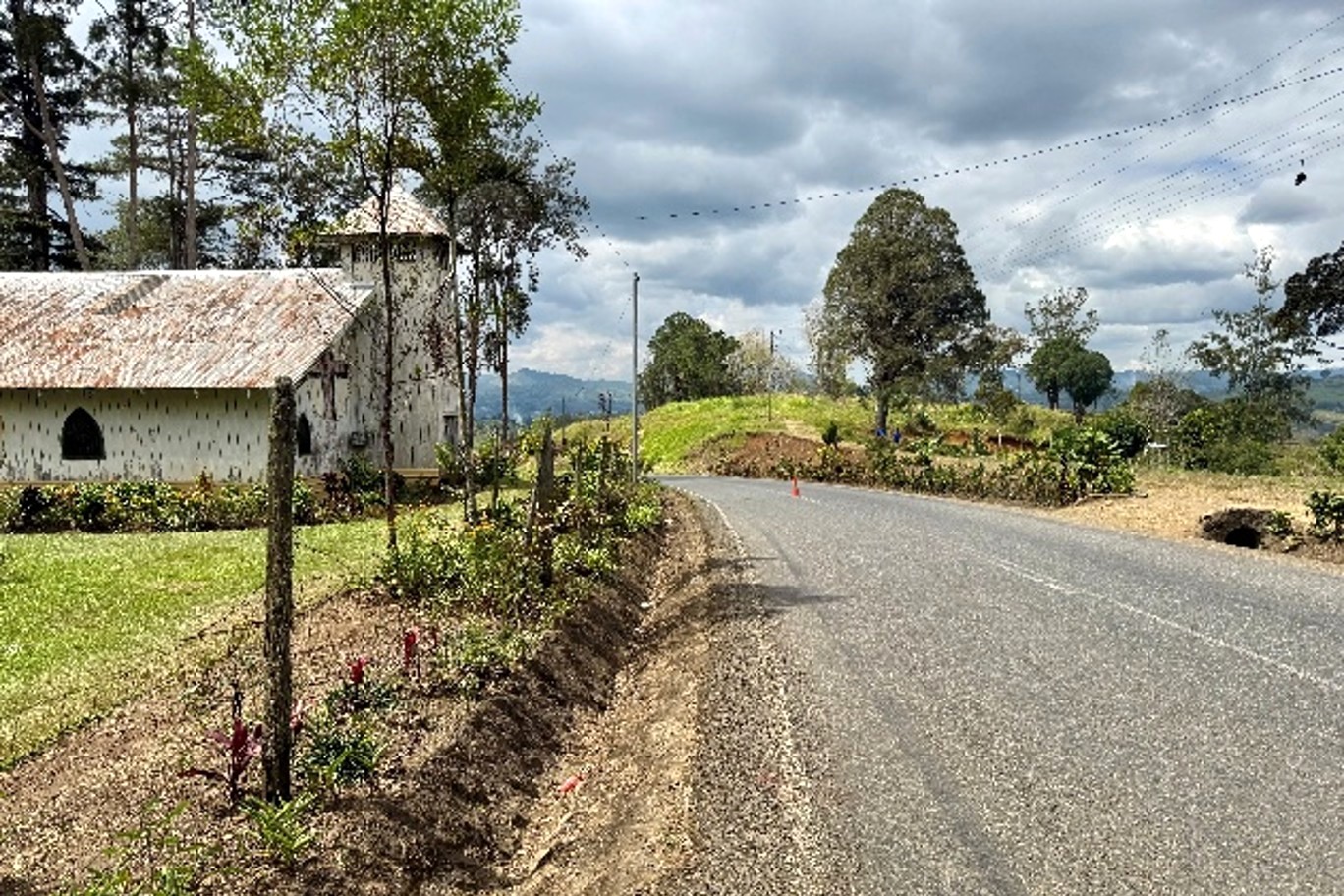
After more than a decade of cooperation and preparation done by staff of J.K. McCarthy Museum (JKMM) with the National Museum & Art Gallery of Papua New Guinea (NMAG), and the Evangelical Lutheran Church of Papua New Guinea (ELCPNG) signed a Memorandum of Understanding (MOU) on this day for the conservation of Raipinka’s built cultural heritage.
The MOU identifies a range of heritage resources for conservation, including the historic church, missionary residences, burial grounds, collections, and historical documents. It also places importance on documenting and safeguarding intangible cultural heritage, such as oral histories, traditional knowledge, worship practices, and community activities closely connected to the site.
As NMAG’s branch in Goroka, JKMM is expected to provide professional and technical support in areas such as museum planning, heritage documentation and cataloguing, digital preservation, exhibition development, and training for staff and local community members. Looking ahead, the partnership also considers the possible establishment and operation of a museum that will share the history and cultural heritage of Raipinka.
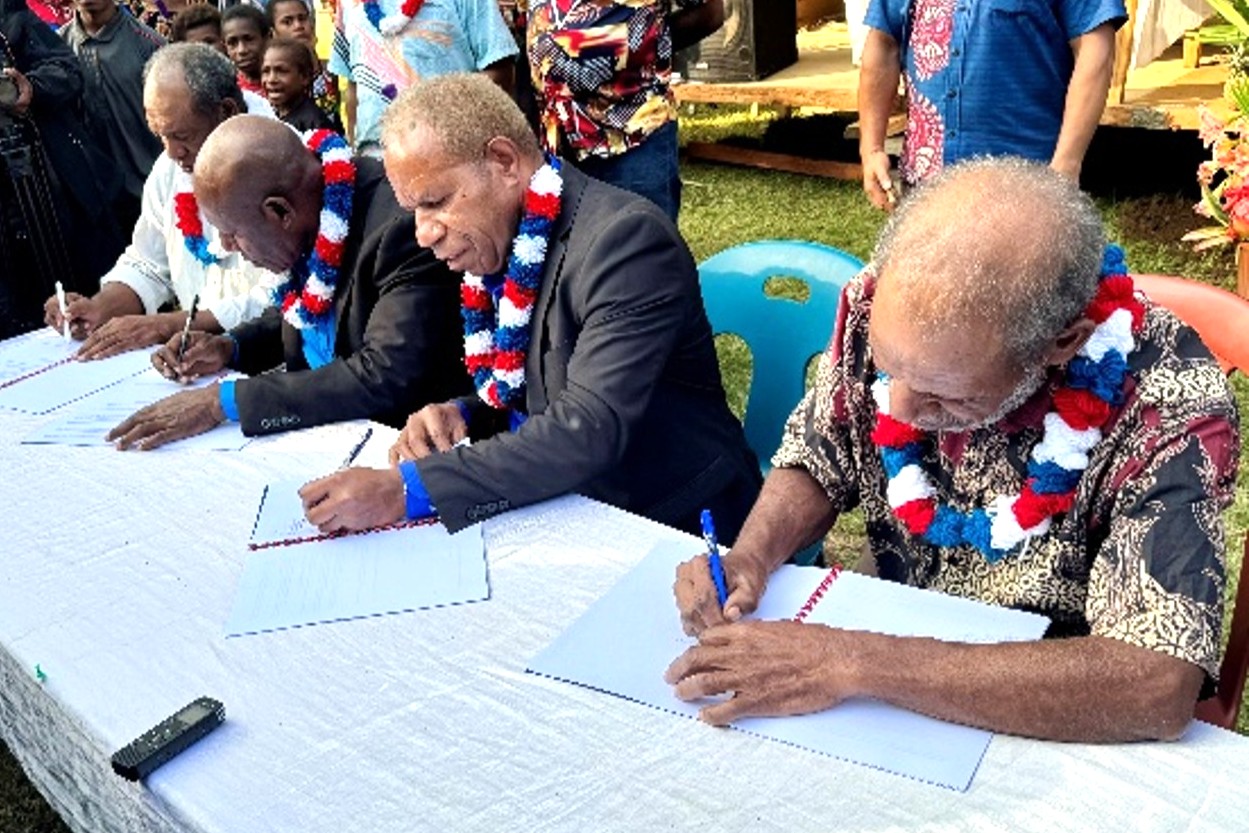
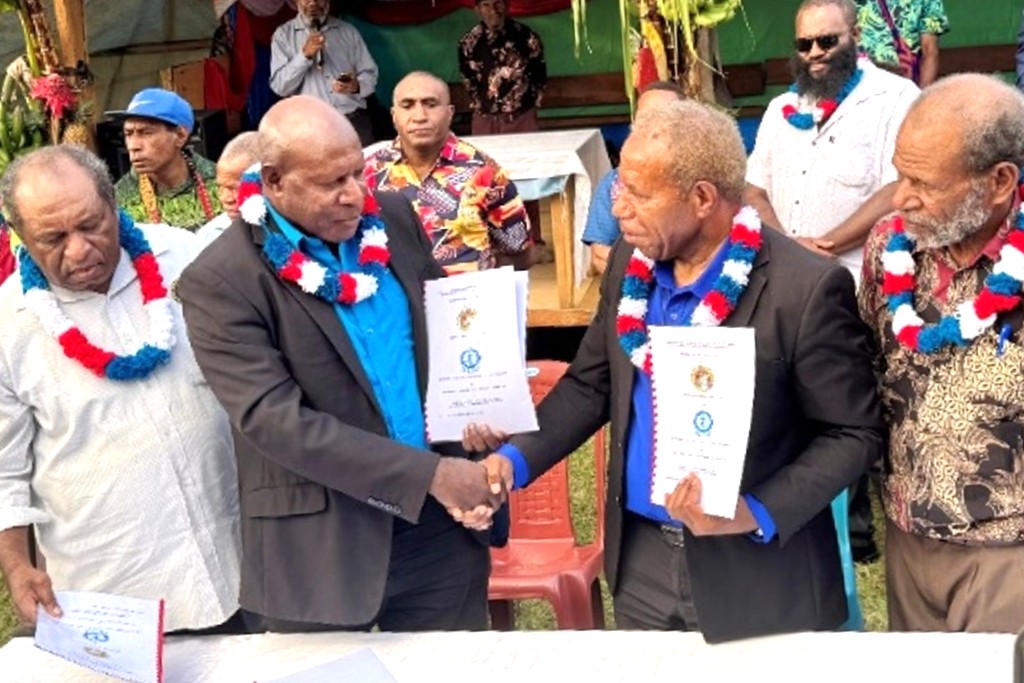
What particularly impressed me was that this initiative is not intended to be carried out only by heritage specialists. It emphasizes the participation of church members, local communities, women, youth, elders, and other stakeholders. Conserving cultural heritage is not only about repairing buildings. It is also about sharing the meaning and value of a place with the people connected to it, while passing its stories and significance on to future generations.
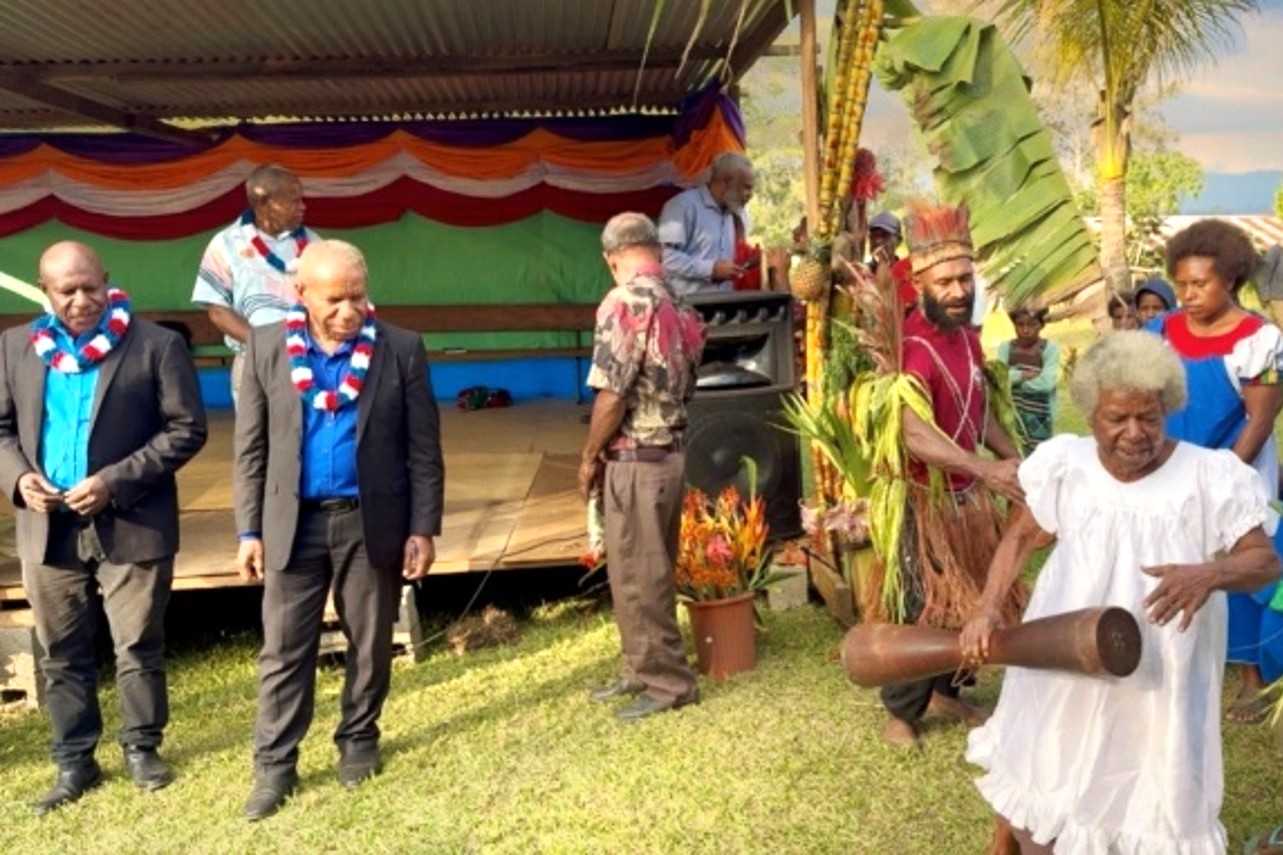
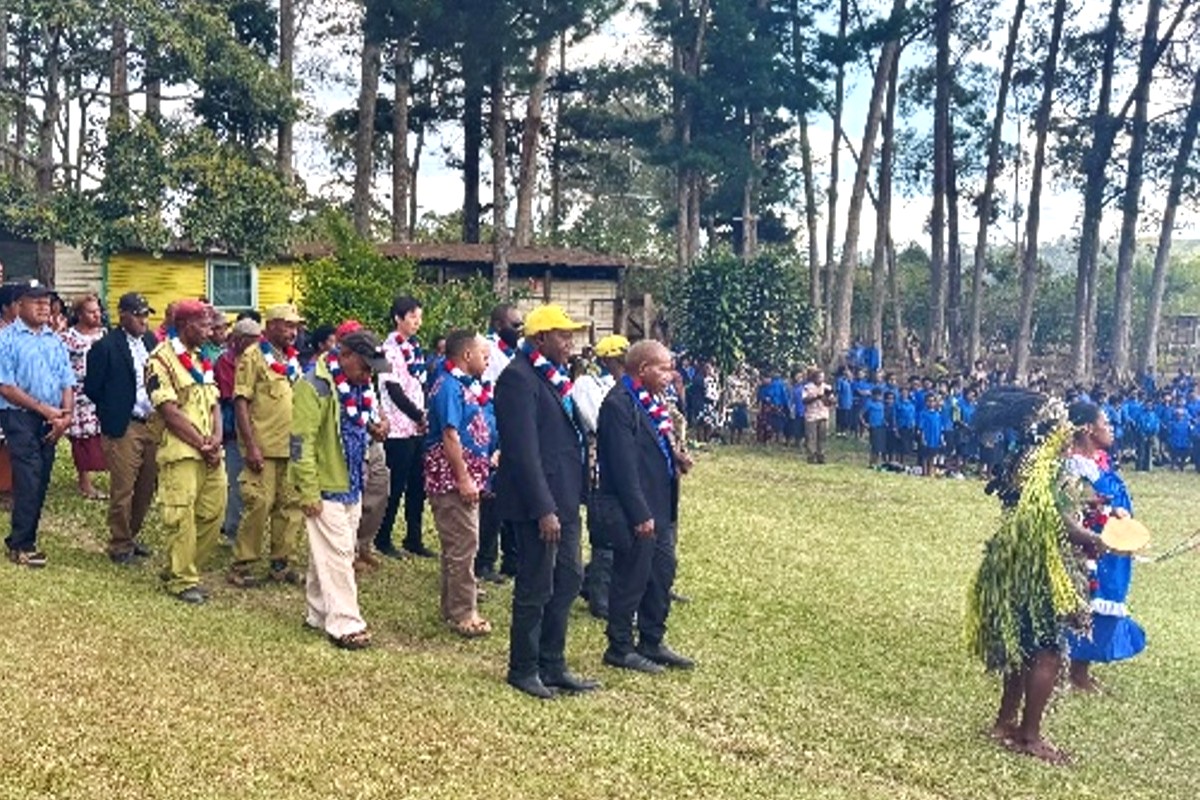
Surrounded by the green mountains and villages of the Highlands, Raipinka and its people continue to play an important role in conveying faith, history, and local pride. I hope that this initiative will help ensure that these heritage resources are carefully protected and sustained for generations to come.
As a JICA volunter member attached to JKMM, I hope to contribute to this initiative through future work in documentation, digital preservation, and information management.
Related Link
・Working Together, Learning Together: Four JICA Volunteers Share Their Experiences in PNG
・Returning to PNG to Share New Learning Former JICA Volunteer Yasunori Tada Visits PNG Again After 10 Years | Where We Work - JICA
・Japanese Educators Visit Papua New Guinea Exploring Educational Institutions and JICA-Supported Projects to Strengthen Japan–PNG Exchange
Please also visit our Facebook for our latest activities and events news
JICA Facebook Page
Sns share!


