




scroll


Overview of JOCV (Japan Overseas Cooperation Volunteers) in Tanzania
JICA's volunteer program started in 1965. As of now, over 54,000 JICA volunteers have been dispatched to work alongside local communities in 98 countries and regions in the world. The program aims to achieve its three main objectives as follows:
- 1 . To cooperate in the economic and social development, as well as the reconstruction of developing countries
- 2 . To deepen mutual understanding and coexistence in cross-cultural societies
- 3 . To give back the volunteer experience to society

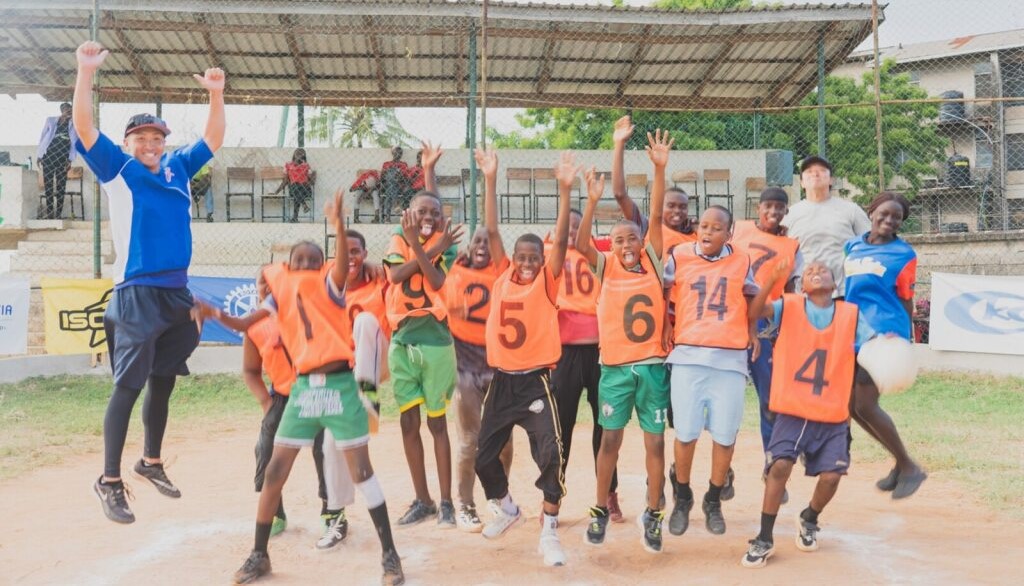
The first batch of Japan Overseas Cooperation Volunteers (JOCV) arrived in Tanzania in March 1967. It was the second batch to be dispatched to Africa. Since that time, about 1,700 Japanese volunteers have been dispatched to Tanzania. Volunteers live and work at the grassroots level, speaking the same language (i.e., Swahili) as the local communities and carrying out activities with an emphasis on fostering self-reliance for sustainable change.
The program in Tanzania focuses on three priority areas:
- 1 . Nurturing driving forces of economic growth
- 2 . Infrastructure development conducive to economic and social development
- 3 . Improvement of governance and public service delivery
Volunteers have worked in various areas of Tanzania, including the largest city (Dar es Salaam), inland area (Morogoro, Iringa and Dodoma), the Indian Ocean coast area (Bagamoyo, Pwani, Tanga), at the foot of Mount Kilimanjaro, inland city of Lake Victoria (Mwanza), high land areas (Mbeya and Ruvuma), along the Mozambique border (Mtwara and Lindi), and Zanzibar.
Volunteers are generally dispatched for two years, and JICA provides Swahili language training to volunteers before their assignments, since they work locally with the people of Tanzania for the development of the regions.