
Building the "Future of Aquaculture" in the Middle East and Africa in Türkiye—Third-country aquaculture training program resumed in Türkiye after approximately 10 years.
2026.02.27





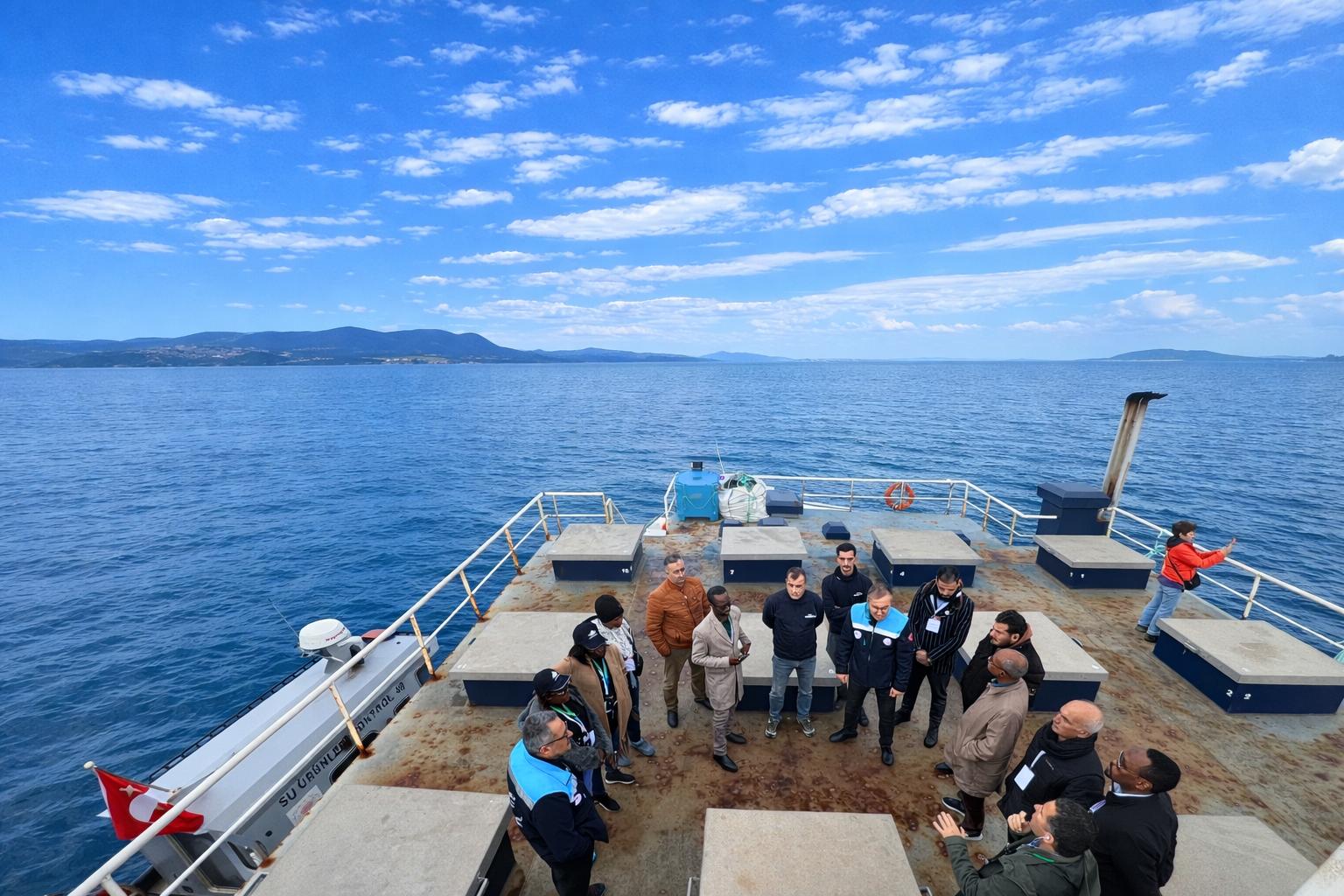
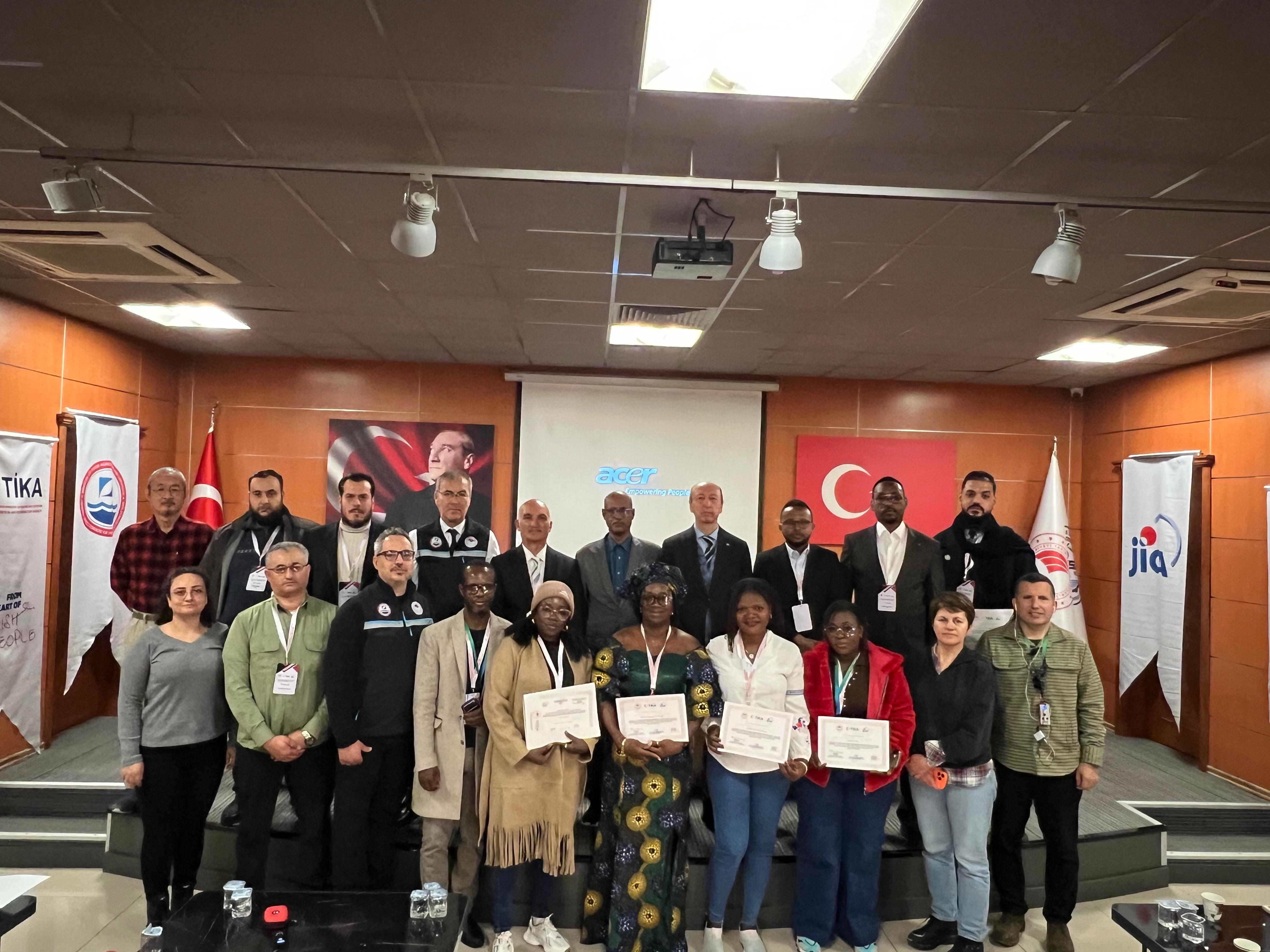
From February 1st to 11th, JICA, in collaboration with the General Directorate of Fisheries and Aquaculture (BSGM) of the Turkish Ministry of Agriculture and Forestry and the Turkish International Cooperation and Coordination Agency (TIKA), resumed the " Training Program on Development of Sustainable Aquaculture for Middle East and Africa" for the first time in approximately 10 years. Twelve participants from the Middle East and Africa region, including Senegal, Sierra Leone, Mauritania, Libya, Somalia, and Syria, participated. In Antalya & Mugla on the Mediterranean coast, the program combined on-site visits to seed production and fish culture facilities with the latest aquaculture theory and practical training, with the aim of developing practical human resources who will contribute to food security and boost the local economy.
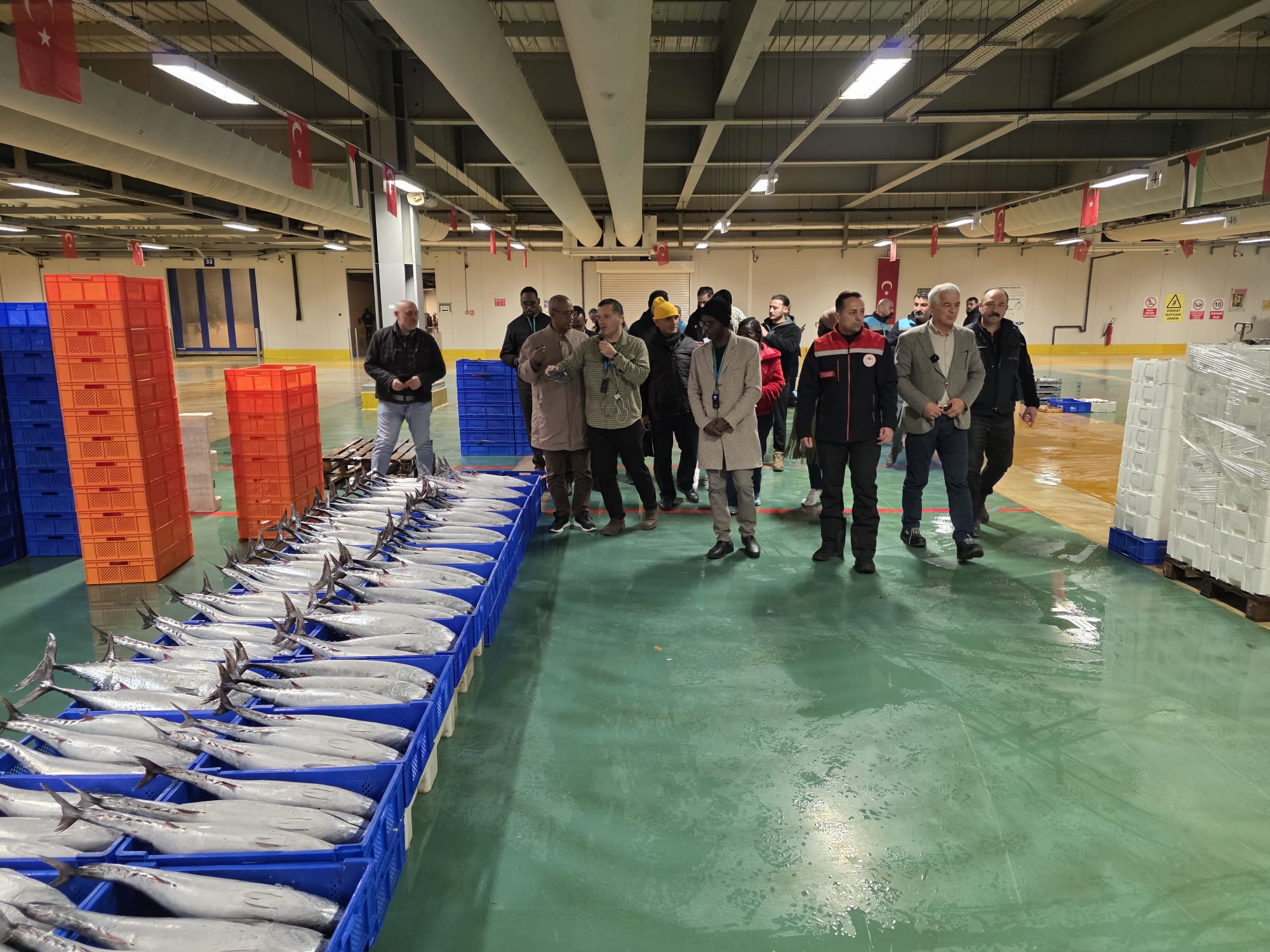
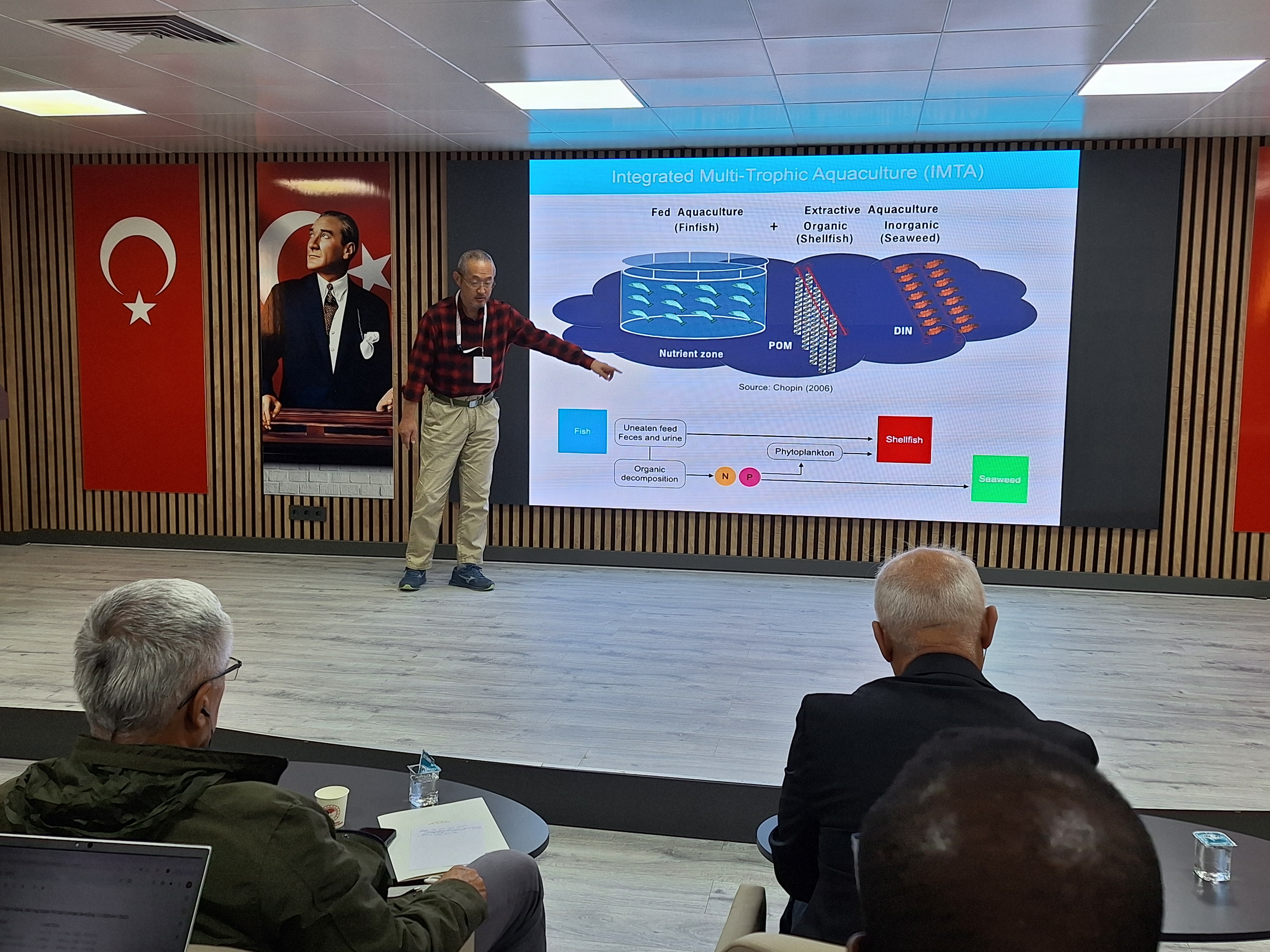
The training was primarily conducted at the Mediterranean Fisheries Research Production and Training Institute (AKSAM), an affiliate of BSGM, and participants learned through both practical and classroom learning about sea bass and sea bream aquaculture management, net cage aquaculture, fish disease diagnosis, prevention, and treatment, and feed and nutrition management. Mr Masashi Sato, an expert dispatched from Japan, also participated in the training, sharing his knowledge on environmentally friendly aquaculture and bivalve aquaculture. He also contributed Japanese expertise on design concepts that balance productivity and environmental conservation.
JICA has previously contributed to the development of Türkiye's human resources and technological infrastructure through technical cooperation, including seed production and fish disease control in the Black Sea. Since 2010, JICA has collaborated with Türkiye to train a total of 103 people in the Middle East, Central Asia, and Africa as part of international training programs. This latest program welcomed to 12 participants, and the next programs are expected to host 24 participants, and thus, Türkiye-based aquaculture cooperation for the Middle East and Africa will regain momentum.
The training participants shared the following comments:
"Aquaculture facilities are underdeveloped in our country, but there is growing hope for the expansion of aquaculture," said Mahmoud, a native of Idlib, Syria, who works at an aquaculture facility in Latakia. Mr Bilal, from Mauritania, added with shining eyes, "Aquaculture in Mauritania is just getting started. In addition to inland catfish and tilapia, we want to develop the entire fishing industry to meet increasing demand."
Within the scope of the training, participants not only gained knowledge from Turkish and Japanese experts, but also exchanged information with each other through country presentations they made during the training. In this respect, this training can be seen as an effort to facilitate potential collaborations between Türkiye, Japan and the 6 participating countries.
Türkiye and Japan share the same commitment to contribute to regional stabilization and the development of African countries. By partnering with Türkiye, a country that has emerged as a leader in the field of aquaculture, and cooperating in the implementation of training, JICA aims to promote the development of the fisheries industry and food security in Middle Eastern and African countries.
Sns share!


