
A Journey Worth Sharing: My academic, research, and cultural experiences in Japan! by Mutsa Muhambi
2026.02.26







PhD Global Dryland Science
Tottori University in Japan
October 2022 – March 2026
Introduction
This reflection highlights my academic, research, and cultural experiences in Japan, shaped through a JICA supported training course and my JICA sponsored PhD programme in Agriculture. It has been a transformative journey of learning, growth, and connection across cultures.
My Journey in Climate-Resilient Agriculture in Japan
In 2018, I had the privilege of participating in the JICA Training Course on Climate Change Adaptation in Tokyo, Japan. This experience equipped me with hands-on knowledge and skills in climate-resilient agriculture, sustainable agricultural production, soil fertility management, and environmental conservation. The training deepened my understanding of how climate change affects agricultural systems and exposed me to practical effective adaptation and mitigation strategies inspired by Japan’s best practices. This learning journey became a foundation for my academic growth and significantly influenced my professional and research path, strongly shaping my PhD research in Japan, where I focused on biochar, nitrogen fertilizers, greenhouse gas emissions, and soil carbon dynamics in perennial pasture systems.
PhD Journey in Agriculture - AGRINET Programme
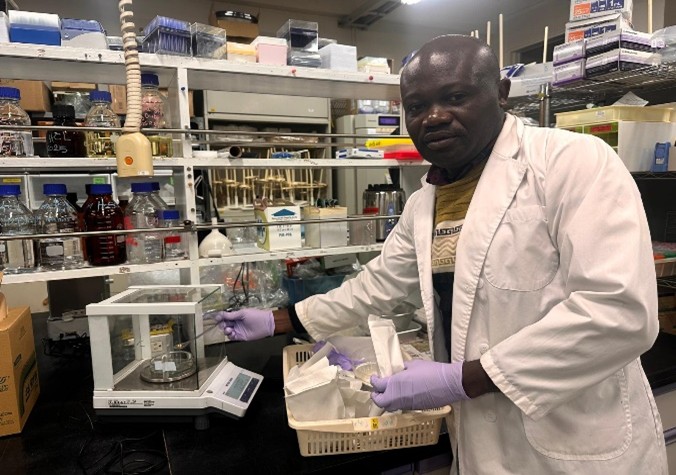
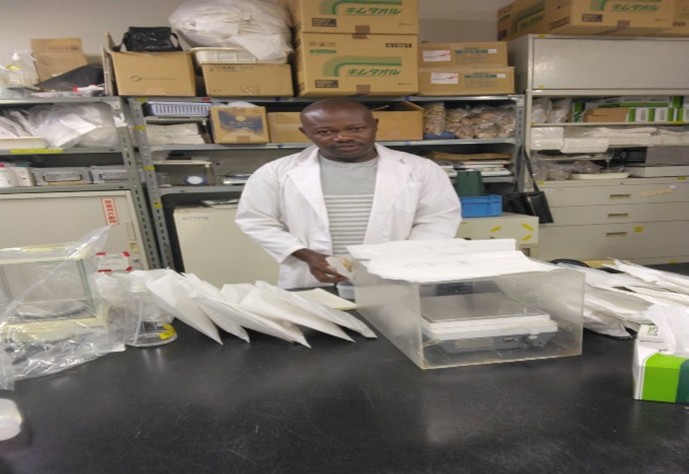
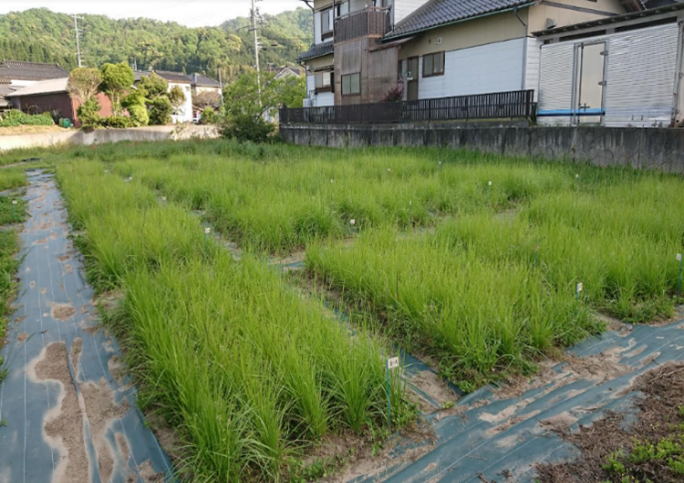
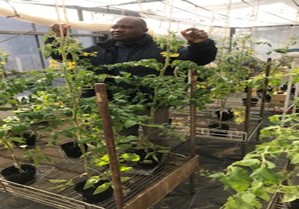
My PhD research investigated the effects of biochar and mineral nitrogen fertilizers on greenhouse gas emissions, soil carbon dynamics, and nutrient uptake in perennial pasture systems, specifically tall fescue and white clover. I established a long-term perennial pasture field experiment in the Tottori farming region of Japan to quantify greenhouse gas emissions following biochar application over a two-year period. In addition, I conducted complementary greenhouse experiments on the university campus to examine nutrient uptake and soil–plant interactions under controlled conditions.
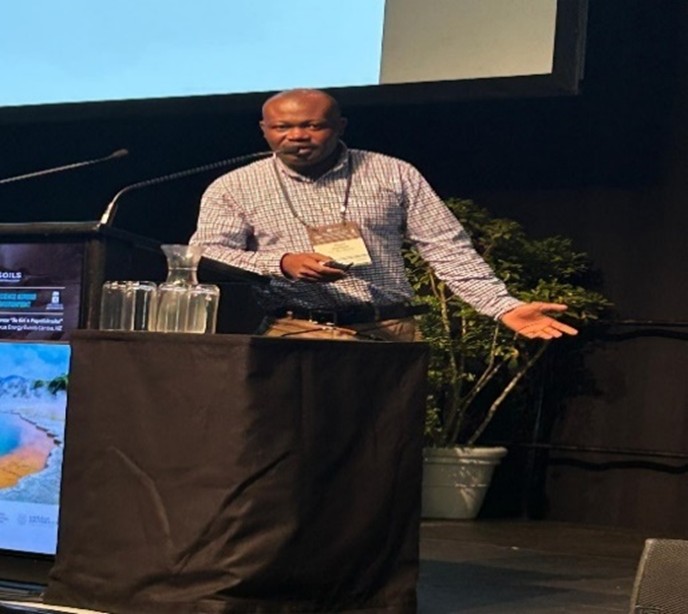
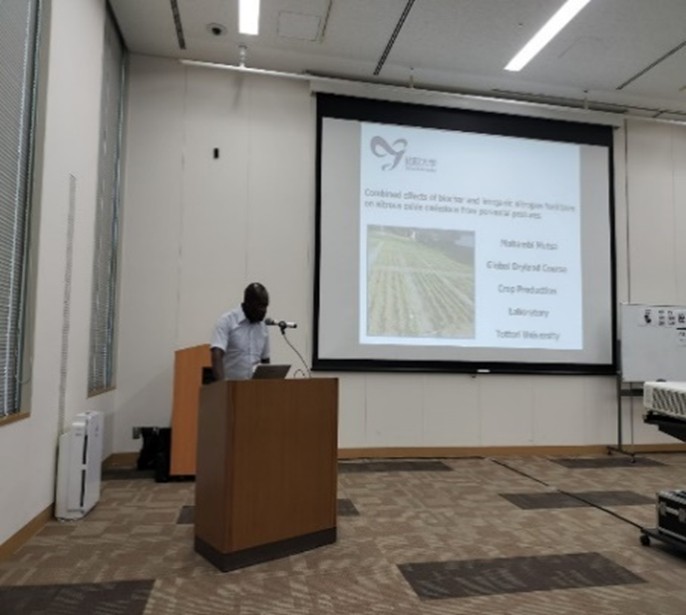
I actively disseminated my research findings through oral presentations at international scientific conferences, including the Japanese Society of Soil Science and Plant Nutrition (JSSSPN) Annual Meeting held at the Fukuoka International Congress Centre, Japan (3–7 September 2024), and the Joint New Zealand Soil Science Society and Soil Science Australia Conference, Weaving Soil Science Across Cultures and Environment, held at the Rotorua Energy Events Centre, New Zealand (3–5 December 2024).
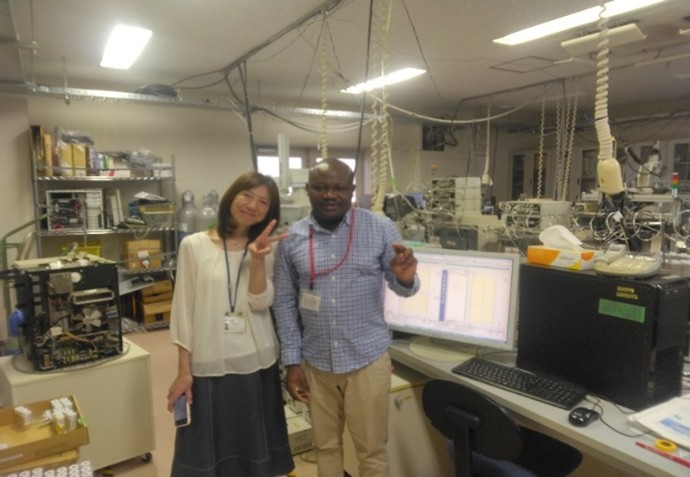
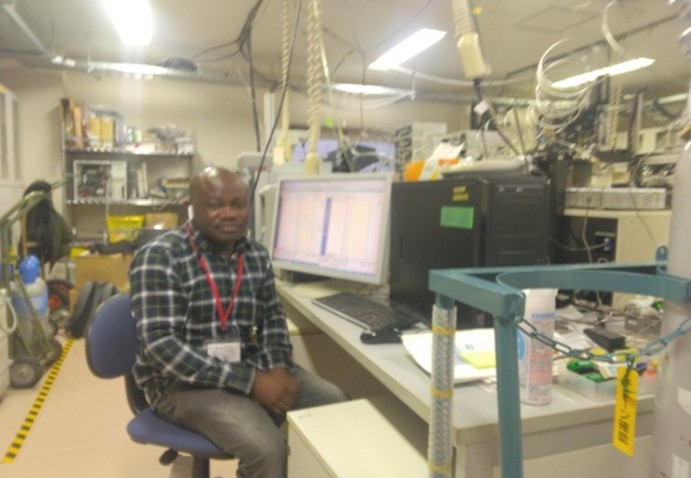
This research was conducted in close collaboration with Kubota Corporation, which supplied the rice husk biochar used in the experiments. I also received specialized training in the analysis of greenhouse gas emissions using gas chromatography at the Institute for Agro-Environmental Sciences (NIAES), NARO, Tsukuba, Japan. My project received additional financial support through a competitive research grant from the Japan Society for the Promotion of Science (JSPS).
From this work, I have published two peer‑reviewed scientific papers as sole author and co-authored four additional publications. Building on these findings, I intend to promote the application of biochar in Zimbabwean agriculture as a sustainable soil amendment to reduce greenhouse gas emissions, enhance soil fertility, and decrease reliance on inorganic nitrogen fertilizers such as urea, which are major contributors to N₂O emissions.
This journey has strengthened my passion for climate‑smart agriculture and reinforced my commitment to advancing sustainable farming systems in Zimbabwe and beyond.
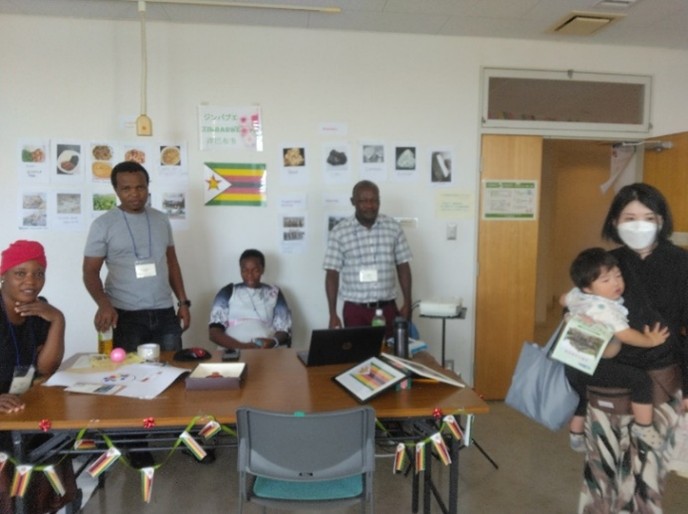
Life in Japan & My Cultural Experience
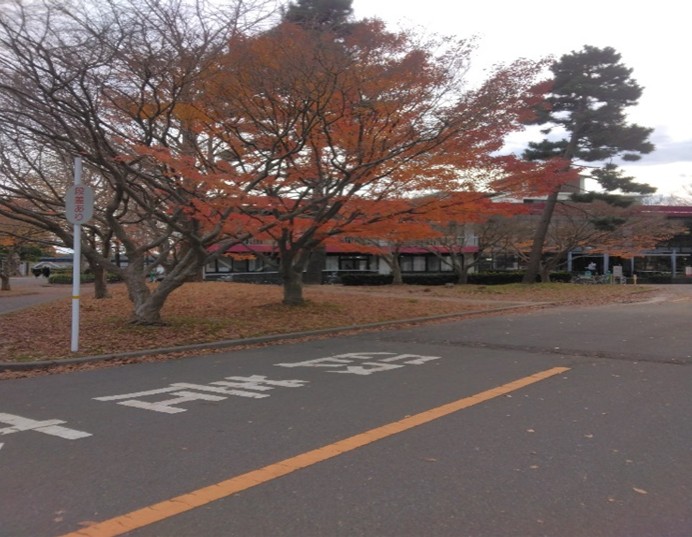
Living in Japan was an unforgettable journey that provided rich cultural and social experiences and beautifully complemented my academic and professional growth. Adjusting to Japan’s unique seasons was a remarkable part of the experience. I witnessed snowfall for the very first time and learned to navigate the hot, humid summers of Tottori, which strengthened my resilience and adaptability.
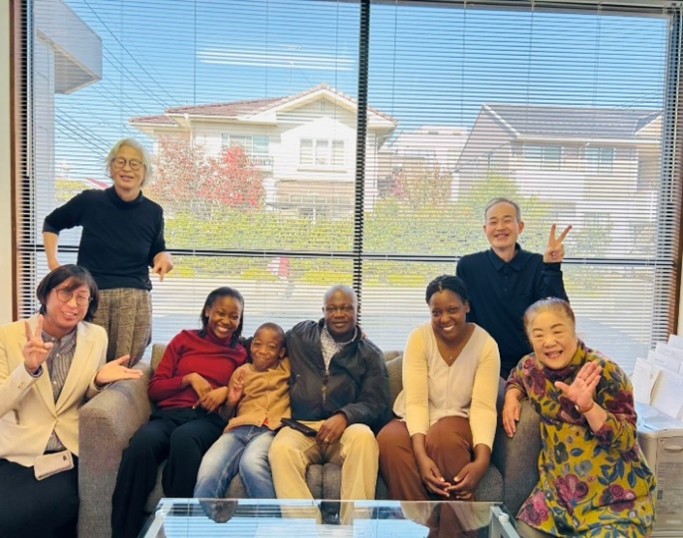
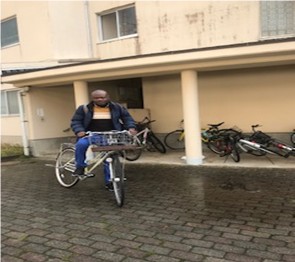
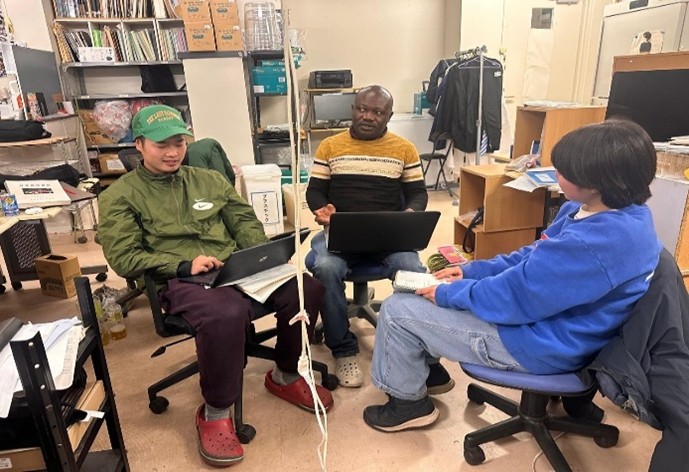
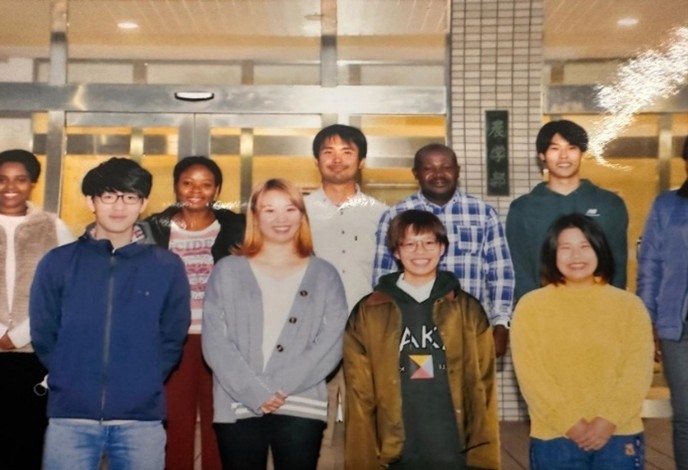
I immersed myself in the local community, built meaningful friendships with Japanese colleagues, and enjoyed a wide variety of delicious Japanese cuisine. These daily interactions deepened my appreciation for Japanese culture, values, and way of life. Cycling to the university became part of my daily routine, keeping me healthy while allowing me to enjoy Japan’s safe, well-organized, and environmentally friendly transport systems.
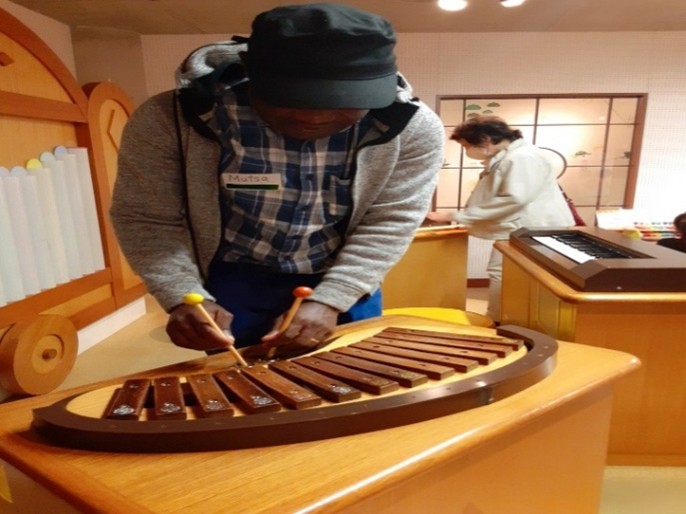
I also had the opportunity to visit major cities such as Osaka, Tokyo, Tsukuba, Fukuoka, and Hiroshima, exploring museums and cultural landmarks that enriched my understanding of Japan’s history, technological innovation, and its enduring commitment to peace and sustainability.
Overall, living in Japan broadened my global outlook, strengthened my intercultural communication skills, and reinforced core values of discipline, respect, and harmony, which are principles deeply embedded in Japanese society. I am truly grateful for this life-changing experience
Sns share!


