What Lies Beyond Conflict
In the manga “Shokatsu Koumei: Toki no Chiheisen”, or “Zhuge Liang Kongming: Horizon of Time” (SUWA Midori), the main character named Kongming continually considered not only the outcomes of battles, but also how to build systems and mechanisms that would prevent conflicts from recurring. This is because sustaining peace, he believes, is far more difficult than simply ending a war. Personally, I think that this insight is not limited to stories from the distant past, rather, it resonates strongly with the world today.
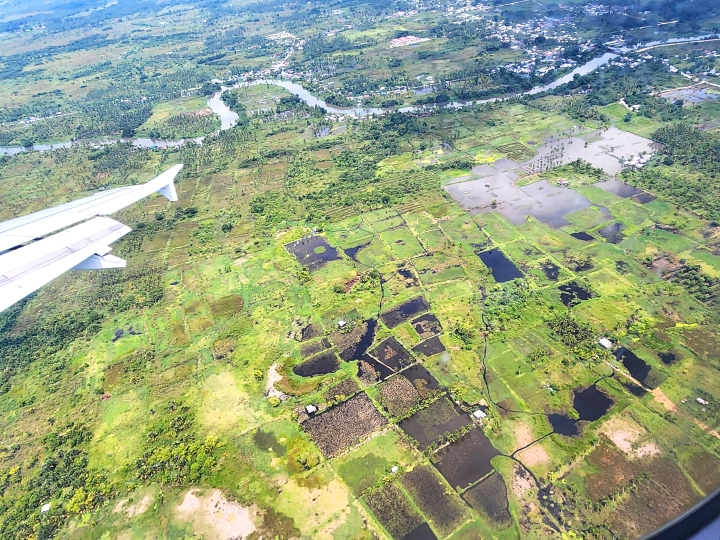
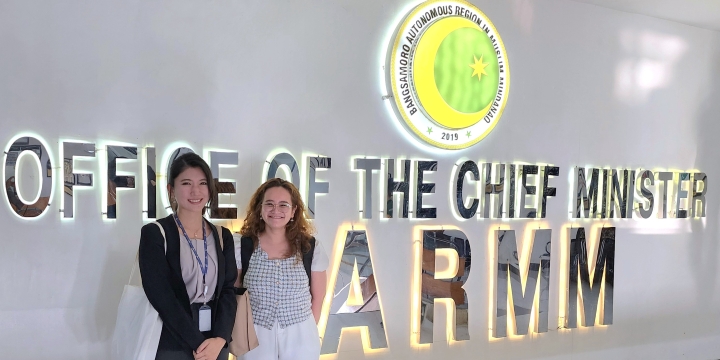
In the Bangsamoro region, located in the island group of Mindanao in the southern part of the Philippines — which celebrates the 70th anniversary of diplomatic relations with Japan — inequalities in land distribution and lack of economic opportunities arose against the backdrop of government migration policies. This led to an armed conflict lasting more than half a century between the Muslim people, known as the “Moro”, and the Government of the Philippines (GPH). However, despite repeated interruptions and tensions, both sides engaged in persistent dialogue over many years. As a result, the Comprehensive Agreement on the Bangsamoro (CAB) was signed between the GPH and the Moro Islamic Liberation Front (MILF) in 2014. Five years after, the Bangsamoro Autonomous Region in Muslim Mindanao (BARMM) was established.
Since the early 2000s, even when the situation was still unstable, JICA has been involved in supporting the peace process, under its late President Madam OGATA Sadako. JICA accompanied both the GPH and the MILF, closely standing by their side from the peace negotiations, through to the conclusion of the Agreement, and the ongoing effort to build the foundations of peace.
After an approximately seven-year transition period, on September 14, 2026, the region is set to hold its first parliamentary elections and establish a legitimate autonomous government elected by its people.
However, the signing of the peace agreement and the establishment of an autonomous government are not the end goal. Just like the manga, the real challenge lies in building a foundation that prevents conflict from recurring and in sustaining lasting peace.
Dialogue: Building a Society that Prevents the Recurrence of Conflict
When you hear "peace building, " what kind of support comes to mind? Construction of roads and schools might be easy to imagine. But what is truly important is preventing conflict before visible harm occurs. This involves supporting dialogue between opposing parties, strengthening the foundations that sustain peaceful daily life, and reinforcing the administrative capacity of the autonomous government, so that it can carry forward these efforts efficiently and effectively. The accumulation of these initiatives forms the basis for preventing the resurgence of armed conflict.
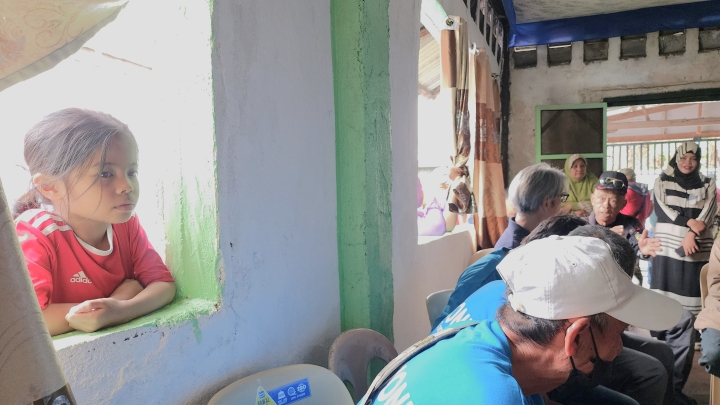
Peace does not simply mean the absence of gunfire. It means that children can go to school safely, people can access hospitals when they fall ill, and public services are delivered to everyone fairly. In short, it means building a society where every individual can feel peace in their daily lives. To achieve this, strong and resilient administrative systems and fiscal foundations that remain steady regardless of changes in political leadership are essential.
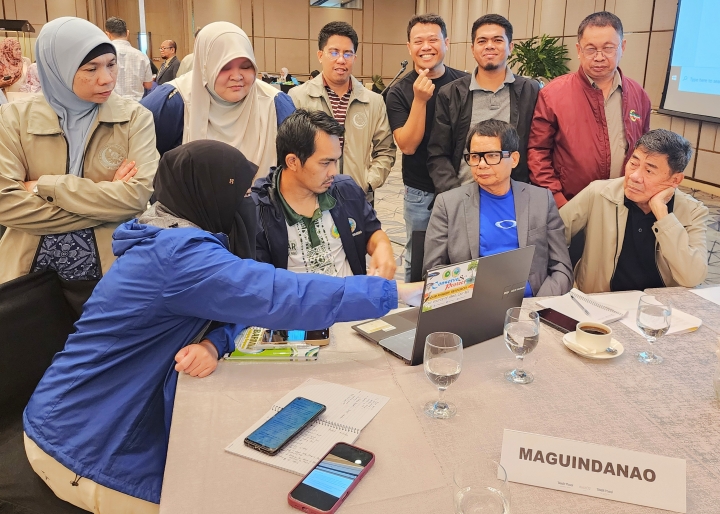
Therefore, JICA is currently working to strengthen public financial management and administrative capacity within the Bangsamoro Transition Authority (BTA), the interim government of the BARMM during the transition period; while putting in place mechanisms that sustain dialogue and build trust among the people, the BTA, and the Philippine government.
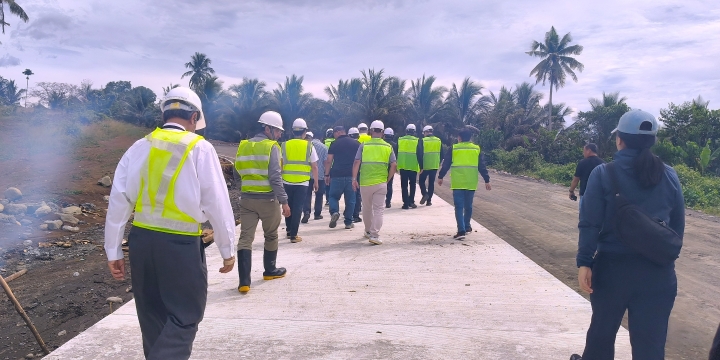
Furthermore, to enhance public services and strengthen fiscal foundations, it is essential to develop infrastructure that supports the movement of people, goods, and services. In BARMM, where development has long lagged behind, we must advance infrastructure development and administrative capacity-building in parallel, balancing economic growth with social inclusion so that no one is left behind. Building a vibrant market economy while preventing exploitation and exclusion – this, I believe, is the condition for sustainable peace and development.
Expanding Horizons of Peace
The experience of BARMM, which is set to establish an autonomous government through its first parliamentary elections this September, holds lessons that can be applied to other countries and regions facing similar challenges. Just like Cambodia, once severely affected by landmines, now shares its expertise in mine action with countries in Africa and Ukraine, the journey of BARMM—overcoming conflict, building political frameworks, and promoting economic development through infrastructure—can, in time, become a source of knowledge to support others. I believe that this process of coming into a position to share such experiences also deepens its commitment to sustaining its own hard-earned peace.
It is not a distant dream for BARMM — born after half a century of conflict — to one day share its peace process with the world and contribute to the international community.
Peace is not something that simply exists in a finished form; it is a journey that must be continually pursued. Like the horizon, it expands as long as we keep moving forward. We receive the baton passed down by those who came before us and carry it on to the next generation. JICA will continue to walk alongside the people of Bangsamoro, supporting the horizon of peace they envision.