
Final Report Meeting on the JICA Partnership Program (JPP) for Establishment of the Older People Care System for Coming Ageing Society in Nepal
2026.06.03





The completion report meeting for the JPP, “The Project for Establishment of the Older People Care System for Coming Ageing Society in Nepal”, was held at the Namobuddha Municipality Office. During the meeting, the project’s achievements, lessons learned, and future prospects were shared.
This project was implemented from October 2024 to May 2026 in Kathmandu Metropolitan City and Namobuddha Municipality, in collaboration with the Nayoro City Social Welfare Institute of Japan and the local partner organization, Ageing Nepal. Against the backdrop of rapid population ageing, the project aimed to strengthen the older people care system in Nepal through human resource development and the establishment of community-based care mechanisms.
Background and Objectives
While Nepal is steadily experiencing ageing population, systems and human resources for older people care remain insufficient even in urban areas. This issue is particularly serious in rural and peri-urban areas, where depopulation is progressing and the number of older people living alone is increasing. As a result, there is a lack of systems to support older individuals and their families.
In response to this situation, the project worked to enhance the knowledge and skills of staff at care facilities and to strengthen community-level support by utilizing Female Community Health Volunteers (FCHVs). Rather than simply introducing Japanese care models, the project emphasized adapting them to Nepal’s cultural, social, and institutional contexts.
Key Achievements Shared at the Report Meeting
At the meeting, the implementing organizations reported the following major achievements:
・Visualization of living conditions and health issues of older people through a community survey conducted in Namobuddha area
・Training provided to 31 staff from 21 care facilities in Kathmandu (focusing on practical caregiving skills and basic knowledge)
・Capacity building of 11 FCHVs, leading to improved awareness activities, home visits, and community engagement related to elderly care
In particular, it was highlighted as a significant achievement for sustainability that trained FCHVs visited older individuals in their assigned areas (a total of 132 people) and further shared their knowledge with others. Additionally, older individuals have expressed that they look forward to regular visits by FCHVs and have voiced strong requests for the continuation of these activities.
Sustainability and Lessons Learned
The project also contributed to building networks among caregivers, FCHVs, NGOs, and local government officials. These networks can serve as an important foundation for continuing and expanding elderly care activities even after the project’s completion.
One of the key lessons learned was the importance of community ownership. By involving volunteers and local governments from the early stages of the project, a sense of ownership and responsibility was fostered among stakeholders, increasing the likelihood of sustained activities.
Way Forward
Although this project has come to an end, elderly care remains a long-term issue requiring continuous attention. JICA expects that the human resources developed, knowledge accumulated, and partnerships established through this project will contribute to improving the quality of life of elderly people in Nepal and serve as a foundation for future cooperation in the health, medical, and social welfare sectors.
JICA will continue to support Nepal in responding to changes in its demographic structure through people-centered, community-based approaches.
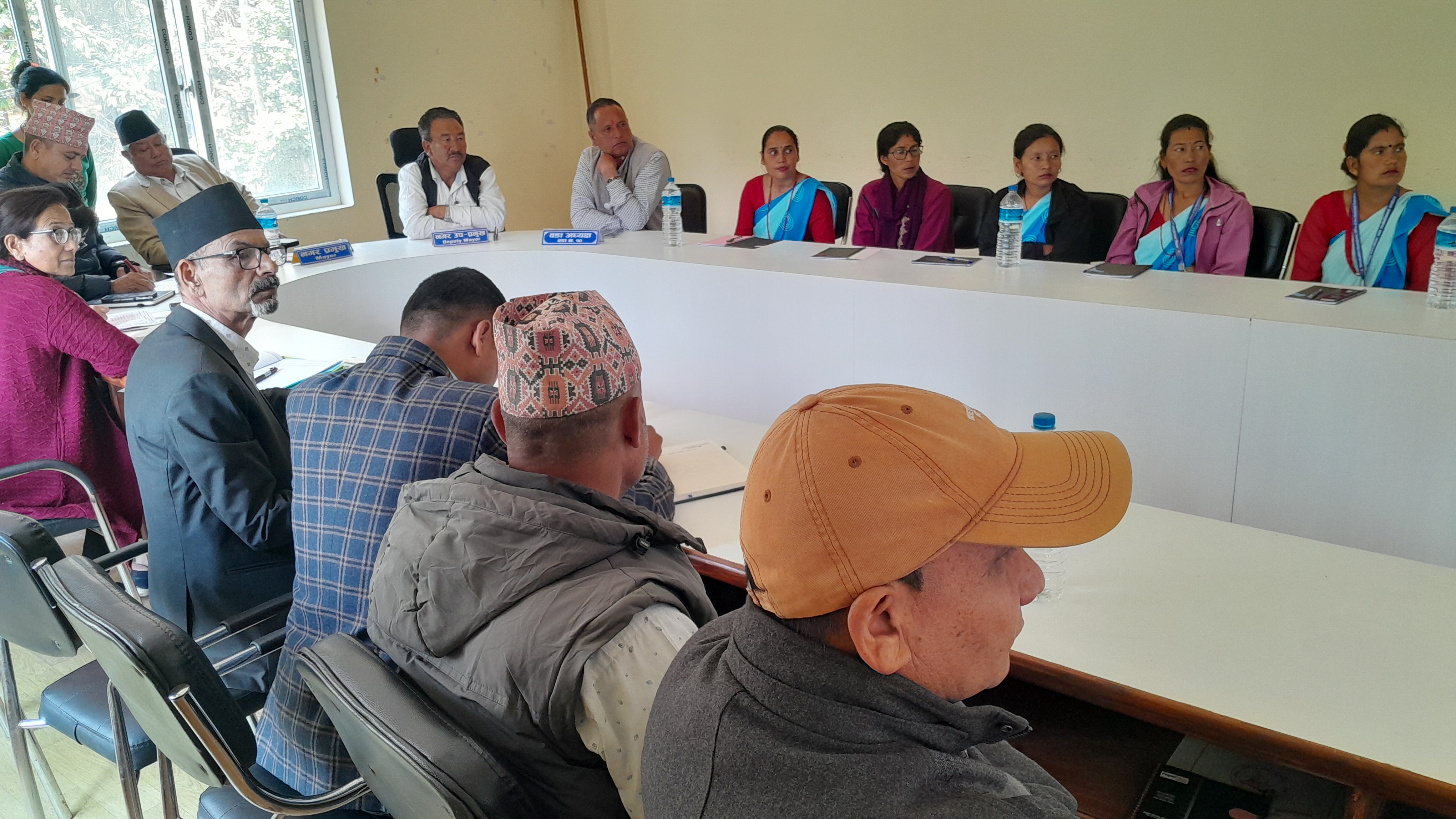
Namobuddha Municipality personnels including Mayor attended JPP’s final debriefing.
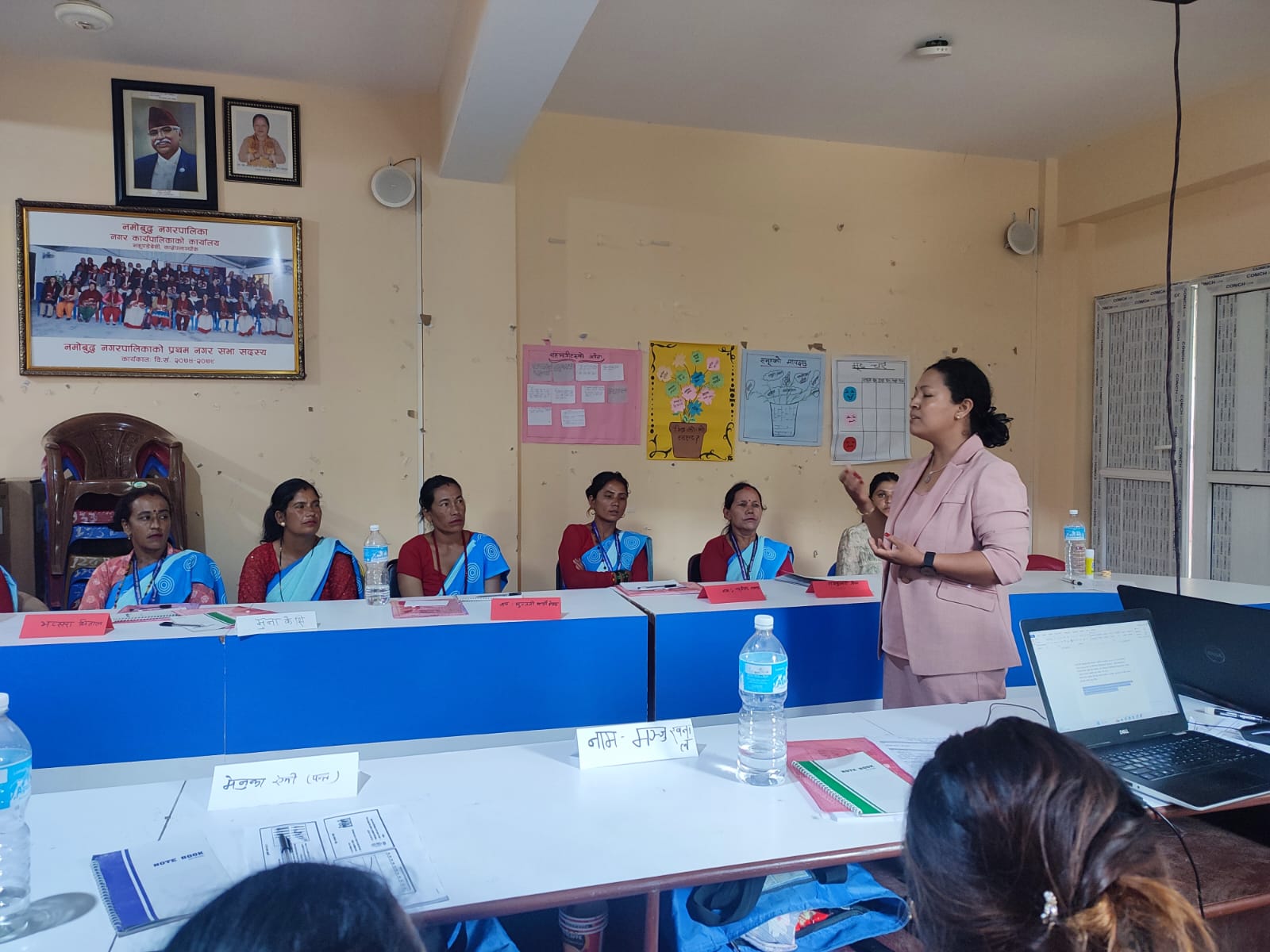
Ms. Ratee Pakwan, Geriatric Nurse of Bir Hospital, is conducting a training to Female Community Health Volunteer (FCHV).
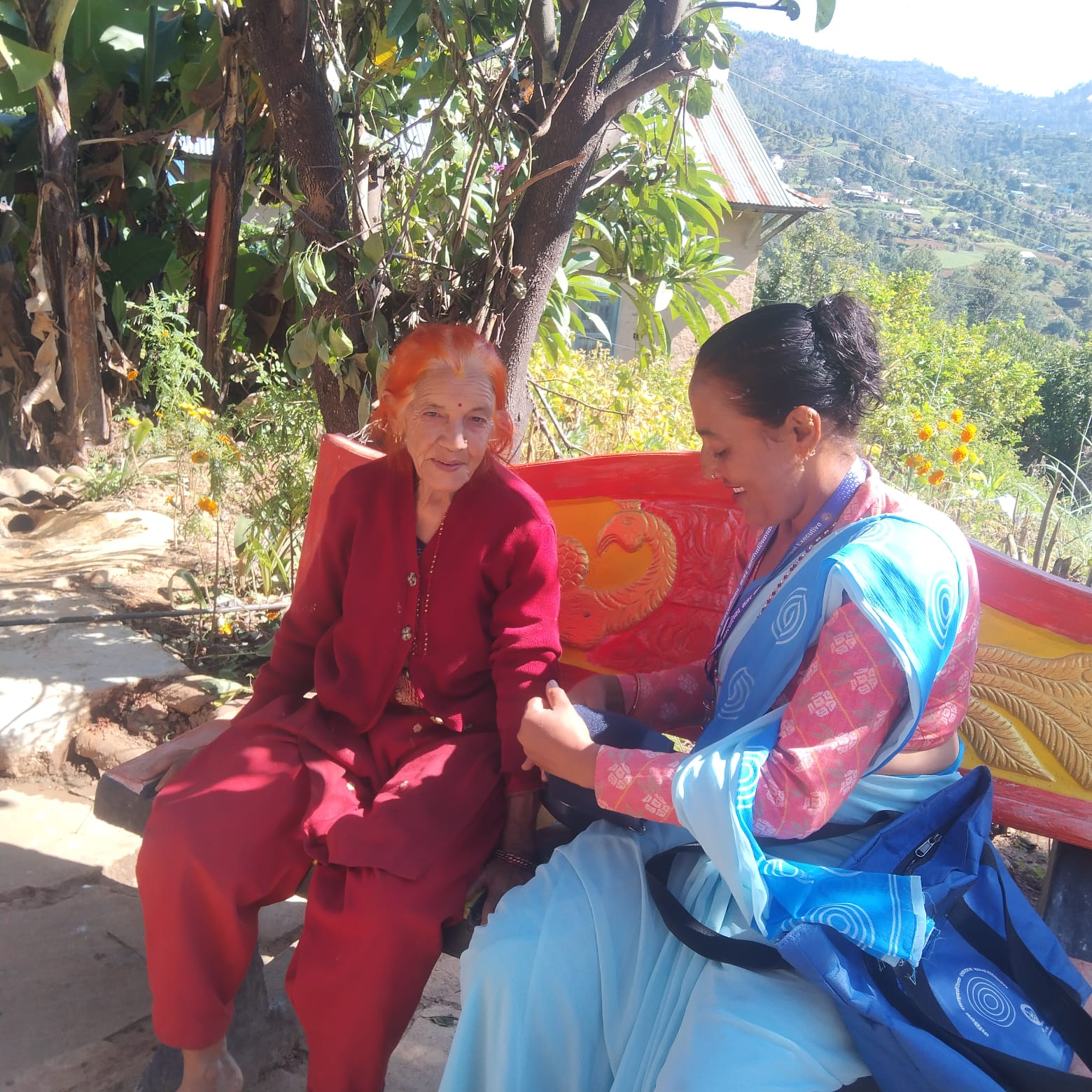
FCHV is practicing health check during home visit. FCHV was trained how to and what to observe senior citizen through JPP.
Sns share!


