
Growing Rehabilitation Services in Milne Bay.‐ JICA Volunteer Occupational Therapist Supporting Patients and Future Health Workers
[Goal 3] Good Health and Well-Being
2026.08.31






2026.08.31
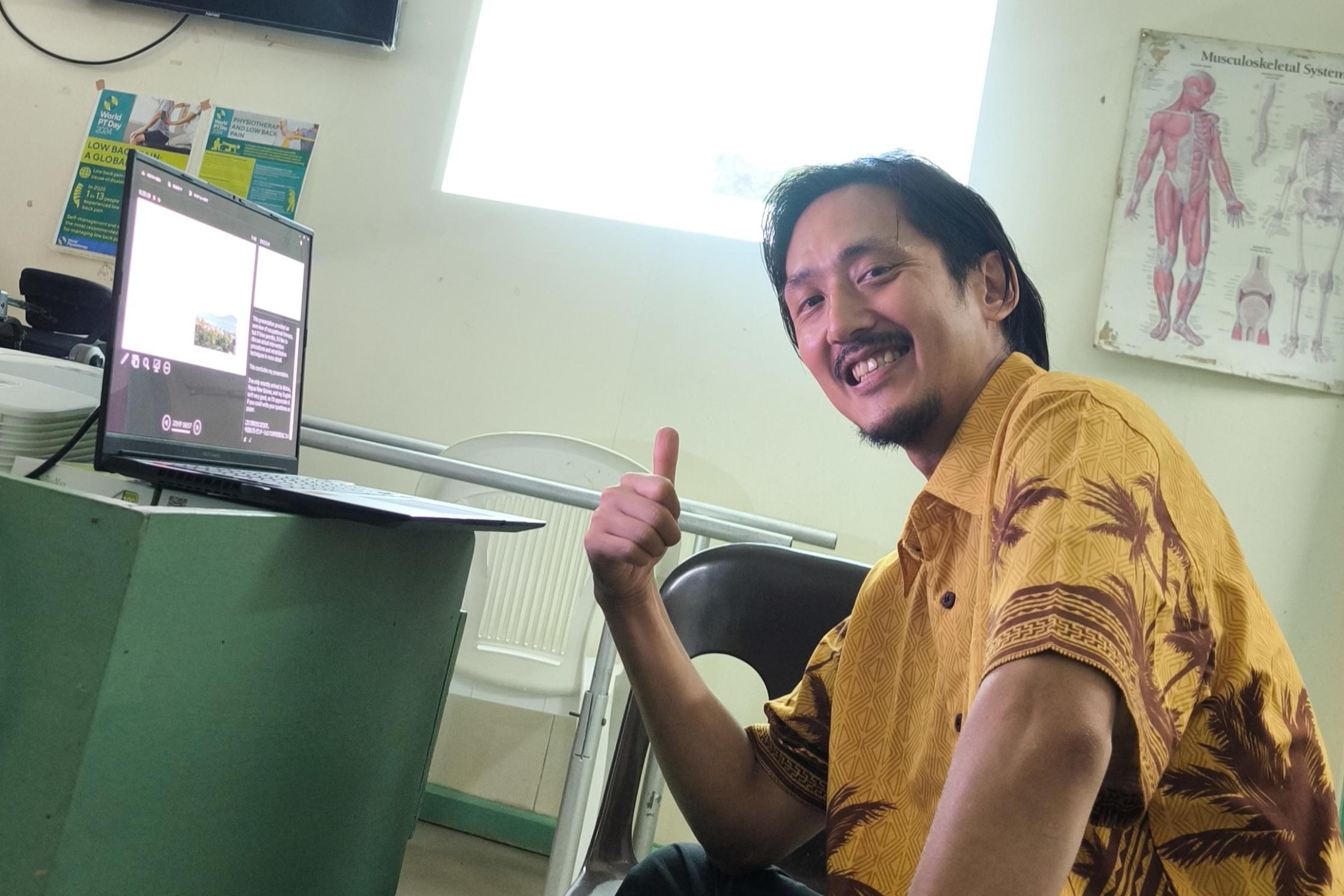
In May 2026, JICA Volunteer Masanari Kanzaki began his assignment as an Occupational Therapist at Alotau Provincial Hospital in Milne Bay Province.
Working alongside local healthcare professionals in the hospital’s physiotherapy department, Kanzaki provides rehabilitation services to patients while also supporting students, resident trainees, and hospital staff through training and knowledge sharing. He is also helping introduce occupational therapy, a profession that is still not widely known in Papua New Guinea.
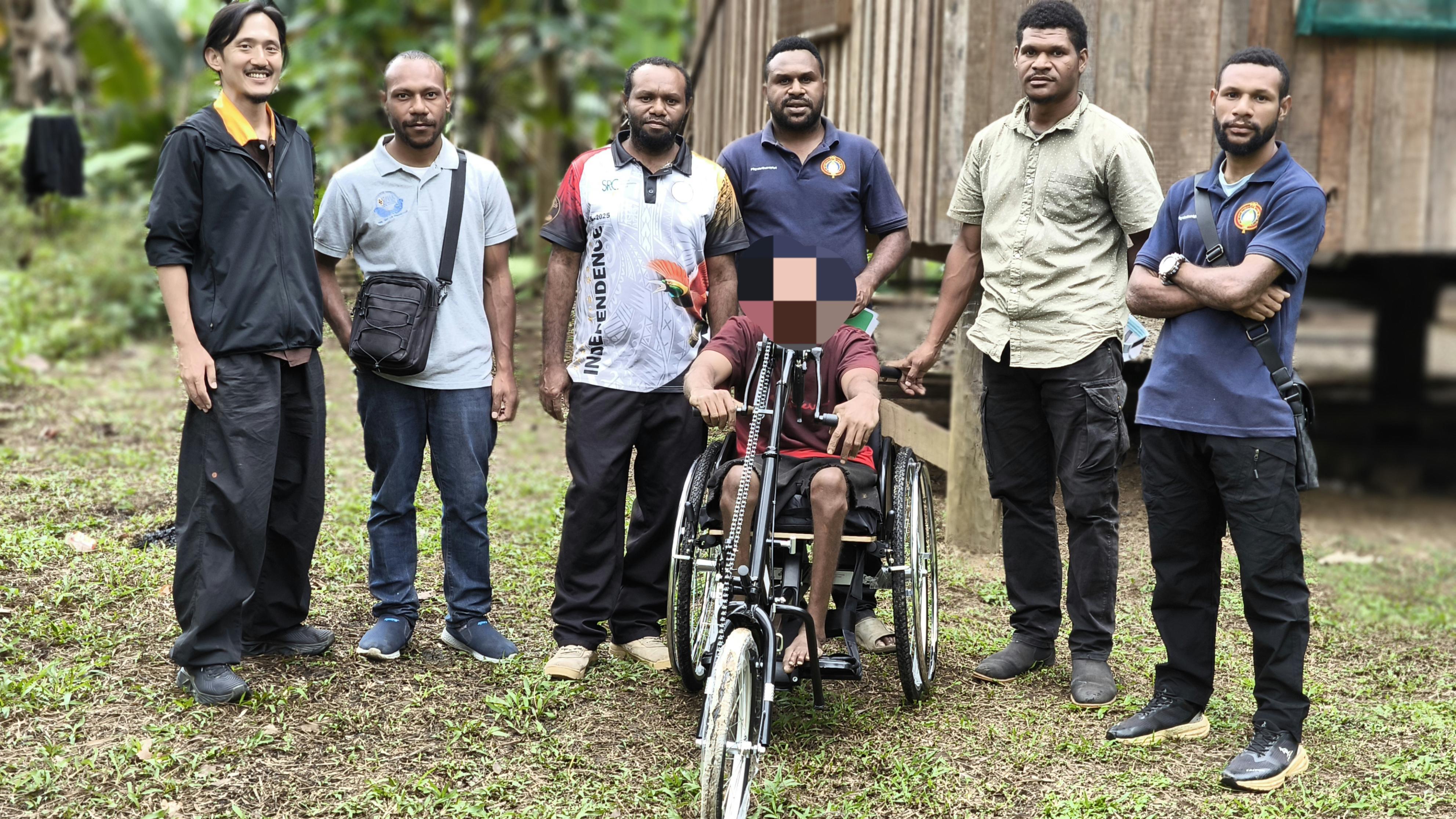
One experience that left a strong impression on Kanzaki was participating in a home-visit rehabilitation program shortly after his arrival.
During the visit, he met a patient with paralysis in both legs who lived in a traditional raised house and travelled by wheelchair on rough, unpaved roads. Despite these challenges, the patient continued to contribute to family life and carry out daily responsibilities.
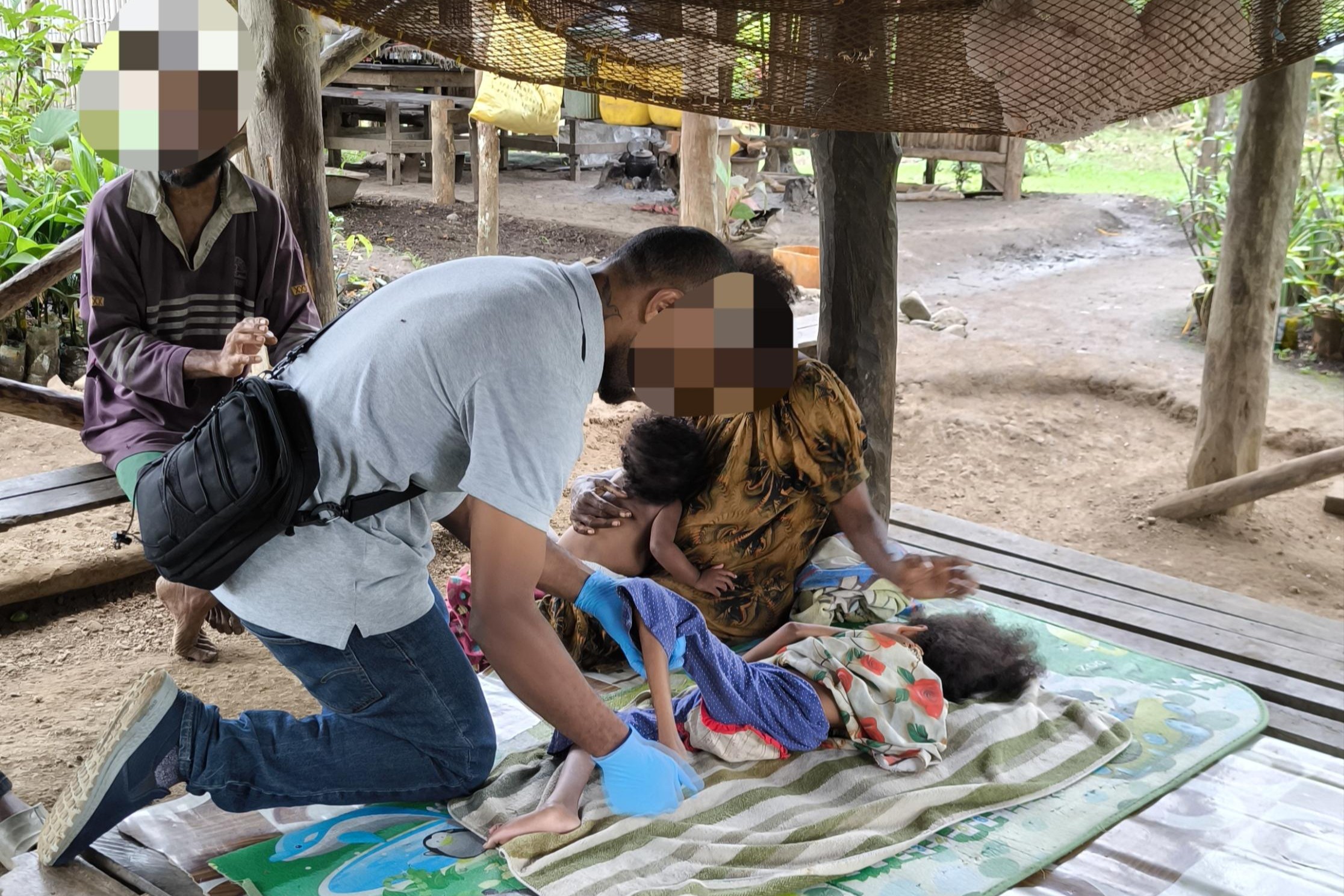
“I wanted to understand what life was like for patients after they left the hospital,” Kanzaki said. “What I saw was beyond my imagination. It made me realize the importance of understanding people’s daily lives and thinking about how occupational therapy can support them in their own environment.”
The experience helped him better understand the realities faced by people living with disabilities in rural communities.
As part of his activities, Kanzaki introduced occupational therapy to hospital staff through presentations and discussions. Many staff members had heard of occupational therapy during their studies but were unfamiliar with its practical role in patient care. Although the initial response was limited, the sessions opened opportunities for greater communication and collaboration with colleagues. Since then, staff members have become more comfortable discussing rehabilitation issues and seeking advice on patient care.
Kanzaki hopes to continue sharing ideas that are practical and relevant to the local healthcare environment.
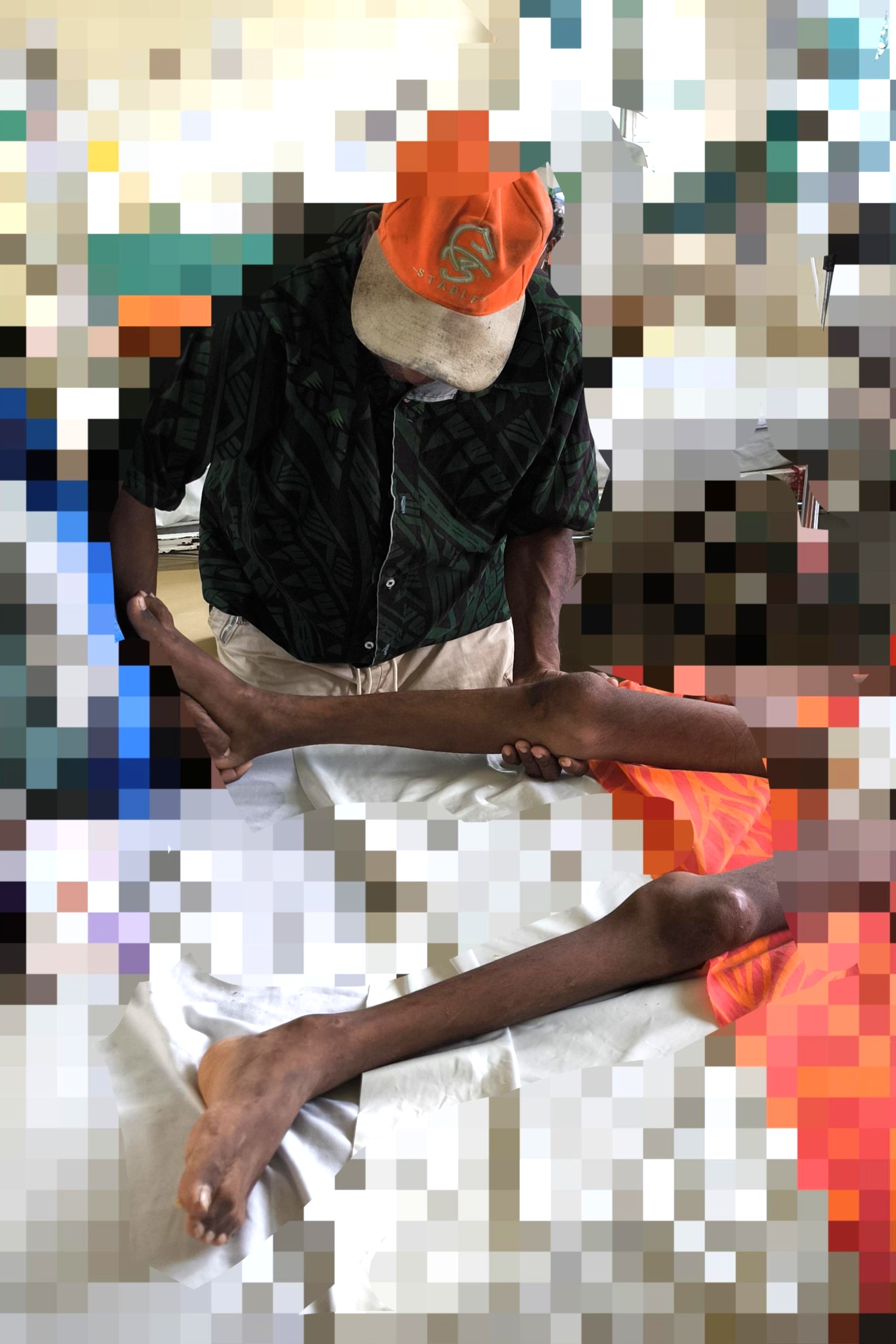
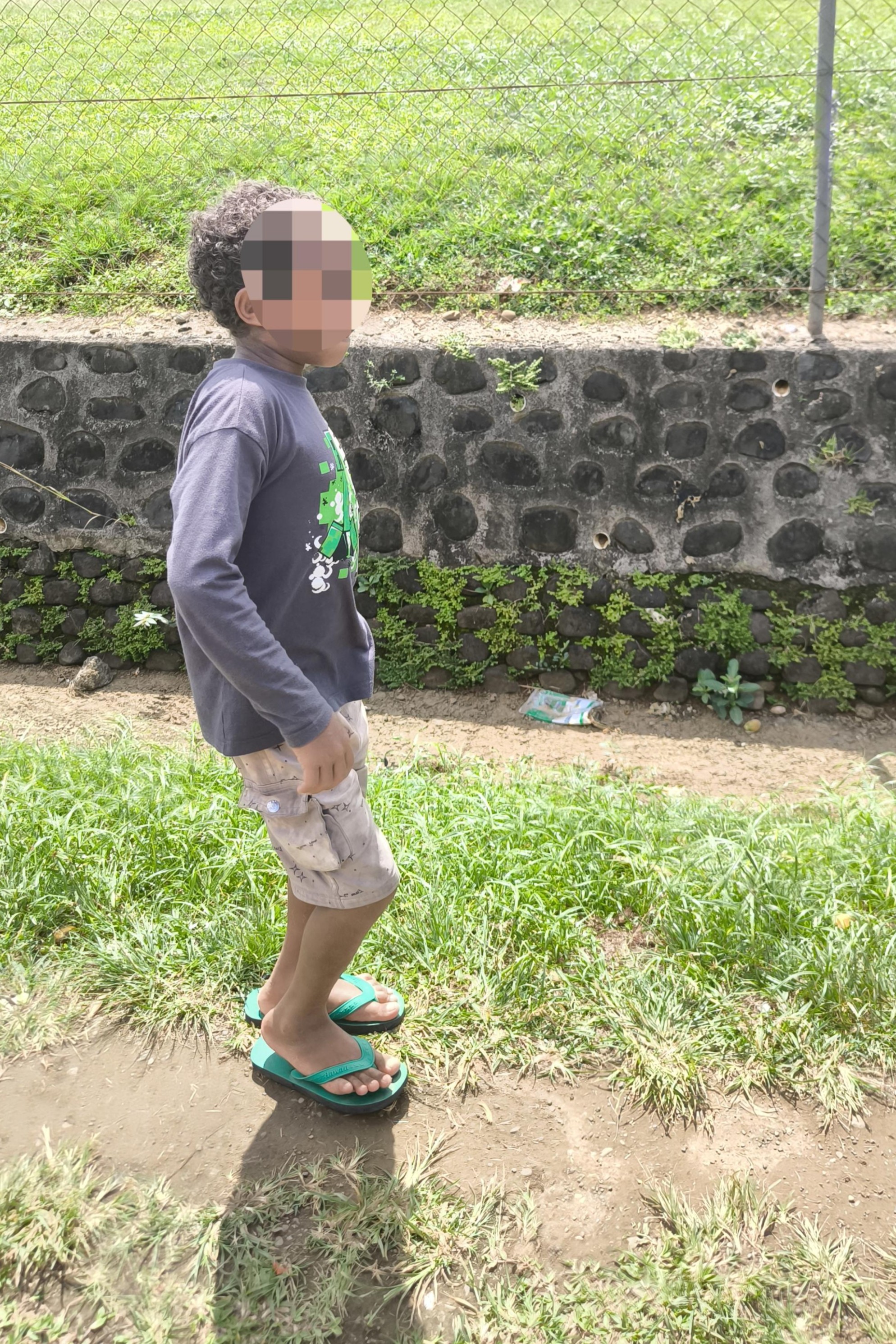
Among the patients he has worked with, one young boy recovering from spinal tuberculosis remains particularly memorable. When Kanzaki first met him, the boy was unable to move his legs and his recovery was uncertain. Through regular rehabilitation sessions, encouragement, and support for both the patient and his family, a strong relationship gradually developed. Despite language barriers, the boy became committed to his rehabilitation programmed and steadily improved.
Recently, he was able to walk out of the hospital on his own feet.
“The smiles of the patient and his family gradually increased during his recovery,” Kanzaki recalled. “That was one of the most rewarding moments of my work.”
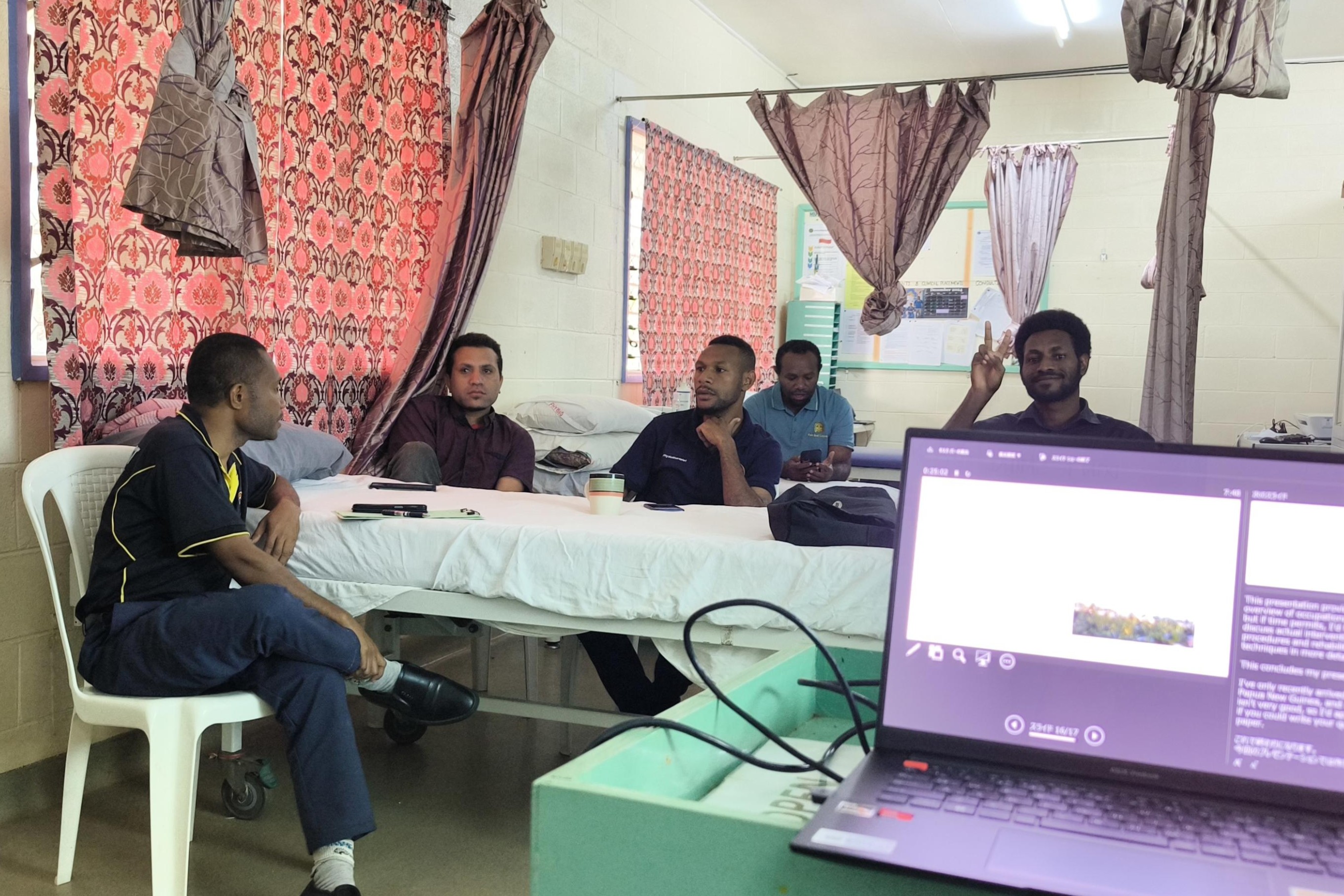
Kanzaki is also actively involved in training students and resident healthcare workers. Many have shown strong interest in rehabilitation practices and in learning more about healthcare in Japan. One resident even encouraged him to share his knowledge beyond the hospital so that more students could benefit from practical rehabilitation training.
For Kanzaki, seeing local trainees eager to learn and pursue their goals has been one of the most rewarding aspects of his assignment.
While still early in his two-year assignment, Kanzaki is already working on new initiatives, including the development of rehabilitation materials for communities with limited access to healthcare and efforts to better understand the needs of people living with disabilities.
He hopes that by the time he completes his assignment, local healthcare workers will be even more confident in identifying challenges and taking action to improve rehabilitation services in their communities.
“I would be happy if people continue thinking about how to improve the lives of persons with disabilities and rehabilitation patients and take action themselves,” he said.
Through collaboration with patients, healthcare workers, students, and communities, Kanzaki hopes to contribute to the continued growth of rehabilitation services in Milne Bay Province.
Supporting Local Development Together
Through the activities of JICA Volunteers such as Masanari Kanzaki, JICA continues to work alongside the people of Papua New Guinea to strengthen local capacity and improve access to essential services. By supporting human resource development and healthcare services, JICA contributes to healthier and more inclusive communities.
Related Link
・Sharing Experience, Building Stronger Bridges – Training session by JICA Volunteer
・Japanese Language Brings PNG and Japan Closer
・Training in Japan, Impact in Milne Bay
Please also visit our Facebook for our latest activities and events news
JICA Facebook Page
Sns share!


