
Bringing Japanese Technology to the Front Lines of the Ebola Response: Donation of 30,000 Ebola Virus Antigen Rapid Diagnostic Kits to the Democratic Republic of Congo
[Goal 3] Good Health and Well-Being
2026.10.07







2026.10.07
The Japan International Cooperation Agency (JICA) will provide 30,000 Japan-developed “QuickNavi™-Ebola” Ebola virus antigen rapid diagnostic kits to support efforts to combat the Ebola Virus Disease outbreak in the Democratic Republic of the Congo. On September 22, an initial batch of 550 units was handed over to the country’s National Institute of Biomedical Research (INRB) as part of the emergency response.
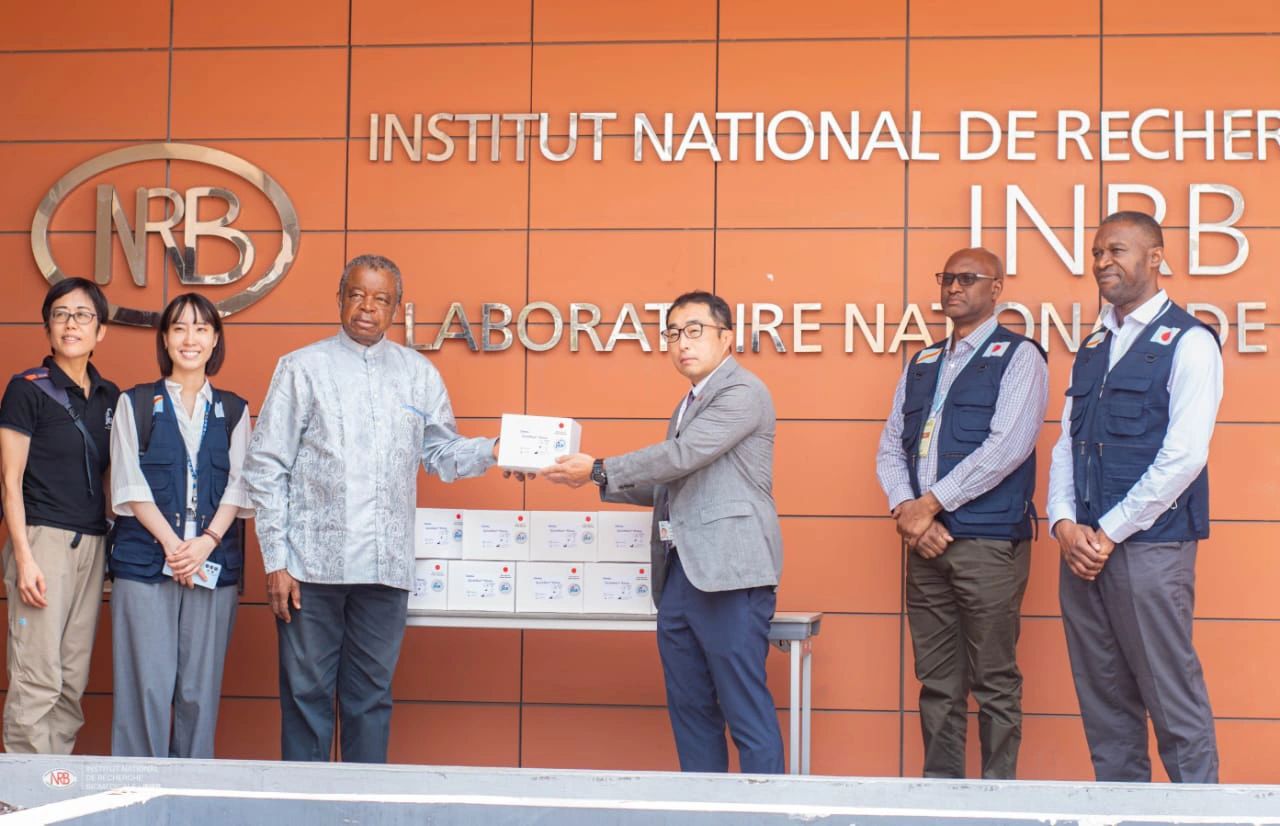
At the handover ceremony: INRB Director Muyembe (third from the left, recipient of the 3rd Hideyo Noguchi Africa Prize), JICA Democratic Republic of the Congo Office Chief Representative Okitsu (third from the right), and officials from the INRB and JICA
This donation of diagnostic kits was carried out as part of the technical cooperation project, “Project for Strengthening One Health Surveillance for Early Detection, Alert and Response System of Viral Hemorrhagic Fever,” which JICA is implementing in the Democratic Republic of the Congo and Zambia. This project aims to enhance early detection capabilities for viral hemorrhagic fevers and, based on the “One Health” approach—which views human, animal, and environmental health as an integrated whole—works to strengthen collaboration among relevant agencies and reinforce surveillance systems.
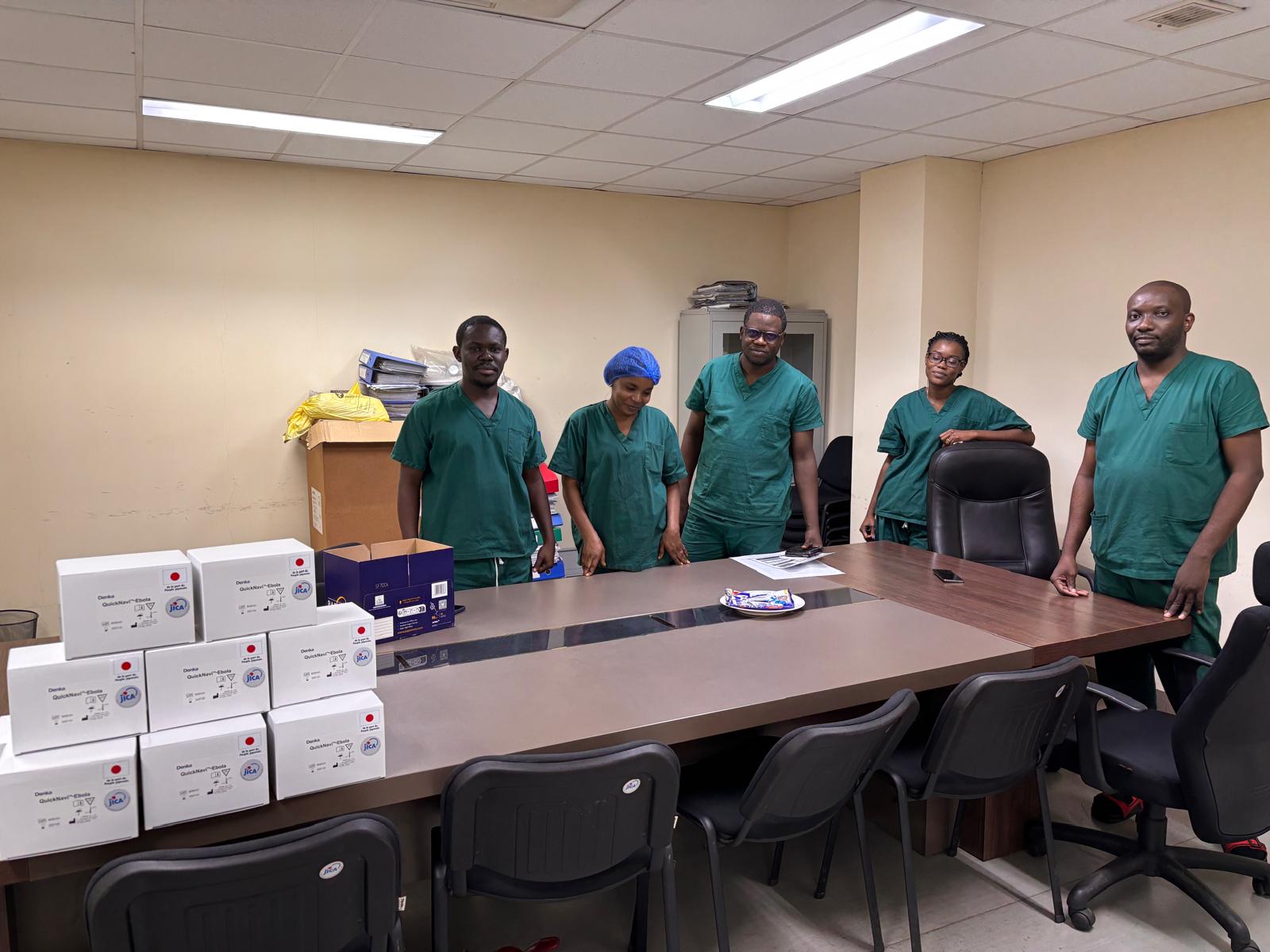
INRB staff with the “QuickNavi™-Ebola” rapid diagnostic kit provided by JICA
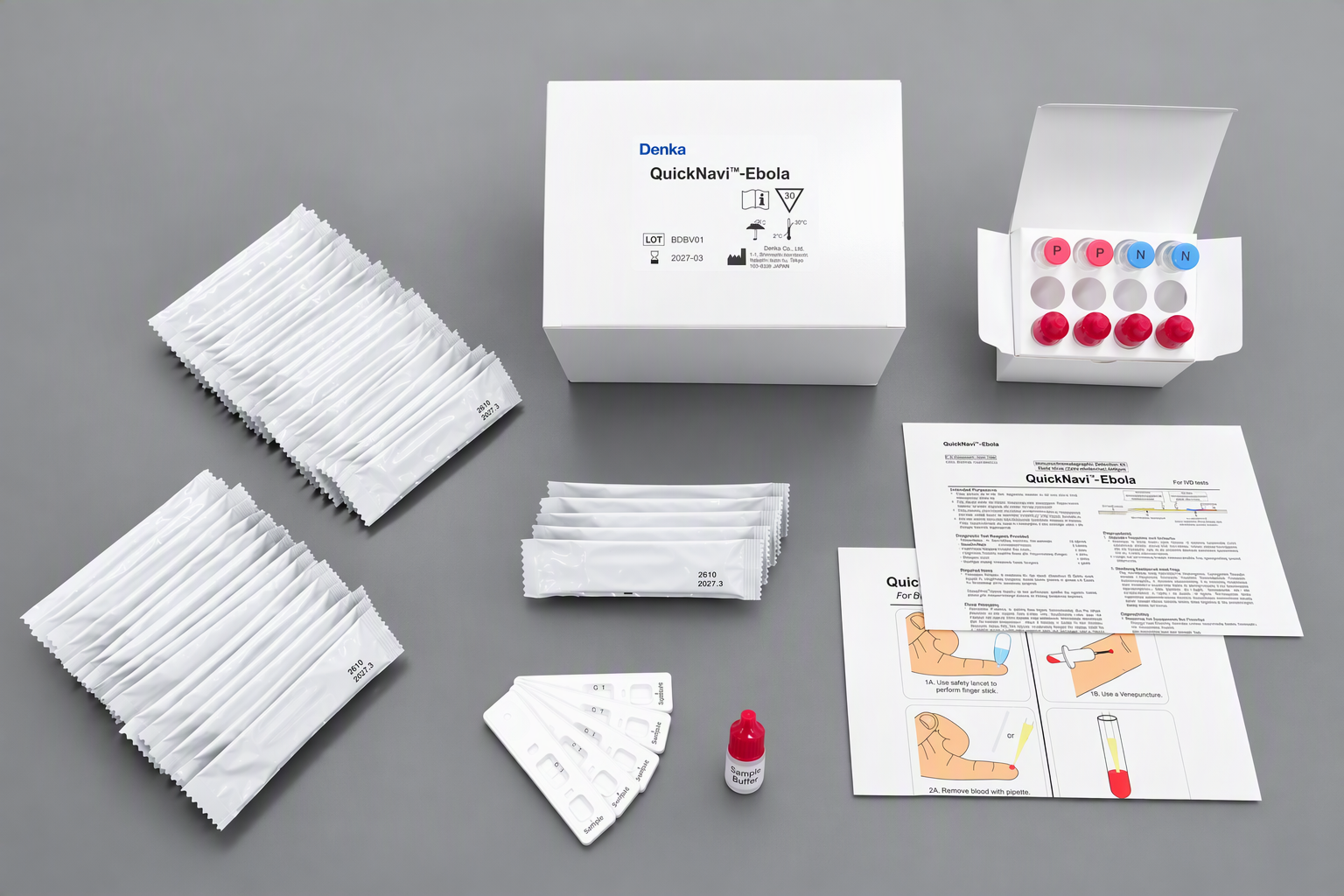
“QuickNavi™-Ebola” is a rapid diagnostic kit developed in Japan through a joint effort between Hokkaido University and Denka Co., Ltd. The kit can detect antigens of both the conventional Zaire Ebola virus and the Bundibugyo Ebola virus, the latter of which is responsible for the current outbreak. Furthermore, since it requires no special analytical equipment and can produce results in approximately 10 minutes, it can be used even in remote areas with limited electricity and testing facilities. It is expected to enable the rapid triage of patients suspected of being infected, thereby contributing to the prevention of the spread of infection and ensuring the safety of healthcare workers. This is the first large-scale deployment of this kit following its approval for use in the Democratic Republic of the Congo, demonstrating how technology developed in Japan is being utilized on the front lines of the fight against the spread of infection.
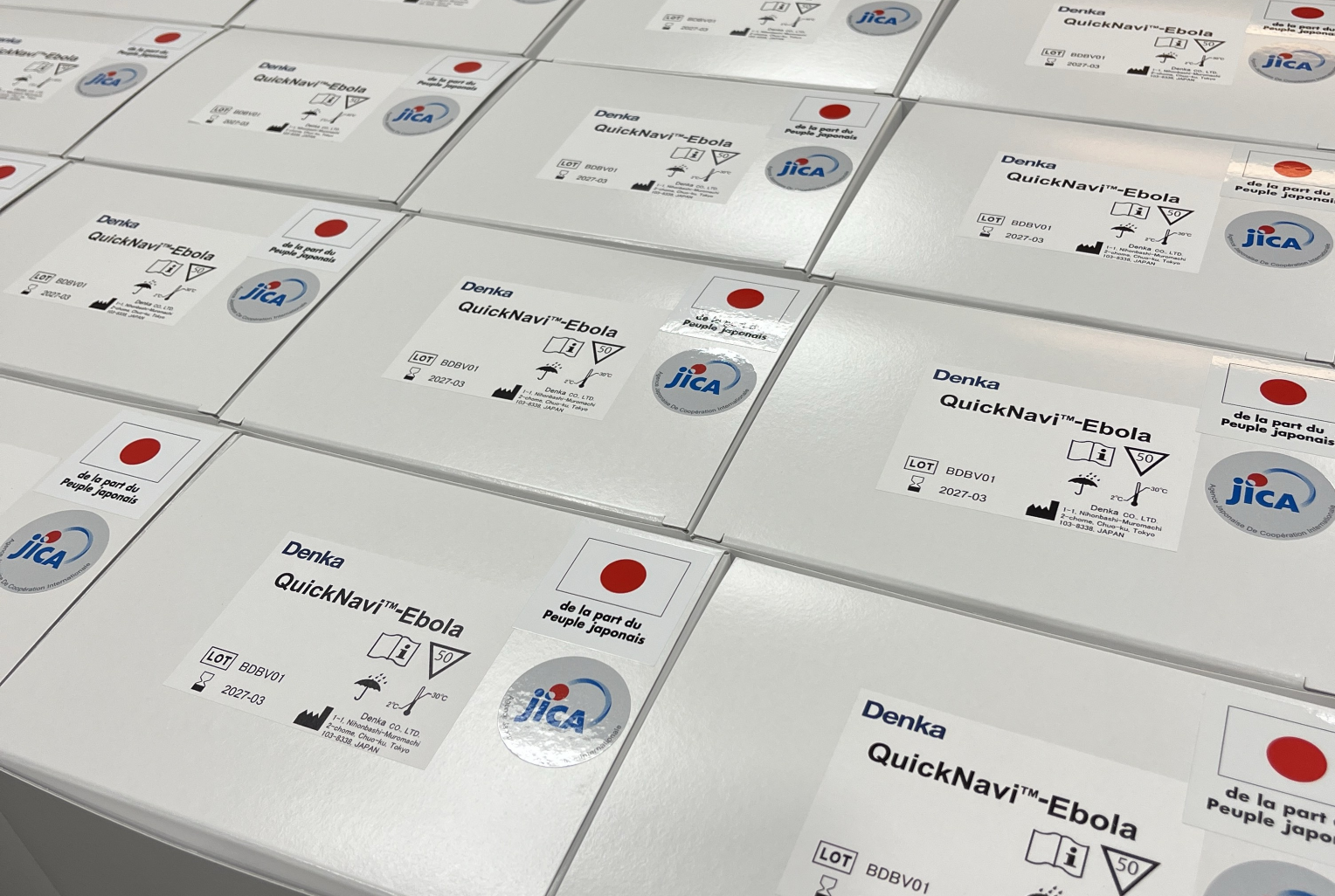
QuickNavi™-Ebola, jointly developed by Hokkaido University and Denka Co., Ltd.
Through this donation, JICA aims to contribute to the early detection of infectious diseases and the prevention of their spread, while further strengthening the testing capacity of local institutions.
Infectious diseases, including Ebola Virus Disease, can spread across borders through the movement of people and goods, with potentially significant impacts on the global economy and social stability. International cooperation is therefore essential to prevent and control such outbreaks. By leveraging Japan’s technology and expertise, we will work to detect infectious diseases early and prevent their spread, while also contributing to the development of resilient health systems capable of responding to future crises.
Sns share!


