
Trade Facilitation Workshop organized by JICA–AfCFTA Secretariat–AUDA-NEPAD
Day:2026.07.08
event |







Participants from JICA, the AfCFTA Secretariat, and AUDA-NEPAD
Event Title: JICA - AfCFTA - AUDA-NEPAD Trade Facilitation Workshop
Dates: June 2–3, 2026
Co-organizers: JICA, AfCFTA Secretariat, African Union Development Agency (AUDA-NEPAD)
About 30 participants from JICA, AfCFTA Secretariat, AUDA-NEPAD, and the East African Community (EAC), Kenya Ports Authority (KPA), Kenya Revenue Authority (KRA), and the Northern Corridor Transit and Transport Coordination Authority (NCTTCA)
On June 2–3, 2026, JICA, in collaboration with the AfCFTA Secretariat and AUDA-NEPAD, held the second joint initiative—a Trade Facilitation Workshop in Mombasa—along with a site visit to observe the operations at the Port of Mombasa. A total of 19 participants from the three organizations and the EAC attended, sharing their work on regional integration, corridor development and trade facilitation, and deepening mutual understanding of each organization’s activities.
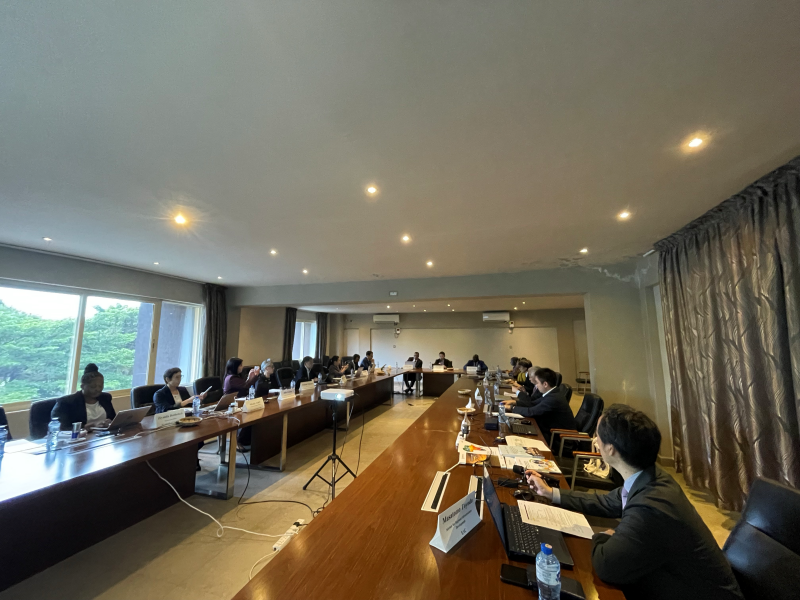
Engaging and constructive discussions were held among participants during the trade facilitation workshop
At this workshop, the three organizations—JICA, the AfCFTA Secretariat, and AUDA-NEPAD—engaged in practical-level discussions, exchanging views on trade facilitation activities and field-level challenges.
In addition to JICA officers and JICA Senior Advisor, JICA experts seconded to the EAC and AUDA-NEPAD participated in the workshop, and each organization introduced activities related to trade facilitation, including JICA Kenya Office’s initiatives on the Northern Corridor. It was acknowledged that due to differences in establishment years (AUDA-NEPAD: 2018, evolved from the NEPAD Planning and Coordinating Agency established in 2010; AfCFTA Secretariat: 2020), some overlap may exist in their work (e.g., report preparation related to trade facilitation). Thus, continued dialogue was deemed necessary to streamline roles.
During the discussion, the AfCFTA Secretariat emphasized that trade facilitation is achieved through harmonization and digitalization of customs procedures, administrative processes, and digital integration. Harmonization of systems across Africa and interconnectivity were highlighted as top priorities. Initiatives such as simplifying transit through single declaration and single guarantee systems, data sharing among customs authorities, and digitalization of certificates of origin were introduced.
As for AUDA-NEPAD, they highlighted that infrastructure development and trade facilitation alone are insufficient to achieve regional integration. The key lies in linking corridor development and integration with industrialization. While the Programme for Infrastructure Development in Africa (PIDA) has historically listed numerous projects, integrated corridor-based design is essential, as standalone projects may not function effectively. Designing bankable projects is also critical to attract private financing.
Participants raised questions about infrastructure development for trade facilitation and the formation of trade and industrial structures. JICA experts shared insights from ASEAN and Japan, noting that ASEAN development has been characterized by private sector-led growth and infrastructure-first approaches, while Africa tends to be institution-led and integration-oriented.
Through the workshop, the approaches of each organization to trade facilitation became clearer, marking an important step toward strengthening collaboration among the three institutions.
On the following day, participants visited Terminal 2 of the Port of Mombasa, developed through Japanese ODA loans. They observed modern port operations including quay cranes, container yards, scanning facilities, and the Standard Gauge Railway (SGR).
They also observed the implementation of the EAC’s Single Customs Territory (SCT), where customs officers from Uganda, Rwanda, Tanzania, Burundi, South Sudan, and the Democratic Republic of Congo are stationed at Mombasa Port to conduct pre-clearance of cargo. This enables simplified procedures at inland borders and reduces transit time.
Participants noted that trade facilitation is not merely about infrastructure, but an integrated system encompassing ports, customs, digitalization, and regional coordination.
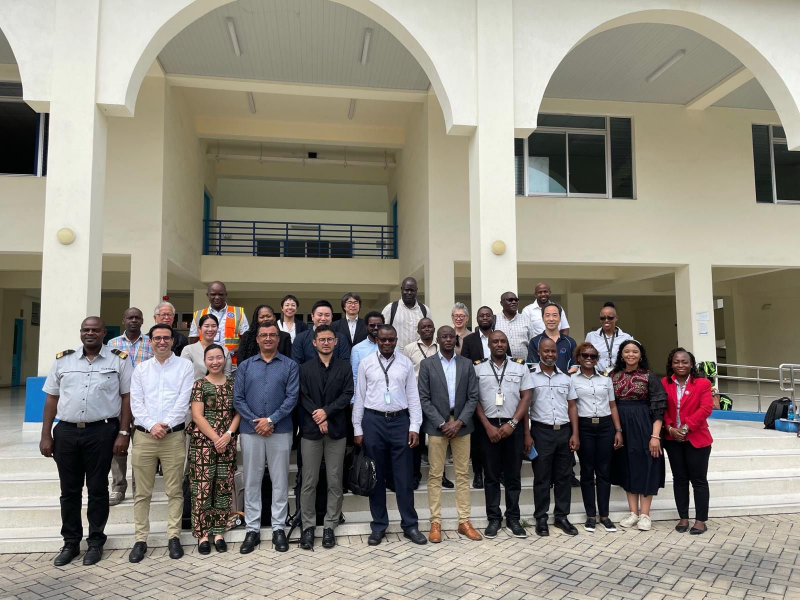
Group photo in front of Terminal 2(Photo credit: AUDA-NEPAD)
At the port, representatives from the Kenya Ports Authority (KPA), Kenya Revenue Authority (KRA), and the Northern Corridor Transit and Transport Coordination Authority (NCTTCA) explained their initiatives, cargo clearance processes, and import/export procedures, followed by exchanges of views.
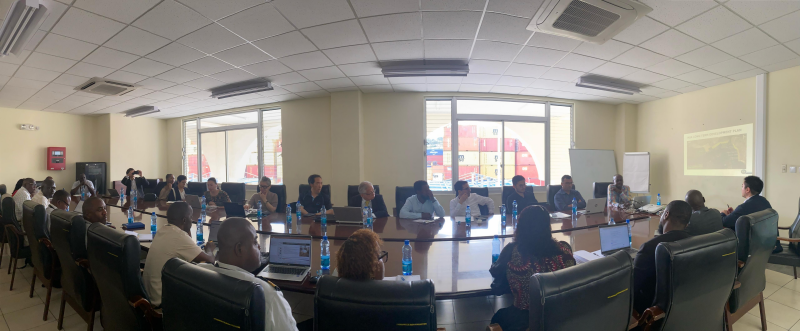
Presentations and Discussions among participants with KPA, KRA and NCTTCA
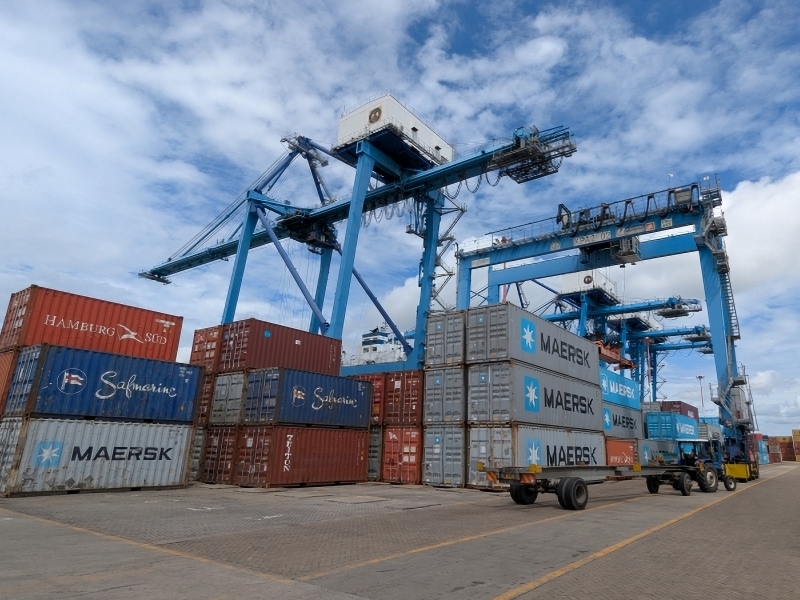
Terminal 2
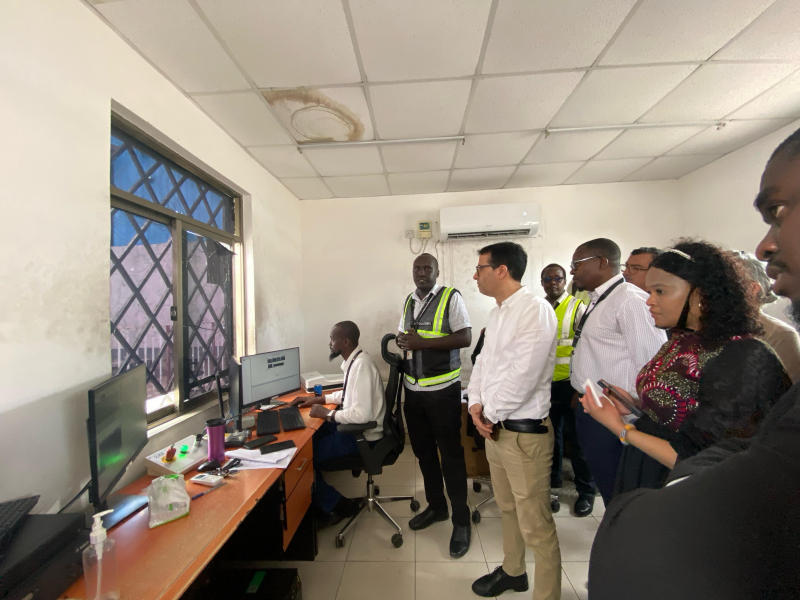
Cargo scanner room
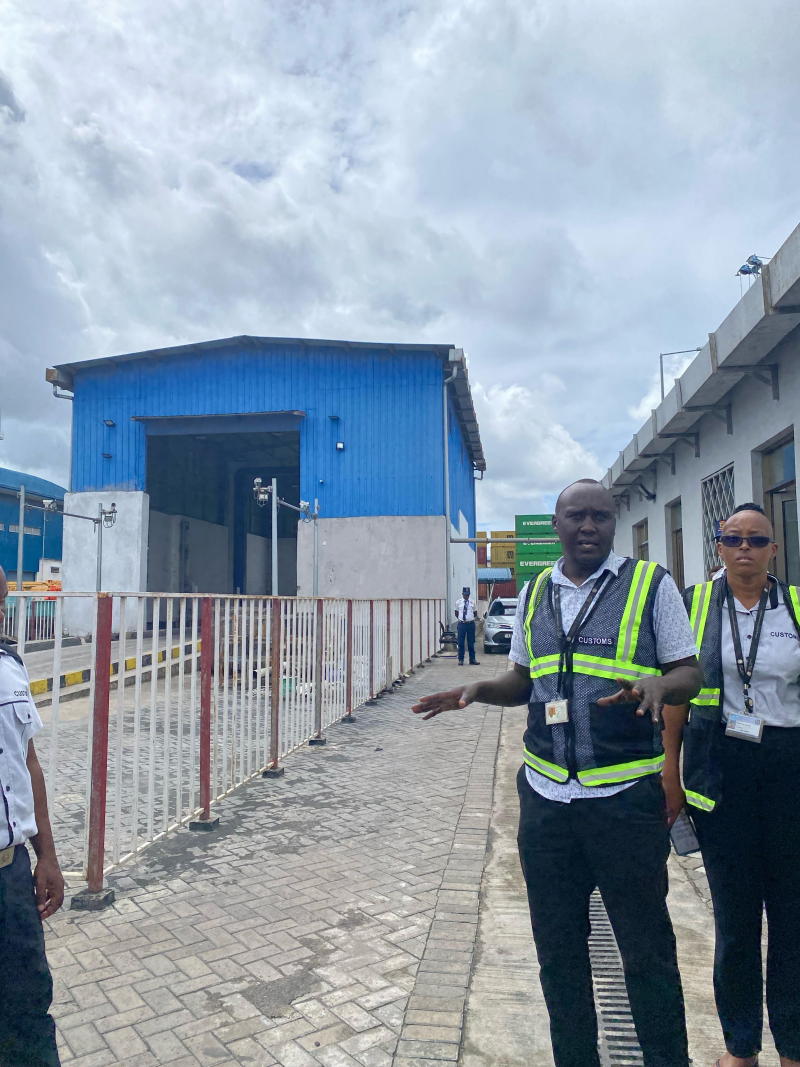
Cargo scanner
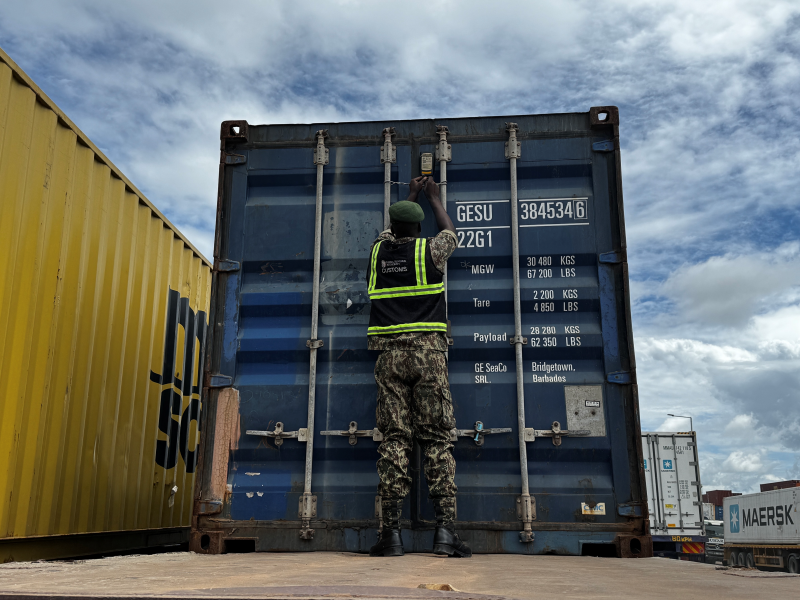
Installation of cargo tracking system
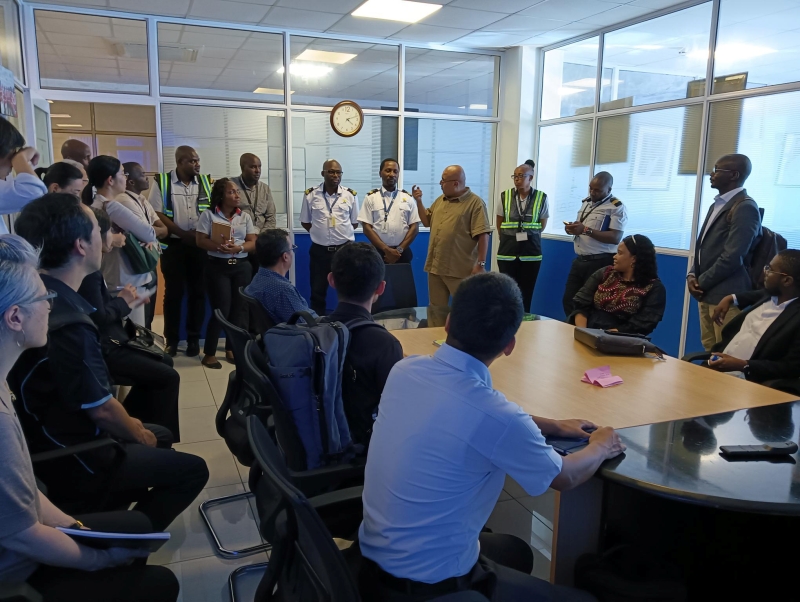
EAC member states’ customs offices stationed within KRA
For many participants from the AfCFTA Secretariat and AUDA-NEPAD, this was their first visit to an East African port. Beyond understanding each organization’s activities, the workshop provided valuable insights through field observation into practical aspects of trade facilitation and EAC initiatives. High appreciation was expressed for JICA leading the workshop and site visit.
The site visit to Terminal 2 demonstrated efficient customs operations and was recognized as the best practice in trade facilitation, with participants agreeing to share such examples across Africa.
All organizations expressed strong expectations for continuing similar workshops combined with field visits as platforms for knowledge sharing.
JICA will continue to support regional integration and trade facilitation in Africa towards the sustainable development on the continent.


