
Lessons and Insights from JICA’s Community-Based Welfare Program 2026 - Promoting Community-Based Social Welfare: Strengthening Linkages between Initiatives and Supporters (6 – 20 Feb 2026)
Day:2026.07.21
event |





From February 6 to 20, 2026, JICA implemented the Knowledge Co-Creation Program (KCCP) on "Promoting Community-Based Social Welfare" in Japan. JICA ’s Project for Human Resource Development on Social Work in ASEAN Region participated in the program together with its Thai counterparts, who play a key role in project implementation. Based in Thailand, the project aims to strengthen the capacity of social workers and the broader social service workforce across all 11 ASEAN Member States. The KCCP highlighted Japan’s strengths in community-based social welfare, offering insights relevant to ASEAN contexts, particularly in volunteer management, civil society engagement in disasters, and ageing societies.
This two-week intensive program brought together practitioners, including social work representatives from Kenya, Papua New Guinea, Tajikistan, and Thailand, to explore the essential "linkage" between community initiatives and the workforce that sustains them. The program aimed to share Japan’s expertise in building an inclusive society where professional services and community-led efforts work in harmony.
The program kicked off with the inception reports from each country, allowing participants to better understand social welfare situation in each country and relate their local challenges to Japan’s vision of an inclusive society. Week 1 focused on building a foundational "mindset" through national policy studies and the experiential learning program "Dialogue in the Dark". Participants gradually grasped the key ideas and mechanisms of Japan’s social welfare and examined and compared social welfare systems across participating countries.
The key to success of Japan’s community-based social welfare is the strong collaboration between local government, private organizations, and community actors. The participants visited the non-profit organization (NPO) and local government in Ichikawa City to see how policies translate into real practices.
Participants explored social service workforce development in Japan, focusing on how NPOs, local governments, and social welfare councils create Integrated Support Systems. This highlighted the critical role of private actors in linking professional expertise with community needs to support youth and vulnerable groups. Ichikawa City introduced the Yorisoi support program as an example of a comprehensive community welfare system that integrates consultation support, social inclusion support, and community development initiatives. This program would not function effectively without the well-coordinated collaboration among multiple agencies and support organizations. Through information sharing and referrals of individual cases, the supporters can conduct the outreach for persons who do not fit into the existing programs and connect them with services tailored to their needs.
Field visits to Nishi Ward in Yokohama, Bunkyo Ward in Tokyo, and Joso City showed the "Linkage" in action. The participants saw how Social Welfare Councils and community spaces like "Kobinata Bokko" create an Ibasho, a place where people feel accepted and connected, while disaster preparedness initiatives ensure community resilience during crises. The simple philosophy of “Kobinata Bokko” to create a community space for people to connect with others is reflected in its cozy design and welcoming atmosphere which is the key element in strengthening the community ties. After all, the sustainability of this volunteer-run space depends on the participation and engagement of local residents. The importance of local residents’ engagement is shown in the community disaster preparedness initiatives in Joso City as well. The personalized evacuation plans in every household identify the support and arrangements needed for evacuation. Information on households with residents requiring evacuation assistance is shared with the city (e.g. older adults, people with disabilities, etc.) from the house visits conducted by neighborhood groups.
The program concluded with the development of concrete action plans tailored to the context of each participating country. This exercise allowed participants to translate Japanese best practices into strategies tailored to their local contexts. Through these action plans, participants sought to strengthen linkages between community initiatives and those who support them, contributing to more sustainable and inclusive society in their respective countries. The participants incorporated new ideas such as community space, personalized evacuation plans, senior clubs and more into their local context.
At the end of each day, participants reflected on what they had learned and shared their thoughts with the course leader. This process enabled participants to reflect on how their perspectives and ideas evolved throughout the course. The Project for Human Resource Development on Social Work in ASEAN Region aims to continue the momentum of knowledge co-creation together with the network of participants and the project counterparts to strengthen the capacity of social workers across the ASEAN region, who play a vital role in coordinating community-based services.
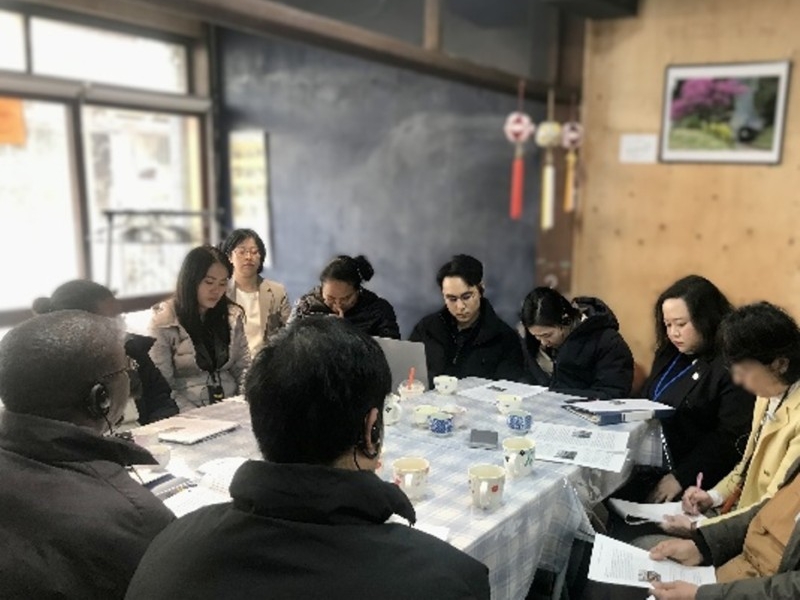
Visit to Kobinata-Bokko, a community space (Ibasho) in Bunkyo Ward, Tokyo
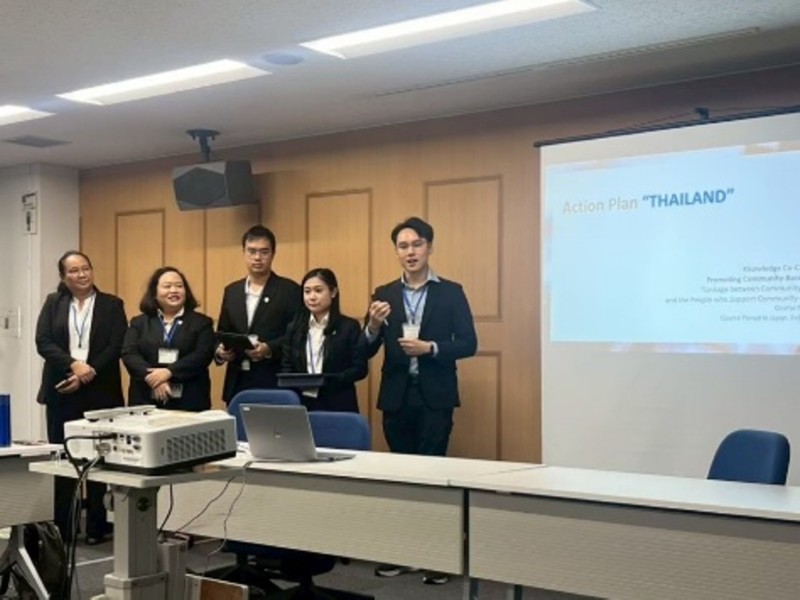
Presentation of action plans by the five participants from Thailand
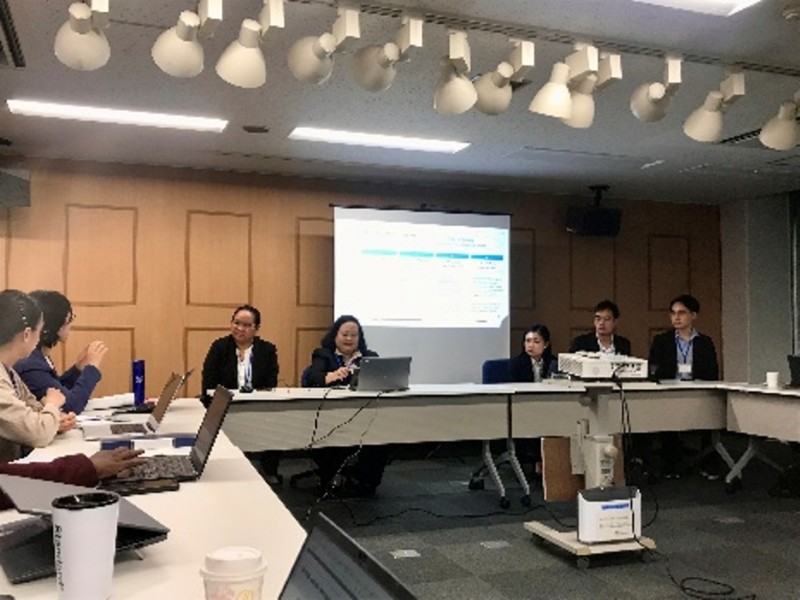
Question-and-answer session following the action plan presentation
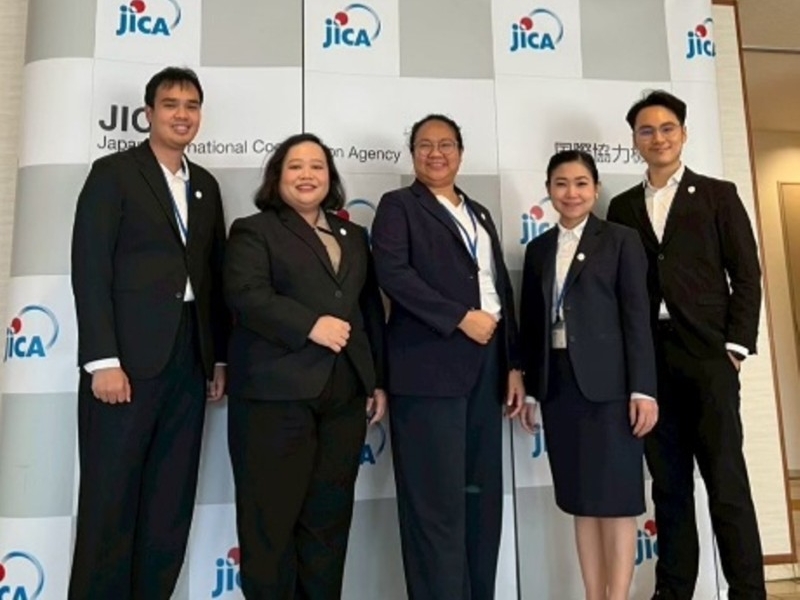
Group photo of the participants from Thailand


