
From Philippine farms to Japanese tables: international joint research project protects bananas from disease
[Goal 17] Partnerships for the Goals

2026.06.18







2026.06.18
Bananas are a familiar staple on Japanese dining tables. However, in the Philippines — where most of Japan’s bananas are imported from — diseases that cause leaves to wither and entire plants to wilt have become increasingly serious. A discovery by Japanese researchers made a significant contribution to establishing methods to control these diseases. With support from organizations such as JICA, Japan and the Philippines are working with determination across borders to prevent and contain these plant diseases. This article introduces their international collaborative research effort.
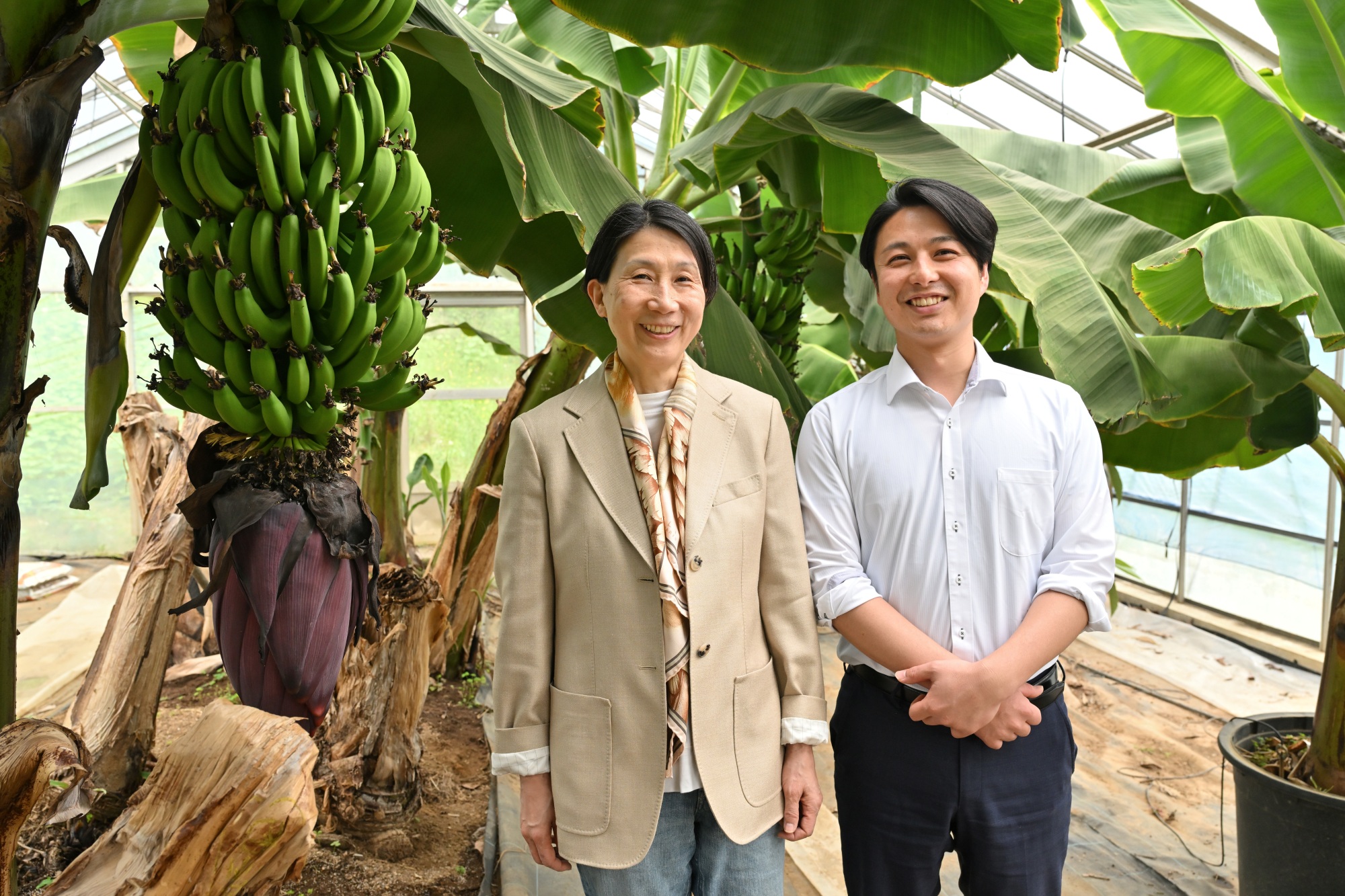
Professor Watanabe Kyoko (left) and Researcher Nozawa Shunsuke stand in the experimental banana greenhouse on the Tamagawa University campus.
In March 2026, at an international symposium held on the campus of Tamagawa University in Machida, Tokyo, H.E. Mylene J. Garcia-Albano, Ambassador Extraordinary and Plenipotentiary of the Republic of the Philippines to Japan, was in attendance. The symposium featured discussions on the outcomes and future prospects of joint research by Japan and the Philippines on diseases affecting bananas and cacao.
Addressing researchers and government officials from both countries, Ambassador Garcia-Albano expressed her expectations, stating, "The findings of this project will go a long way toward developing long-term, science-based solutions to diseases that threaten industries of immense economic and social importance to our country." The audience responded with applause.

Philippine Ambassador Garcia-Albano delivers a speech at the international symposium.
Japan is a nation of banana lovers, with households consuming about 18 kilograms per year on average. Bananas are grown in tropical regions, and Japan imports approximately 1 million tons annually — around 80% of which comes from the Philippines.
In 2005, a large-scale plant disease outbreak was reported in the Philippines. As no methods could be found to identify and control the pathogen, it became established in the soil, leading to a vicious cycle in which farmland had to be abandoned.
To date, about 18,000 hectares out of a total cultivation area of 80,000 hectares have reportedly been abandoned. Identifying the pathogen and establishing new control methods had also become an urgent issue for Japan, which relies heavily on the country for its banana supply. At the same time, the use of pesticides in banana farming had come under social criticism. This created a need for new methods to control leaf diseases, which are the primary targets of such treatments.
It was under these circumstances that the current international joint research project began.
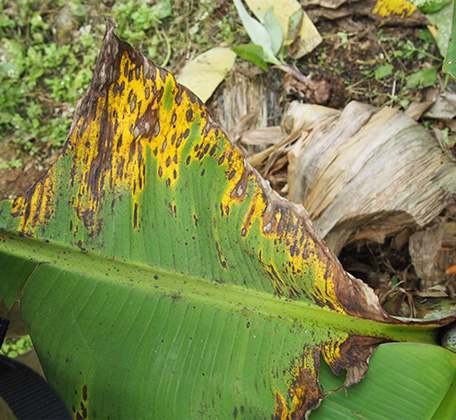
A banana leaf shows signs of disease.
“Something about its shape is quite distinctive.”
In 2024, at a laboratory at Tamagawa University, then Research Assistant Professor Nozawa Shunsuke, who is now a researcher at the Fukushima Institute for Research, Education and Innovation, was examining banana pathogens brought back from the Philippines under a microscope when he noticed something unusual. At first, the disease that caused banana leaves to wither was believed to be black sigatoka, and Nozawa had brought the samples back primarily to study this disease.
He continued his meticulous research, cultivating the fungus, analyzing its DNA, and inoculating healthy plants to confirm its pathogenicity. Then, at one point, he noticed a distinctive feature in the organism’s shape. In the case of black sigatoka, the causative fungus (Pseudocercospora fijiensis) typically appears as thin, white, threadlike structures. However, the spores he observed under the microscope were "shaped like small black buns," as Nozawa described them.
The organism turned out to be an entirely different fungus known as Nigrospora spp., a group that includes pathogens known to cause leaf blight in plants including rice. This finding suggested that the limited effectiveness of the pesticides used by local farmers may have been due to the involvement of another, unanticipated pathogen, not just the previously recognized Pseudocercospora fungus.
Nozawa reflected, "I felt sorry for the farmers because the leaf diseases were more complex than we had expected, but at the same time, identifying the causative fungus was a major step forward."
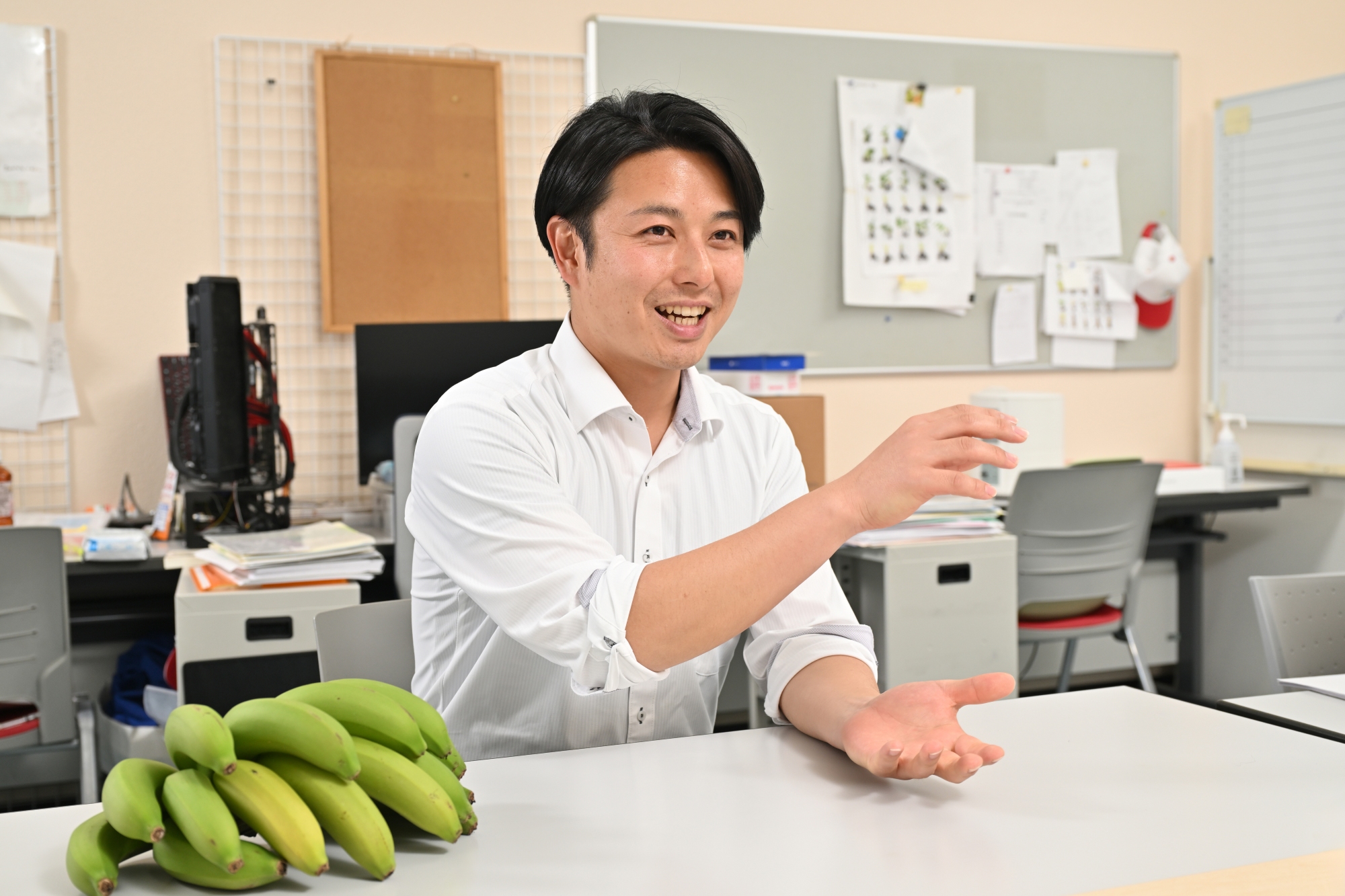
Nozawa responds during an interview.
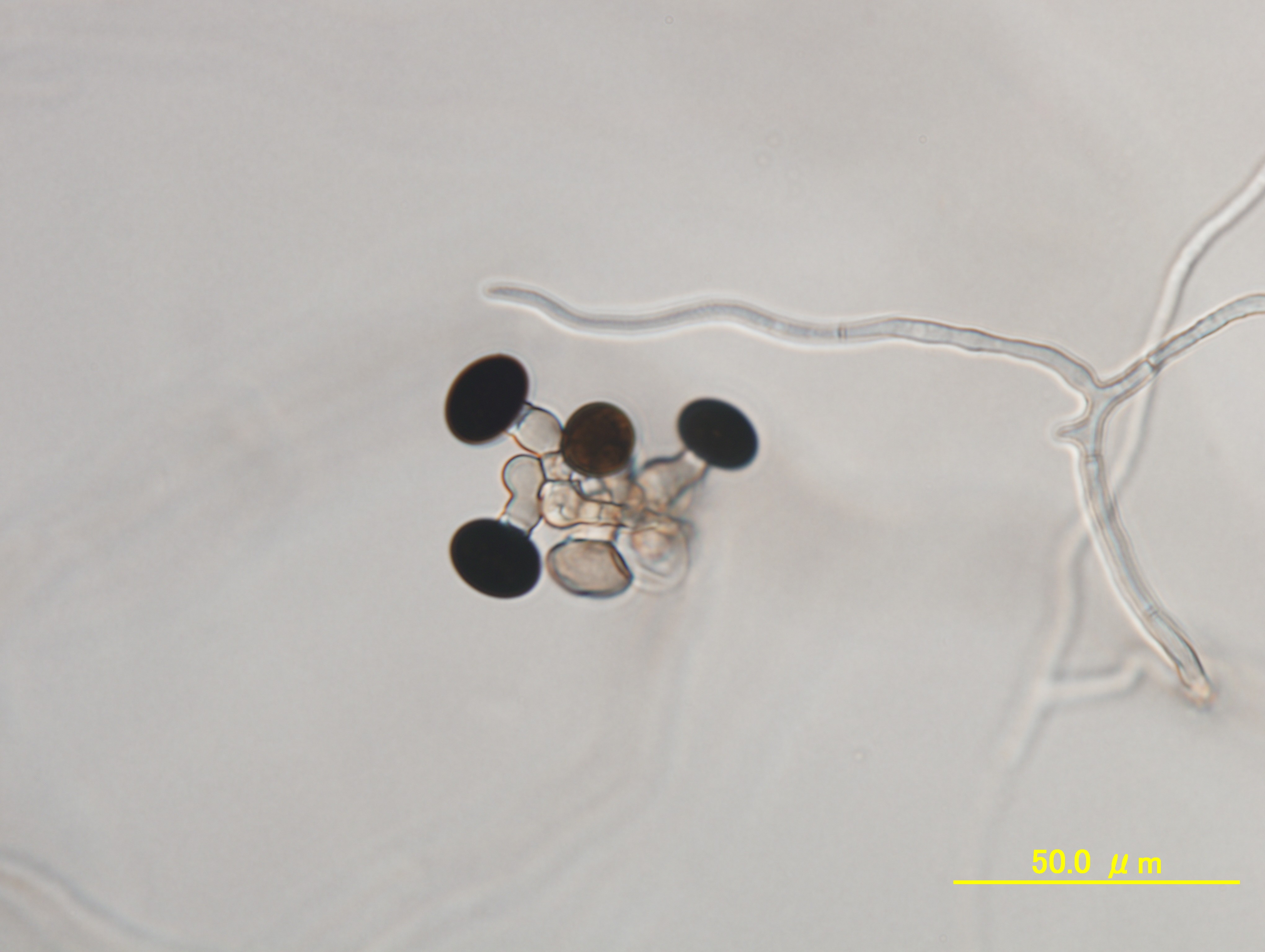
This image shows the Nigrospora fungus identified by Nozawa as a major cause of banana disease.
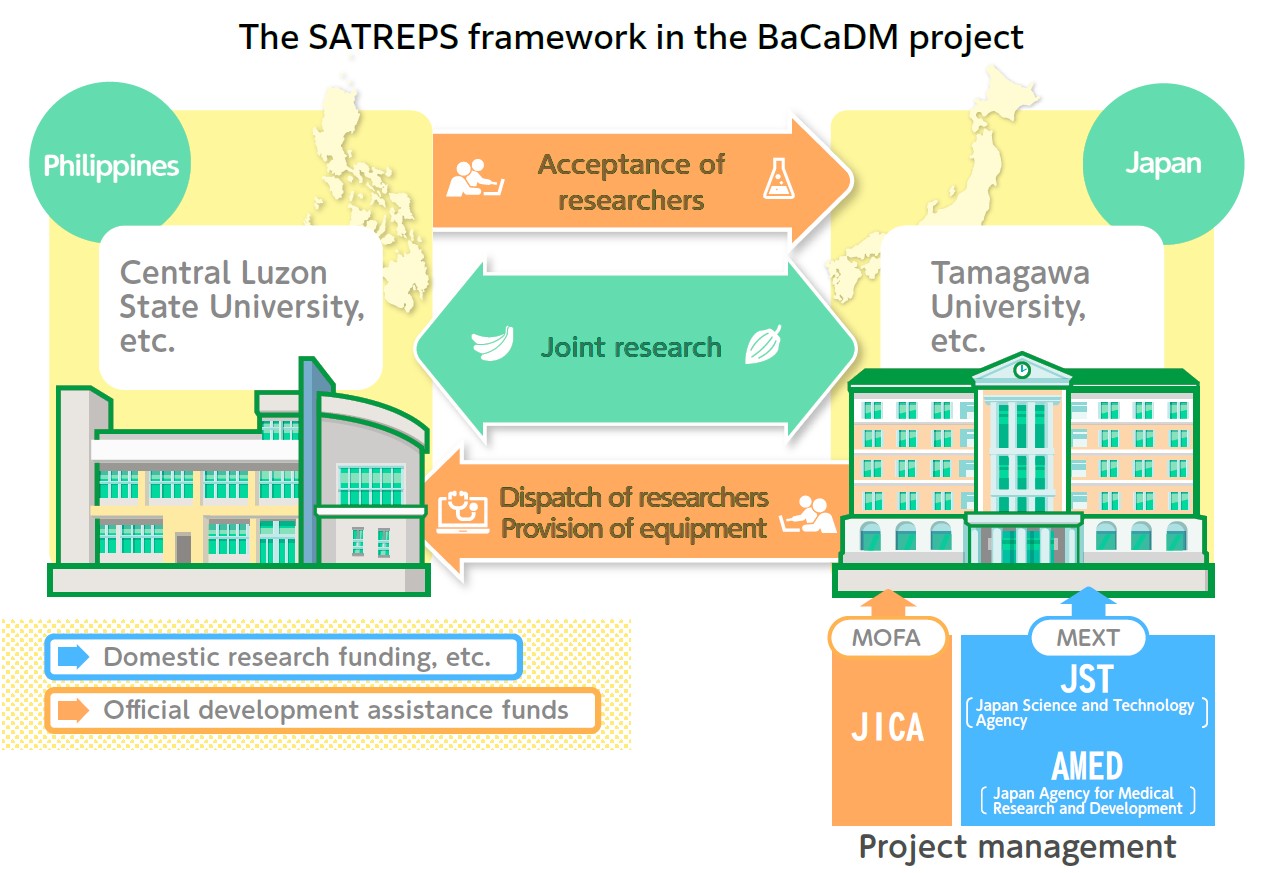
This research is being conducted under a framework known as the Science and Technology Research Partnership for Sustainable Development (SATREPS), a program jointly supported by JICA and the Japan Science and Technology Agency (JST).
SATREPS is an international joint research initiative in which research organizations, ministries and agencies in Japan work together with those in developing countries that are facing challenges to address global issues such as climate change, food security and natural disasters — problems that are difficult for any single nation to solve alone. The program aims to generate new knowledge based on local needs, while also contributing to problem-solving and sustainable development through the social implementation of research findings.
Under this framework, JST covers the research costs required in Japan, while JICA provides support for research costs, equipment and other needs in partner countries. For Japanese research institutions, this arrangement offers the advantage of enabling them to conduct research in fields closely aligned with the challenges faced by developing countries. For developing countries, meanwhile, it contributes to solving social issues through enhanced research capacity, human resource development, and the practical application of research results. This cooperative framework benefits both sides. SATREPS was launched in 2008, and to date it has supported more than 200 projects in over 60 countries across Asia, Africa, Latin America and other regions.
Hashimoto Yohei, a director in JICA's Economic Development Department, spoke about the significance of JICA’s involvement in SATREPS.
“JICA’s strength lies in its ability to connect Japan’s domestic research resources with development challenges in partner countries," he said. "We also play a role in investing in areas that private companies cannot reach, anticipating long-term benefits.”
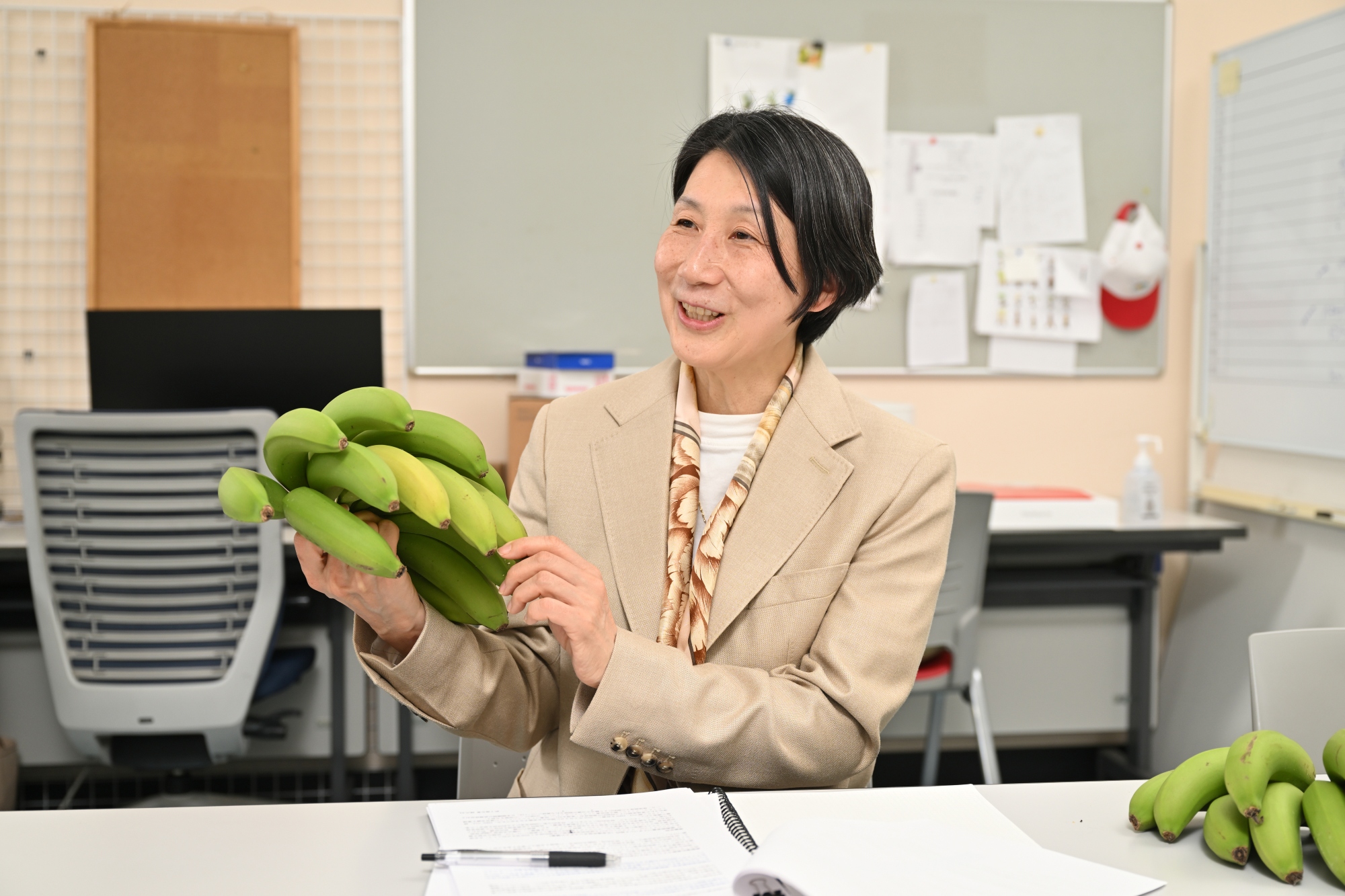
Professor Watanabe responds to an interview while holding a bunch of bananas.
This project, known as BaCaDM (Project for the Development of Novel Disease Management Systems for Banana and Cacao), was launched in 2021 through an agreement between Tamagawa University and Central Luzon State University in the Philippines.
For the Philippines, where banana production is a major national industry, identifying the causes of disease and establishing effective control methods have long been major challenges. If joint research leads to effective disease control solutions, it is expected to help restore production levels and directly improve the livelihoods of farmers. Furthermore, if these disease control methods can be applied to banana-producing countries beyond the Philippines, the project will also contribute to addressing the “global issues” targeted by SATREPS.
The project is currently working on selecting new pesticides effective against these diseases. In addition, a method known in Japan as "reductive soil disinfestation" using low-concentration ethanol has been found to be effective against wilt disease, which causes banana plants to wither. Active efforts are now underway to promote widespread adoption of this technique through workshops held locally and at international conferences.
Project leader Watanabe Kyoko, a professor at Tamagawa University College of Agriculture, expressed optimism about the wider adoption of this approach. “Initially, the reductive soil disinfestation method required cutting down all banana plants within a 10-meter square area, but we’ve found that it can be done one plant at a time. This reduces the number of trees that need to be cut, lowering the barriers for local farmers," she said.
Although BaCaDM is scheduled to conclude in 2026, Professor Watanabe says that support for local researchers will continue so they can carry out long-term studies until the new disease control methods are widely adopted by farmers. One of the key figures leading these local efforts is Celynne Ocampo Padilla, who earned her Ph.D. at Tamagawa University.
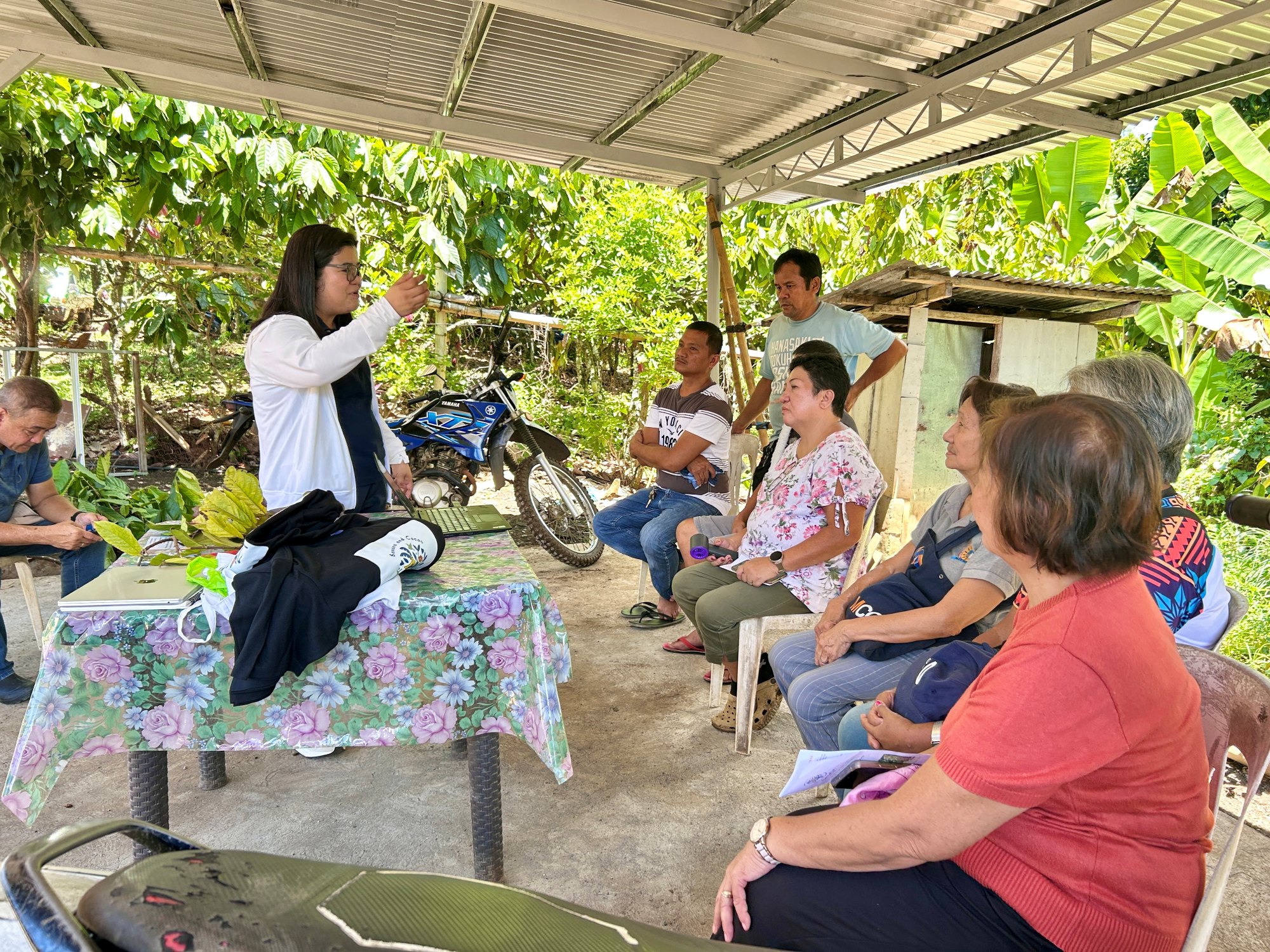
Celynne (left) reports research findings to cacao farmers.
Celynne, who heads a division at the Plant Pests and Diseases Clinic Surveillance and Research Center at Central Luzon State University, originally studied plant pathology. Through this project, she spent three years at Tamagawa University, where she led research on disease control in cacao. As she continued her research while traveling between Tamagawa University and Central Luzon State University, she says she was able to define her future goals.
“Both experiments and data analysis demand a high level of accuracy, and I have gained the skills to achieve that myself," she said. "Going forward, I hope to contribute as a specialist who can strengthen disease management — especially for high-value crops like cacao — and to give back what I have learned in Japan to farmers, colleagues and students.”
The year 2026 marks the 70th anniversary of diplomatic relations between Japan and the Philippines. A major feature of this project was the active involvement of young researchers from both countries across borders — represented by Nozawa, 33, and Celynne, 39. Their collaboration further strengthened the bond between the two nations, which have built a friendship spanning more than half a century.
Through the project, young researchers brought together by JICA have grown significantly and are now applying their achievements not only to partner countries but also to their own. SATREPS holds great potential for fostering long-term relationships of trust between Japan and countries around the world.
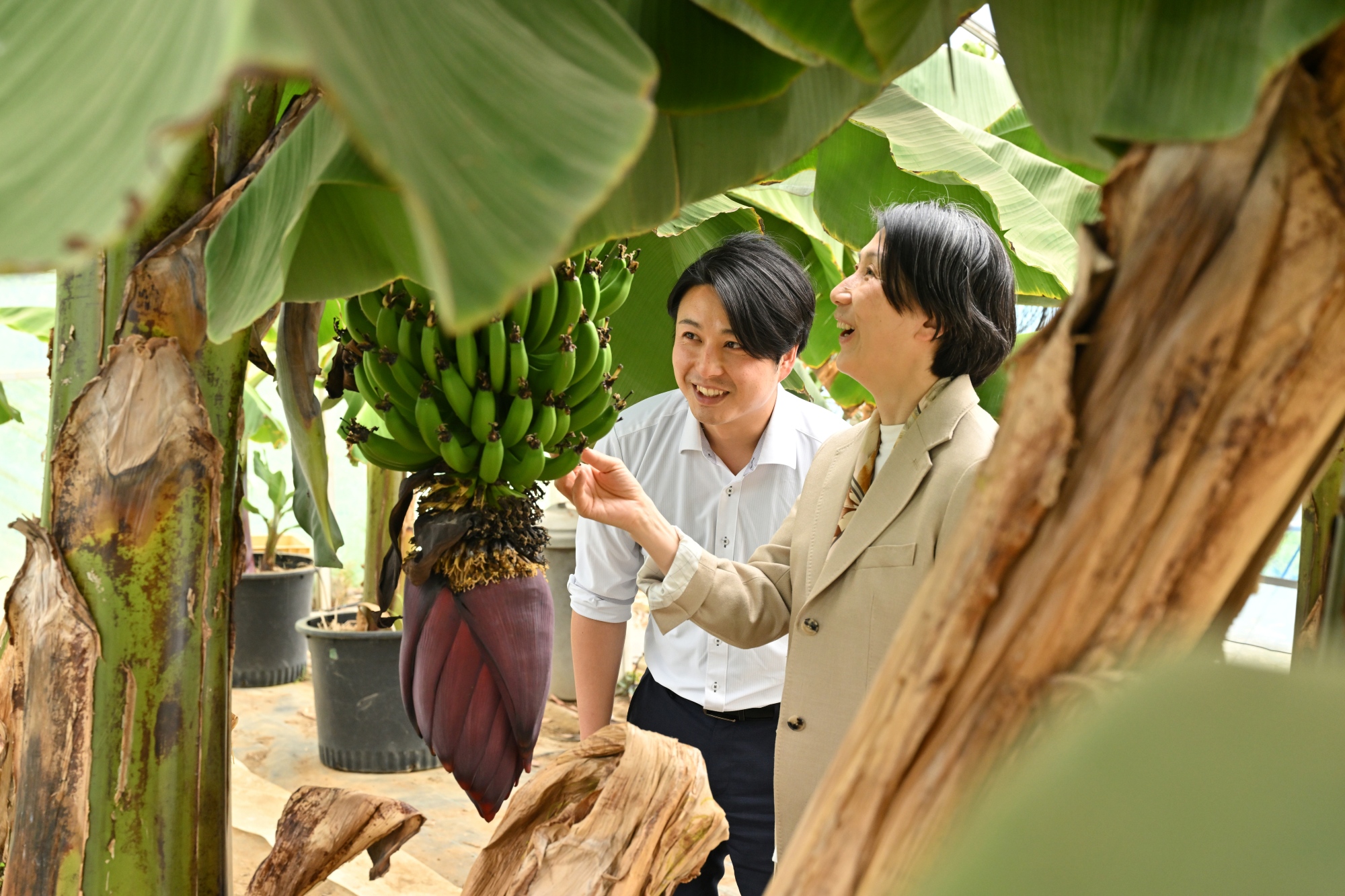
Professor Watanabe (right) and Nozawa observe banana plants.
Sns share!


