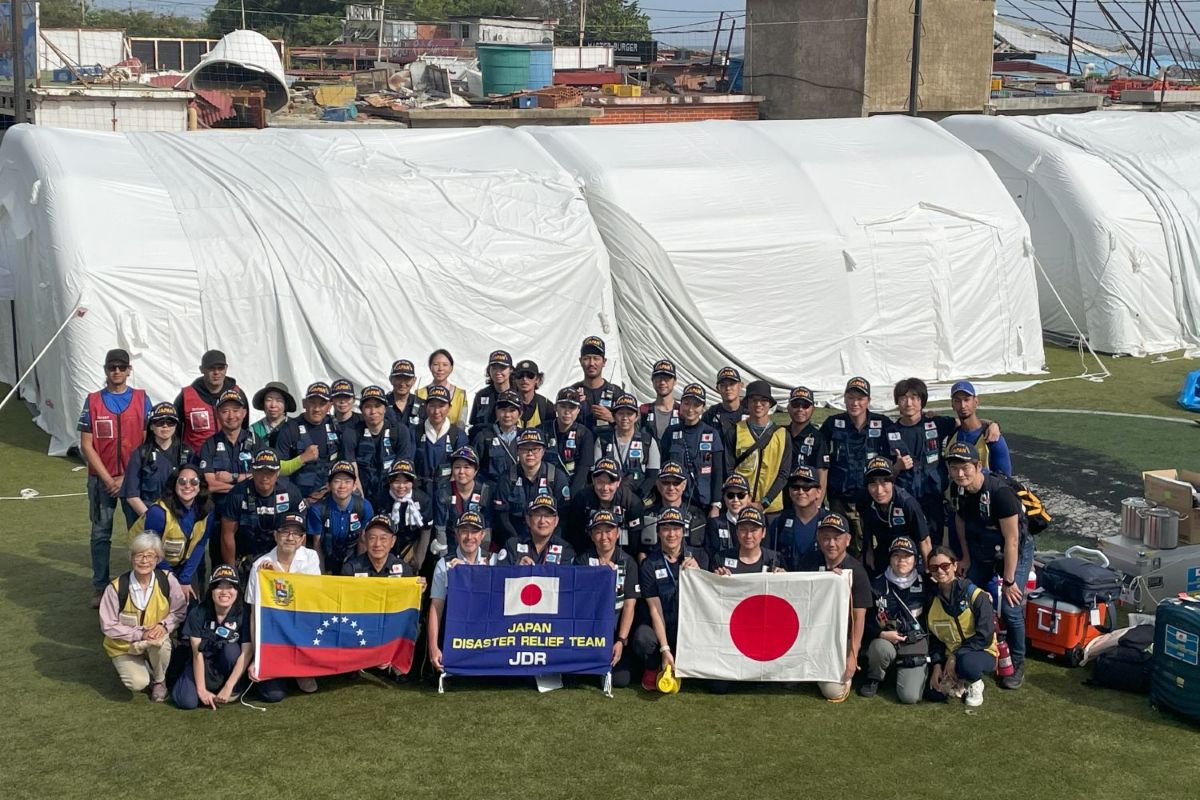
Earthquakes, floods, volcanic eruptions, wildfires ... As large-scale disasters strike one after another around the world, the Japan Disaster Relief Team (JDR), whose secretariat is administered by JICA, is being deployed with increasing frequency. Following the twin earthquakes that struck Venezuela in June and claimed more than 6,000 lives, a JDR Medical Team quickly arrived in the hardest-hit area. The deployment was also a way of expressing gratitude to the people of Venezuela for their support after the Great East Japan Earthquake in 2011. Through reports from the front lines, this article takes a closer look at JDR’s activities.
Survey team dispatched the day after M7+ quakes: The role of the Japan Disaster Relief Team
“Did I read that wrong? Or could it actually be ...?
Early on June 25, Kondo Takayuki, Director General of the JDR secretariat, tilted his head when he received a notification on his smartphone at home. A global disaster-monitoring website had reported an earthquake in Venezuela, but the color indicating the scale of the damage had suddenly changed from orange, indicating a moderate level, to red, the highest level. The change was due to another earthquake measuring more than magnitude 7 striking the same location just 39 seconds later.
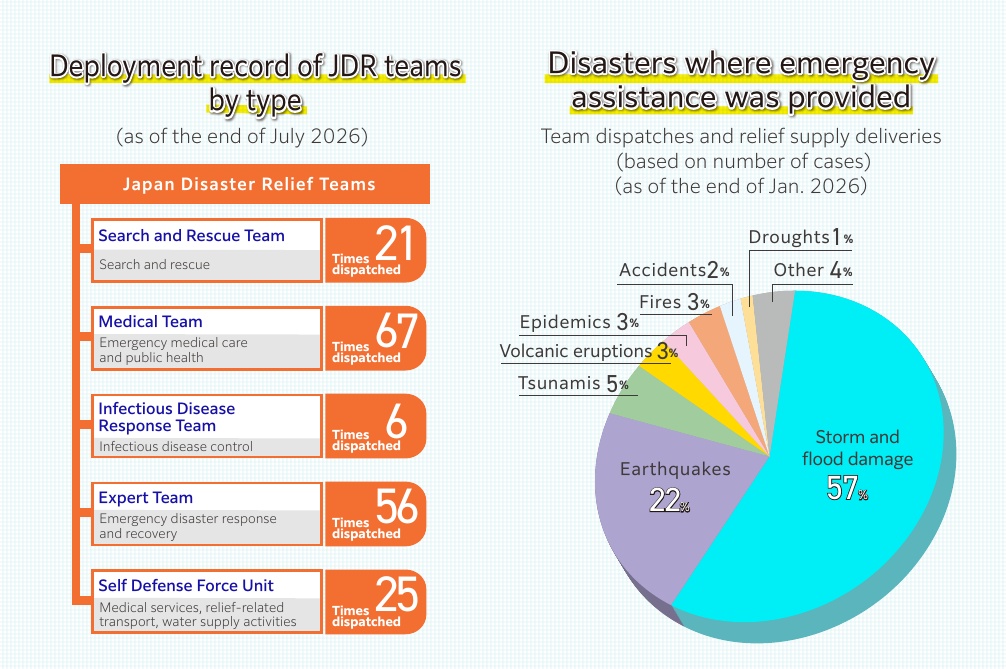
The Japan Disaster Relief Team (JDR) comprises Japanese experts who operate at disaster-affected sites when large-scale disasters occur overseas. Its secretariat operates out of JICA, and JDR manages five types of teams, including medical and rescue teams. Some 900 volunteers are registered with the Medical Team and regularly undergo training during non-emergency periods.
When an affected country requests assistance, the JDR secretariat forms a team upon receiving a deployment order from the Japanese government and dispatches it to the disaster-stricken area.
Drawing on experience from past disaster responses, Director General Kondo decided to deploy an assessment team on June 26, the day after the earthquakes struck, as an initial step toward mobilizing the Medical Team. While the international airport in Caracas was closed due to the impact of the earthquakes, the JDR secretariat expedited efforts to secure routes for bringing personnel and equipment into the affected areas.
Based on information gathered by the assessment team on the ground, Japan’s Minister for Foreign Affairs issued a deployment order on July 1. The first JDR Medical Team, comprising 43 members, including some members of the assessment team, departed Japan in stages and reached Caracas, and then proceeded into La Guaira State, one of the areas hardest hit by the earthquakes.
With the capital’s airport still closed, members entered Venezuela through a small local airport and traveled several hours overland to reach the disaster area.
People flock to medical base in hardest-hit area
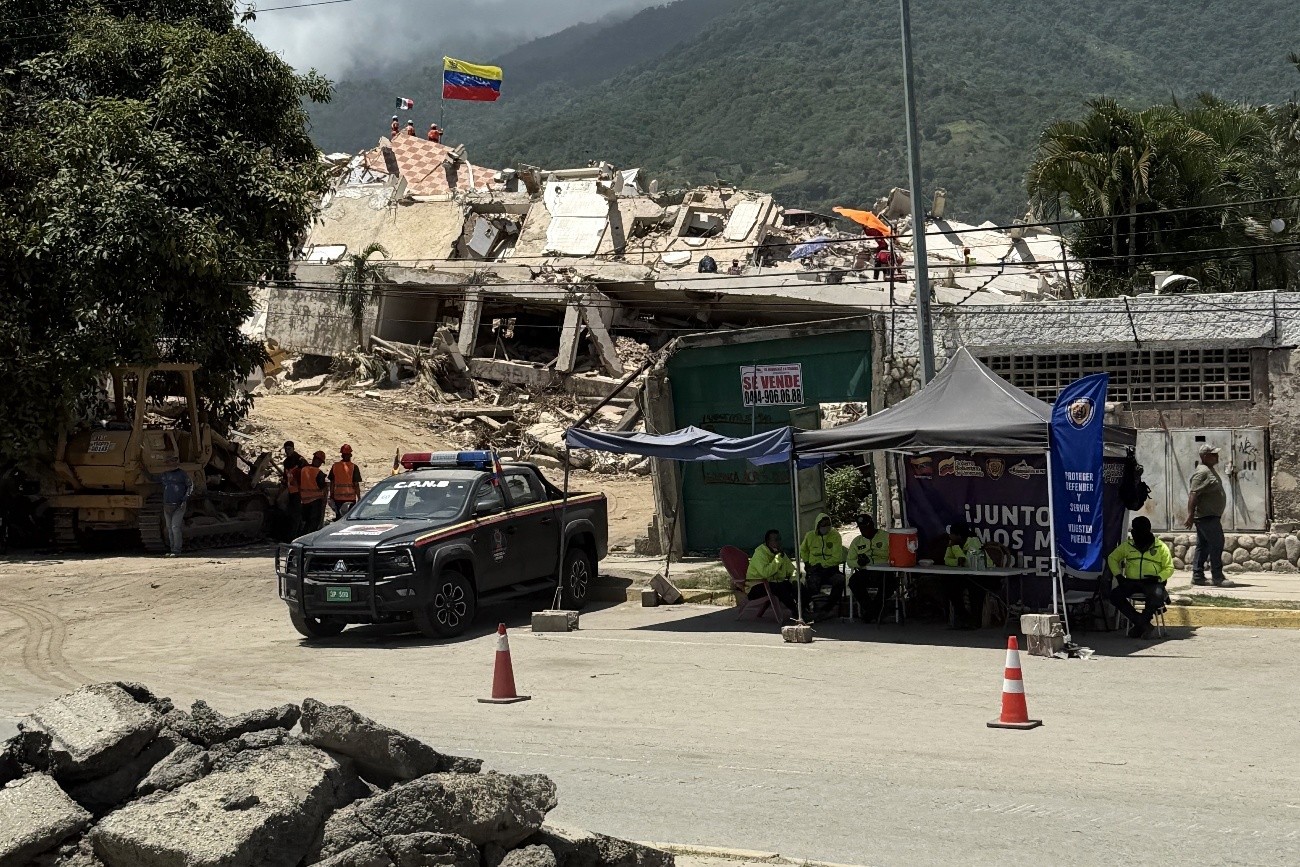
As the team members entered the city, they were left speechless. So many buildings had suffered “pancake collapses,” as if crushed from above. Huge apartment buildings that had completely collapsed also lay throughout the city.
“The conditions were among the worst I had ever seen,” recalled Takayanagi Yoshihiro, the team’s nursing leader, who works at Aichi Medical University Hospital and who had also joined the JDR Medical Teams deployed in response to the 2023 Türkiye and 2025 Myanmar earthquakes.
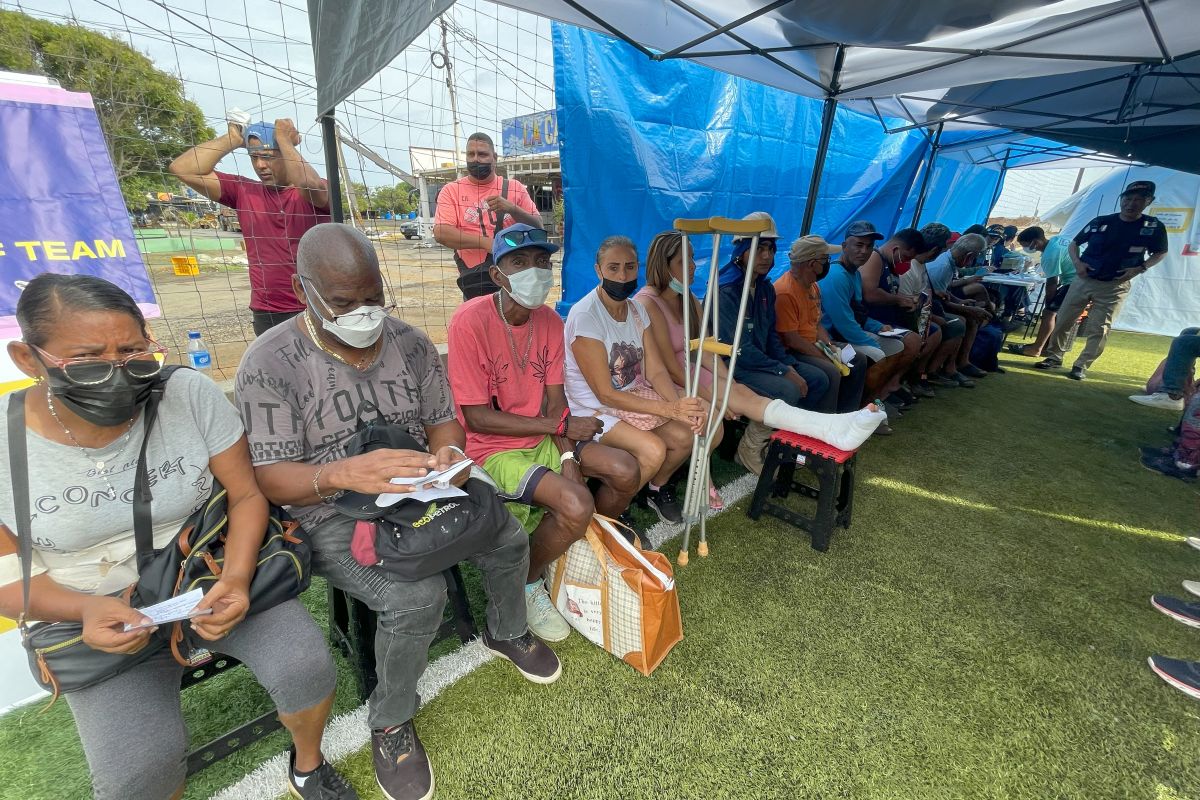
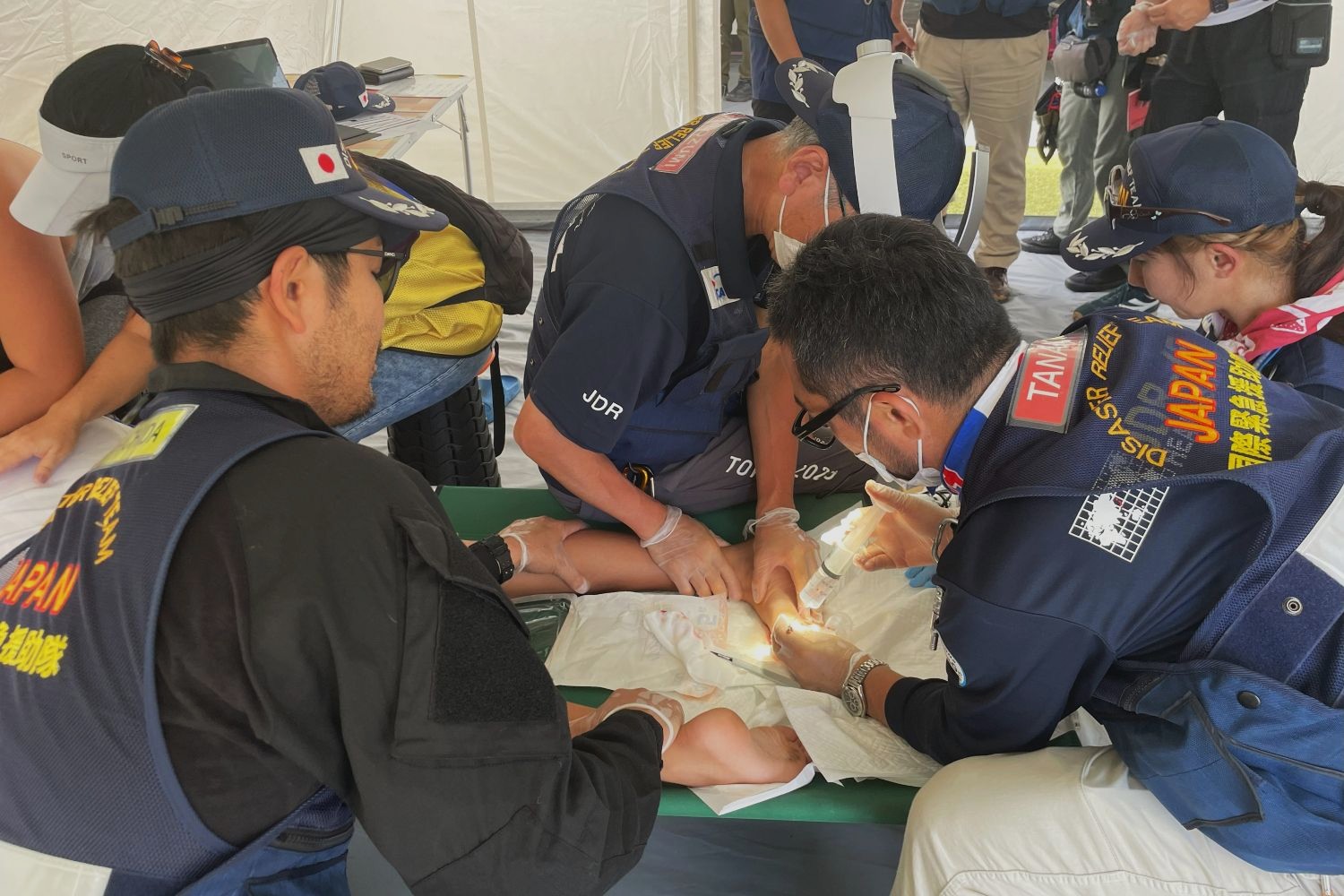
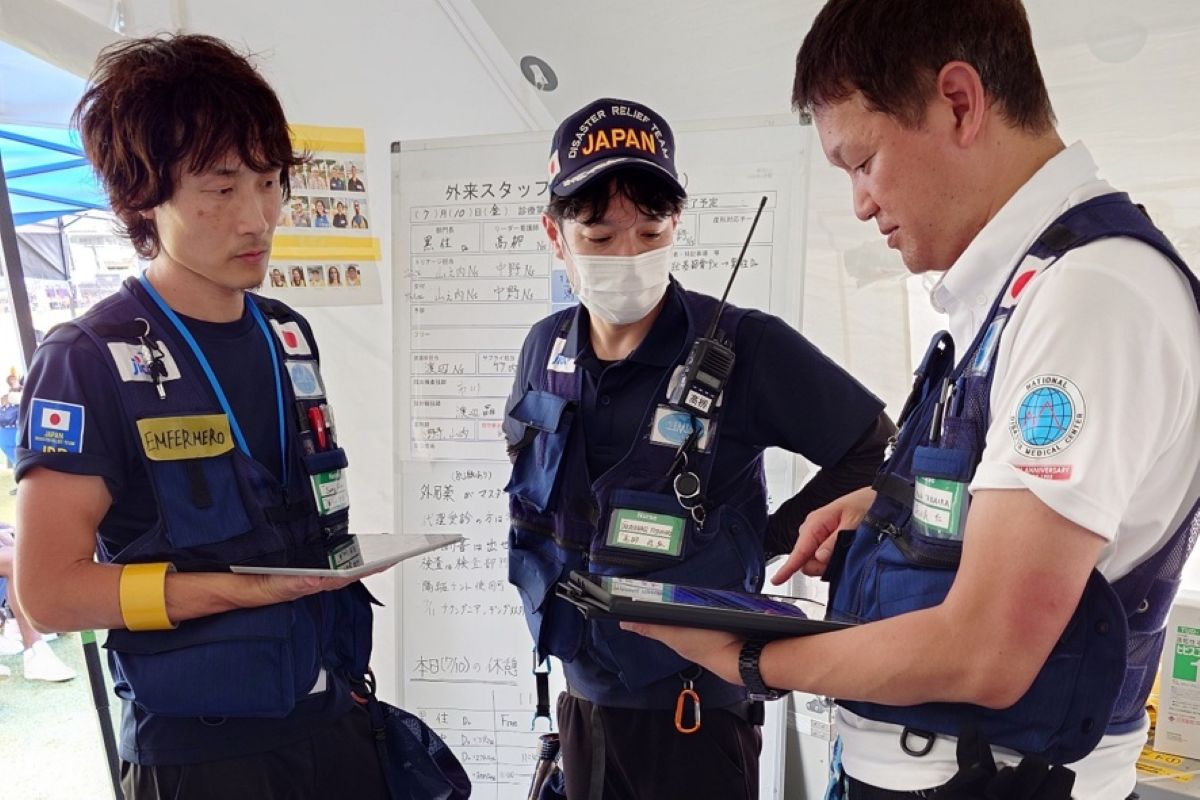
When the Medical Team began providing outpatient care on July 8, the team received around 100 patients at the operational base each day. They suffered from a wide range of conditions including fractures, infected wounds, respiratory illnesses such as asthma, and malnutrition.
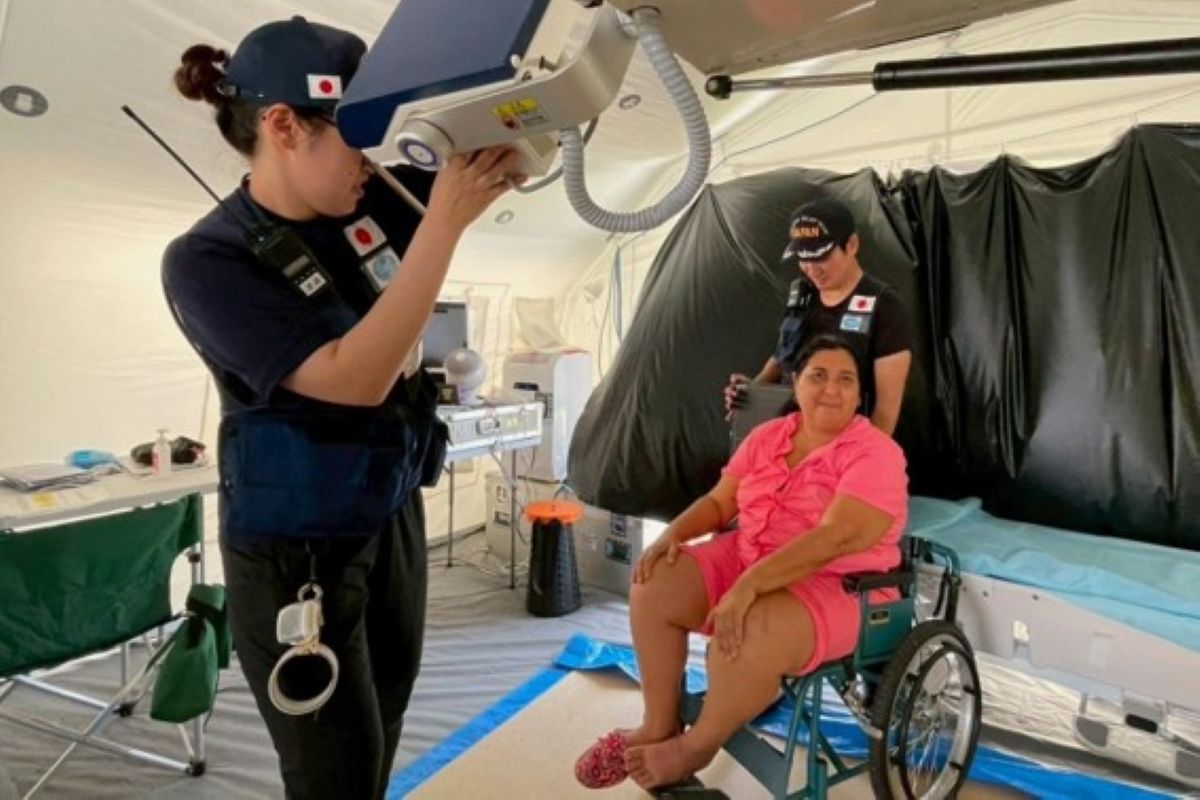
Operating a portable X-ray unit brought from Japan, Watanabe Akira, a JDR Medical Team radiological technologist at Saiseikai Niigata Kenoh Kikan Hospital, could not conceal her surprise.
“Although about two weeks had passed (since the earthquakes occurred), there were many people who had been unable to receive adequate medical care and were still suffering from fractures or wounds,” she recalled.
Easing emotional trauma: Empathy that defines Japan’s approach
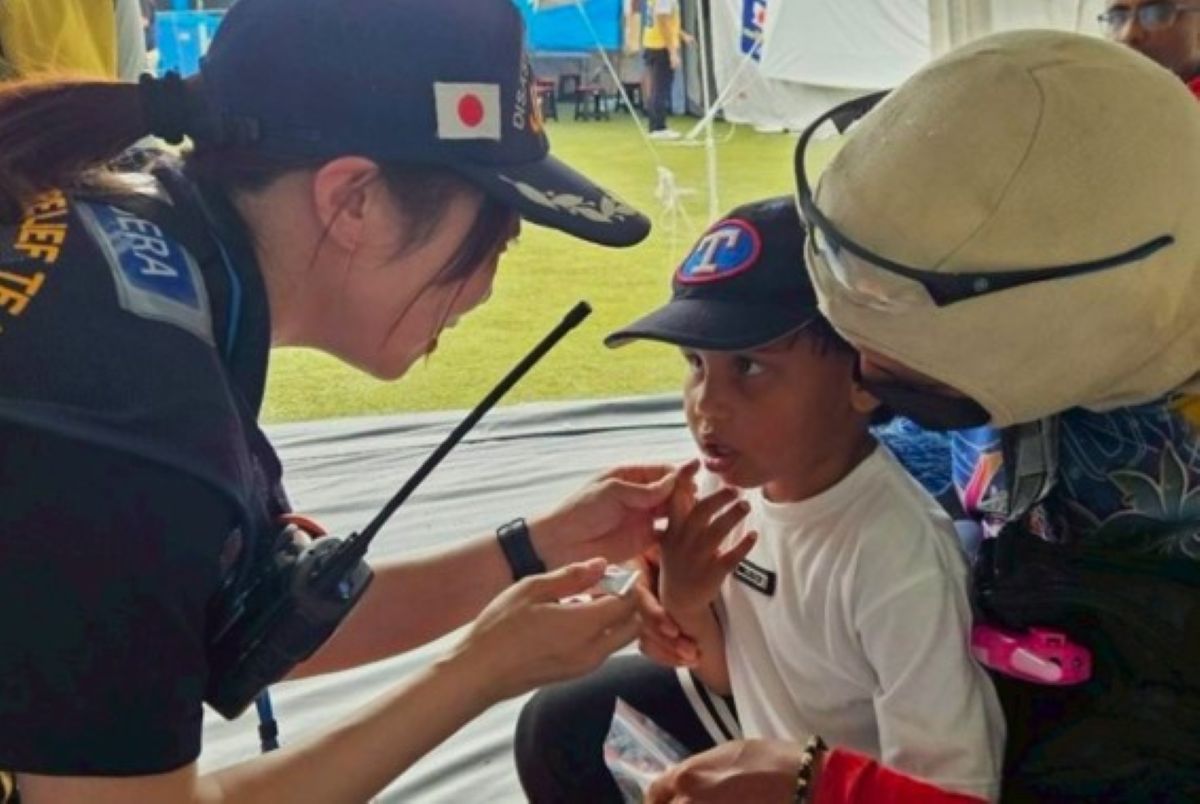
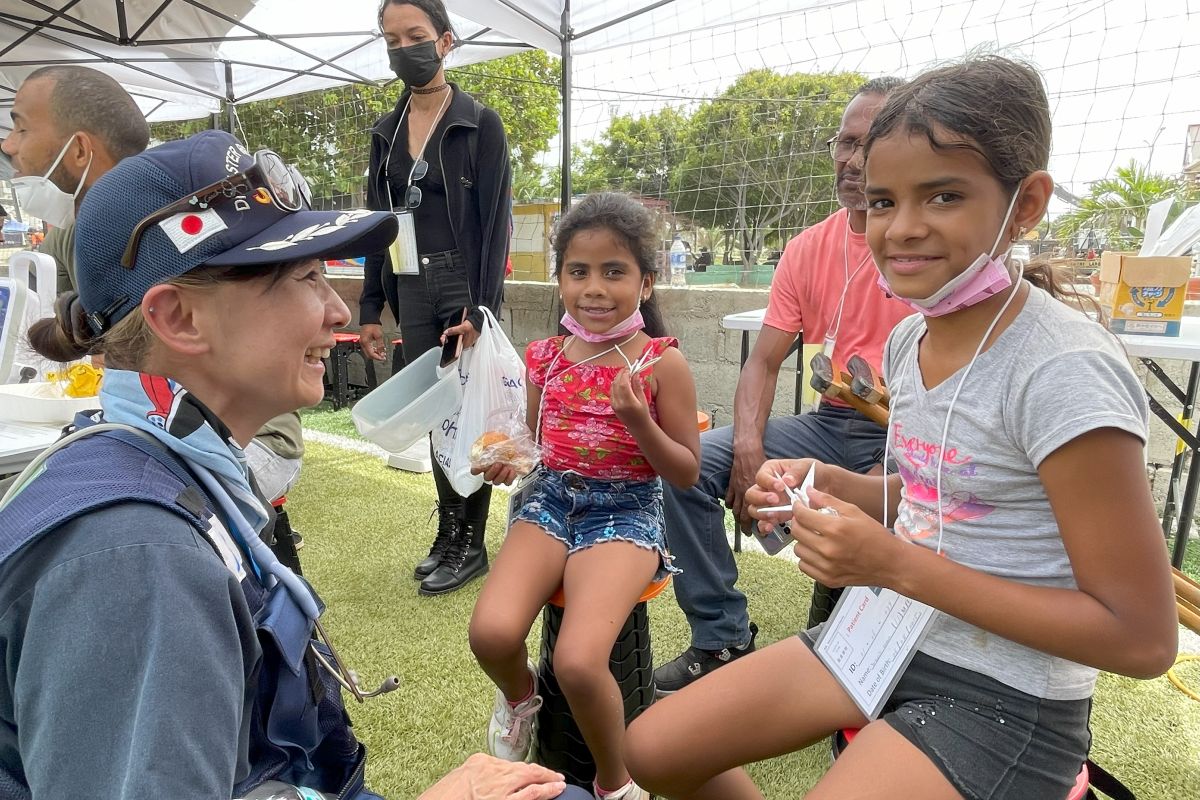
Not all wounds were visible. At times, people searching for missing family members collapsed under the psychological strain and were brought to the clinic. Wanting to do more for those in emotional distress, the nurses listened attentively to what patients had to say. For children unable to put their trauma into words, team members used origami and balloons to engage with them and bring smiles back to their faces.
Onodera Mikoto, a JDR Medical Team pharmacist from Tokyo Women’s Medical University Hospital, faced a dilemma. Supplies of medicines brought from Japan were limited, so the team could not provide each patient with an adequate amount. Hoping to offer some encouragement, she handed each patient who seemed down a paper crane with their medication bag. “It’s a Japanese good-luck charm,” she told them.
Such empathetic gestures were well received by the local community. Every morning, patients began to wait outside the JDR Medical Team operational site as early as 5 a.m., hoping to receive care. Residents frequently brought drinks and snacks for the team, expressing their gratitude. “They were among the first to come and help us all the way from the other side of the world,” residents said.
The JDR Medical Team was recognized for its strong medical expertise and data management. Equipped with a portable X-ray system, the team was sometimes asked by medical teams from Europe and the United States that lacked such equipment to take X-rays of patients and help diagnose them. In recognition of the JDR Medical Team's contributions, the Governor of La Guaira State presented the team with a token of appreciation.
Globally recognized expertise: Knowledge gained abroad applied to domestic disasters
Japan’s international disaster relief began in 1979 with assistance provided to Cambodian refugees. The foundation for JDR’s activities was later established in 1987 with the enactment of the Act on Dispatchment of the Japan Disaster Relief Team (the JDR Law).
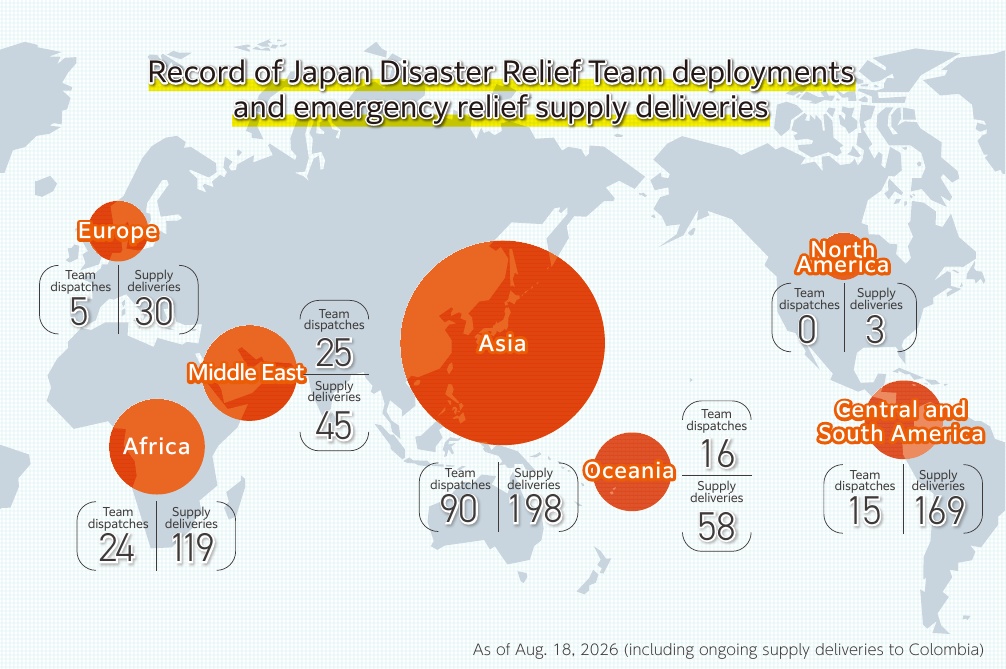
JDR will mark its 40th anniversary in 2027. Including its response to the Venezuela earthquakes, the number of JDR deployments has reached 175, including 67 deployments of medical teams, and its activities have received high international recognition.
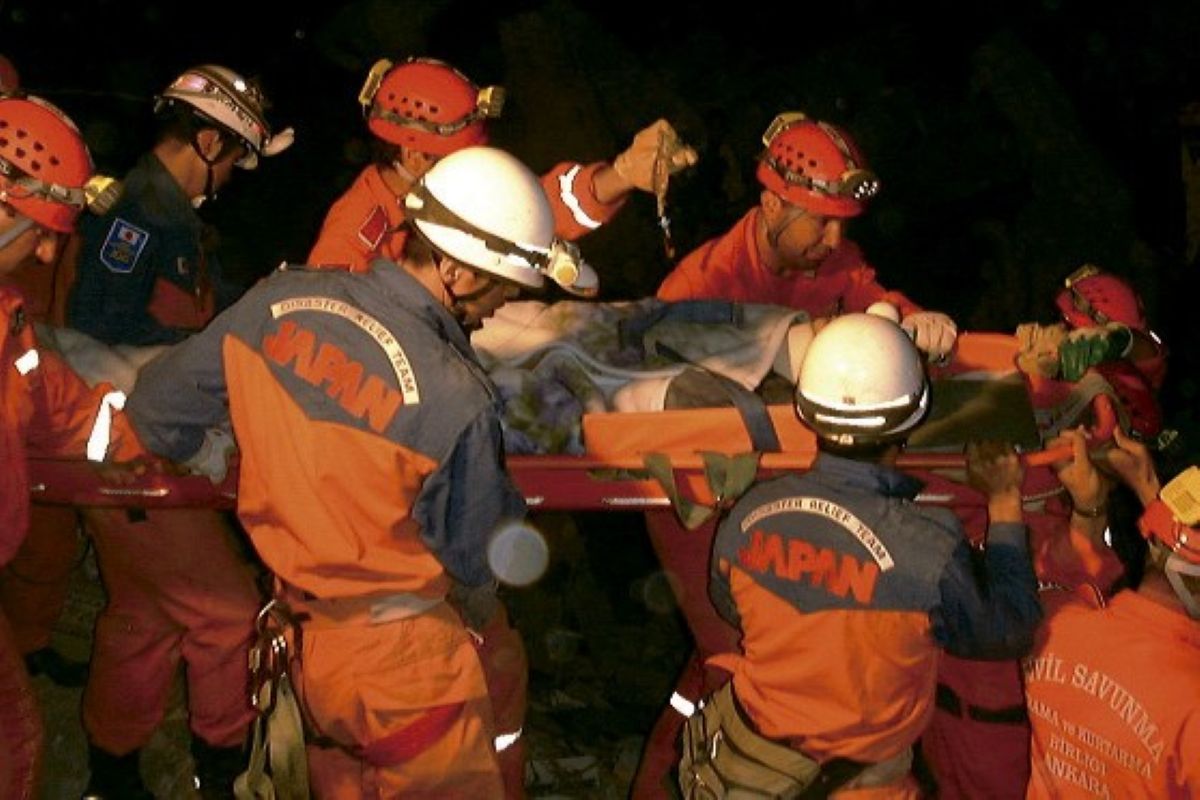
The JDR Search and Rescue Team conducts urban search-and-rescue operations and consists primarily of personnel from organizations such as Japan’s National Police Agency, the Fire and Disaster Management Agency, and the Japan Coast Guard. It has received the International Search and Rescue Advisory Group (INSARAG)'s classification as a Heavy Urban Search and Rescue Team.
The JDR Medical Team is likewise classified by the World Health Organization (WHO) as capable of providing high-quality emergency medical care. The team has continued to strengthen its capabilities in response to changing needs, including by introducing electronic medical records to compile clinical data more quickly. In addition, an Infectious Diseases Response Team has been established to help prevent the spread of infectious diseases.
Some JDR missions deploy multiple teams. Following the 2004 Indian Ocean earthquake and tsunami, which caused extensive damage in 12 countries, JDR dispatched 14 teams comprising approximately 1,600 personnel to four affected countries including Sri Lanka. These included search and rescue, medical, and expert teams, as well as a Self Defense Force Unit. The mission provided seamless assistance from the immediate aftermath of the disaster through the reconstruction phase. It was the largest mission in JDR’s history.
JDR’s experience has also helped shape Japan’s domestic disaster-response system. The Japan Disaster Medical Assistance Team (DMAT), which operates in domestic disaster-affected areas, was born out of JDR’s activities. Many healthcare professionals are registered with both systems, and one JDR team member even left for Kumamoto, where a large-scale earthquake hit, causing extensive damage, immediately after returning from Venezuela.
Takayanagi Yoshihiro, who also serves as a member of DMAT, including missions aboard doctor helicopters, explained how the two systems reinforce one another.
“When managing the JDR Medical Team's nursing team in Venezuela, what I had learned from DMAT operations proved invaluable,” he said. “And what I learned in Venezuela will, in turn, feed into our work in Japan. The work of JDR and DMAT forms a continuous cycle that advances Japan’s disaster medicine.” That cycle of learning and improvement extends beyond Japan as well.
Passing experience on to the future
JICA implements the Project for Strengthening the ASEAN Regional Capacity on Disaster Health Management (ARCH Project), which aims to strengthen the regional disaster health management network among members of the Association of Southeast Asian Nations. As Japan’s experience and accumulated know-how have been shared with ASEAN countries, initiatives such as Thailand’s own DMAT have emerged. Training and other activities are also strengthening public- and private-sector networks across national borders.
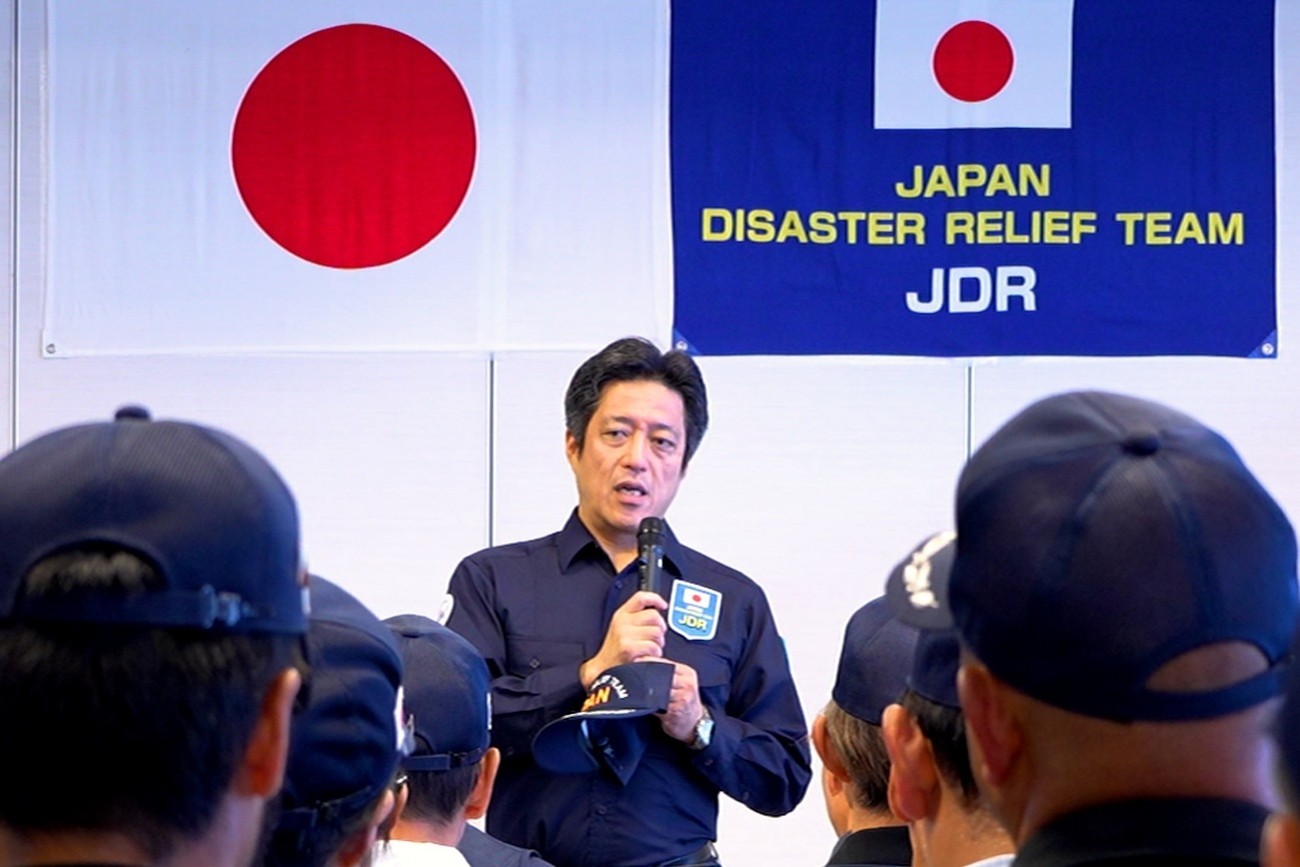
Director General Kondo explains the significance of such international cooperation:
“Japan’s knowledge and expertise as a country frequently affected by natural disasters are now widely sought around the world, and JDR’s presence in the international community continues to grow year by year,” he said. “At the same time, Japan may one day need to receive assistance from other countries if a major disaster such as a Nankai Trough mega-earthquake were to occur. I believe that sharing experiences and lessons learned at home and abroad, and building networks based on direct, personal relationships will also help protect people in Japan.”
Leading the world with trust — JDR continues to put JICA’s vision into practice on the front lines in disaster-affected areas.
The pride of supporting others, the pride of receiving support
For team members Watanabe and Onodera, both on their first JDR deployment, the mission had personal significance. Both are from Japan’s Tohoku region, and their decision to register with JDR was motivated by gratitude for the support they had received following the 2011 Great East Japan Earthquake.
In the immediate aftermath of the disaster, the Venezuelan government sent 19 tons of emergency relief supplies to Japan, including food, blankets and medical supplies.
When Onodera learned of the earthquakes in Venezuela, she immediately recalled those memories.
“The tsunami damaged my family home and affected many of my friends, but my family and friends drew strength from the support we received, and we were able to rebuild our lives,” she said. “Venezuela, in particular, was quick to send relief supplies to Japan. I applied for the deployment without hesitation.”
Over a three-week period, the first and second contingents of the JDR Medical Team, comprising a total of 77 personnel, provided medical care to more than 1,600 people. On July 28, while the second JDR Medical Team was preparing to return to Japan, the Kumamoto earthquake struck. Team members said disaster-affected Venezuelans offered their thoughts and prayers to those affected by the Kumamoto earthquake.
Since returning from Venezuela, Watanabe has kept one particular message from a patient close to her heart as she goes about her daily work:
“Hiroshima, devastating earthquakes ... Japan is a strong country that has risen time and again from adversity. Having received medical care from Japan is something we are very proud of.”