
Capacity Building Support for Timor-Leste’s Integration into the International Trade System and Industrial Development
2026.01.28







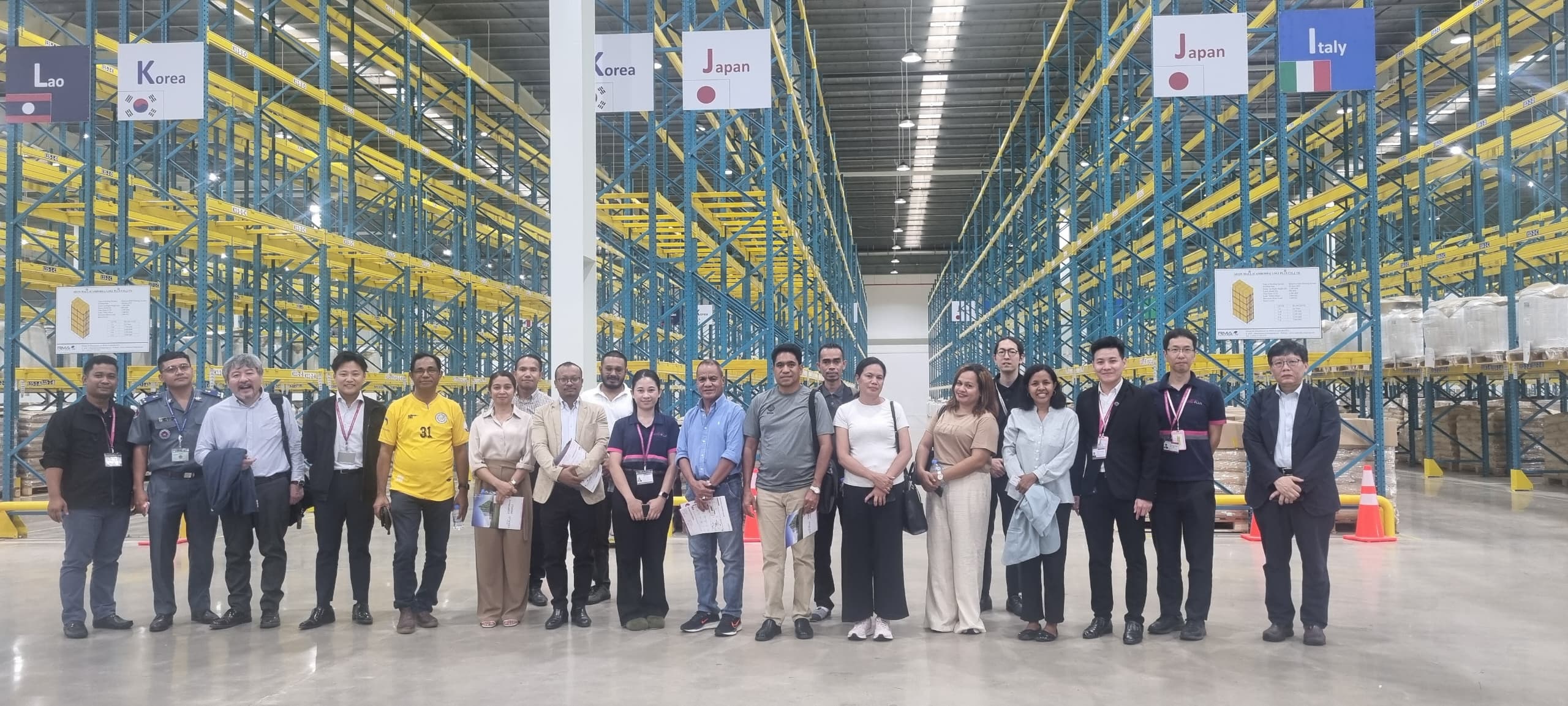
This article introduces JICA Timor-Leste Office’s cooperation in supporting industrial policy development. Since February 2024 until February 2026, the author has been assigned to the Ministry of Commerce and Industry (MCI) as an Industrial Development Advisor, providing assistance in policy formulation and coordination with stakeholders.
The Government of Timor-Leste formally acceded to the World Trade Organization (WTO) in late August 2024 and achieved its long‑awaited goal of becoming an official member of the Association of Southeast Asian Nations (ASEAN) in late October 2025. Looking ahead, the Government of Timor-Leste aims to further expand its trade by concluding additional economic agreements.
Given that Timor-Leste is a small island nation of around 1.4 million people, seeking economic growth through access to global markets is a natural step. However, due to its physical distance from large consumer markets and the slow pace of industrial diversification, the government has thus far been unable to promote trade as hoped. Even with regard to coffee, the country’s primary export product, Timor-Leste faces the reality that its productivity per cultivated area remains low compared to competing countries, and both maintaining internationally competitive quality and securing volumes that meet global demand are challenging. To leverage international trade for economic advancement, foreign investment and technology transfer are indispensable. Yet Timor-Leste still lacks the business environment necessary to attract such investment, facing numerous challenges including underdeveloped infrastructure and gaps in its legal and regulatory frameworks.
Timor-Leste has long depended on revenue from oil and natural gas for the vast majority of its national budget. However, the oil fields that had been in operation until recent years have effectively been depleted. The government is now operating its public finances by gradually drawing down a sovereign fund accumulated from past petroleum revenue. In late 2023, the Government of Timor-Leste published the National Industry Development Policy, which set out objectives such as promoting high value-added manufacturing. Nevertheless, it has yet to present concrete solutions, and industrial diversification has made little progress.
Accession to ASEAN and the WTO required Timor-Leste to conclude numerous international treaties and undertake extensive legal reforms. However, even after achieving formal membership, many systems remain underdeveloped. The WTO has called on Timor-Leste to establish essential legal frameworks for international trade, including the formulation of a Manufacturing Action Plan (MAP) to support the development of its manufacturing sector. Under this project, and at the request of the Ministry of Commerce and Industry (MCI), we are supporting the formulation of the MAP. To complete the MAP, it must first obtain approval from the Council of Ministers, followed by endorsement from the WTO.
Among ASEAN members, several countries have already transitioned from labor‑intensive manufacturing to capital‑intensive industrial structures. By contrast, in Timor-Leste, most manufacturers are still very small-scale operations producing simple processed goods for the domestic market. Even labor‑intensive manufacturing has yet to develop sufficiently. The limited growth of Timor-Leste’s manufacturing sector is attributable to various issues, including high cost structures arising from inadequate infrastructure, a shortage of skilled workers demanded by the market, and a lack of cross‑ministerial coordination within the government. More fundamentally, many MCI officers responsible for trade and industrial policy have not fully grasped these challenges.
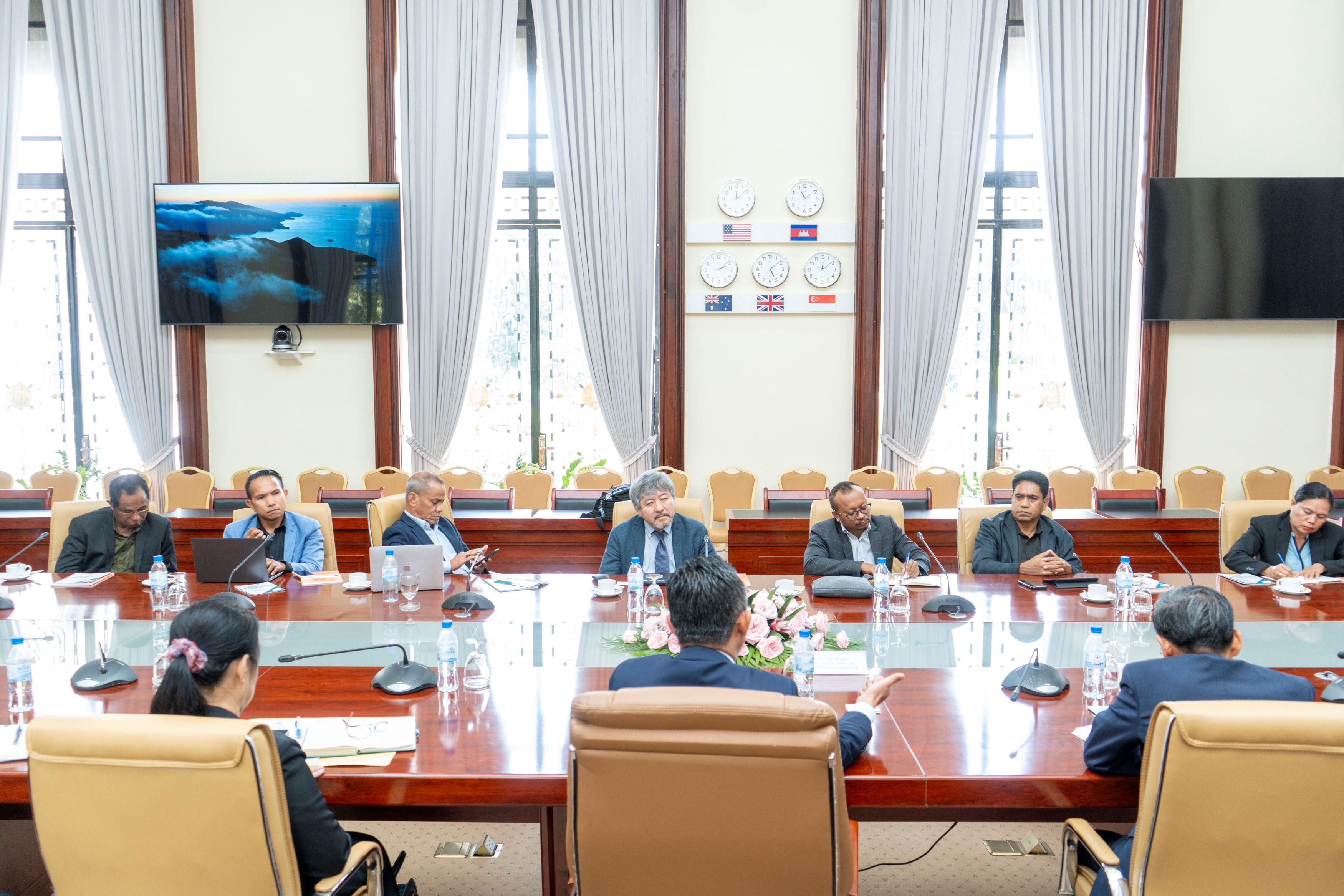
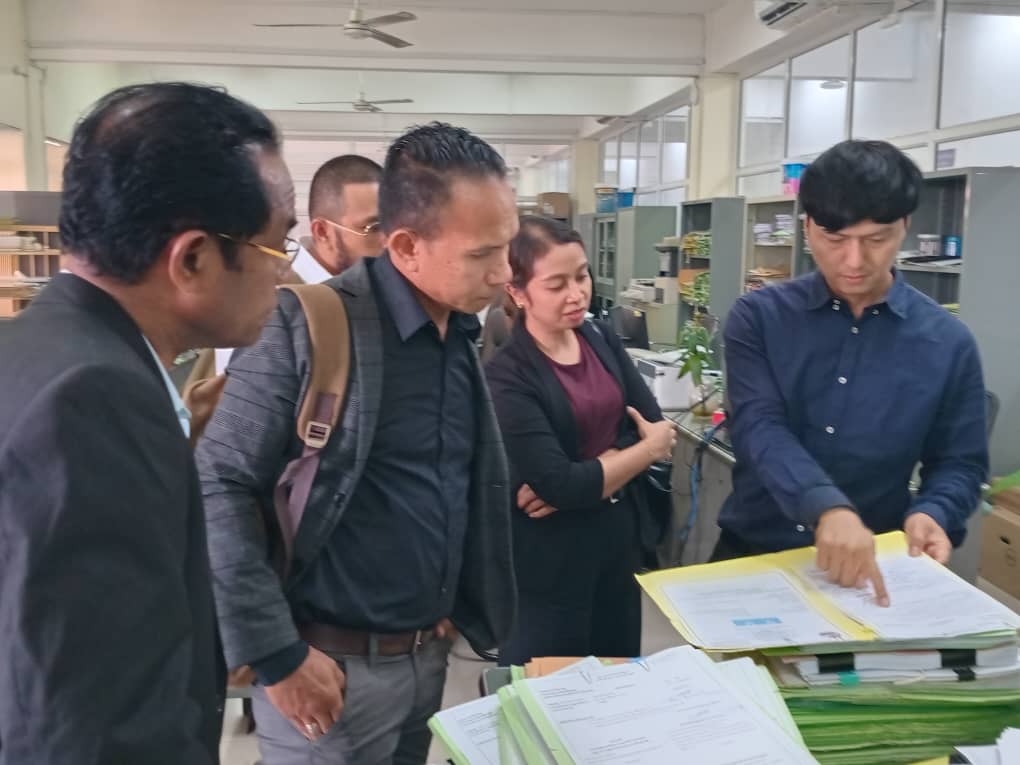
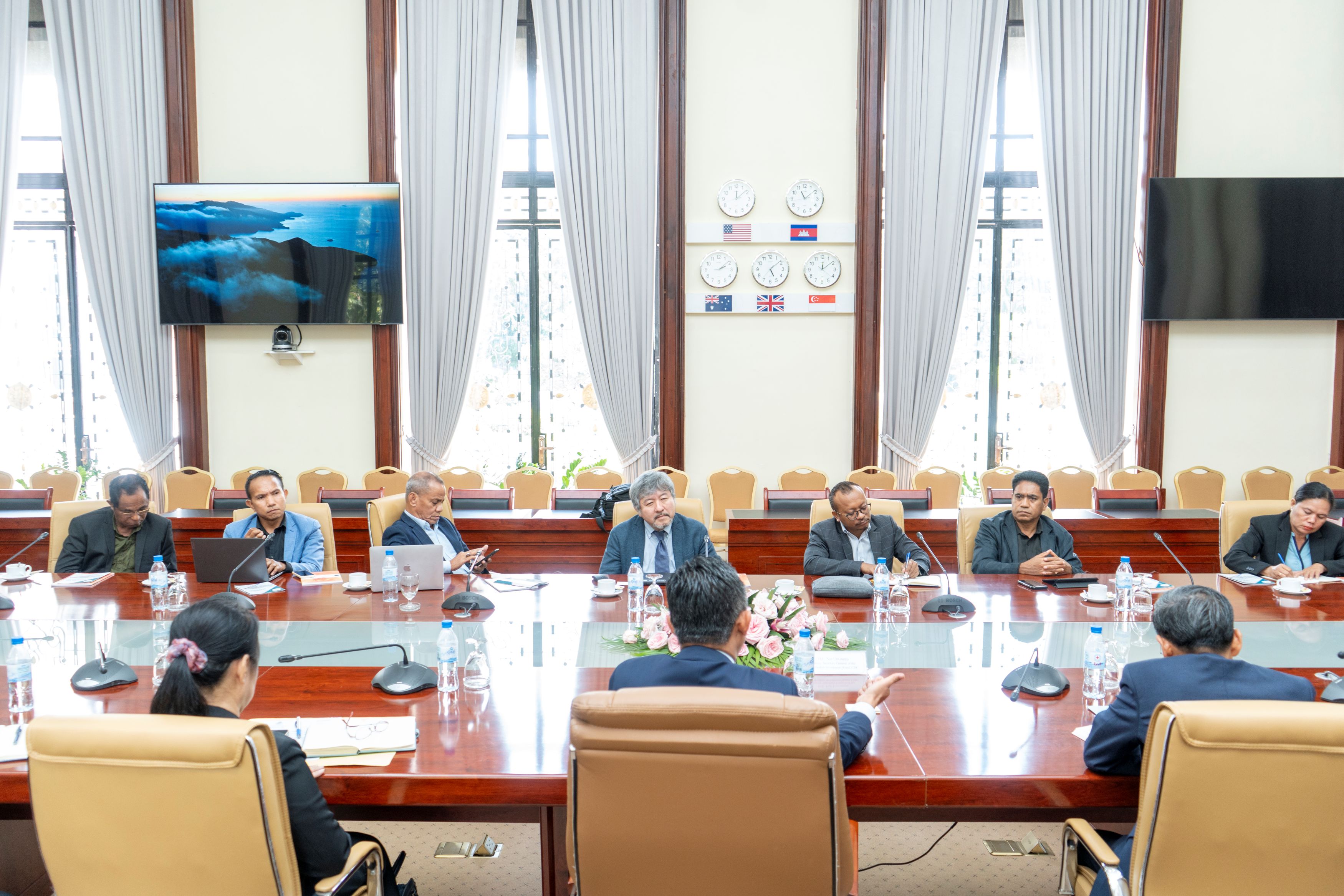
In response, the project organized a study tour from 28 June to 6 July 2025 focusing on Cambodia, an ASEAN country with a relatively similar GDP per capita. The tour targeted core MCI officers involved in policy formulation. During the tour, the delegation visited the Ministry of Commerce’s General Directorate of Trade Promotion and the National Committee on Trade Facilitation, engaging in discussions on Cambodia’s trade promotion policies. The group also visited the Ministry of Commerce’s Consumer Protection, Competition and Fraud Repression Directorate-General and the Department of Intellectual Property, gaining deeper insight into Cambodia’s competition policy and intellectual property protection. Additionally, the delegation met with the Council for the Development of Cambodia—the key institution responsible for national strategic decision-making—to discuss Cambodia’s governance structure and special economic zone (SEZ) strategies.
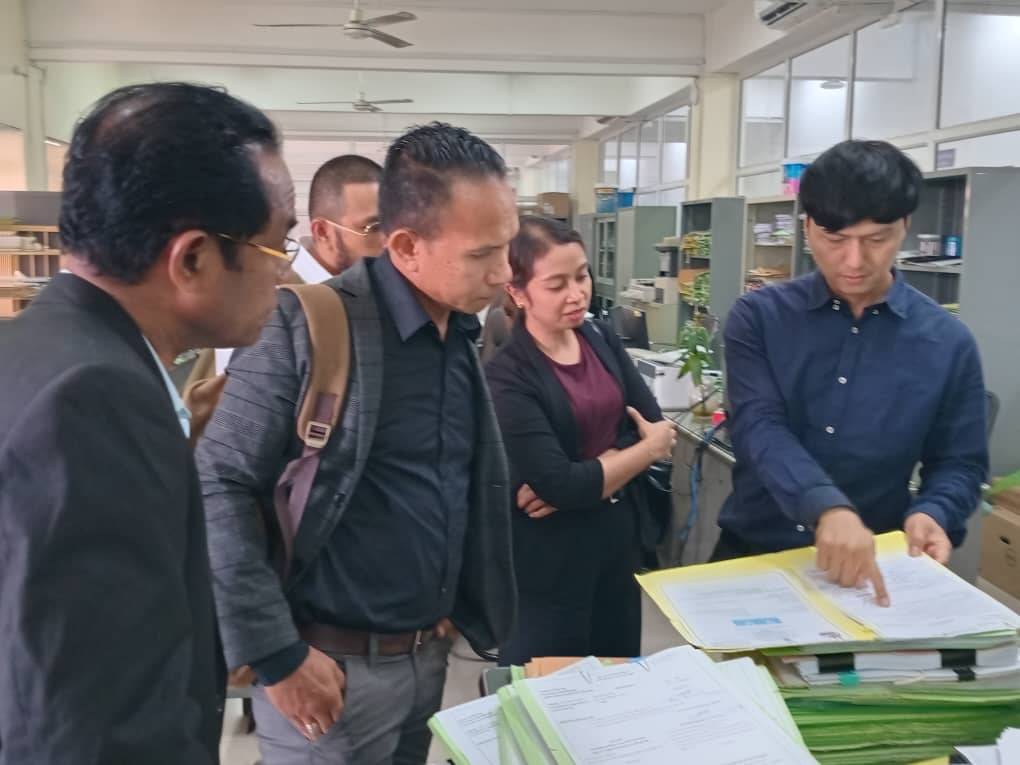
Beyond government bodies, the study tour was designed to enhance understanding of SEZ operations, which Timor-Leste aims to develop domestically. In Phnom Penh, the delegation visited the Royal Group Phnom Penh SEZ, where they toured tenant factories and learned about the realities of land-based logistics. In Sihanoukville, Cambodia’s hub for maritime trade, they visited the Sihanoukville Port Special Economic Zone and toured facilities including AEON Mall Logi Plus to learn about maritime logistics practices. Near the Vietnamese border in Bavet, they visited the Tai Seng Bavet Special Economic Zone and the Manhattan (Svay Rieng) Special Economic Zone, where they observed the “One Stop Shop” system that consolidates customs and administrative procedures in a single location. They also toured two export‑oriented labor‑intensive manufacturing factories, gaining practical insights into SEZ operations.
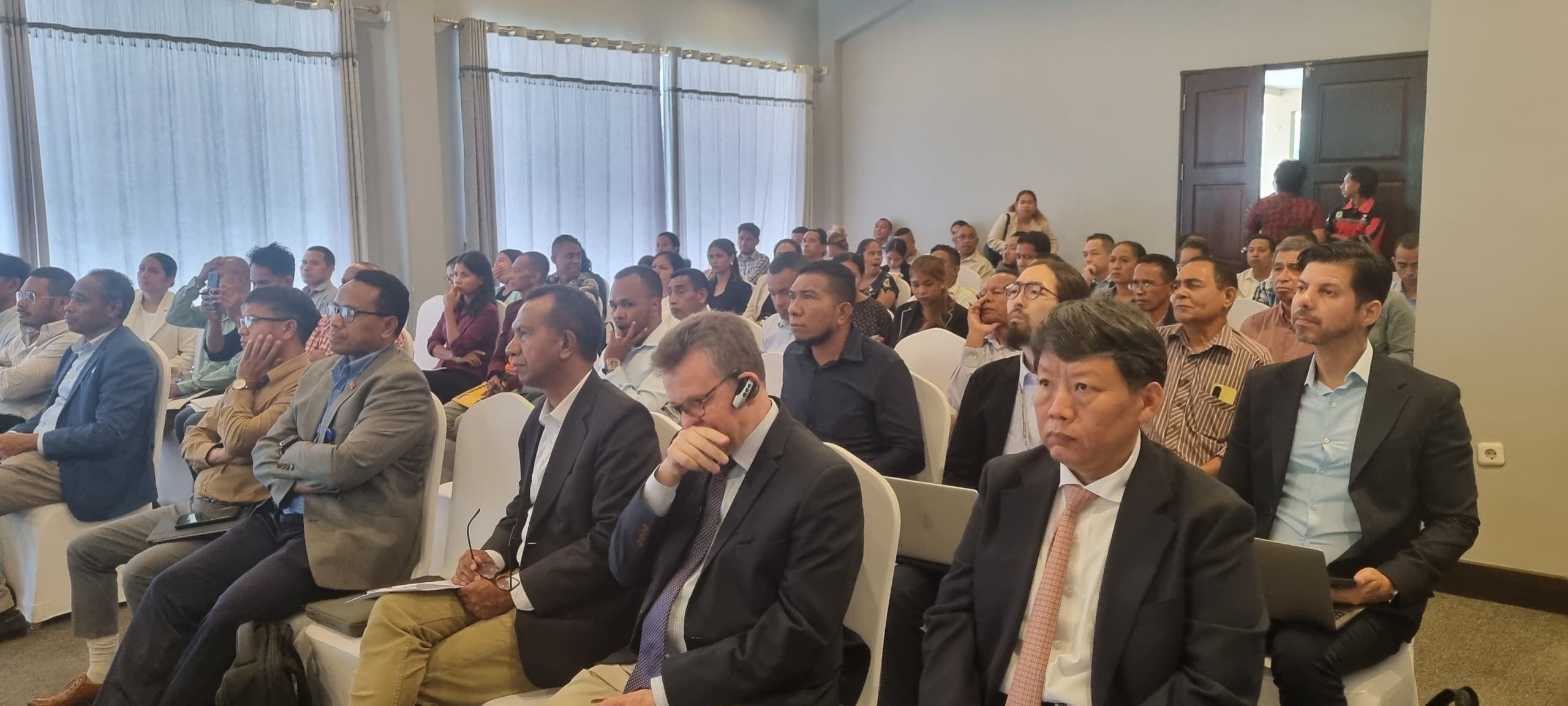
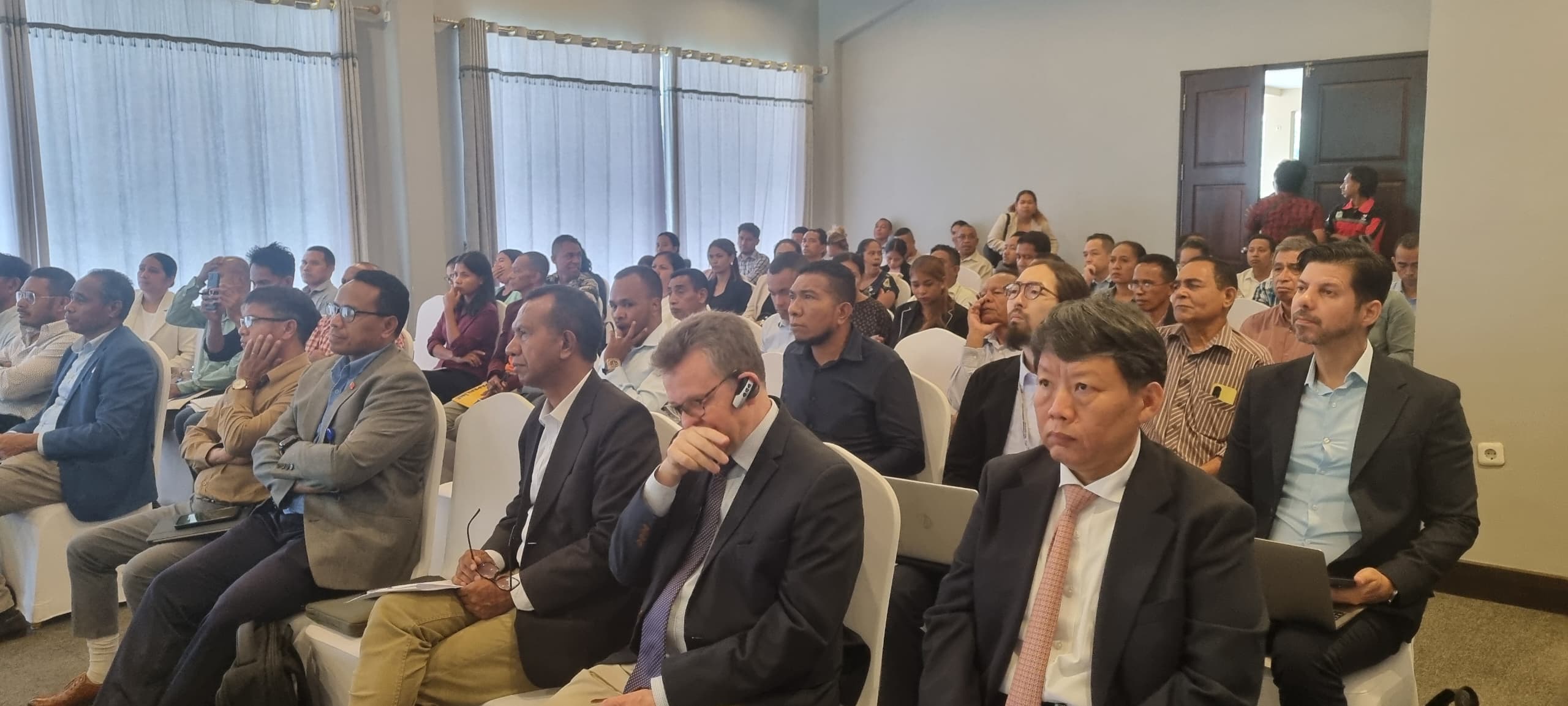
The knowledge gained from the study tour has been incorporated into the draft MAP. Following their return to Timor-Leste, the project team led prior consultations, briefings, and public hearings with relevant ministries, donors, and private‑sector associations to secure approval from the Council of Ministers. As of January 2026, the MAP has obtained approval from the Minister of MCI, and procedures toward submission to the Council of Ministers are underway. Once the MAP receives the necessary approvals from the Council of Ministers and the WTO, it is expected that concrete measures to accelerate industrial diversification in Timor-Leste will move forward without delay.
Artigu ida ne introdúz Ajénsia Koperasaun Internasional Japaun (JICA, sigla Inglês) Timor-Leste nia koperasaun iha apoio ba dezenvolvimentu polítika indústrial. Hahú husi Fevereiru 2024 to Fevereiru 2026, autór hetan kna’ár iha Minísteriu Komérsiu no Indústria (MCI, sigla Inglês) nu’udár Assessor ba Dezenvolvimentu Industrial, hodi fó assisténsia iha formulasaun polítika no kordenasaun ho parte interessada sira.
Governu Timor-Leste formalmente adere ba Organizasaun Mundial Komérsiu (WTO, sigla Inglês) iha fim de Agostu 2024 no atinji nia objetivu tinan naruk hodi sai membru ofisiál ba Asosiasaun Nasaun Sudeste Aziátiku (ASEAN, sigla Inglês) iha fim de Outubru 2025. Ba oin, governu Timot-Leste nia ojetivu maka habelar ninia komérsiu liu husi konklui akordu ekonómiku adisionál sira.
Fó katak Timor-Leste nu’udár nasaun illa kiik ida ho populasaun maizumenus 1.4 millaun, buka kreximentu liu husi asesu ba merkadu globál maka pasu naturál ida. Maibé, tamba Timor-Leste nia distánsia fíziku husi merkadu konsumidores bo’ot sira no ninia ritmu pasu diversifikasaun indústrial nebe’e neneik, governu até agora seidauk bele promove komérsiu hanesan hakarak. Nune’e mós ho kafé, produtu esportasaun prinsipál nasaun nian, Timor-Leste enfrenta realidade ida katak ninia produtividade ba área kultividade nafatin ki’ik kompara ho nasaun sira nebe’e kompete hó, no atu mantein kualidade kompetitivu no asegura volume nebe’e tuir demanda globál dezafius tebes. Atu hasa'e komérsiu internasionál ba progresu ekonómiku, investimentu estranjeiru no transferénsia teknolojia importante tebes. Maibé Timor-Leste sei falta nafatin ambiente negósiu ne'ebé nesesáriu hodi atrai investimentu hanesan ne'e, hasoru dezafiu barak inklui infraestrutura la desenvolvidu no lakuna sira iha nia enkuadramentu legál no regulasaun sira.
Timor-Leste tinan naruk nia laran depende ba reseita mina-rai no gás naturál ba maioria husi nia orsamentu nasionál. Maibé, kampu mina-rai sira ne'ebé iha operasaun to'o tinan hirak foin lalais ne'e efetivamente menus ona. Governu oras ne'e jere hela finansas públikas hodi reduz graduálmente fundu soberanu ida ne'ebé akumuladu husi reseita mina-rai nian iha pasadu. Iha fin de tinan 2023, governu Timor-Leste públika Polítika Nasional Dezenvolvimentu Indústria, ne'ebé estabelese objetivu sira hanesan promove produtu ho valór adisionál ne'ebé aas. Maske nune'e, seidauk aprezenta solusaun konkreta, no diversifikasaun industriál nia progressu ituan deit.
Adezaun ba WTO no ASEAN eziji Timor-Leste atu konklui tratadu internasionál barak no halo reforma legál estensivu. Maibé, maski depois de sai membru formál, sistema barak nafatin la dezenvolve. WTO husu ba Timor-Leste atu estabelese enkuadramentu legál esensiál sira ba komérsiu internasionál, inklui formulasaun Planu Asaun Manufatura (MAP, sigla Inglês) atu suporta dezenvolvimentu setór manufatura. Iha ámbitu projetu ida-ne'e, no tuir pedidu husi Ministeriu Komérsiu no Indústria, JICA suporta hela formulasaun MAP. Atu kompleta MAP, tenke hetan aprovasaun husi Konsellu Ministrus.
Entre membru ASEAN sira, nasaun balun muda tiha ona husi traballu-intensivo manufatura ba estrutura industriál ne'ebé kapitál-intensivu. Pelukontráriu, iha Timor-Leste, maioria produtór sira nafatin hanesan operasaun eskala ki'ik ne'ebé prodúz sasan prosesadu simplés ba merkadu doméstiku. Maski nune'e traballu-intensivo manufatura seidauk dezenvolve ho sufisiente. Kresimentu limitadu iha setór manufatura Timor-Leste nian bele atribui ba kestaun oin-oin, inklui kustu a’as tamba infraestrutura ne'ebé la adekuadu, falta traballador qualifikadu tuir demanda merkadu, no falta koordenasaun interministerial iha governu laran. Fundamentalmente, ofisiál MCI barak ne'ebé responsável ba komérsiu no polítika industriál seidauk kompriende dezafiu hirak-ne'e.
Hodi hatán ba ne'e, projetu ne'e organiza viajen estudu ida husi 28 Juñu to'o 6 Jullu 2025 ne'ebé foka liu ba Kamboja, nasaun ASEAN ida ne'ebé Produtu Internu Brutu (GDP, sigla Inglês) relativamente hanesan ho Timor-Leste. Viajen ida ne’e prioritiza liu ofisiais prinsipál sira husi MCI ne'ebé envolve iha formulasaun polítika. Durante viajen, delegasaun ne'e vizita Ministériu Komérsiu nia Diresaun Jeral Promosaun Komérsiu no Komisaun Nasional Fasilitasaun Komérsiu, hodi envolve iha diskusaun kona-ba polítika promosaun komérsiu Kamboja nian. Grupu ne'e mós vizita Diresaun-Jeral ba Protesaun Konsumidor, Kompetisaun no Represaun Fraude husi Ministériu Komérsiu no Departamentu Propriedade Intelektual, hodi hetan koñesimentu kle'an liután kona-ba polítika kompetisaun Kamboja nian no protesaun propriedade intelektuál. Aleinde ne'e, delegasaun ne'e hasoru malu ho Konsellu Dezenvolvimentu Kamboja - instituisaun prinsipál ne'ebé responsável ba foti desizaun estratéjika nasionál - hodi diskute kona-bá estrutura governasaun Kamboja nian no estratéjia zona ekonómika espesiál (SEZ, sigla Inglês).
Aleinde órgaun governu nian sira, vizita estudu ne'e dezeña atu hasa'e kompriensaun kona-ba operasaun SEZ nian, ne'ebé Timor-Leste hakarak dezenvolve iha rai-laran. Iha Phnom Penh, delegasaun ne'e vizita Royal Group Phnom Penh SEZ, nebe’é sira vizita produtór sira nebe’é arrenda fatin fábrika no aprende kona-ba realidade lojístika terrestre. Iha Sihanoukville, sentru komérsiu marítimu nian iha Kamboja, sira vizita Zona Ekonómika Espesial Portu Sihanoukville no fasilidade sira inklui AEON Mall Logi plus hodi aprende kona-ba prátika lojístika marítima nian. Besik fronteira Vietname iha Bavet, sira vizita Zona Ekonómika Espesial Tai Seng Bavet no Zona Ekonómika Espesial Manhattan (Svay Rieng), iha ne'ebé sira observa sistema "Balkaun Úniku" ne'ebé konsolida prosedimentu aduaneiru no administrativu iha fatin ida de'it. Sira mós vizita ba fábrika esport-orientadu traballu-intesivu manufatura rua hodi hetan informasaun prátika kona-bá operasaun SEZ nian.
Koñesimentu ne'ebé hetan husi vizita estudu ne'e inkorpora ona iha esbosu MAP. Hafoin sira fila ba Timor-Leste, ekipa projetu ne'e lidera konsultasaun prelimináriu, reuniaun informativa no audiénsia públiku ho ministériu relevante sira, doadór sira, no asosiasaun setór privadu sira atu asegura aprovasaun husi Konsellu Ministrus. To'o Janeiru 2026, PAM hetan ona aprovasaun husi Ministru MCI, no prosedimentu sira ba submisaun ba Konsellu Ministrus la'o hela. Bainhira MAP simu aprovasaun ne'ebé presiza hosi Konsellu Ministrus no WTO, hein katak medida konkreta sira atu aselera diversifikasaun industriál iha Timor-Leste sei la'o ba oin la demora.
Sns share!


