






scroll


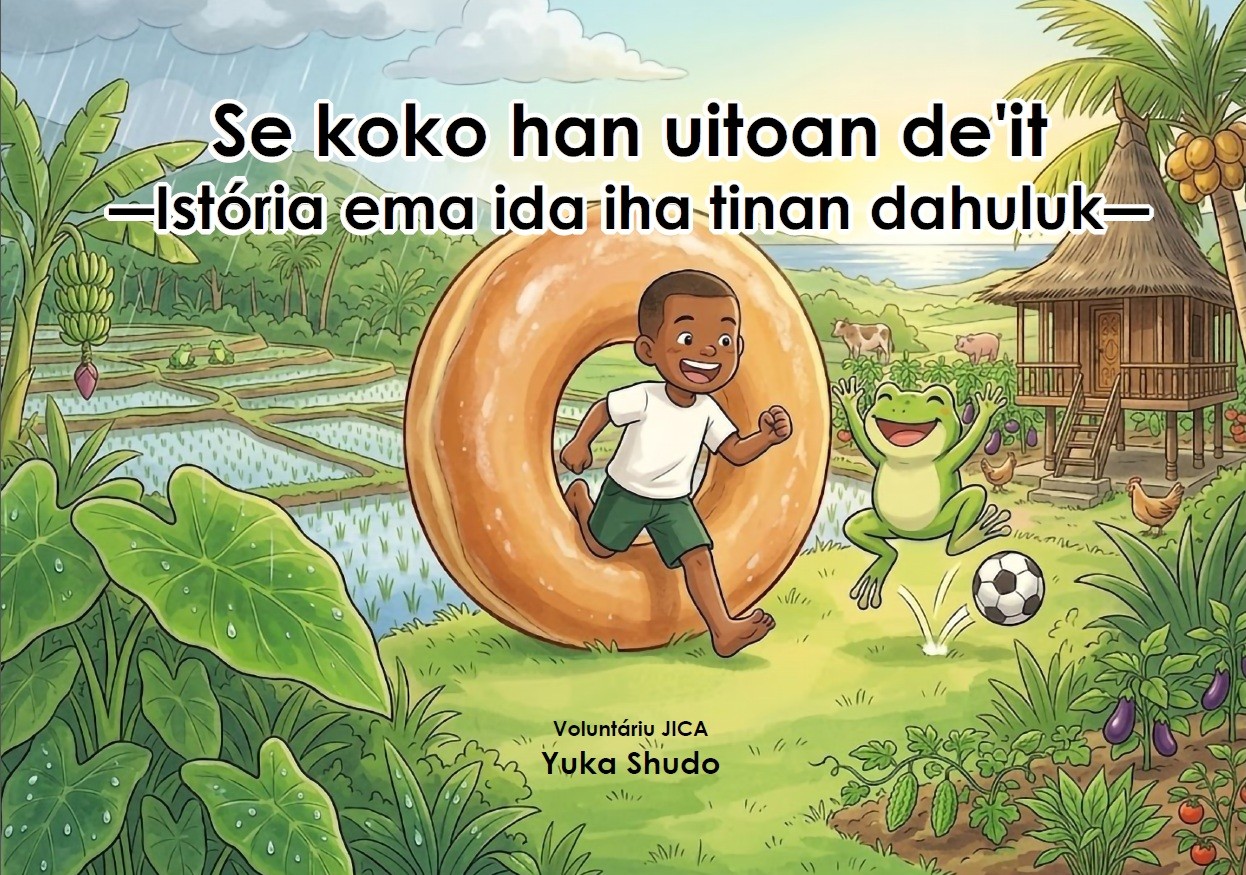
The Thoughts in Every Bite
—What I Hope to Convey Through a Picture Book—
2024-1 Batch, Nutritionist
Yuka Shudo
A picture book on food education in Timor-Leste has been completed. It serves as a valuable learning resource available in Tetum. I hope you will take a look.
[Tetum]
jica.go.jp/english/overseas/easttimor/data/__icsFiles/afieldfile/2026/06/10/light2026.06.10【Tetun-Last ver.】Livru nutrisaun.pdf
[Japanese]
jica.go.jp/english/overseas/easttimor/data/__icsFiles/afieldfile/2026/06/10/nutrition_Japan.pdf
This picture book centers on children’s strong preference for donuts and incorporates challenges I observed through my daily activities. For instance, recognizing the limited vocabulary available to describe taste, the book introduces the five basic tastes. It also highlights the appeal and value of Timorese cuisine, which, despite being familiar, is often underappreciated. To capture this, I created illustrations based on actual dishes prepared in collaboration with a restaurant that serves local cuisine, aiming for images that would draw a spontaneous “wow” when children turn the page.
In addition, I noticed that many parents continue using their mobile phones and do not share meals together, even when their children are eating. This inspired me to include scenes depicting warm family mealtimes. To encourage changes in eating behavior, I used soccer—a popular sport—as a motif, portraying a child who takes a bite as a step toward becoming the person they aspire to be. The goal is for readers to identify with this character and feel encouraged to take their own first step. Through the character’s willingness to try unfamiliar foods and experience positive changes in their body, the book conveys the message: “Our bodies are made from what we eat.”
How the Picture Book Came to Be
When I was first assigned to a school in Timor-Leste in September 2024, I was struck by how small the children were. Using my perspective from Japan, I would guess a child’s grade level—only to discover they were often two grades older than expected. Even among adults, many women were the same height as me or slightly shorter. According to reports, 45% of children under five in Timor-Leste are affected by stunting, meaning their height is insufficient for their age (INETL et al., 2026). Seeing the children firsthand made this reality deeply tangible.
As I observed school meals, I began to feel the issue could not be explained solely by food shortages. Children often left behind vegetables they disliked and refused even small portions of meat if it was too tough. Many also had severe tooth decay. Some parents told me they avoided treatment and simply waited for the child’s permanent teeth to come in. This oral health situation may be linked to children avoiding hard foods and preferring soft, sweet donuts instead. Donuts are inexpensive and readily available both in school cafeterias and on the street, making them an easy choice in the children’s food environment.
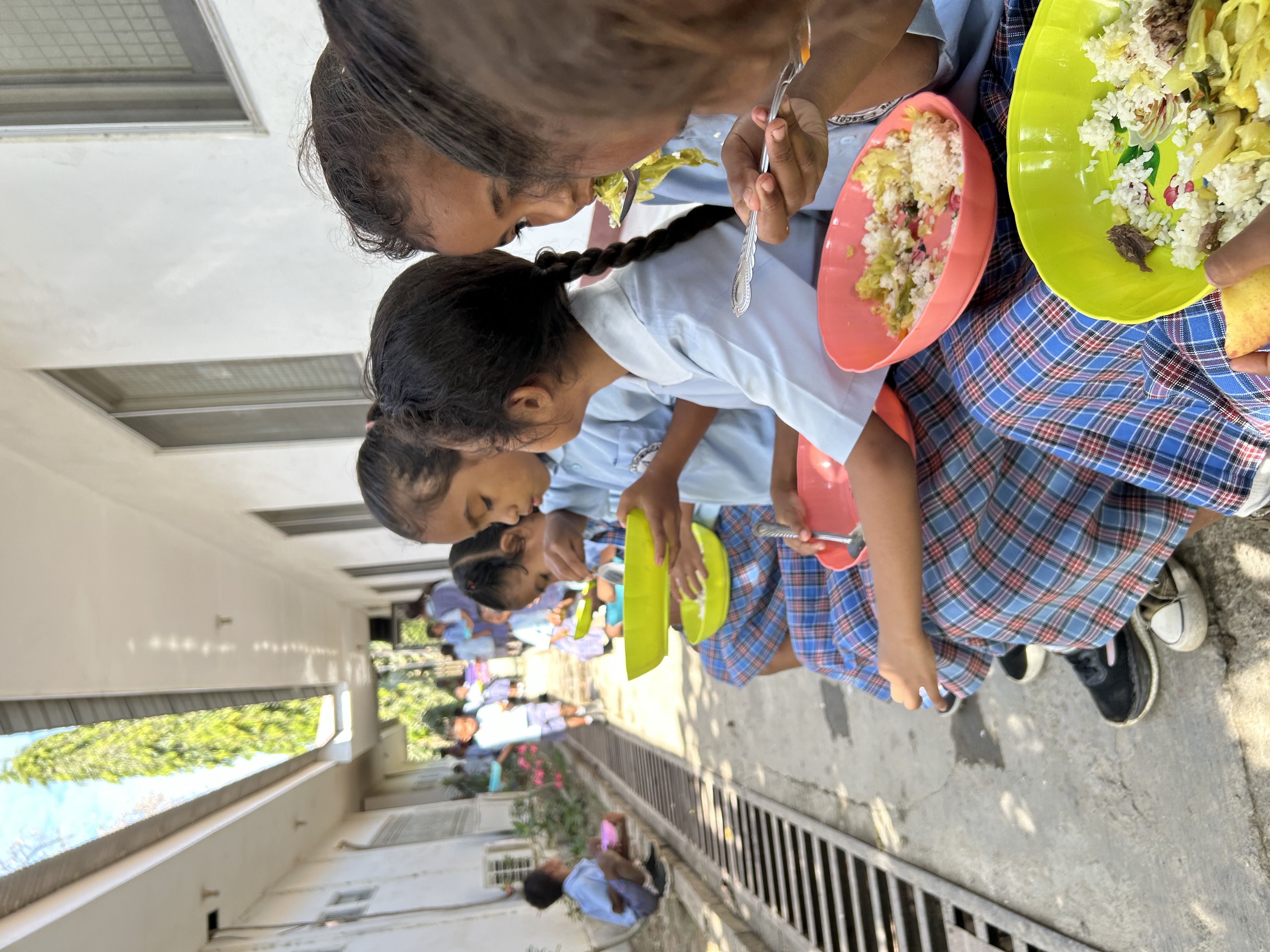
Elementary school students eating their school lunch
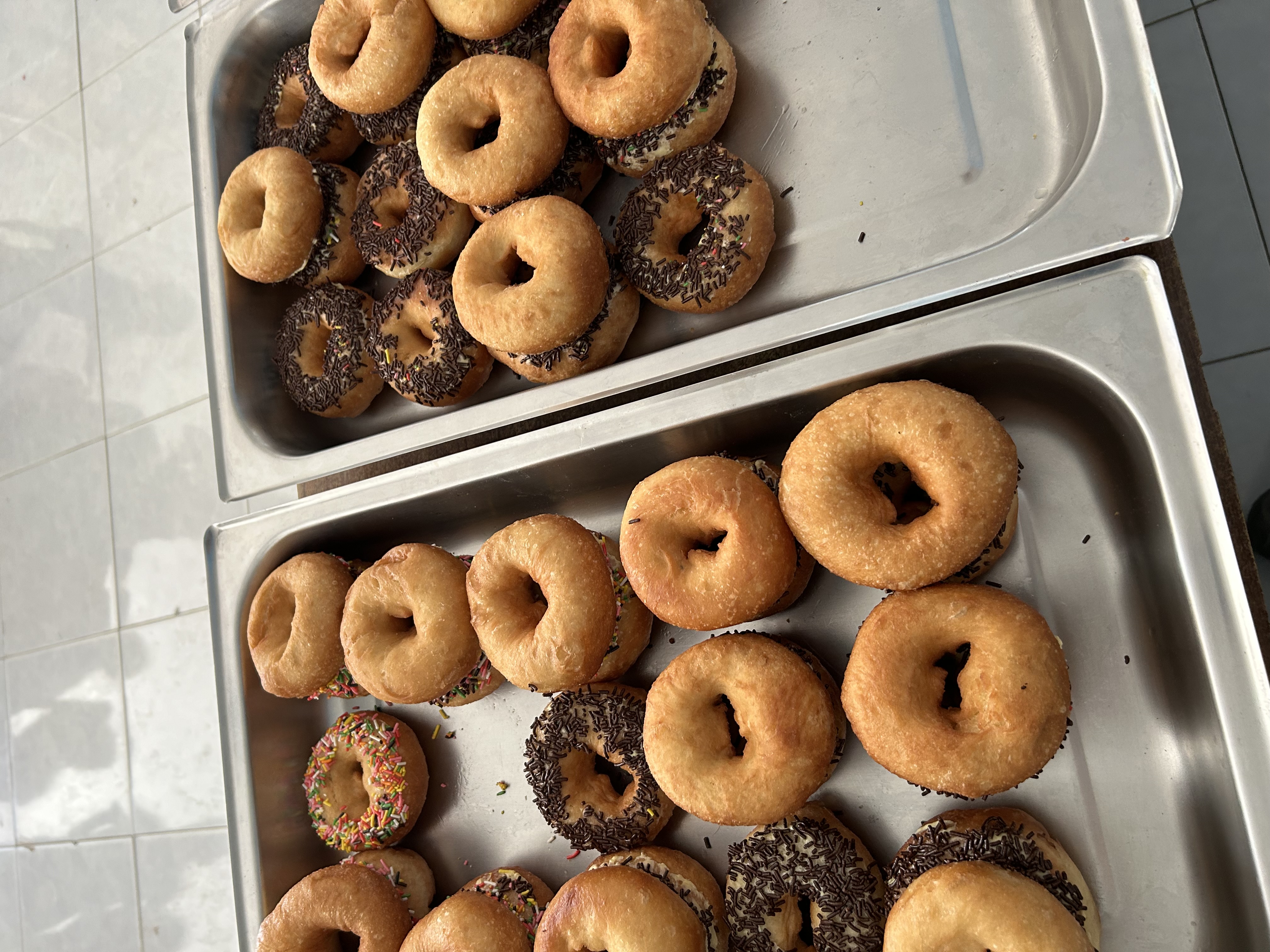
At that time, more than 100 donuts were sold in the cafeteria every day, and some children ate donuts instead of their school lunch
To break this cycle, I worked not only on nutrition education for children but also on improving the food environment and engaging parents. During my first year, I repeatedly taught the three food groups through physical education classes. At the school cafeteria, we introduced milk and boiled eggs as healthier options. Together with local nutritionists, I also conducted cooking workshops for parents using affordable protein sources such as tempeh and tofu. Through these efforts, nutrition knowledge improved and the proportion of underweight children gradually decreased. However, I also realized that increasing knowledge alone did not necessarily lead children to eat a wider variety of foods.
Conversations with parents helped me better understand this challenge. Many foods were refused to eat by their children, including vegetables, meat, fish, and even common local foods. Some children had never tried foods that were regularly eaten in Timor-Leste. I came to believe that children needed not only knowledge about nutrition but also motivation and confidence to take the first step toward trying unfamiliar foods. This realization led me to create a picture book that could communicate the importance of food in a way that children could relate to and enjoy.
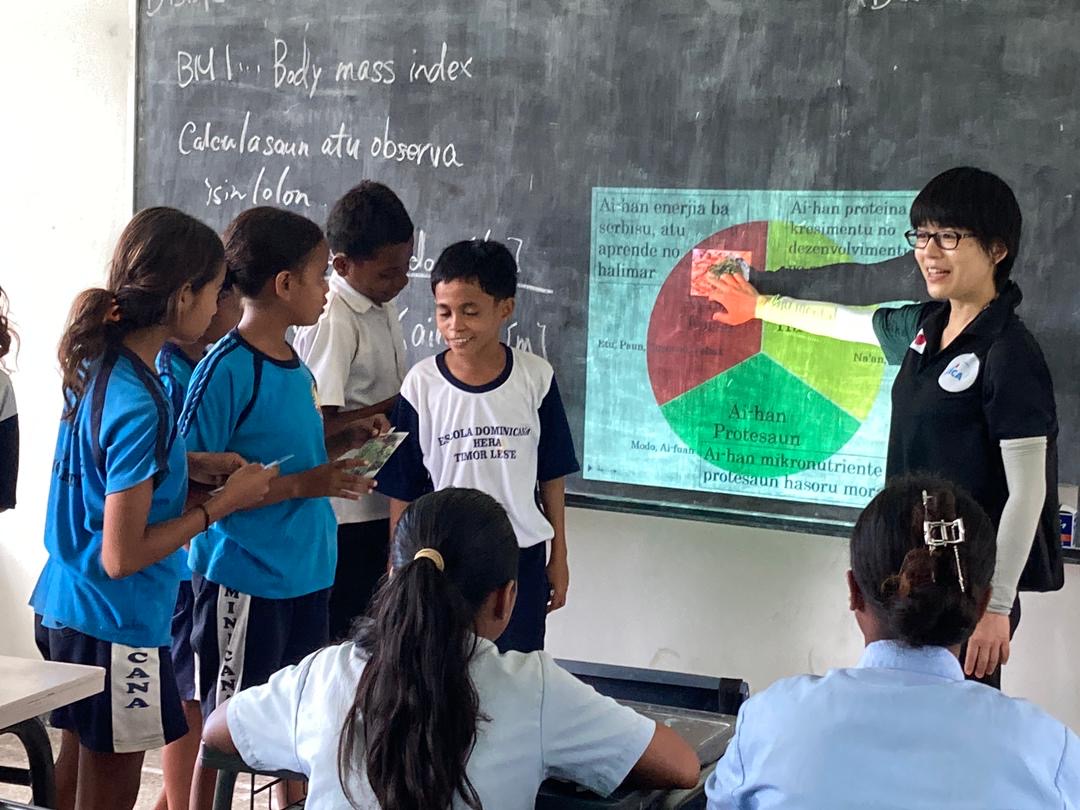
Junior high school students learning about the three food groups in a nutrition class
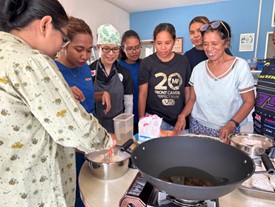
Parents of kindergarten children participating in a cooking class
Why Knowledge Alone Was Not Enough
I also recognized that some factors influencing food choices, including economic constraints and cultural traditions, could not be changed easily through education alone. Nevertheless, I believed that helping children become more curious about food and more willing to try new foods was an achievable starting point. At the same time, I felt that creating a book in Tetum had value in itself, as children's reading materials in the national language remain limited.
A Bite That Can Change the Future
The same study (INETL et al., 2026) shows that the rate of stunting has remained high over the past decade, with little improvement. Addressing this issue may require policy and institutional measures. However, before that, I believe it is equally important for individuals to reflect on their daily eating habits and start with what they can do.
Taking just one bite might lead to discovering the taste of a food once thought unpleasant. That first bite might open the door to a whole new world. Rather than giving up before trying, I hope readers will take that small step—even if it is just one bite. I sincerely hope that the courage to take that “one bite” will become a meaningful step toward shaping a better future.
Promoting the Importance of Nutrition Through the Picture Book
After completing the picture book, I began activities to share its message about the importance of food with a wider audience. In addition to Dili, I visited Ermera and Oecusse—regions in Timor-Leste with particularly high rates of stunting—where I conducted read-aloud sessions for children, pregnant women, and others in kindergartens, schools, and local communities.
For healthcare workers, teachers, and university students in training programs, I introduced ways to use the picture book as a teaching resource, incorporating interactive questions to encourage engagement. I have also reached out to various organizations—including government bodies such as the Departments of Education and Health, UN agencies, NGOs, NPOs, libraries, and restaurants—to help raise awareness of the book.
I hope that the message conveyed through this picture book will gradually be passed from person to person, inspiring a growing circle of people to reflect on the importance of food.
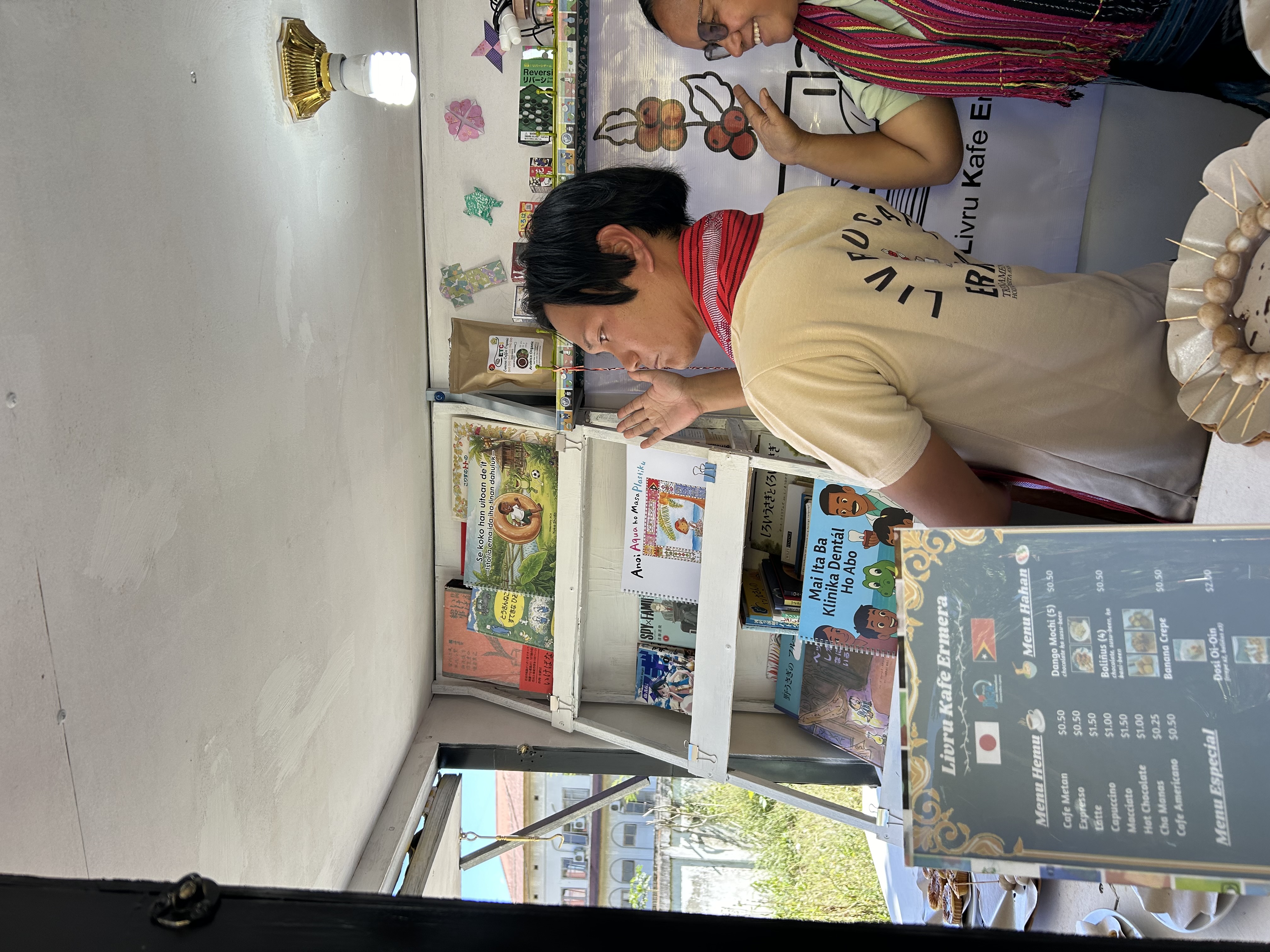
At Livru Kafe Ermera, a café newly established by JOCV volunteer Hageshita at the Centro Juventude Município Ermera in Ermera Municipality, picture books created by a former volunteer are displayed alongside the café's collection
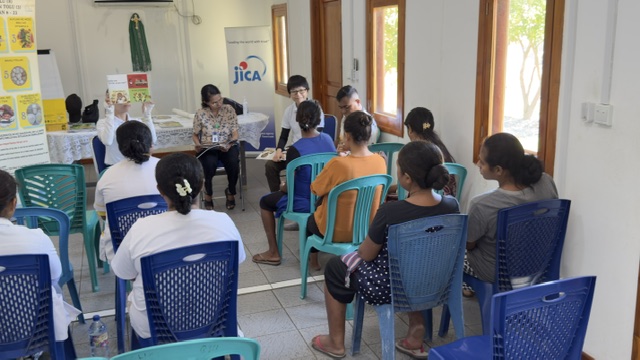
Reading picture books aloud with local nutritionists to pregnant women and mothers attending maternal and child health checkups at a health center in Oecusse Municipality
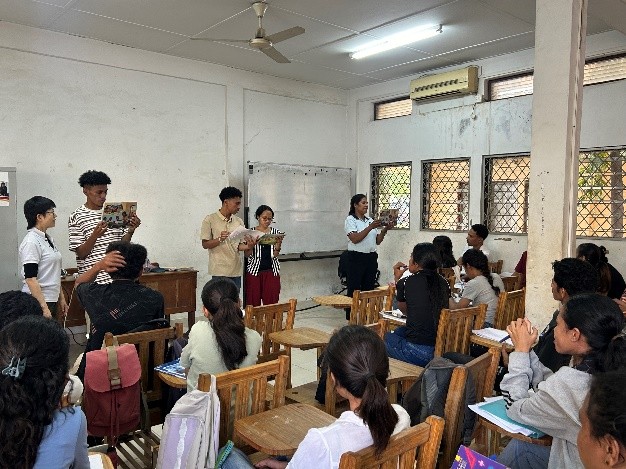
In university classes, students themselves were also encouraged to participate in reading picture books aloud
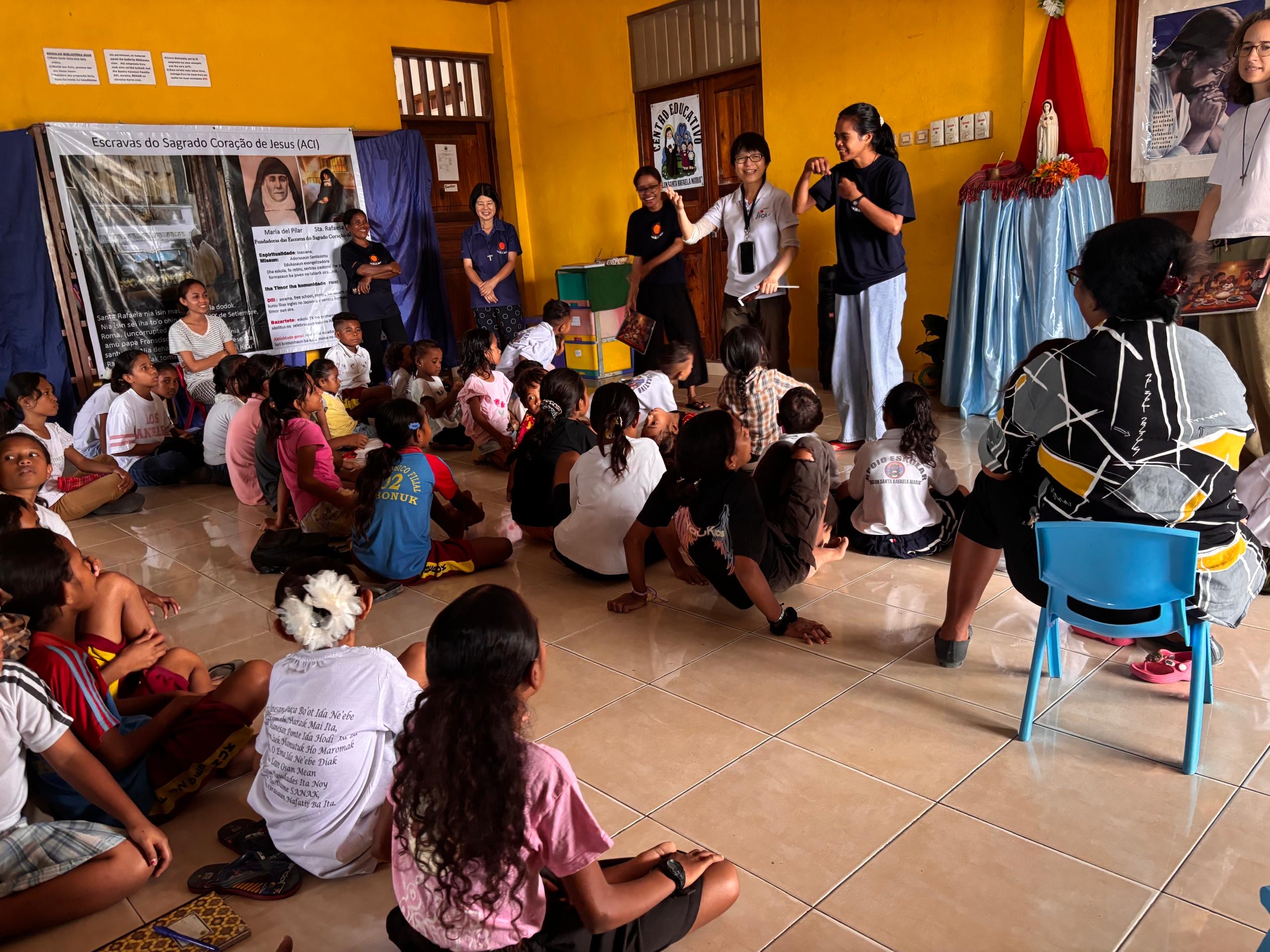
Reading picture books to children at a free school together with nutritionists from NPO Naroman
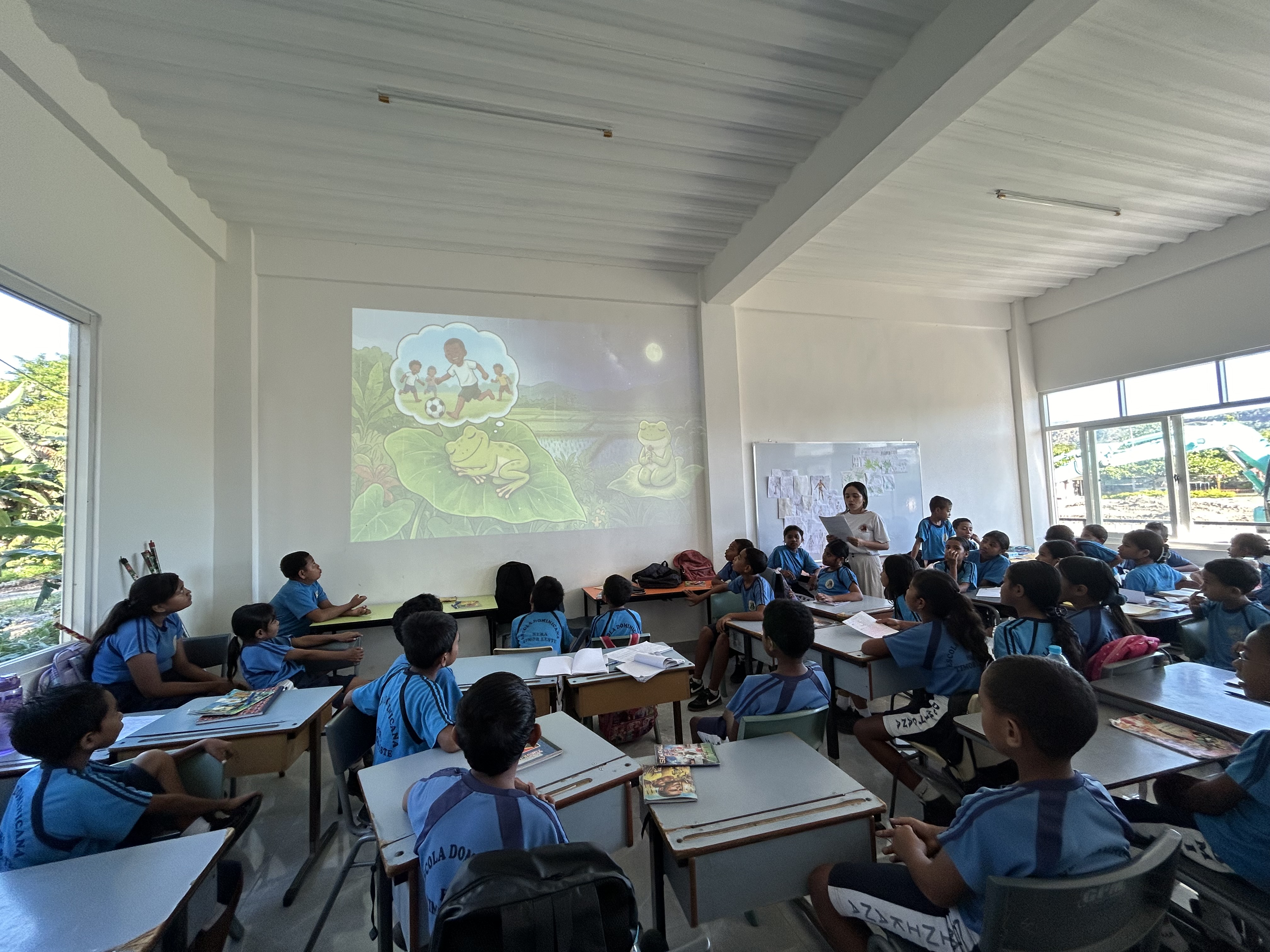
Reading picture books to elementary school students together with their homeroom teacher as part of a health education class
Acknowledgments
I would like to express my heartfelt gratitude to everyone who supported the creation of this book.
Mariani Vicente Kijong kindly taught me about Timorese perspectives and Tetum expressions. Diana Iskandar brought the book to life with vivid and realistic illustrations of food. The sisters and staff of the Dominican School (Hera Campus) helped refine the language by repeatedly reading the book aloud to children.
I am also deeply grateful to Arisa Minoru (2023-3 Batch, Environmental Education), who pioneered picture book creation within JICA volunteer activities and provided thoughtful guidance throughout the conceptual stage. Chie Orita (2023-2 Batch, Dental Hygienist) helped me recognize the connection between oral health and nutrition and highlighted the importance of conveying these ideas through a picture book. Kohei Kaji (2023-3 Batch, Youth Activities) offered valuable insights from a child-centered perspective based on his experience as a language teacher and librarian. Kyoko Sugawara (2023-1 Batch, Nutritionist) provided expert advice to strengthen the book’s message. Takaaki Shiraishi from the JICA Timor-Leste Office contributed greatly to shaping the book through editing.
I would also like to thank the many people living in Timor-Leste who supported us in various ways, including cooking and photographing traditional dishes, as well as supporters from around the world who offered kind advice and cooperation. This achievement would not have been possible through individual effort alone. I would like to express my heartfelt gratitude to everyone who supported me in the completion of this book.
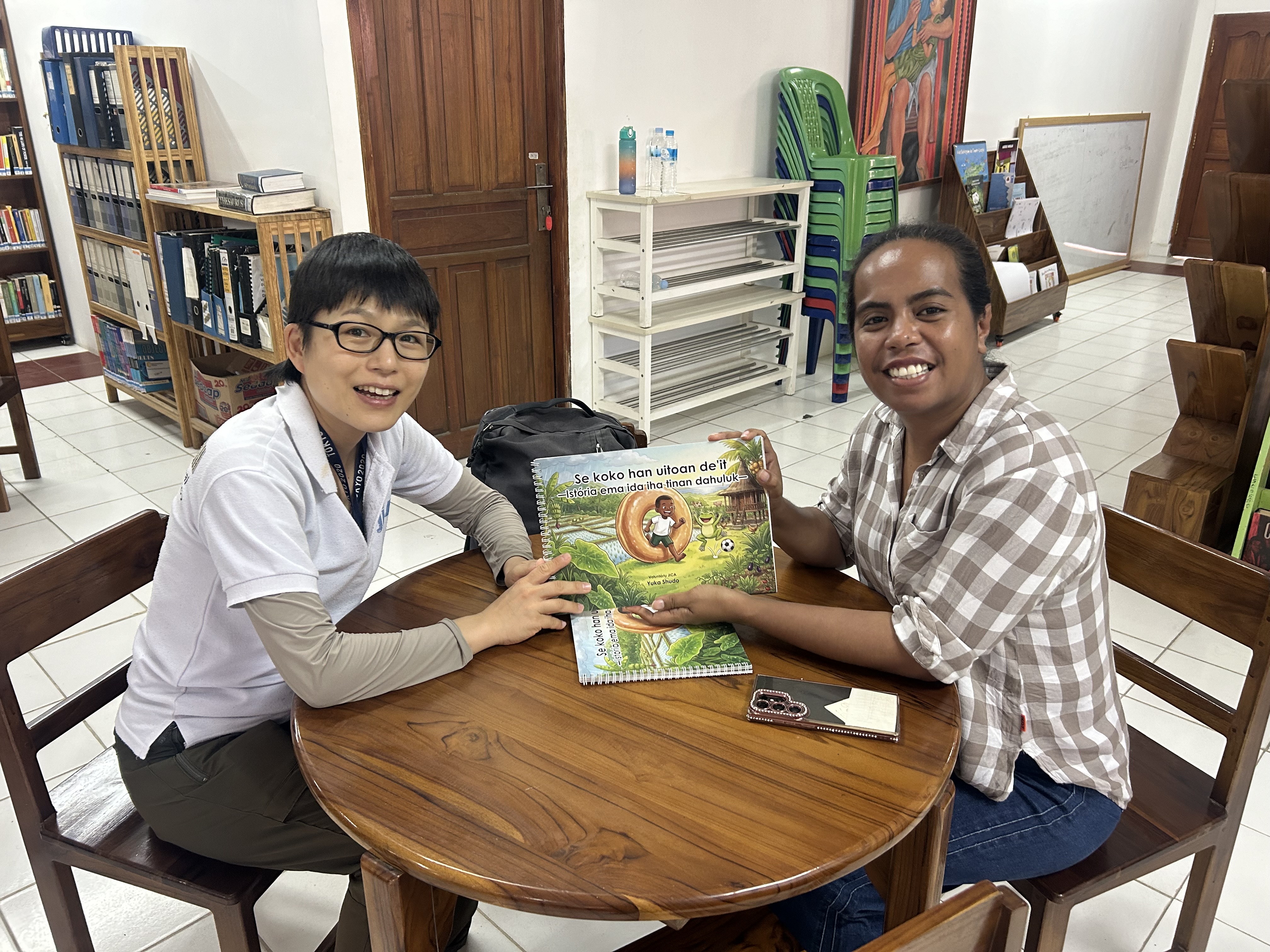
Donating books to the Xanana Gusmão Reading Room Public Library
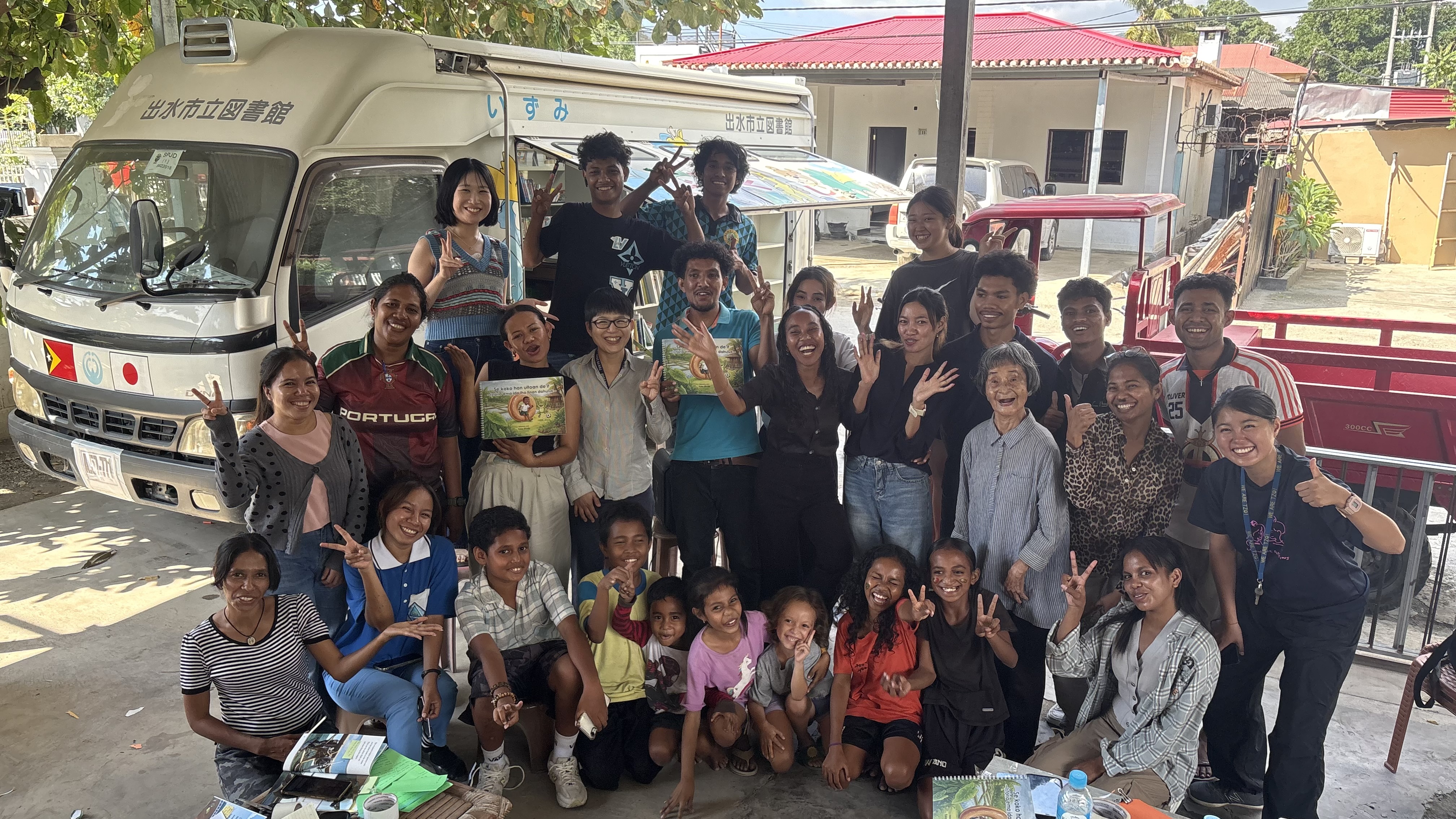
Picture books were donated to the East Timor Branch of CWP GLOBAL Co., Ltd., which operates a library vehicle for children's education in the local community
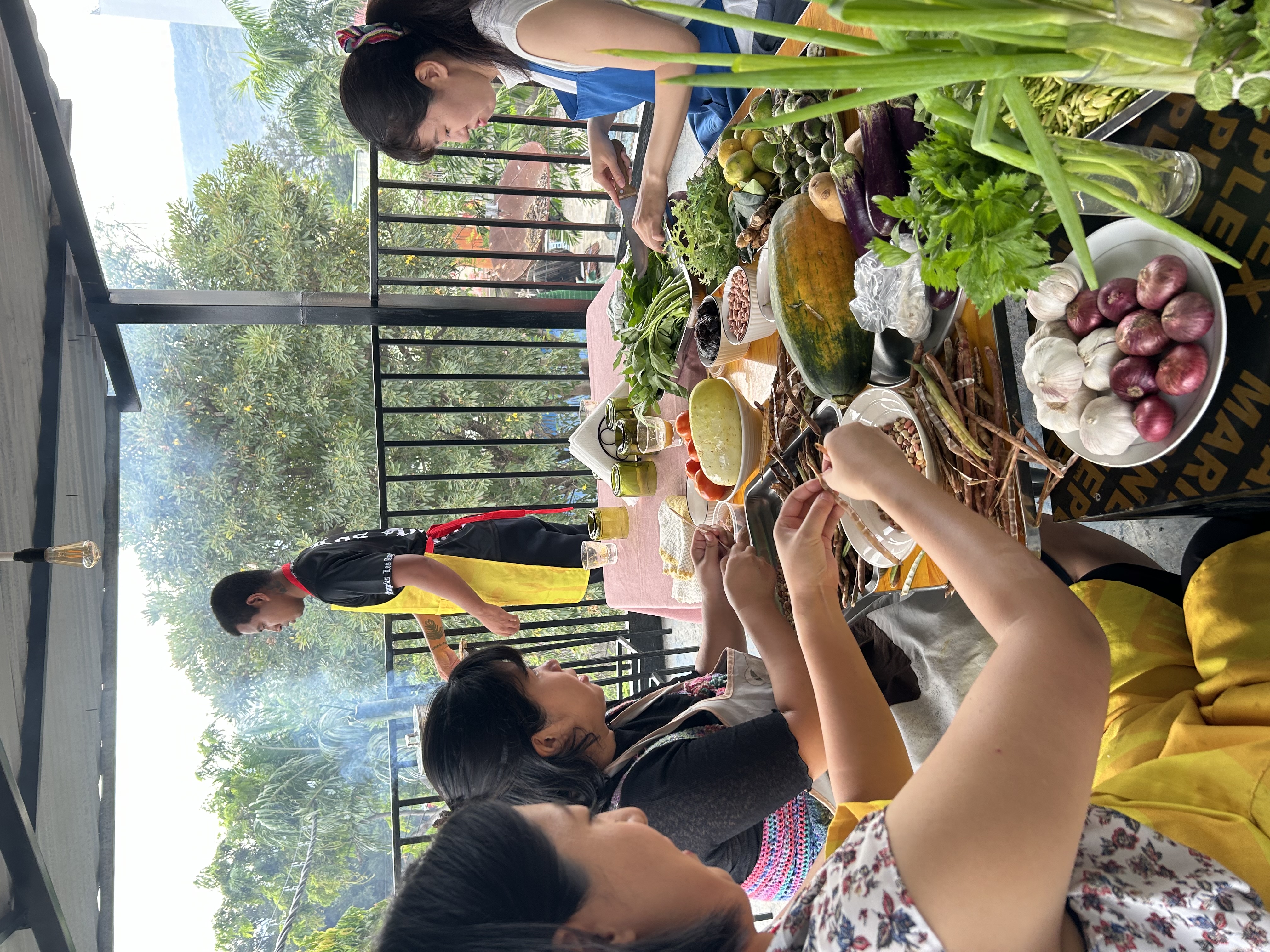
Restaurant staff and a JOCV volunteer preparing dishes together using local ingredients for a Timor-Leste recipe page
Reference
National Institute of Statistics Timor-Leste (INETL, I.P.), Ministry of Health, & ICF. (2026). Timor-Leste demographic and health survey 2025–26: Key indicators report. INETL & ICF.