
Empowering Banana and Cacao Farmers: The Lasting Impact of the BaCaDM Project
2026.09.04






JICA's Science and Technology Research Partnership for Sustainable Development Project for the Development of Novel Disease Management Systems for Banana and Cacao (SATREPS-BaCaDM) showcased its major accomplishments through a series of forums in Davao City and Makati City this week, presenting breakthrough technologies and practical solutions developed to address plant diseases affecting two of the country's most important agricultural commodities: banana and cacao.
Implemented through a partnership among JICA, the Japan Science and Technology Agency (JST), Central Luzon State University (CLSU), Tamagawa University, and the Department of Agriculture (DA), the project demonstrated how collaborative research and international cooperation can deliver practical solutions for farmers and agricultural communities.
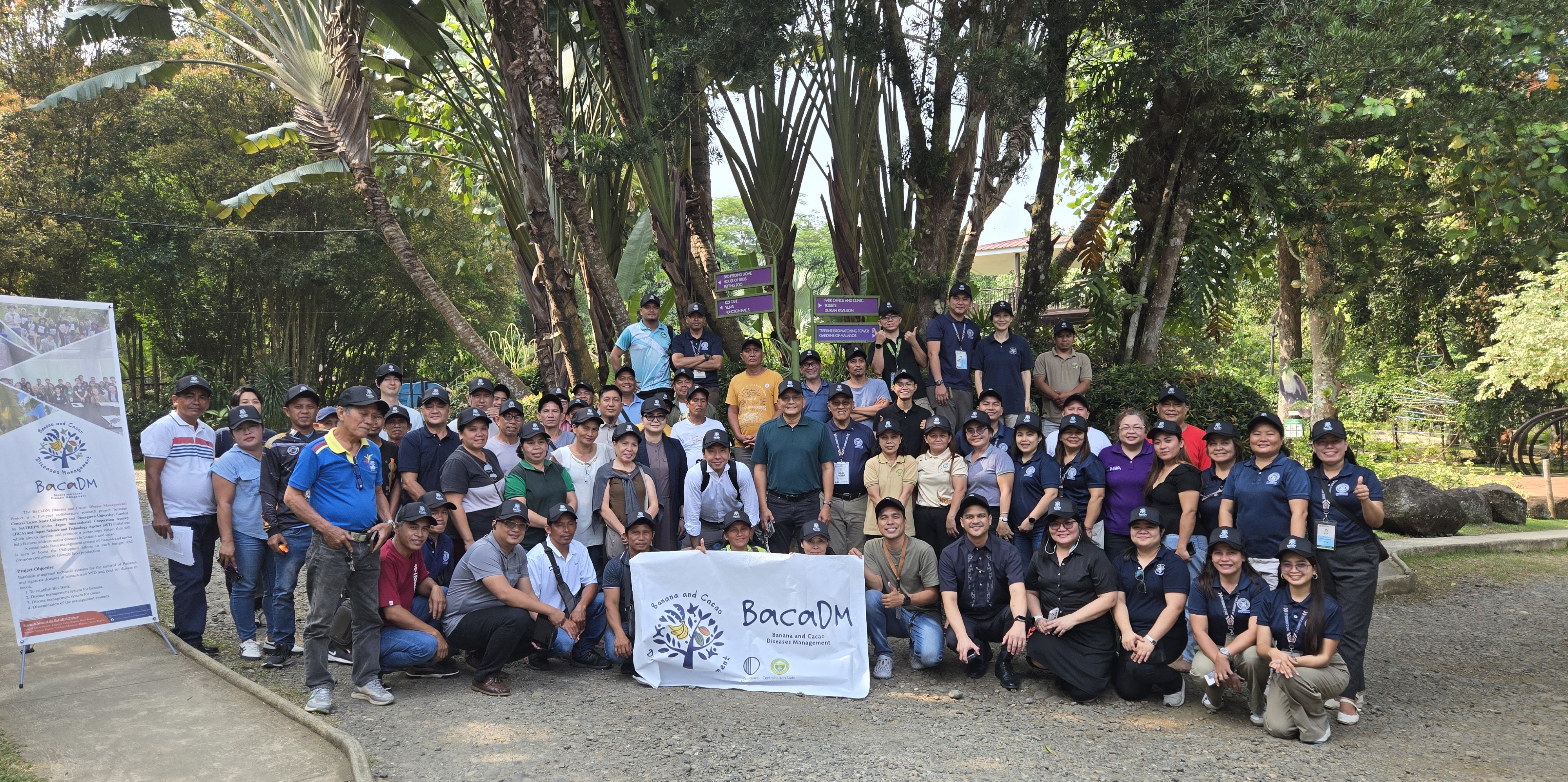
At the Banana Forum on September 1 in Davao City, the project team shared the manual on Anaerobic Soil Disinfestation (ASD), an environmentally friendly method that helps reduce disease-causing organisms in the soil and prevent the impact of Fusarium Wilt, one of the most devastating diseases affecting banana production worldwide. The ASD manual is one of the project's major achievements in developing sustainable disease management tools for bananas. The DA's Bureau of Plant Industry (DA-BPI) is further incorporating the project's findings and recommendations into future updates of the Philippine Banana Production Guide.
Meanwhile, the Cacao Forum on September 2 highlighted innovations to strengthen the early detection and management of Vascular Streak Dieback (VSD), a major disease threatening cacao production. Among the project's notable outputs is an artifical intelligence (AI)-assisted diagnostic application that helps identify VSD symptoms more accurately and efficiently. Disease control guidelines were developed to support farmers and agricultural technicians in managing the disease more effectively.
Discussions are also underway to integrate these recommendations into the Cacao Production Guide.
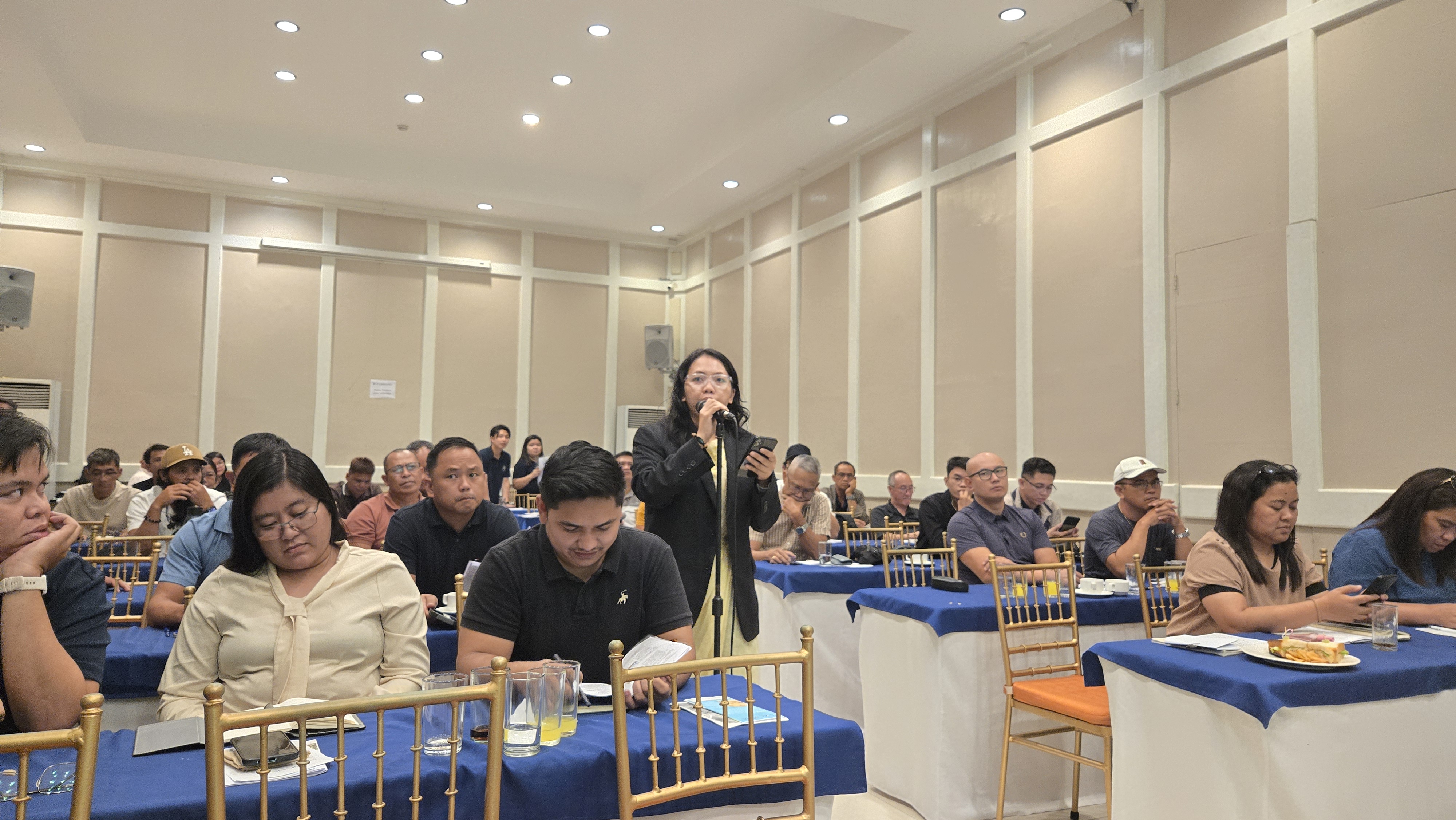
A final Joint Coordination Committee (JCC) Meeting was held on September 4 in Makati City prior the last symposium on SATREPS-BaCaDM, where Philippine and Japanese partners reviewed the project's achievements, discussed sustainability efforts, and reaffirmed their commitment to advancing agricultural research and development.
Speaking at the culminating event in Makati City, project partners highlighted the importance of science and international cooperation in addressing agricultural challenges. JICA Senior Representative HIDENORI Hashimoto highlights that “[t]he ultimate value of research lies not only in the generation of knowledge, but in its adoption, dissemination, and integration into future programs and policies.” Noting that the lessons and innovations generated through the SATREPS for the development of Novel Disease Management Systems for Banana and Cacao will serve as an important foundation for future research, policy development, extension services and industry initiatives.
Participated by the Department of Agriculture- Bureau of Plant Industry OIC-Assistant Director Geronima Eusebio, Central Luzon State University President Dr. Evaristo Abella, Tamagawa University President Dr. Kazuhito Obara, FAO Representative Dr. Fazil Dusunceli, and SATREPS-BaCaDM Project Chief Advisor Dr. Kyoko Watanabe of Tamagawa University and attended by stakeholders from the government and the academe, the forum served as a platform for key project members and partners to present the contributions to strengthening disease management in banana and cacao production.
Beyond developing new technologies, the project strengthened the country's agricultural research capacity through the establishment of a Plant Disease Fungal Biobank at Central Luzon State University (CLSU) in February 2026. The facility houses over 5,000 fungal samples collected during the project, providing an important resource for future plant disease research and diagnosis. The project also conducted training and workshops for researchers and students on plant disease diagnosis, laboratory techniques, DNA analysis, and soil microbiology, helping build local expertise to support Philippine agriculture.
Coinciding with the 70th anniversary of Philippines-Japan Friendship, the nearing conclusion of the SATREPS-BaCaDM Project exemplifies JICA’s commitment in translating research and innovation into meaningful benefits for people, equipping Filipino farmers and communities with the tools and expertise needed to address agricultural challenges and safeguard livelihoods.
Sns share!


