
JICA and DPWH Sign Three New Technical Cooperation to Strengthen Government Capacity in Bridge Replacement and Rehabilitation, Urban Drainage Management, and Road Tunnel Construction
2026.09.02







The Japan International Cooperation Agency (JICA) and the Department of Public Works and Highways (DPWH) formalized the implementation of three new technical cooperation projects through the signing of the Records of Discussion on September 2, 2026. These projects demonstrate that sustainable infrastructure is built through strengthened institutions, knowledge exchange, and effective collaboration.
Signed by JICA Chief Representative BABA Takashi and DPWH Secretary Vince Dizon, the three projects reflect a shared vision for a safer, resilient, and sustainable future, harnessing technical expertise and evidence-based planning to address the country's critical infrastructure challenges.
The Project for Capacity Development of Road Structures and Large-Scale Bridge Replacement and Rehabilitation (LBRR) will provide DPWH with technical knowledge and expertise in advancing the rehabilitation of aging road structures including bridge infrastructure along EDSA, one of Metro Manila's most critical transportation corridors. Through the formulation of an evidence-based LBRR Plan and the deployment of Japanese experts, the project supports the development of safer and more sustainable transport infrastructure.
Meanwhile, The Project for Strengthening Urban Drainage Management Capacity in the Philippines (TCP Urban Drainage) will help strengthen the country's capacity to reduce flood risks in Metro Manila through improved urban drainage management. The project will focus on the Buendia-Maricaban drainage area, one of Metro Manila's districts where significant economic assets remain vulnerable to flooding. The project will be closely coordinated with JICA's ongoing flood control cooperation in the Pasig-Marikina River Basin to ensure that drainage improvements in the Buendia-Maricaban area are aligned with broader basin-wide flood management strategies, maximizing the effectiveness of future flood mitigation measures.
Also in line with the country's infrastructure development agenda, The Project for Capacity Building for Comprehensive Development and Management of Road Tunneling Projects in the Philippines will contribute to the development of improved planning systems, enhanced engineering and construction practices, and strengthened operation and maintenance capabilities for road tunneling projects. These outcomes will support safer, more efficient transport infrastructure and improved connectivity across the country.
JICA has been actively supporting tunneling-related infrastructure initiatives in the Philippines. Notably, the Davao City Bypass Construction Project, which includes one of the country's first long road tunnels, is currently underway. In addition, the Dalton Pass East Alignment Road Project, now in its early stages of implementation, is expected to incorporate tunnel components to improve connectivity and resilience along a critical transport corridor.
Throughout the project implementation, JICA will dispatch technical experts and provide counterpart training in Japan for officials and officers from DPWH, Metropolitan Manila Development Authority (MMDA), and participating local government units. In addition, the LBRR project will provide equipment necessary for bridge inspection, diagnosis, repair, and maintenance, enabling DPWH to improve the effectiveness and sustainability of bridge management and rehabilitation activities.
As JICA Chief Representative, BABA highlights, "Metro Manila continues to grow and the impacts of extreme weather become more evident, investing in resilient transport infrastructure and effective urban drainage has become more important than ever."
The three projects will strengthen DPWH's capacity in planning and implementing infrastructure interventions, integrated urban drainage planning and flood risk management through improved technical expertise, data-driven decision-making, and adoption of appropriate technologies, contributing to safer, more resilient, and sustainable public infrastructure. Once TCP-shared expertise and outputs are applied later in actual construction, Filipinos can expect a more secure travel along EDSA, reduced flood risk in the Buendia-Maricaban area, and improved connectivity through road tunnel networks.
Celebrating 70 years of partnership between the Philippines and Japan, these technical cooperation projects showcase JICA's enduring commitment to strengthening institutional capacity and advancing the planning of disaster-resilient infrastructure in the country.
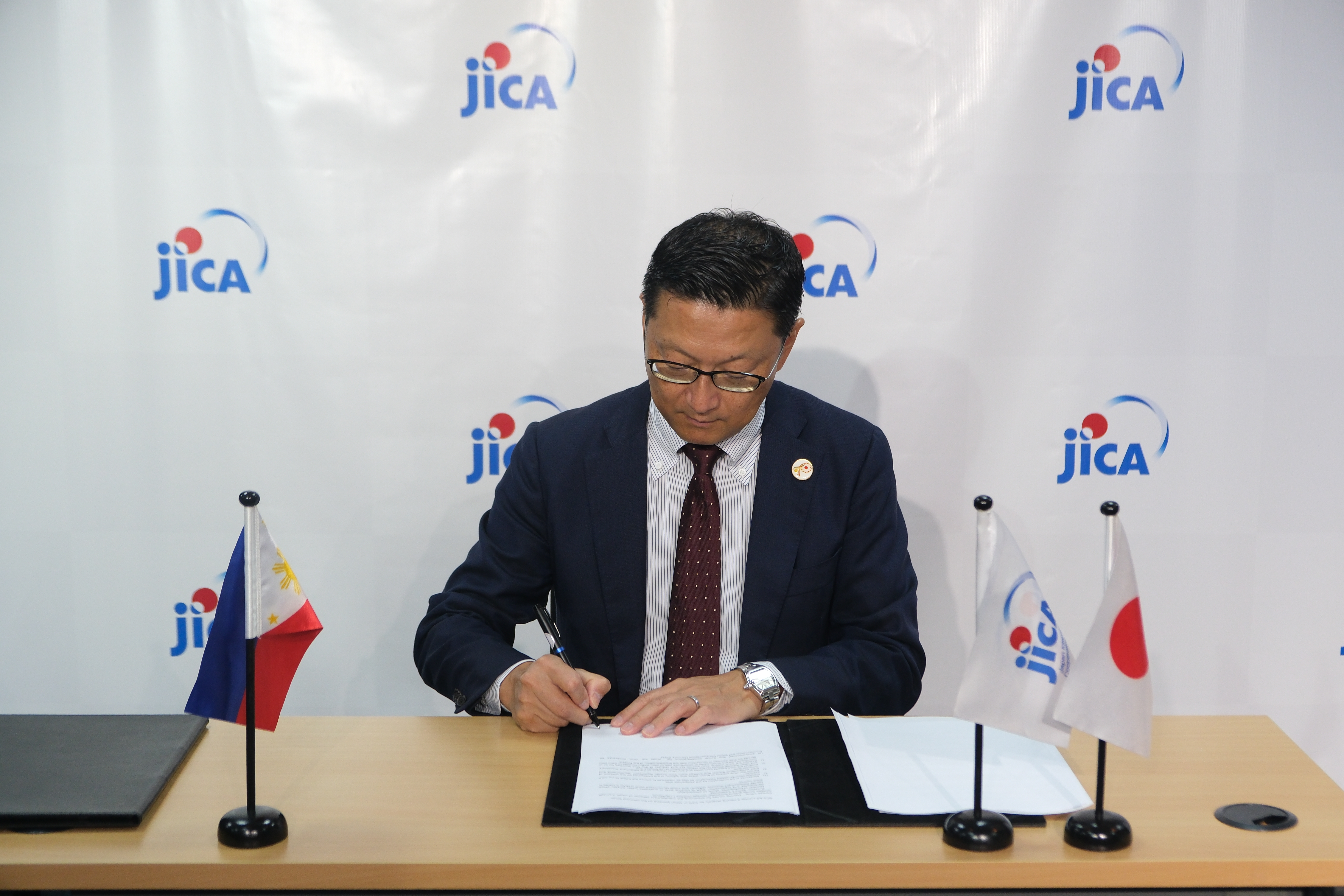
JICA Chief Representative BABA Takashi
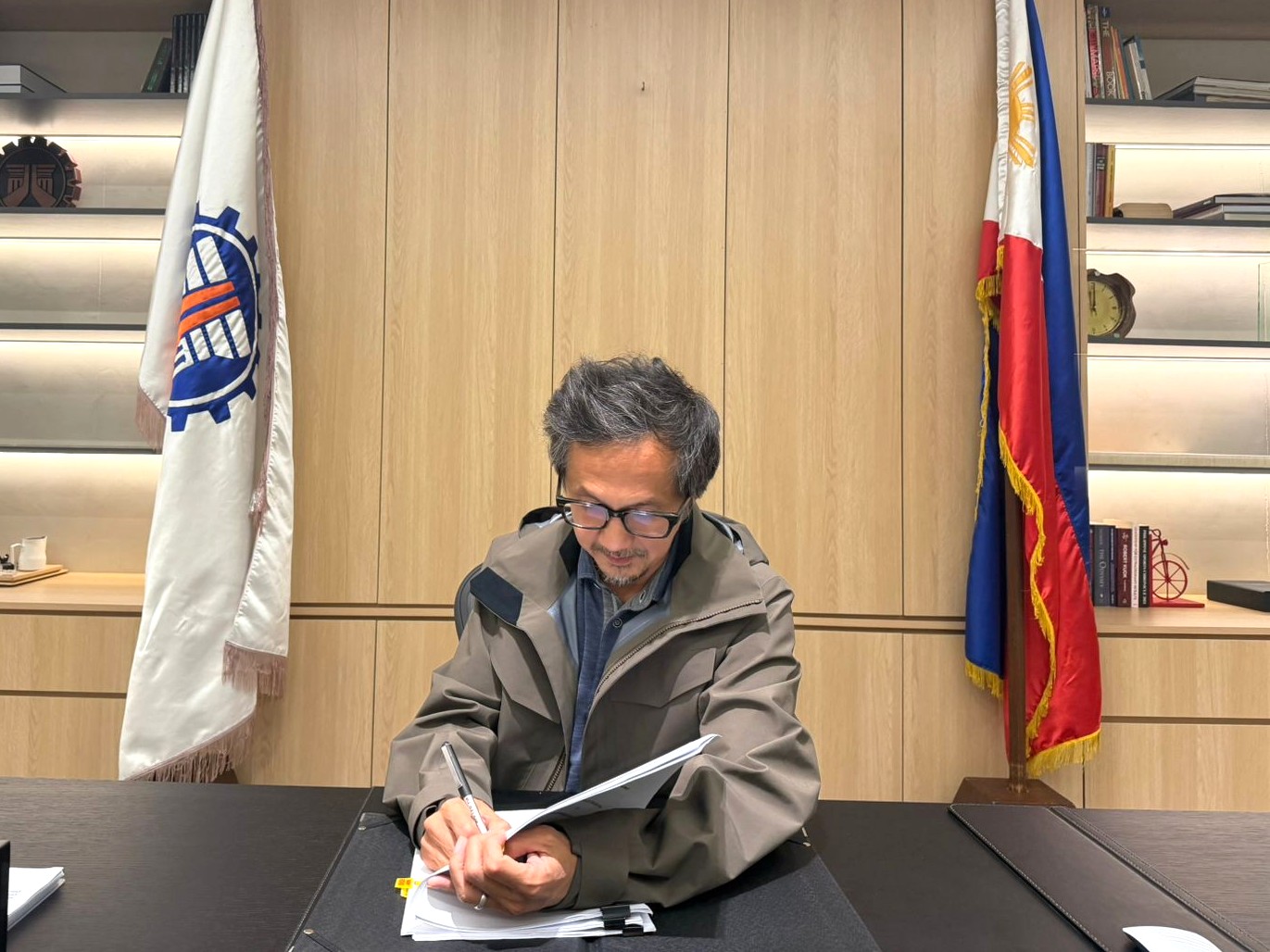
DPWH Secretary Vince Dizon
Sns share!


