
More Trainsets for the NSCR, Marking Progress Toward Partial Operations in 2027
2026.09.25






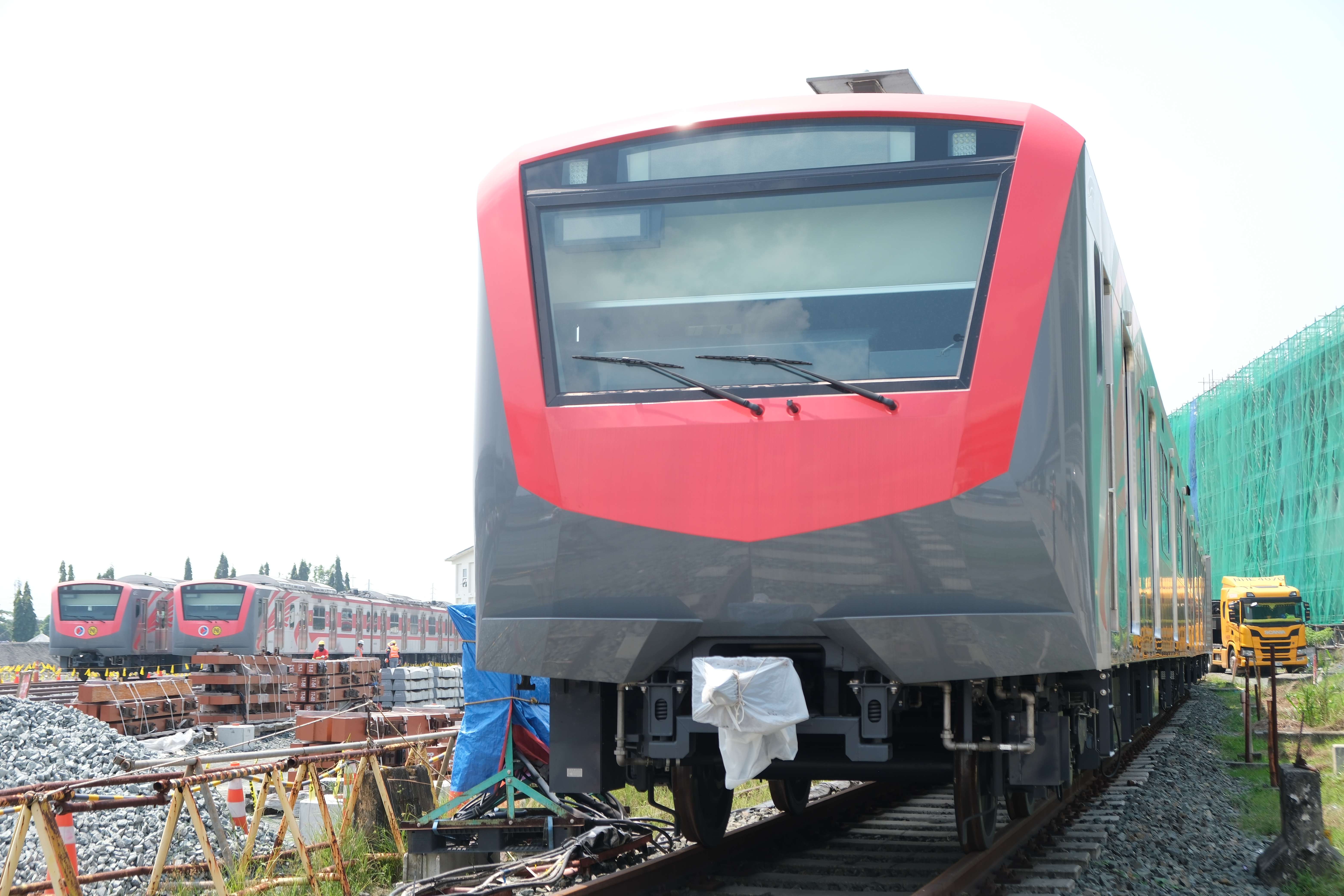
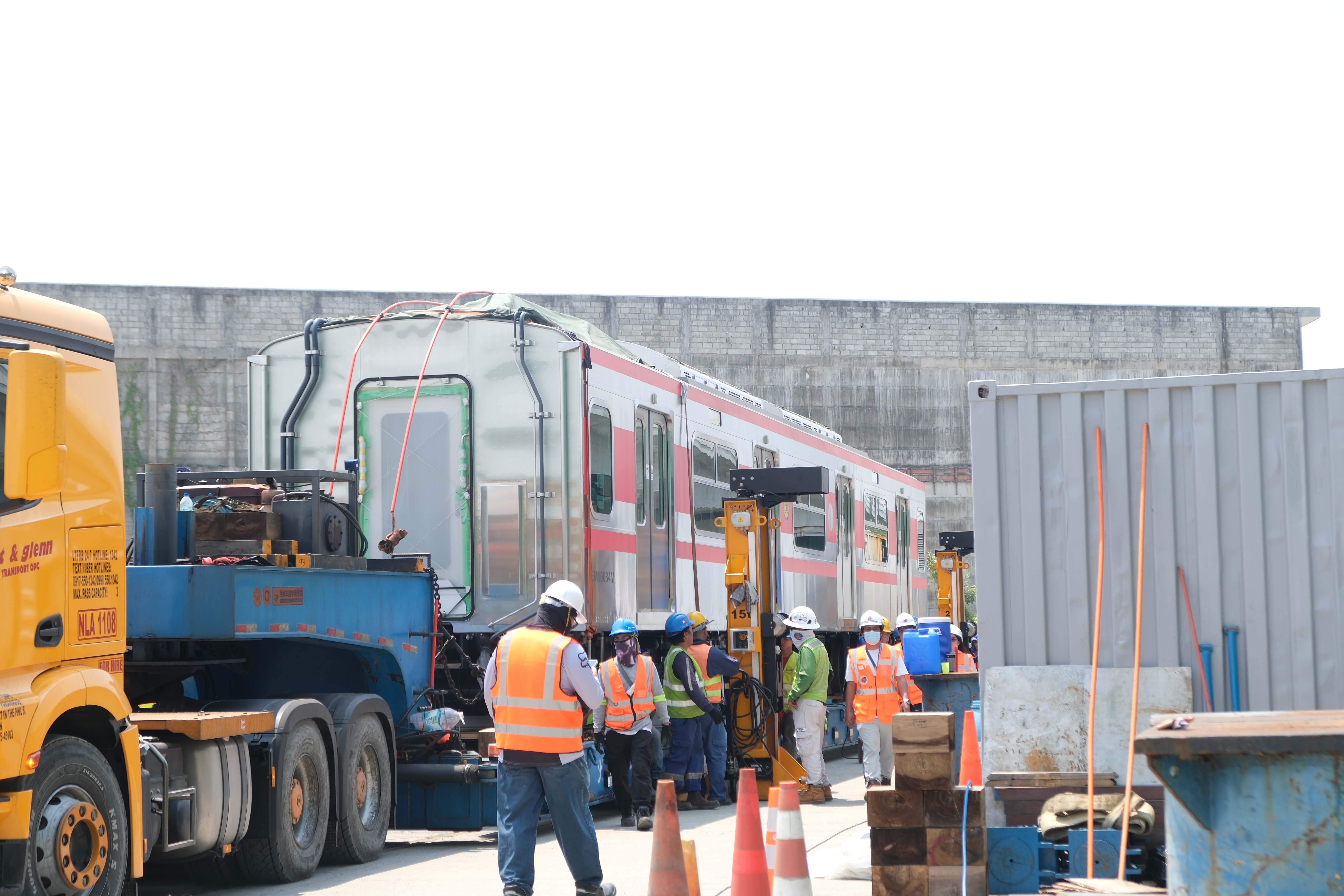
Malanday, Valenzuela City – The North-South Commuter Railway (NSCR) Project achieved another major milestone with the delivery of its third trainset to the Department of Transportation (DOTr) at the Malanday Depot. Building on this momentum, the fourth trainset has also arrived in the Philippines and is currently undergoing customs clearance and unloading procedure. With this significant progress, preparations for NSCR operations continue to advance steadily.
The arrival of the fourth trainset and the delivery of the third trainset signify continued progress in the procurement of rolling stock for the NSCR, one of the Philippines' largest and most transformative railway projects. By September 2027, a total of seven trainsets are expected to be in the Philippines to support testing, commissioning, and operational readiness activities ahead of the planned commencement of partial operations in December 2027. Overall, 13 trainsets, each composed of eight cars, are being manufactured and supplied by the Japan Transport Engineering Company (J-TREC)-Sumitomo Joint Venture.
Each trainset is designed for safe, reliable, and comfortable travel, and can accommodate up to 2,288 passengers, helping address the growing demand for efficient mass transit and improving mobility across the Greater Capital Region and neighboring provinces.
The NSCR is a 147-kilometer electrified railway system that will connect Clark, Pampanga; Metro Manila; and Calamba, Laguna, forming the backbone of a modern and integrated rail network across Luzon.
Upon full operation, currently targeted by 2033, the railway is expected to serve approximately 800,00 passengers daily, significantly expanding the country's public transportation capacity and strengthening connectivity among key economic centers. It is expected to transform the commuting experience by substantially reducing travel times. Journeys between Clark and Makati are projected to take less than one hour, providing commuters with a faster alternative to road-based transportation. In addition to improving travel efficiency, the project is expected to help ease traffic congestion, reduce greenhouse gas emissions, and contribute to more sustainable urban development.
Further, as a key component of the Luzon Economic Corridor (LEC), the NSCR is also expected to generate substantial economic and social benefits by improving access to employment, education, healthcare, and other essential services. The project will enhance regional integration, promote investment and business opportunities, and support inclusive growth in communities along the corridor.
As the NSCR advances toward completion, it is poised to redefine mobility in the Philippines, strengthen the nation's transportation network, and improve the quality of life of millions of Filipinos for generations to come.
Marking 70 years of Philippines-Japan diplomatic relations, the project underscores the value of continued cooperation to further advance economic growth and deliver tangible benefits for the Filipino nation.
Sns share!


