
PHeLNIDs Project Concludes with Major Gains for Philippine National Health Laboratory Network
2026.06.23






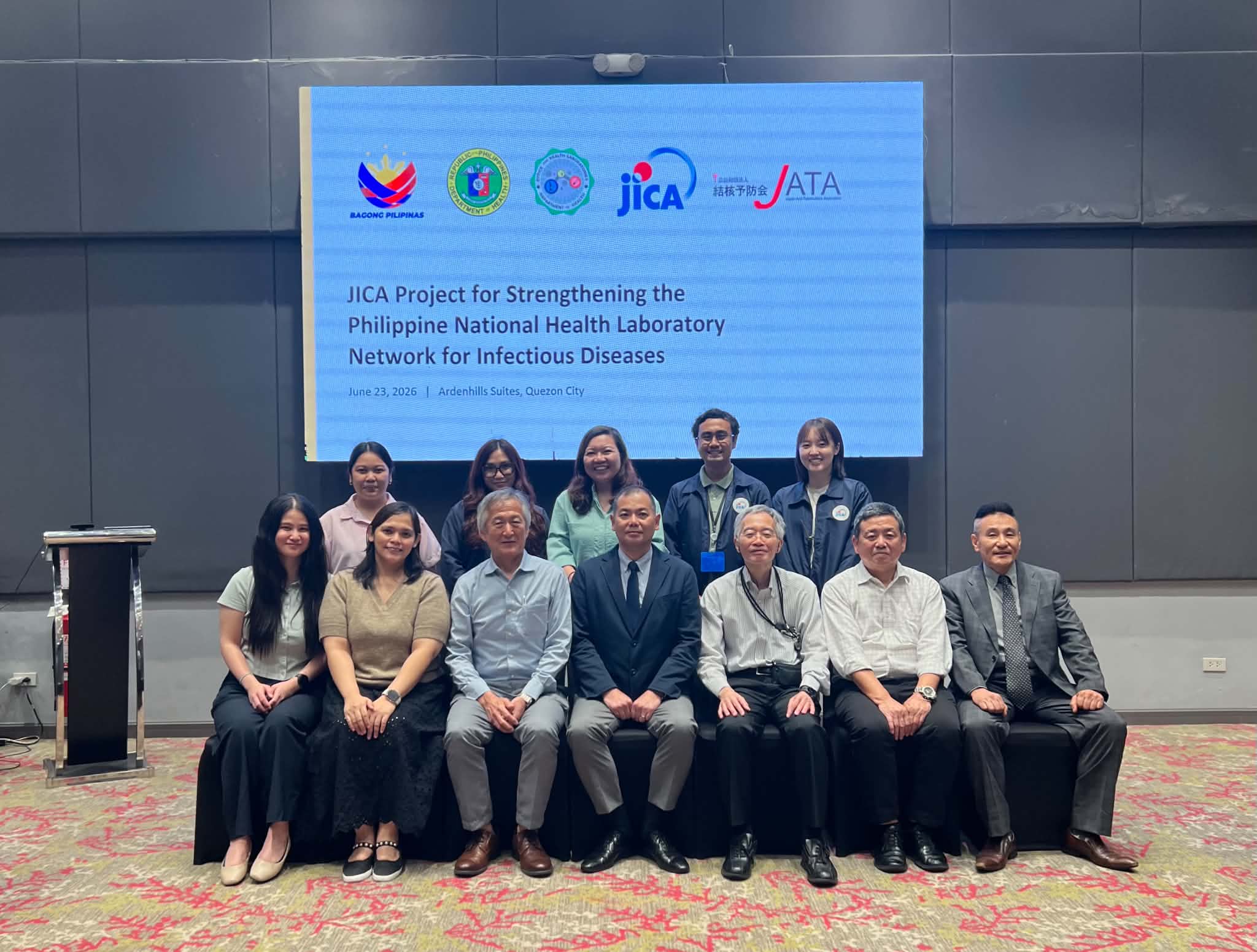
The Japan International Cooperation Agency (JICA), in partnership with the Department of Health (DOH), officially marked the completion of the "Project for Strengthening the Philippine National Health Laboratory Network for Infectious Diseases (PHeLNIDs Project)" in a closing ceremony held on 23 June 2026 in Quezon City, attended by JICA Representatives and DOH Officials.
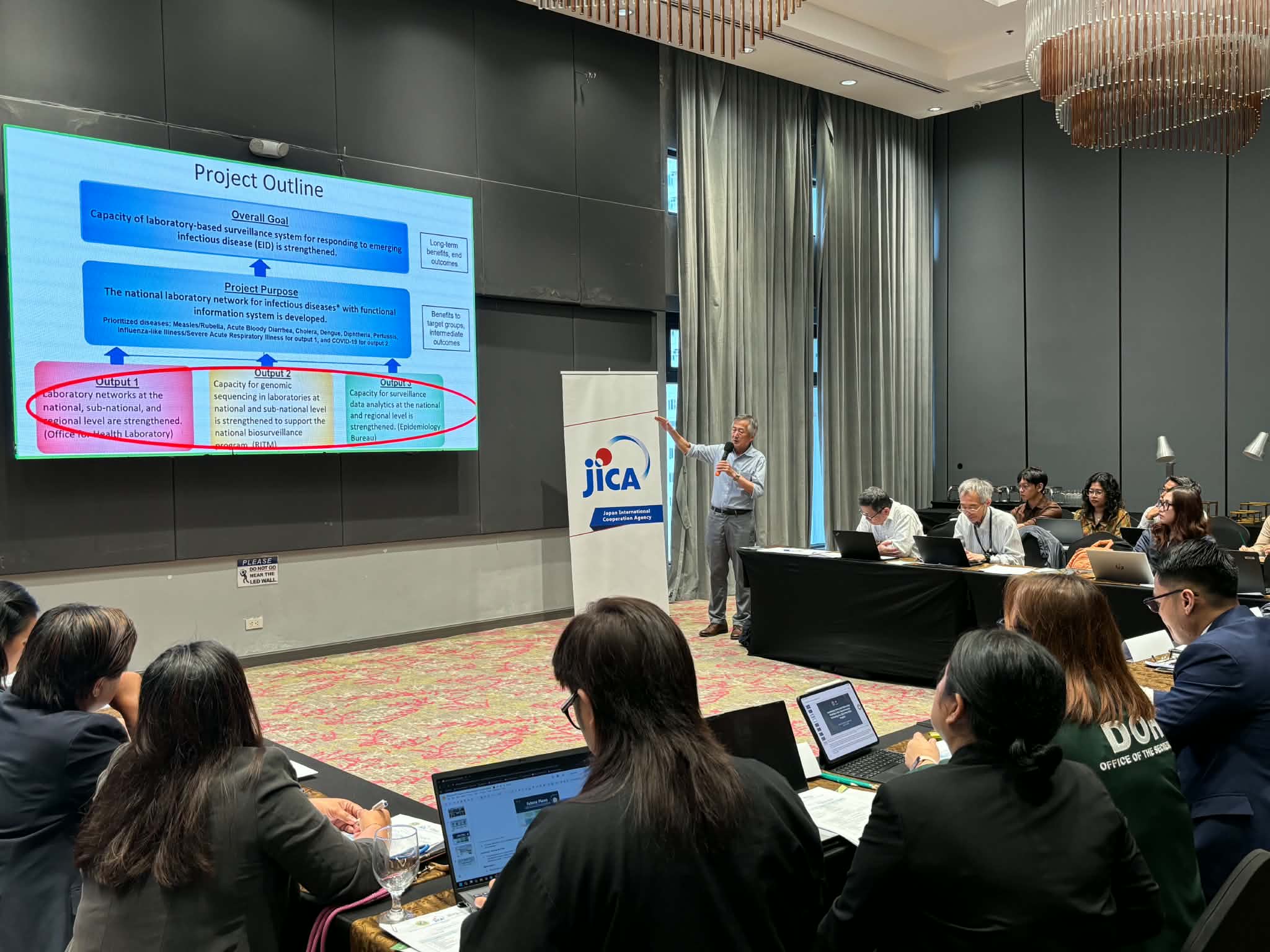
The closing ceremony gathered representatives from the DOH, including the Office for Health Laboratories (OHL), the Epidemiology Bureau (EB) and the Research Institute for Tropical Medicine (RITM), the Center for Health Developments, alongside JICA and project stakeholders. The event featured presentations on the project's accomplishments, messages from partner institutions, and the approval and signing of the Project Completion Report.
Implemented from 2022 to 2026, the project aimed to strengthen the Philippine National Health Laboratory System by enhancing laboratory networks, genomic surveillance and surveillance data analytics to better prepare the country for future outbreaks and public health emergencies.
The importance of a strong laboratory network and surveillance system grows as the Philippines continues to respond to emerging and resurging infectious diseases. As a country with diverse local health contexts, timely disease detection, laboratory confirmation and data-driven decision-making are critical for effective outbreak response and public health preparedness. The PHeLNIDs Project was designed to strengthen laboratory capacities and support a more responsive and coordinated national laboratory network.
Among its key outputs, the project developed a tiered network plan for Philippine laboratories, along with quality assurance tools and guidance on supply chain and procurement. PHeLNIDs Project also supported a national strategy and training for Whole Genome Sequencing (WGS) and expanded surveillance data analytics capacity with 32 staff from different regional laboratories and DOH offices trained in Japan on laboratory management, WGS and surveillance data analytics. The project also conducted 21 workshops and trainings in the Philippines, attended by more than 300 DOH staff and health personnel.
The project also contributed to the decentralization of laboratory services and strengthened the technical capacities of health personnel nationwide through these trainings and workshops on biosafety and biosecurity as well as studies on specimen referral systems and turnaround times (TAT). These efforts supported stronger laboratory-based surveillance and testing for priority infectious diseases, including measles/rubella, cholera, dengue, diphtheria, pertussis, influenza-like illness and severe acute respiratory illness, among others, laying the foundation for a more resilient laboratory system for infectious disease surveillance and response.
JICA Senior Representative IDE Soichiro highlights that the project "represents a strong foundation upon which future efforts can be built. Sustaining and institutionalizing the tools, systems, training materials and capacities developed through this project will be essential to ensuring a stronger and more resilient health laboratory system for years to come."
Marking the 70th anniversary of diplomatic relations between Japan and the Philippines this year, JICA continues to support the Philippine health sector through a comprehensive partnership that strengthens health systems, advances universal health coverage, and enhances preparedness against public health threats. The PHeLNIDs Project represents one of the many collaborative efforts between Japan and the Philippines to build resilient institutions and improve health security for all Filipinos.
JICA reaffirms its commitment in building a stronger, more responsive, and sustainable health system in the Philippines. The project's achievements will continue to serve as valuable foundations for future efforts to strengthen laboratory-based surveillance and preparedness against emerging infectious diseases.
Sns share!


