The JICA website uses cookies to improve the service provided. By closing or continuously browsing this banner, you agree to use the cookies listed in the privacy policy.
Hello. My name is Nakanishi, and I am a JICA Volunteer currently working in Papua New Guinea.
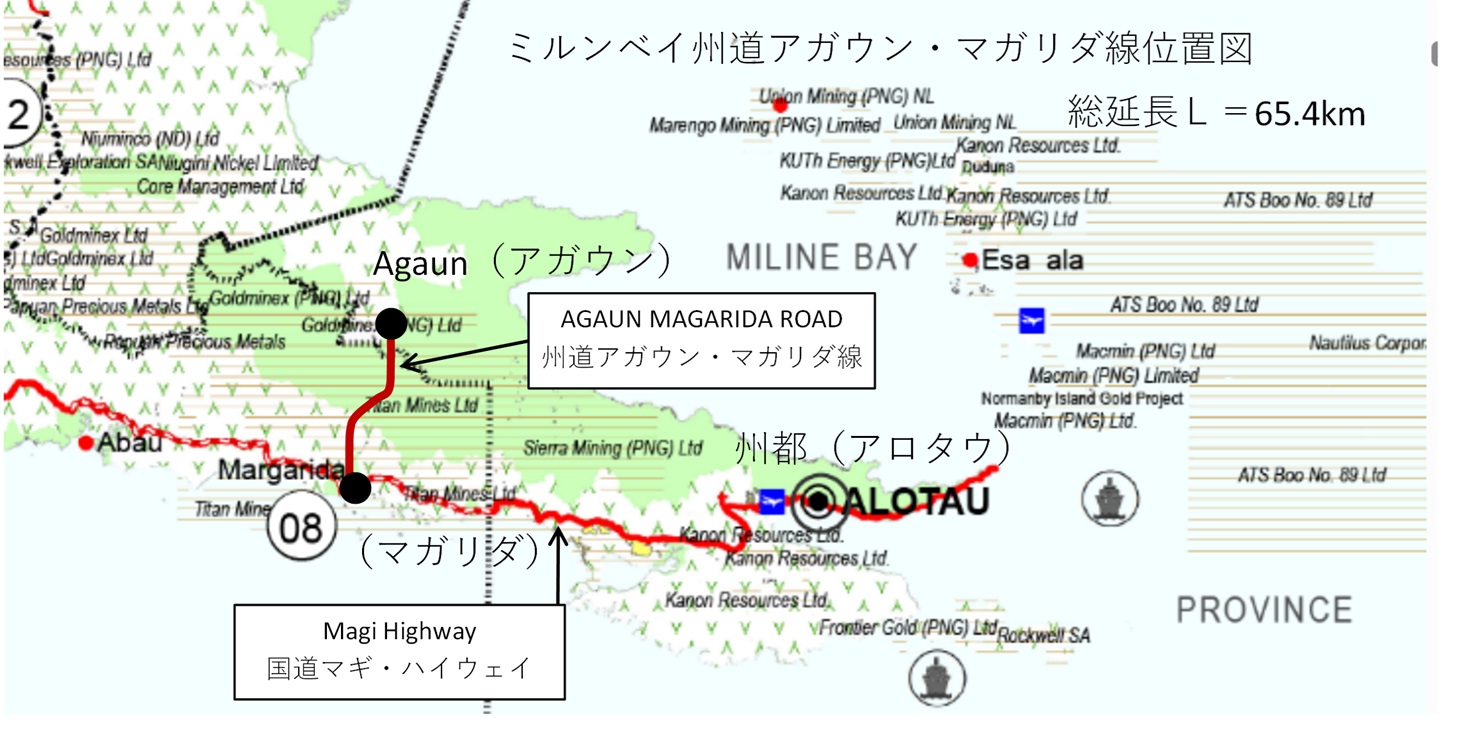
I am stationed in Alotau, the capital of Milne Bay Province, where I work with the Provincial Works Supervision Unit. My role is to support activities related to provincial road construction and maintenance in the province.
Roads in a Region with Heavy Rain
My trip took place in mid-January 2026, which is part of the rainy season in Milne Bay Province.
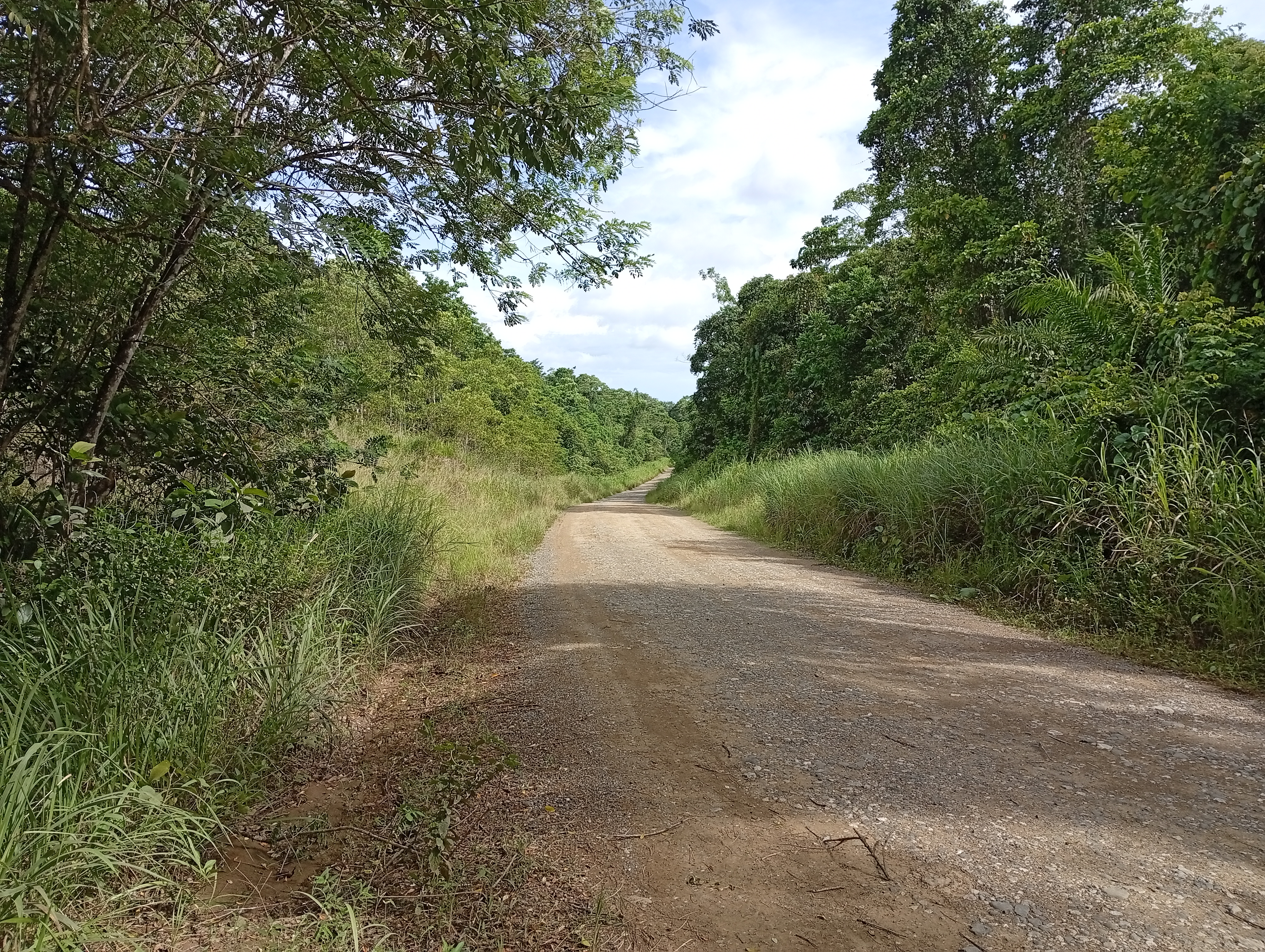
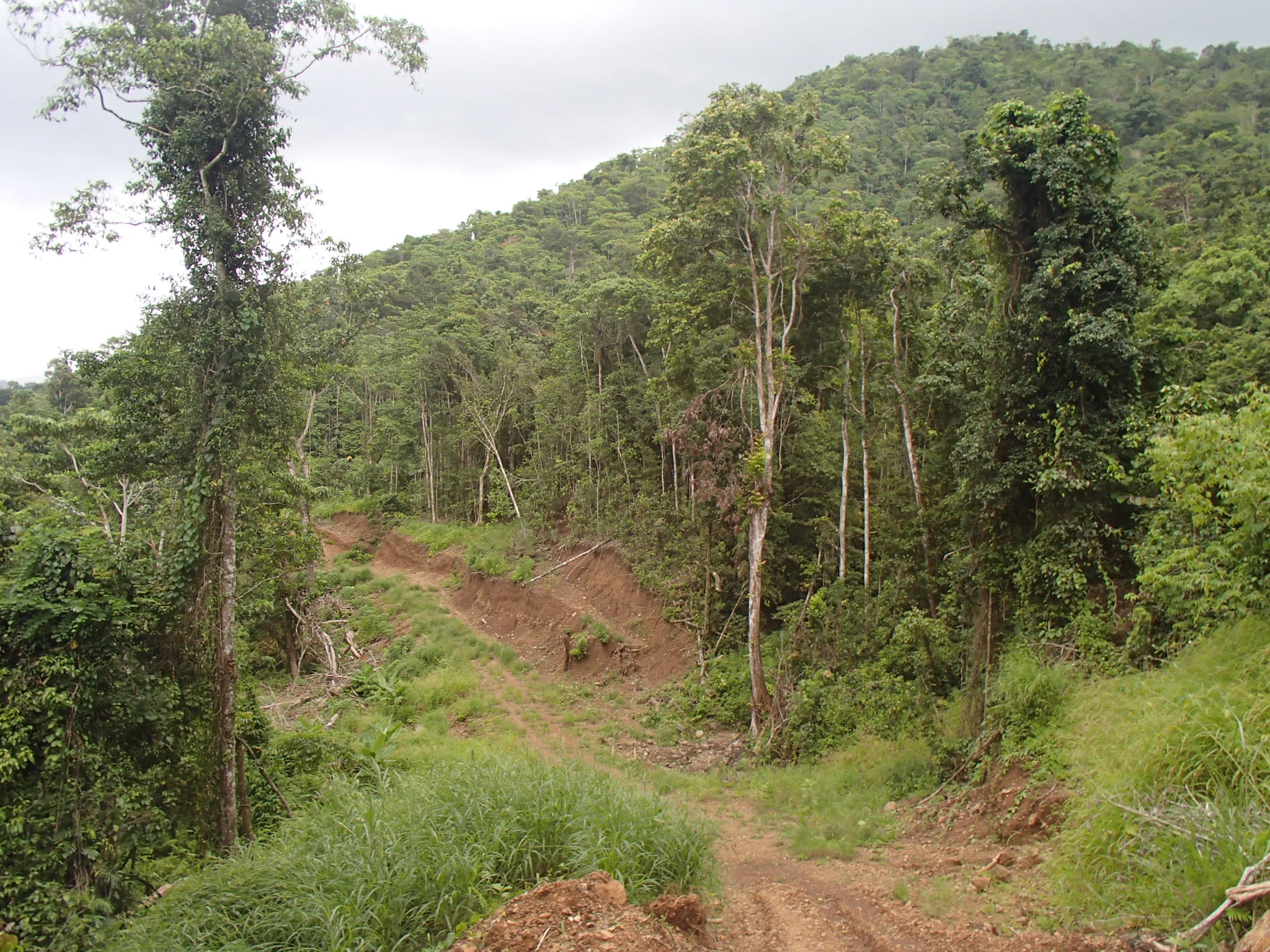
As we traveled west from Alotau, the highway passed through gentle mountain areas. Much of the road is still unpaved, but it is designed to allow vehicles to pass.
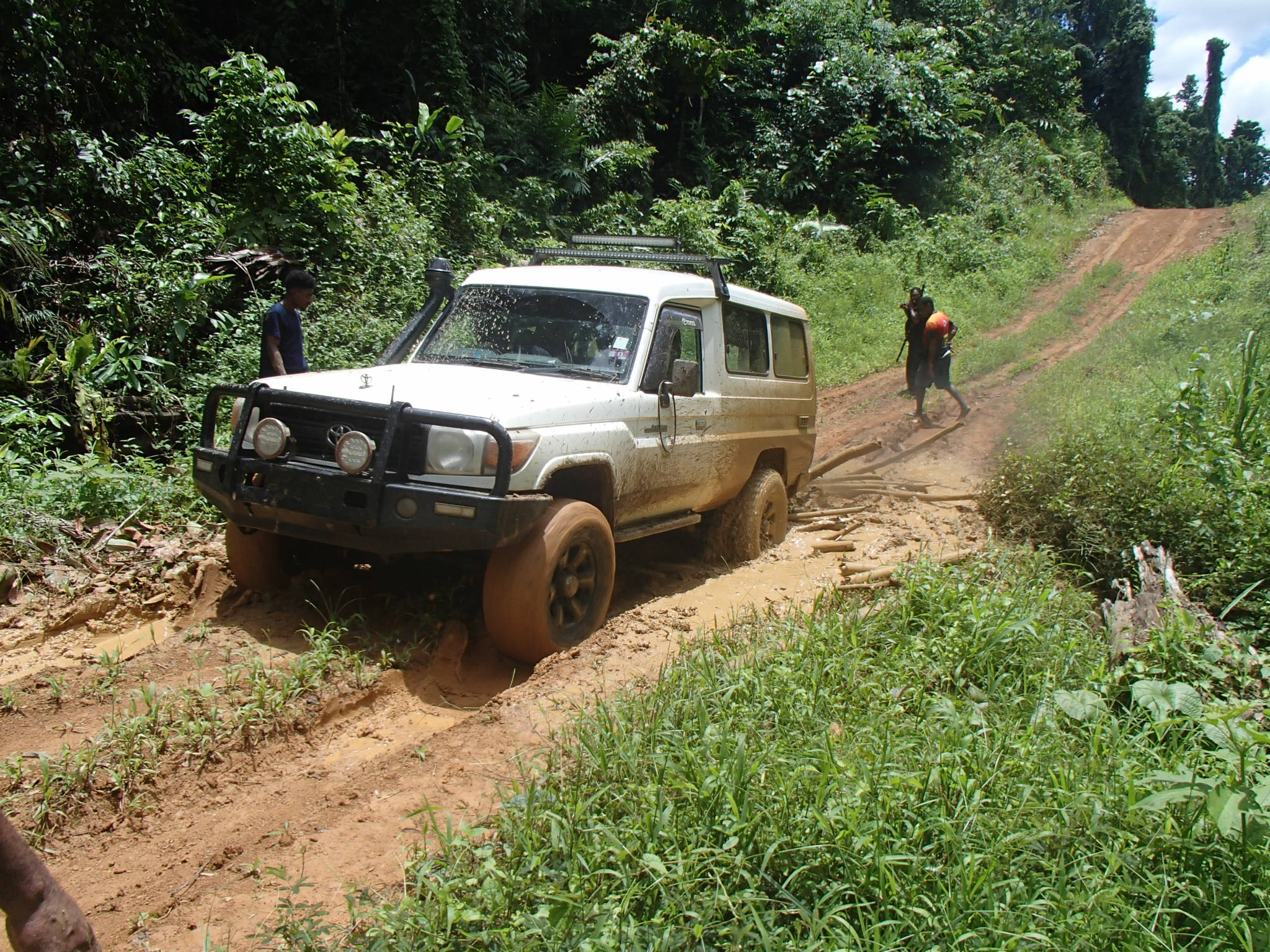
Because this region receives a lot of rain, river gravel is spread on the road surface to prevent the ground from becoming too muddy. The road is also designed to divert rainwater flows from the center of the road to the side drains. These simple ideas help keep the road usable even during rainy weather.
Wooden Bridges and River Crossings
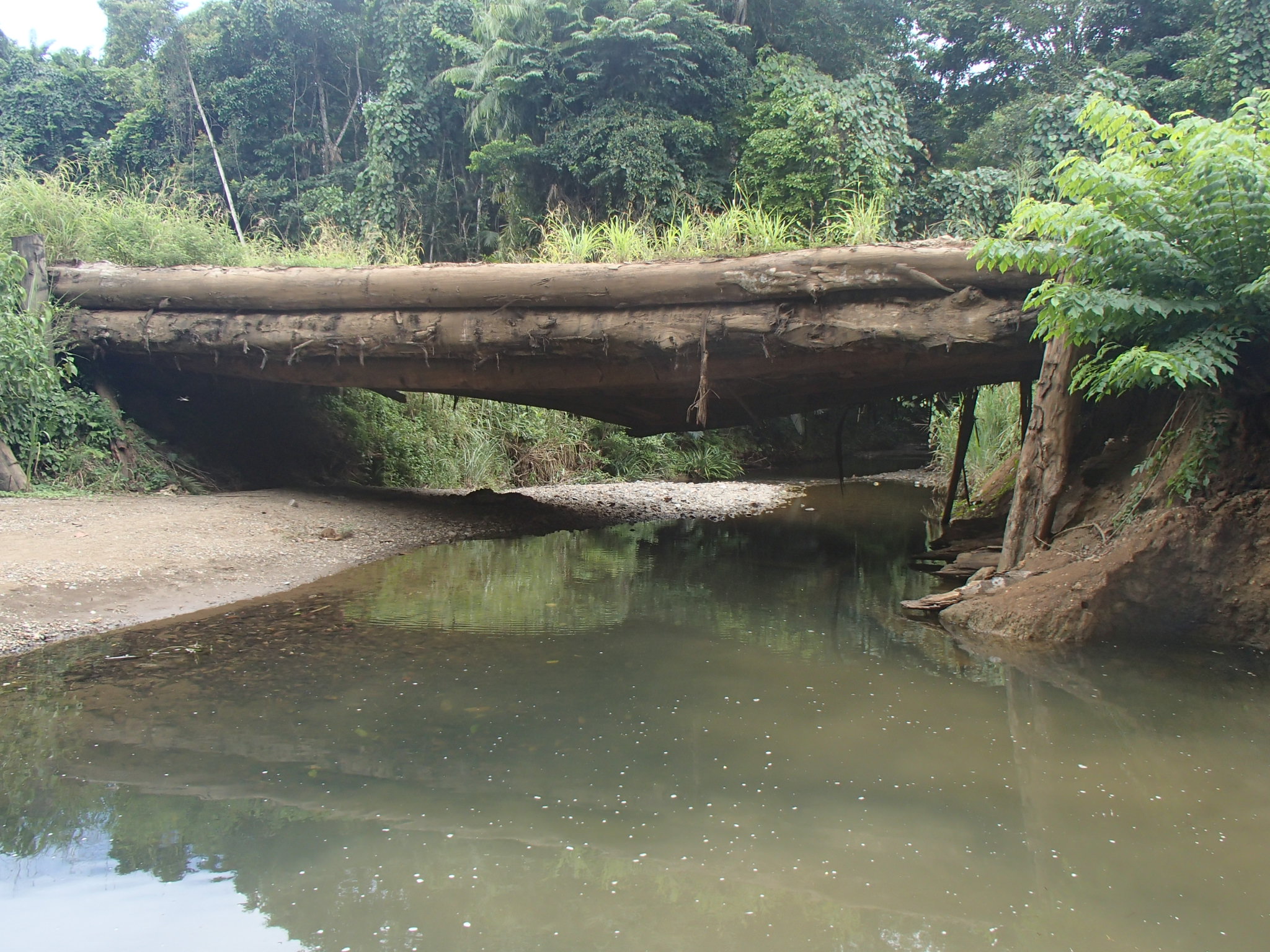
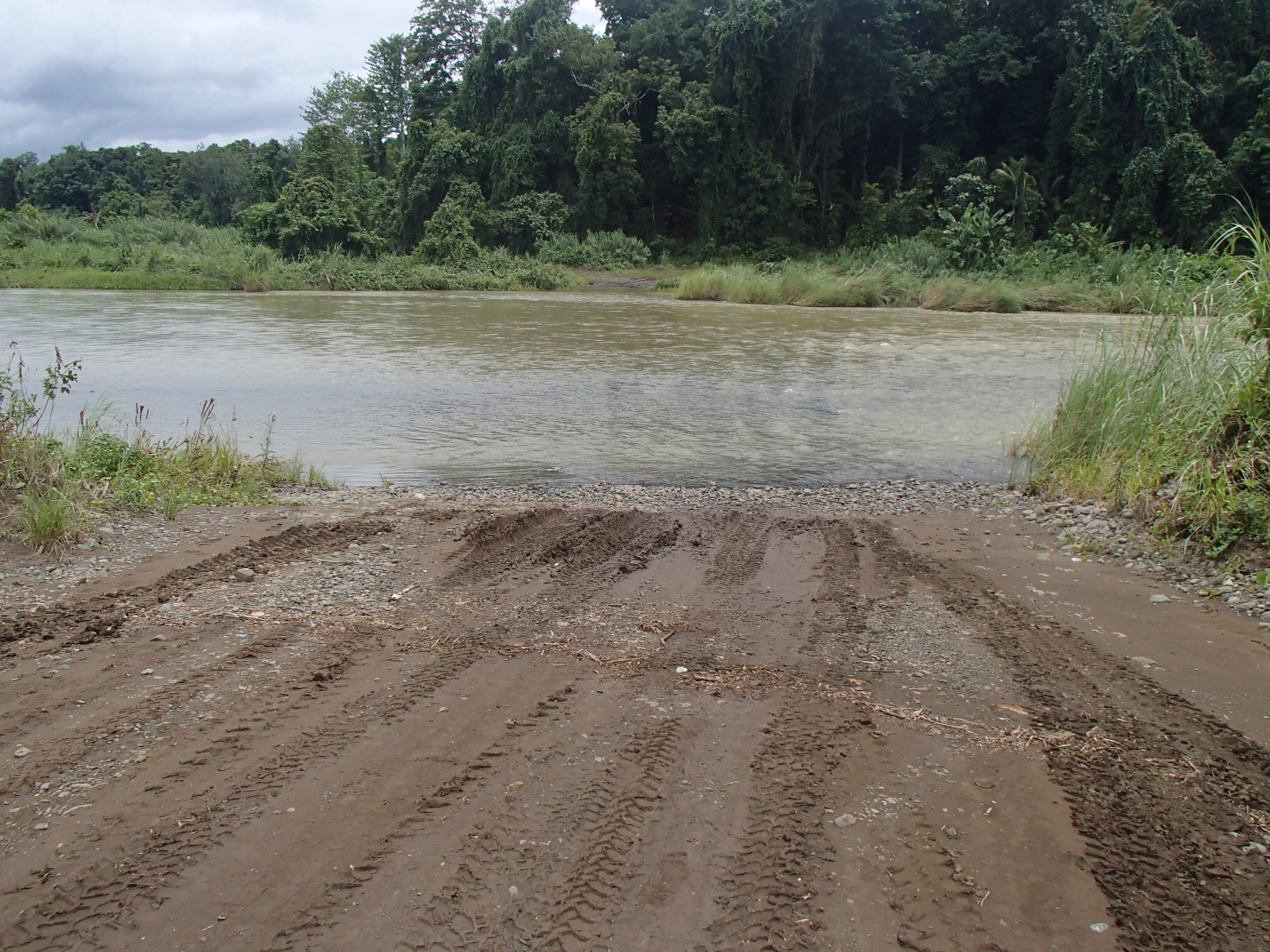
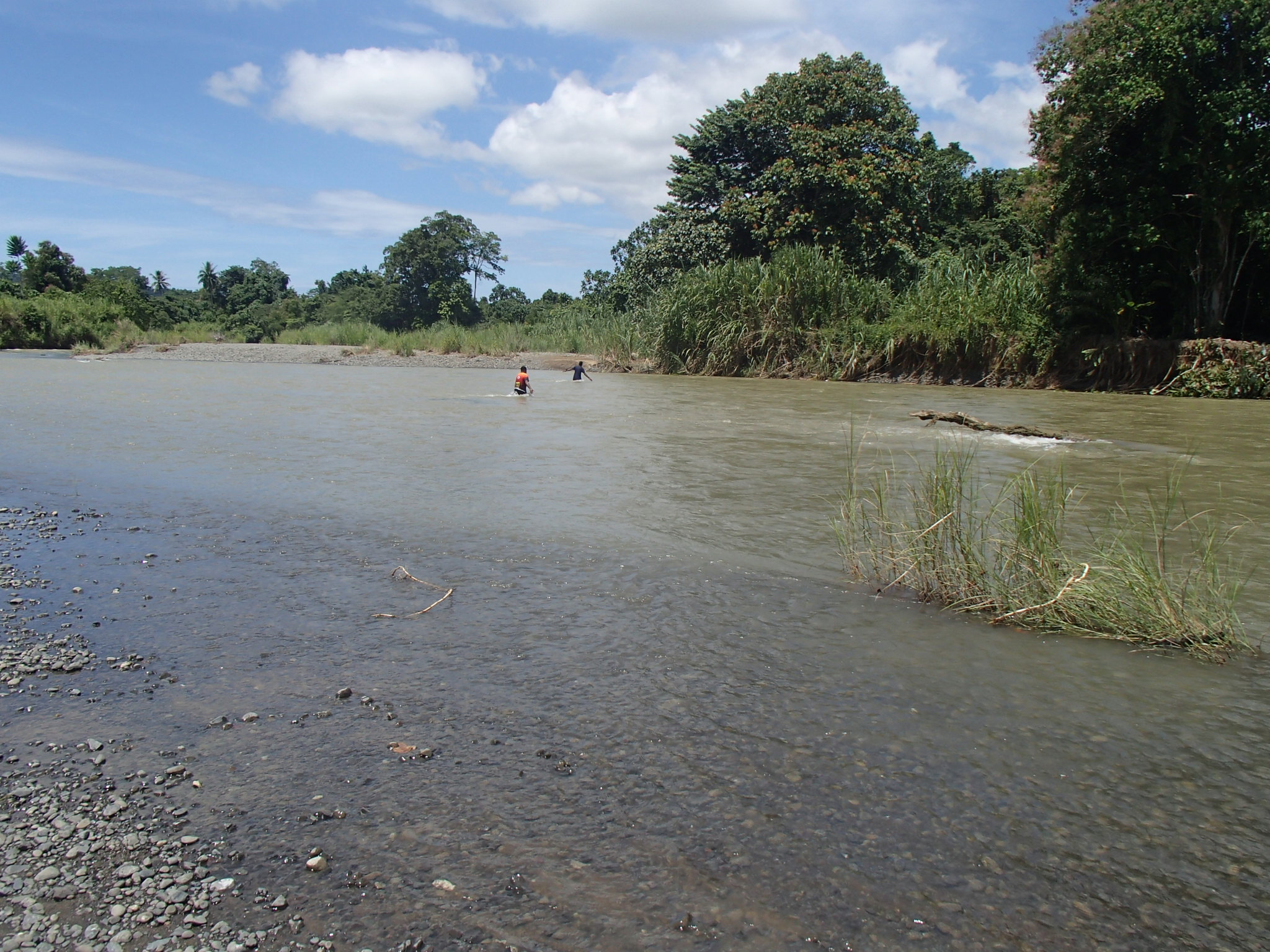
Along the road, smaller rivers are sometimes crossed by simple wooden bridges made from local logs, however, in some places where bridges have not yet been built, vehicles must drive directly across the river. In these areas, four-wheel-drive vehicles are essential. When the river level rises after heavy rain, the road may become temporarily impassable.
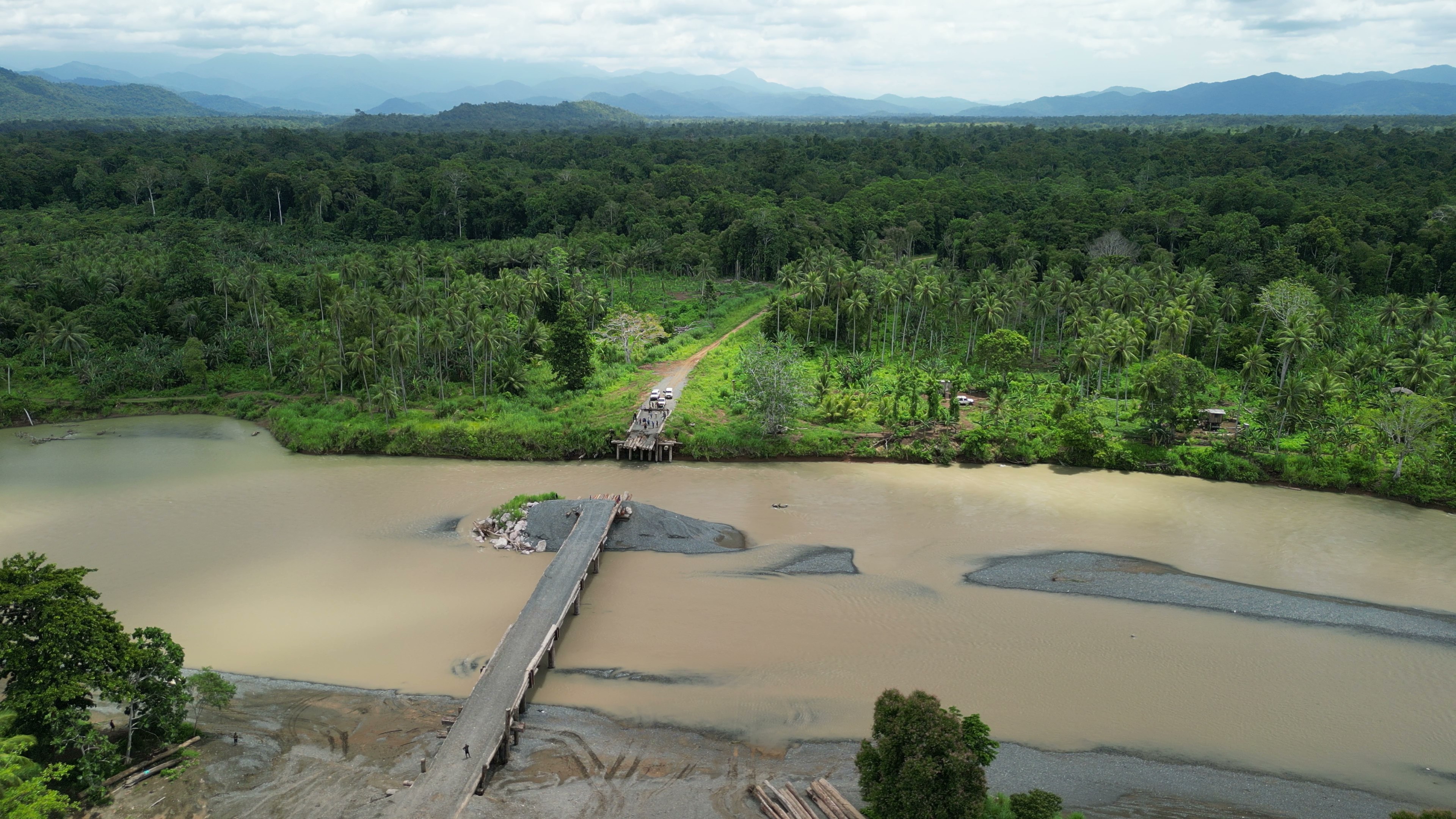
During the trip, I met an engineer from the Department of Works and Highways who told me about a plan to replace a temporary wooden bridge at the Tabanai River with a stronger steel bridge.
The Magi Highway connection between Milne Bay and the capital city, Port Moresby was only opened recently, in 2025. Many improvements such as permanent bridges and road upgrades are expected to continue in the future.
Wooden Bridges and River Crossings
Along the road, smaller rivers are sometimes crossed by simple wooden bridges made from local logs, however, in some places where bridges have not yet been built, vehicles must drive directly across the river. In these areas, four-wheel-drive vehicles are essential. When the river level rises after heavy rain, the road may become temporarily impassable.
During the trip, I met an engineer from the Department of Works and Highways who told me about a plan to replace a temporary wooden bridge at the Tabanai River with a stronger steel bridge.
The Magi Highway connection between Milne Bay and the capital city, Port Moresby was only opened recently, in 2025. Many improvements such as permanent bridges and road upgrades are expected to continue in the future.
Roads That Connect People and Communities
This trip helped me better understand the road conditions and challenges in Papua New Guinea.
Roads are not only for transportation. They help people travel to markets, schools, hospitals, and neighboring communities, and they support the local economy.
Working together with my colleagues at the Works Supervision Unit I hope to continue learning about local conditions and contribute, step by step, to improving the road condition in this region.