
Supporting Learning in Popondetta: A JICA Volunteer’s Two-Year Story
[Goal 4] Quality Education
2026.03.25





2026.03.25
Mr. Suzuki, a JICA Volunteer who has been working at Popondetta Primary School in Oro Province, is returning to Japan after completing his Volunteer Assignment. Before his departure, we asked him to reflect on his nearly two years of assignment and share his experiences and lessons learned during his time in Papua New Guinea.
Four Key Activities Centered on the School Community
Mr. Suzuki carried out his activities mainly in the following four areas:
・Improving Mathematics education
・Environmental education through Science lessons
・Training for Teachers and Teacher Training Colleges
・Online classes connecting Japan and the wider world
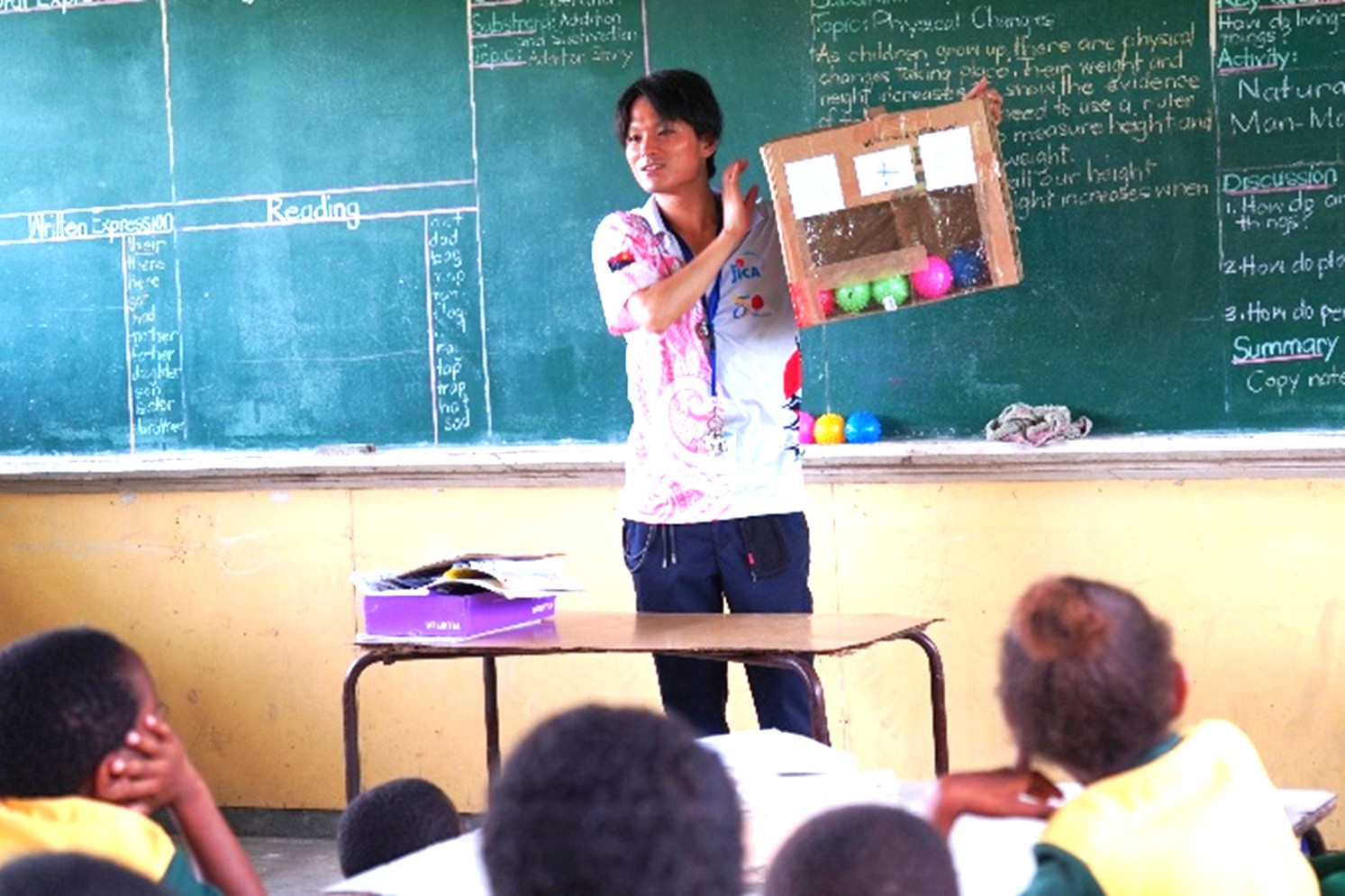
For mathematics, he conducted lessons using the textbooks developed with support from JICA, helping students strengthen their fundamental calculation skills. When he first arrived, he began teaching Grade 2 classes and recently taught Grade 4 students.
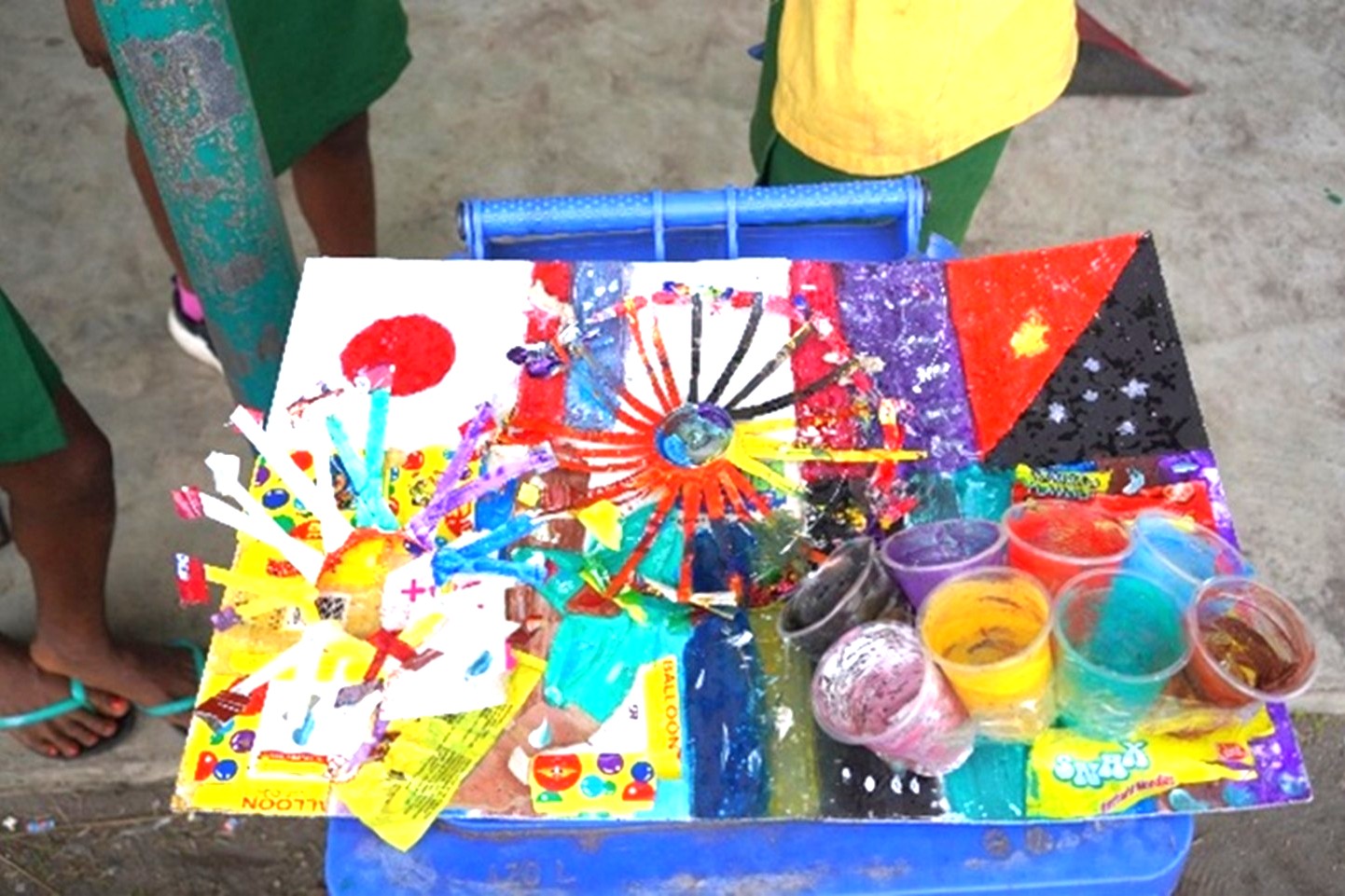
For science, he focused on raising awareness on environmental issues. Activities included school-based environmental initiatives such as community clean-up campaigns, creating art from collected waste materials, and establishing a student Environmental Committee. Although Popondetta is blessed with rich natural surroundings, a lot of plastic waste is often discarded in the environment. Through science lessons, students learned about environmental protection and were encouraged to take practical actions.
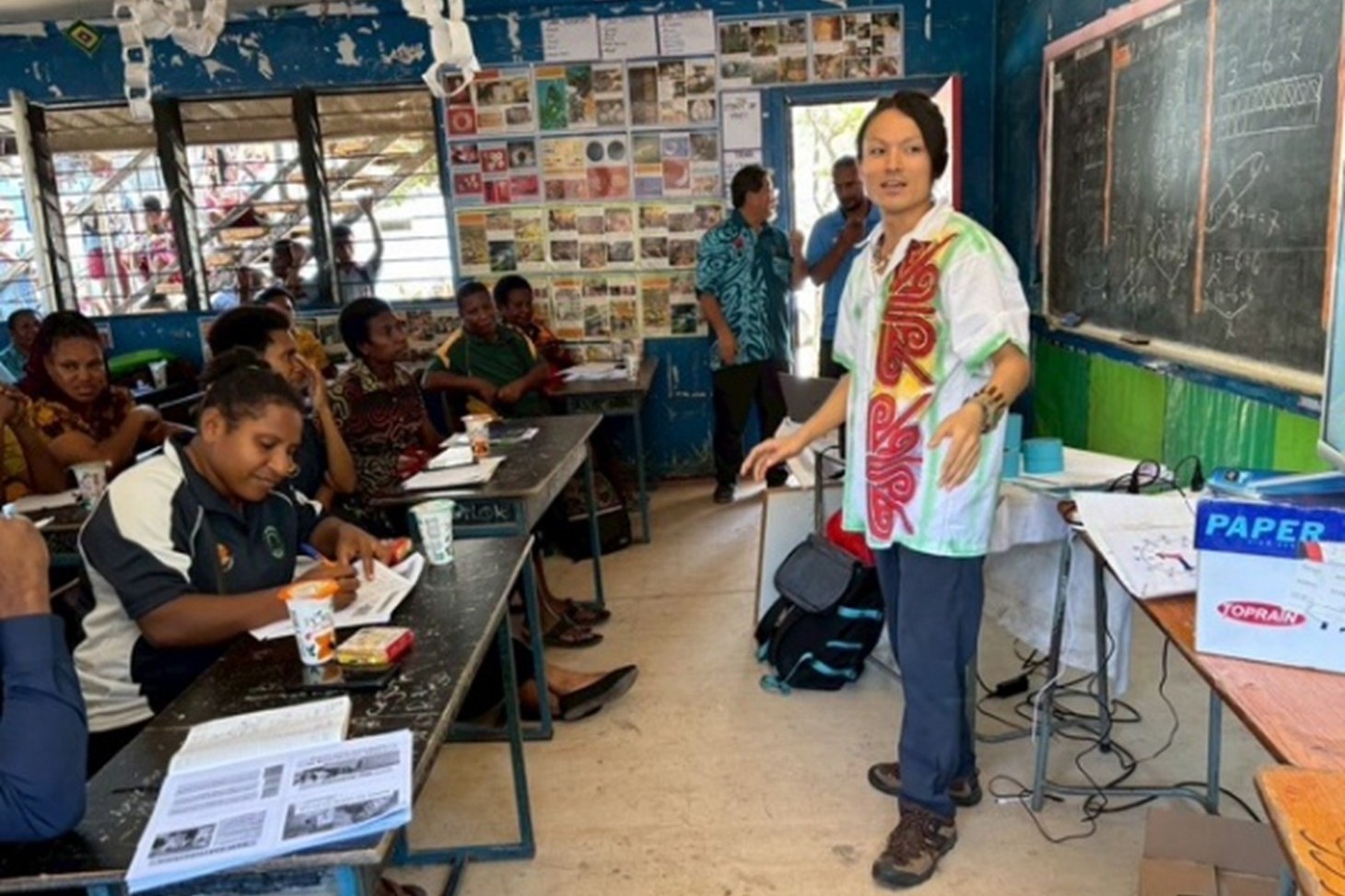
Mr. Suzuki also organized training sessions for teachers on how to effectively use the Mathematics and Science Textbooks jointly developed by JICA and the Government of Papua New Guinea. These trainings were conducted not only in Popondetta but also in Port Moresby and at specific Teacher Training Institutions, contributing to better understanding of teachers on how to fully utilize the use of the textbooks in their teaching.
In addition, he conducted online lessons connecting Japanese schools to his classes in Popondetta as well as conducting interview videos with about 40 JICA volunteers working in different countries, he organized classes for Japanese students to reflect on the meaning of international cooperation and to feel more connected to the wider world.
Teaching in Classrooms with Over 90 Students
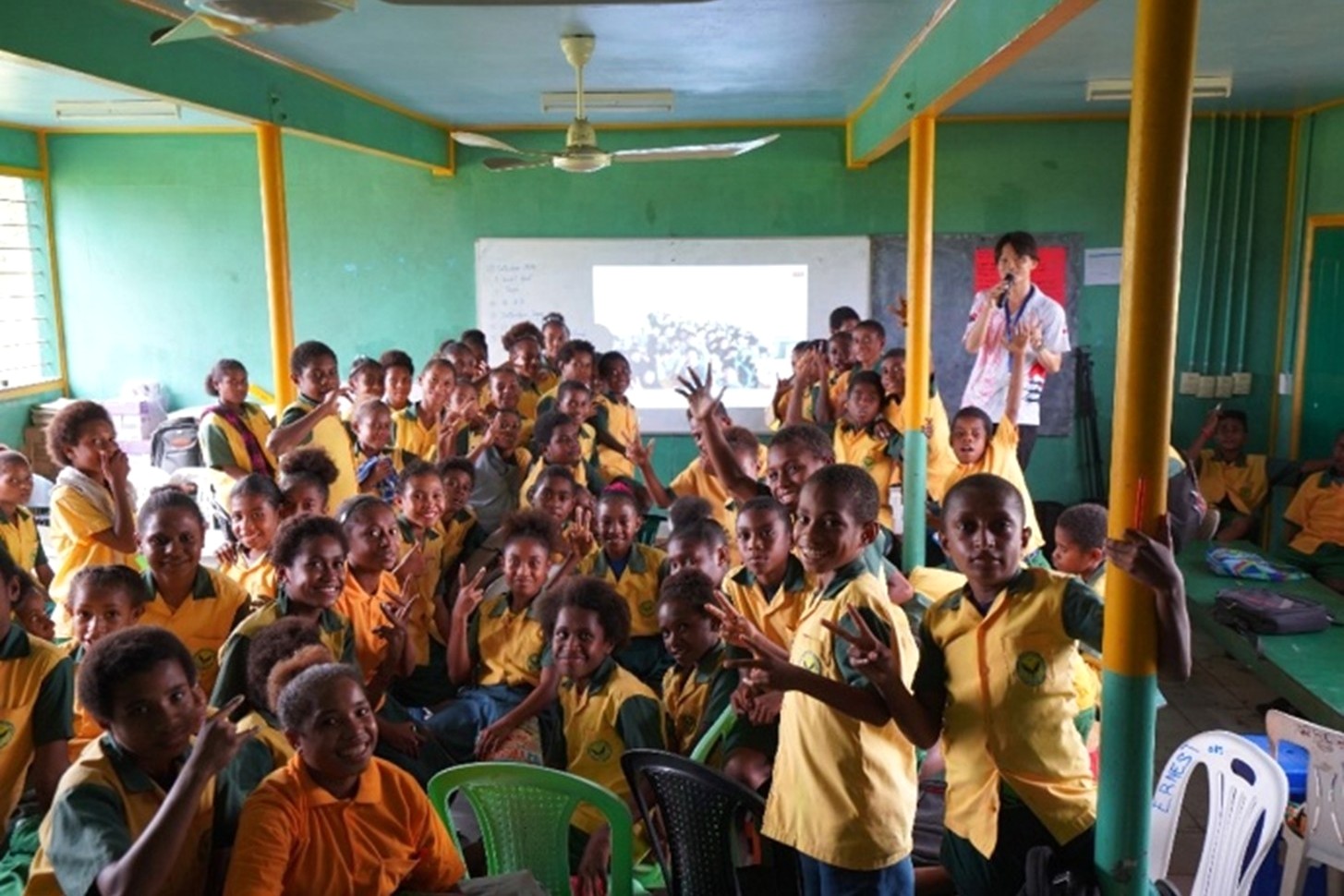
The classroom environment in Popondetta is very different from that in Japan. In the classes Mr. Suzuki taught, it was not uncommon to have more than 90 students in a single classroom. When just a few students started talking, the entire classroom could quickly become noisy, making it a major challenge to maintain focus and attention while teaching.
There were also situations where students chewed gum or chatted during lessons, meaning that creating a suitable learning environment was an important first step.
Mr. Suzuki repeatedly explained to students the importance of respecting their classmates’ right to learn. Over time, both teachers and students began reminding each other of appropriate classroom behavior, gradually improving the atmosphere during lessons.
Unlocking the Potential of Textbook-Based Teaching
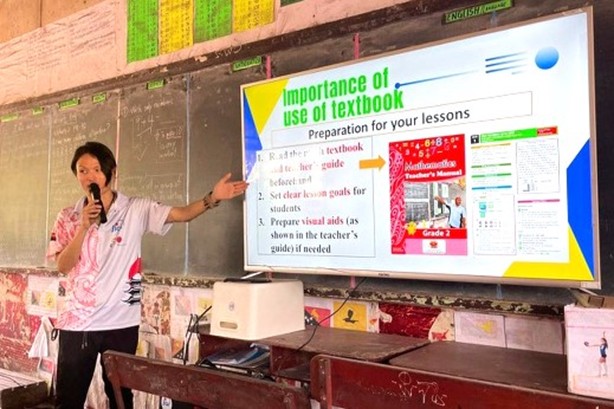
One of the activities Mr. Suzuki focused on most was promoting the use of the mathematics and science textbooks developed with JICA’s support.
In Papua New Guinea, even when textbooks are available, they are not always used effectively. However, teachers’ manuals, which were also developed with the textbooks, include detailed guidance such as lesson objectives, required materials, lesson flow, and board-writing plans, providing teachers with practical tools to conduct effective classes.
Mr. Suzuki demonstrated lessons using the textbooks and shared his experiences during teacher training sessions.
“Sometimes the quality of lessons varies depending on the teacher’s skills. But if the textbooks are used effectively, many more children can receive high-quality education,” he said.
Lessons Learned Through Community Connections
During his time in Popondetta, the connections he built with local people became an important source of support.
Teachers and community members were very cooperative with the activities he proposed, including helping to collect materials for environmental education projects. Walking through town, he was often greeted by many people, which allowed him to experience the warmth of the community.
“The people of Popondetta are very energetic and welcoming. The strong ‘wantok’ culture of community and mutual support allowed me to build meaningful relationships with students, teachers, and local residents. That is one of the things I came to love about Papua New Guinea,” he said.
A Message to Future JICA Volunteers
Finally, we asked Mr. Suzuki for a message to people who may be considering applying for the JICA Volunteer program.
He acknowledged that many things do not go as planned in the field, but emphasized that these experiences can become valuable learning opportunities.
“I realized that what we consider normal in Japan is not necessarily normal elsewhere. Even just two years can be a life-changing experience. If you are unsure about applying, I strongly encourage you to take the challenge.”
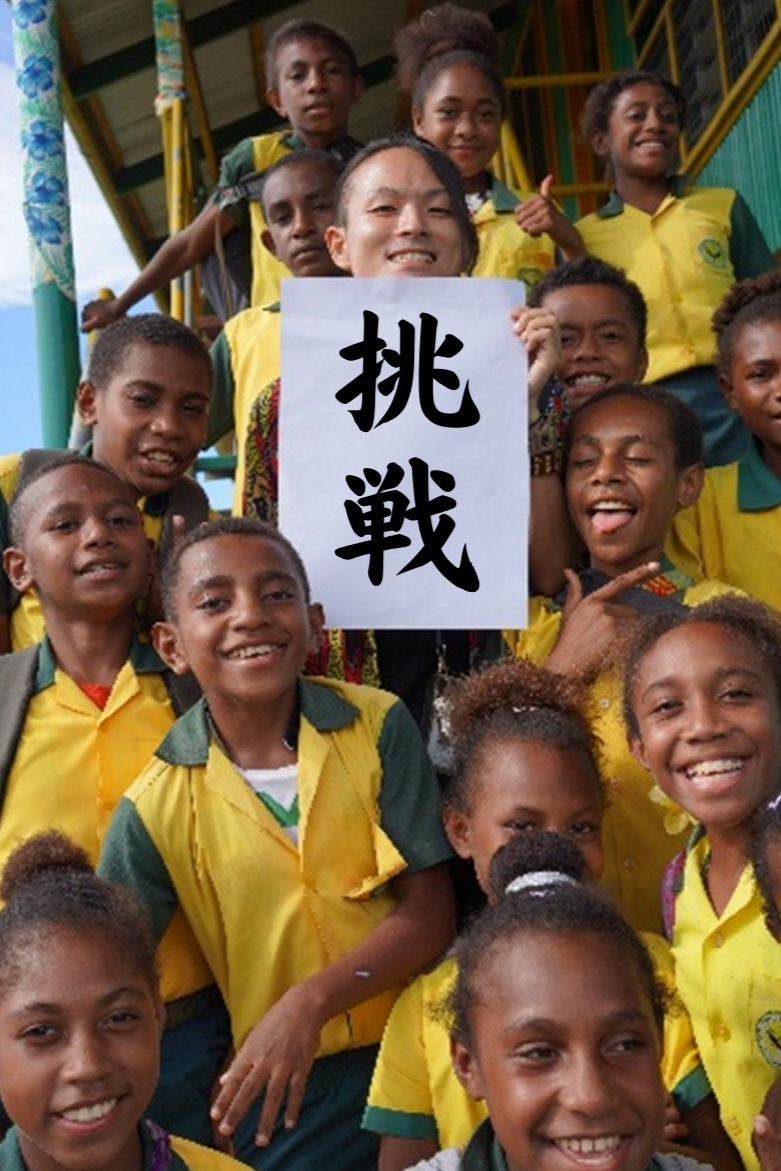
Through nearly two years of activities in Popondetta, Mr. Suzuki worked to improve the learning environment for students and teachers. His experiences offer valuable insights not only for local schools but also for those who are interested in becoming involved in international cooperation in the future.
[Reference] You can watch Mr. Suzuki’s interview video in the link below.
https://www.youtube.com/watch?v=R4egnpmNMx4
Related Link
・STEPMAS Project Nears Completion: Partners Convene for the 8th Joint Coordinating Committee Meeting
・What I Learned from Traveling the Roads of Milne Bay : “KAIZEN PROJECT” Activity Diary Vol. 6
・International Women’s Day Walking event echoes solidarity in supporting safer communities for all
Please also visit our Facebook for our latest activities and events news
JICA Facebook Page
Sns share!


