February 2026 marks the fourth anniversary of Russia's full-scale invasion of Ukraine. Although there is little indication that the fighting will end, infrastructure restoration and reconstruction efforts are underway in non-combat areas. JICA has been contributing to Ukraine's recovery through its support of Japanese companies possessing advanced technology in their efforts to enter the Ukrainian market. This is a report on these projects.
A company from Nagano Prefecture supporting soil regeneration in Ukraine
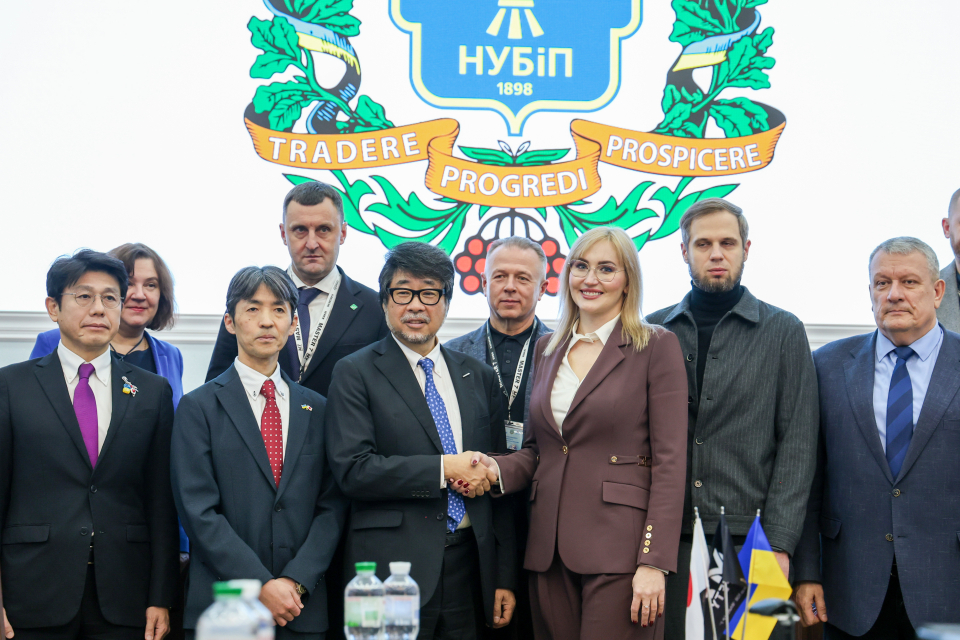
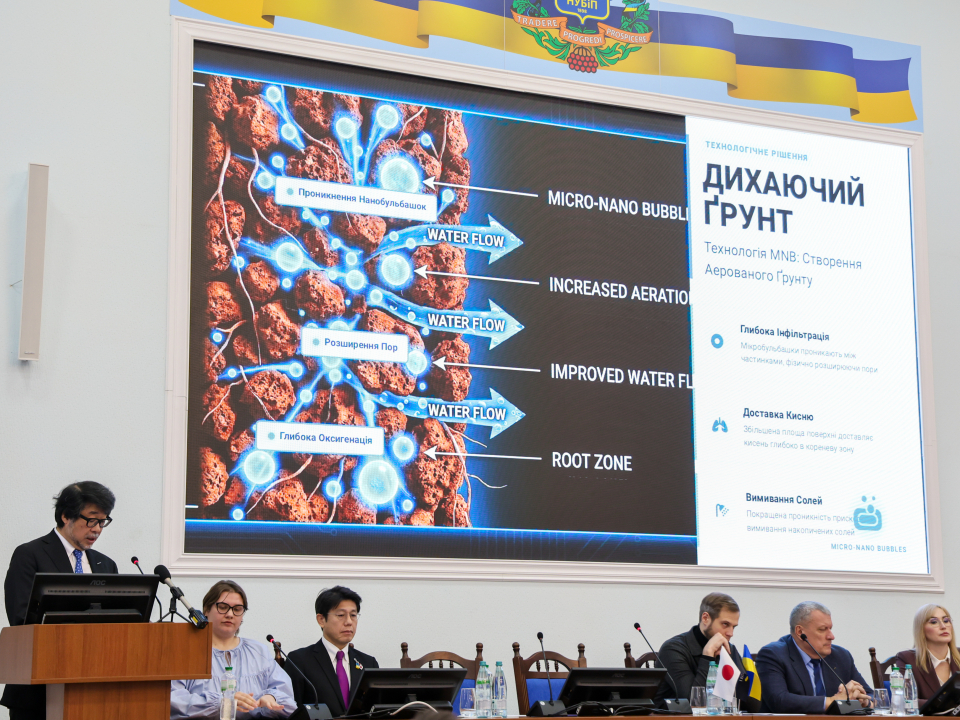
“Ukraine is currently facing two battles. One is the defense its soldiers are bravely fighting to maintain, which holds the world’s attention. The other is a crisis quietly unfolding beneath the surface of the country’s land. Our technology can counter this crisis,” stated Tanaka Riu, president of Kakuichi Co., Ltd., during a speech in Kyiv on December 16, 2025, to commemorate the establishment of a local joint venture.
Headquartered in the city of Nagano, Kakuichi specializes in developing and manufacturing agricultural machinery. Kakuichi’s nanobubble technology utilizes the power of microscopic bubbles to improve soil. It is employing this technology to address the crisis affecting Ukraine’s agricultural lands.
Despite being a major exporter of agricultural products, the nation is confronting worsening soil salinization and farmland degradation. These problems trace back largely to climate change and excessive fertilizer use in large-scale farming. Heavy metal contamination from the ongoing invasion has also exacerbated the situation. To address these challenges, Kakuichi is operating a local joint venture to facilitate support for soil restoration in Ukraine.
Tanaka continued, “Our decision to expand into Ukraine was prompted by a visit from a Ukrainian delegation in 2024. At the time, we had been contemplating expanding globally. Interacting with the delegation started me thinking about what we could do for them. We initially considered only exporting nanobubble-generation equipment. However, thanks to support from JICA, we were able to establish a foothold locally. This has enabled us to support Ukraine’s soil restoration efforts over the long-term.”
The global need for Japan's corporate strength
Since Russia launched its full-scale invasion in February 2022, damage from the invasion has been estimated to amount to $176 billion. Landmines and Russian military occupation have rendered 20% of farmland unusable. Energy and other infrastructure have been damaged. Public facilities have also been severely affected. The Ukrainian government reports that, as of August 2025, 1,779 schools have been damaged and 226 destroyed. The existing educational facilities are also deteriorating. Various technologies held by companies are essential for Ukraine's recovery and reconstruction. The ongoing conflict, however, has forced Ukraine to prioritize most of its budget for defense. Such circumstances make international support vital.
JICA's Ukraine Business Support Project addresses these challenges. Launched in FY2024, this project aims first and foremost to contribute to Ukraine’s recovery and reconstruction by strengthening its economic foundations through support for the market entry of Japanese companies with advanced technologies.
Doing business in a country under invasion is no simple task. In addition to language and commercial practice barriers, the invasion poses unanticipated risks. The JICA project provides consulting services for companies considering a presence in Ukraine to help reduce entry barriers and risks. It also assists with market research and pilot projects. Fourteen new projects were adopted in FY2024, one of which is support for Kakuichi’s local soil restoration venture .
A company in Yamagata Prefecture supporting construction of a school meal center
Yamagata Prefecture-based steel frame manufacturer Metal Products Inc. is another company selected to take part in JICA’s Ukraine Business Support Project.
Metal Products President Watanabe Susumu reflected, “Our company originally had a local subsidiary in Moldova, neighboring Ukraine. When the invasion started, we wondered if there was something that only we could do. Nevertheless, high risks posed a major obstacle. JICA's project helped us overcome barriers to entering Ukraine.”
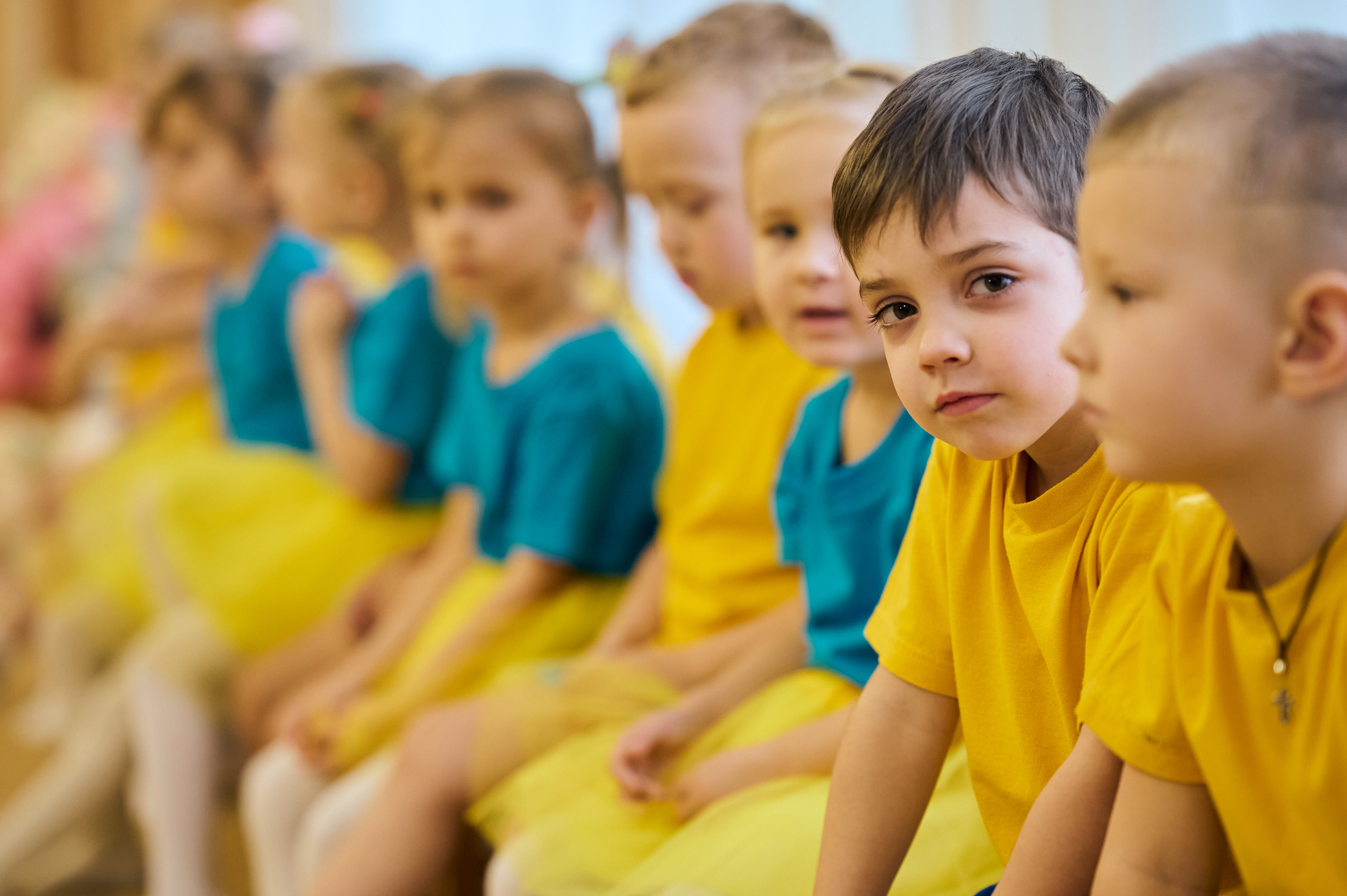
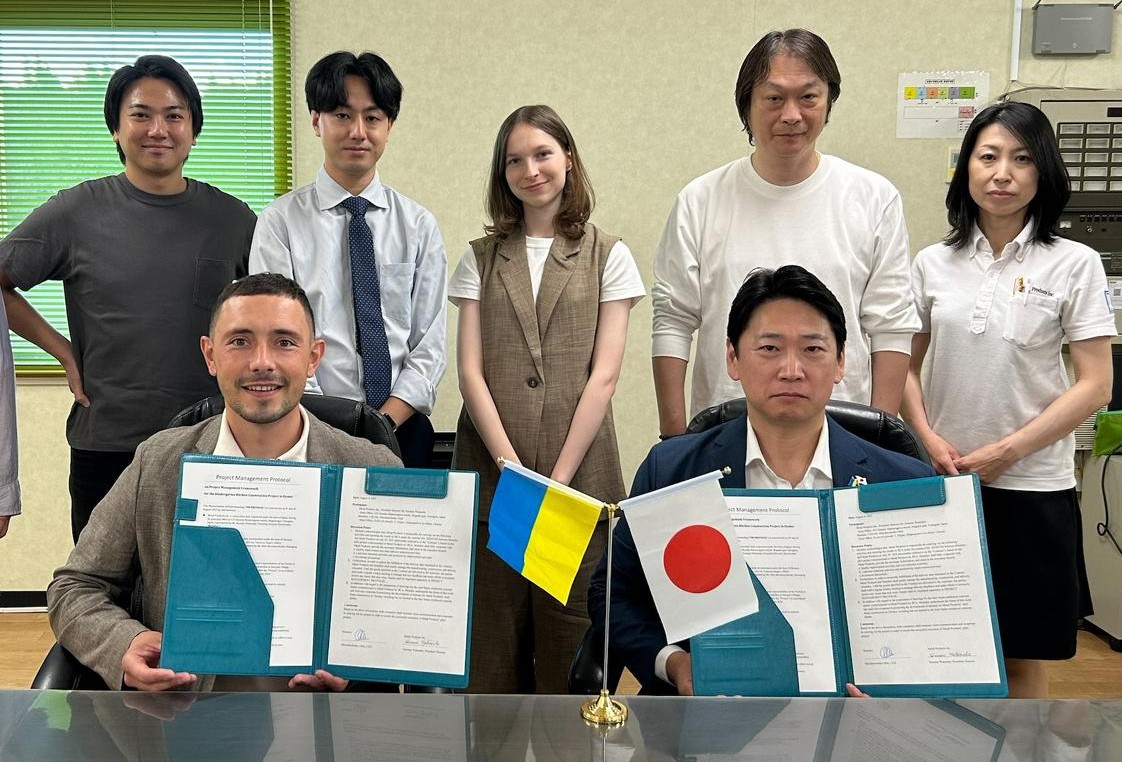
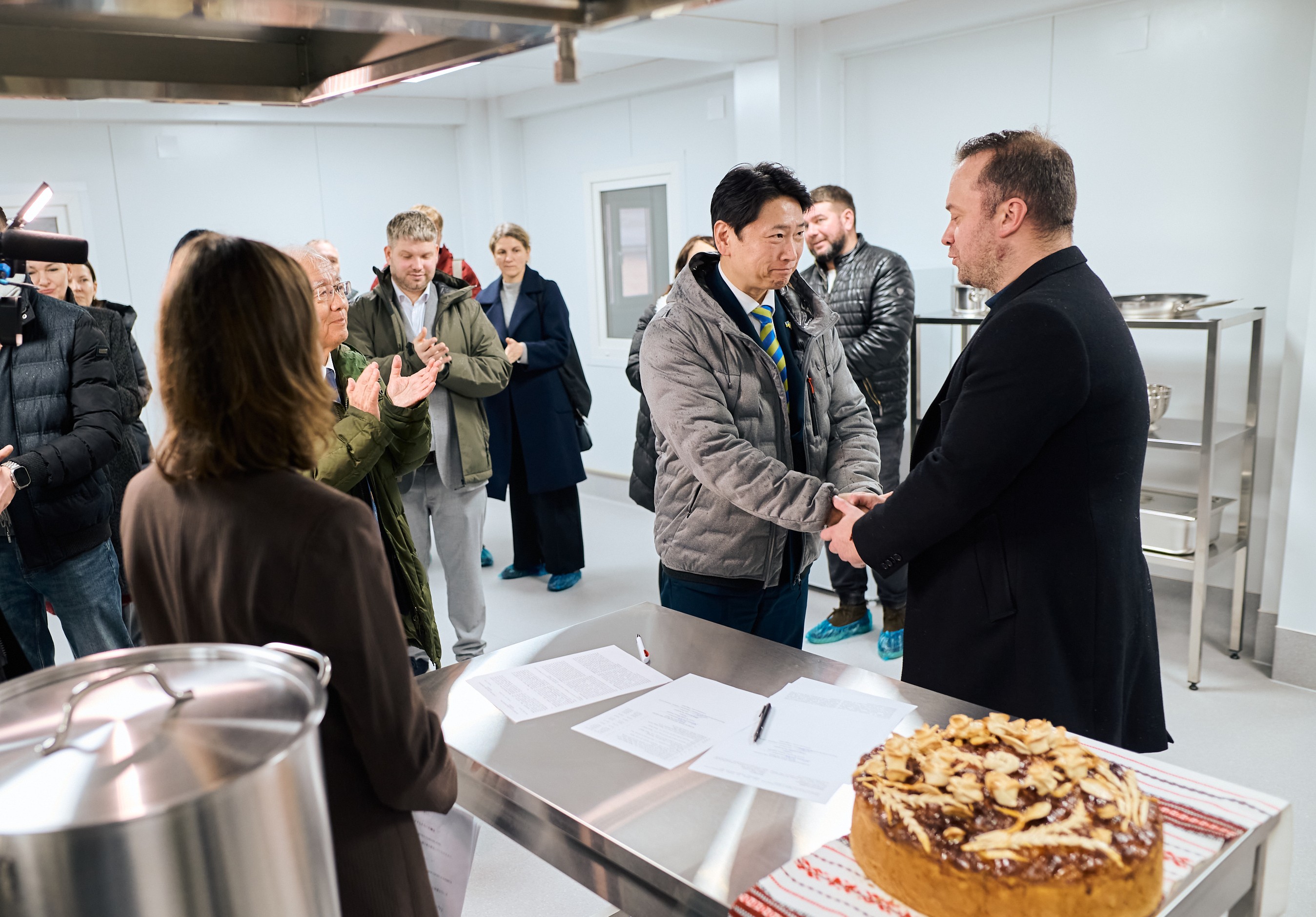
Metal Products has supported the construction of a school meal center for a public kindergarten in Dymer village within the Kyiv region. Although the aging school meal center was a concern, priority had been given to rebuilding local infrastructure damaged by invasion, leading to a shortage of contractors available for civilian projects. For the village, Metal Products, with its reputation for excellent production management technology, was a godsend.
Metal Products' role has been to teach Japanese production methods to the local partner company while managing the production processes for construction components.
This work is mainly conducted online, so language and business practice differences had to be overcome.
Mariia Bondarenko, who had fled Ukraine for Japan, played a crucial role in supporting local construction efforts. As a local hire, Mariia facilitated online communications with partner companies, translated documents, and assisted with construction procedures.
Looking back, Mariia reflected on the experience, “Many people in Ukraine join the military or volunteer in dangerous areas. I wanted to use the Japanese that I had learned at a language school to help reconstruct my homeland.”
Watanabe continued, “Without Mariia, I’m sure we could not have completed the kindergarten meal center construction in just three and a half months.” As for the future, he said, “Demand is currently rising for shelters in the country. This is an area where we can utilize our strength in steel frame processing technology. We hope to contribute to Ukraine through such business endeavors.”
Japan's vitality linked to Ukraine's reconstruction
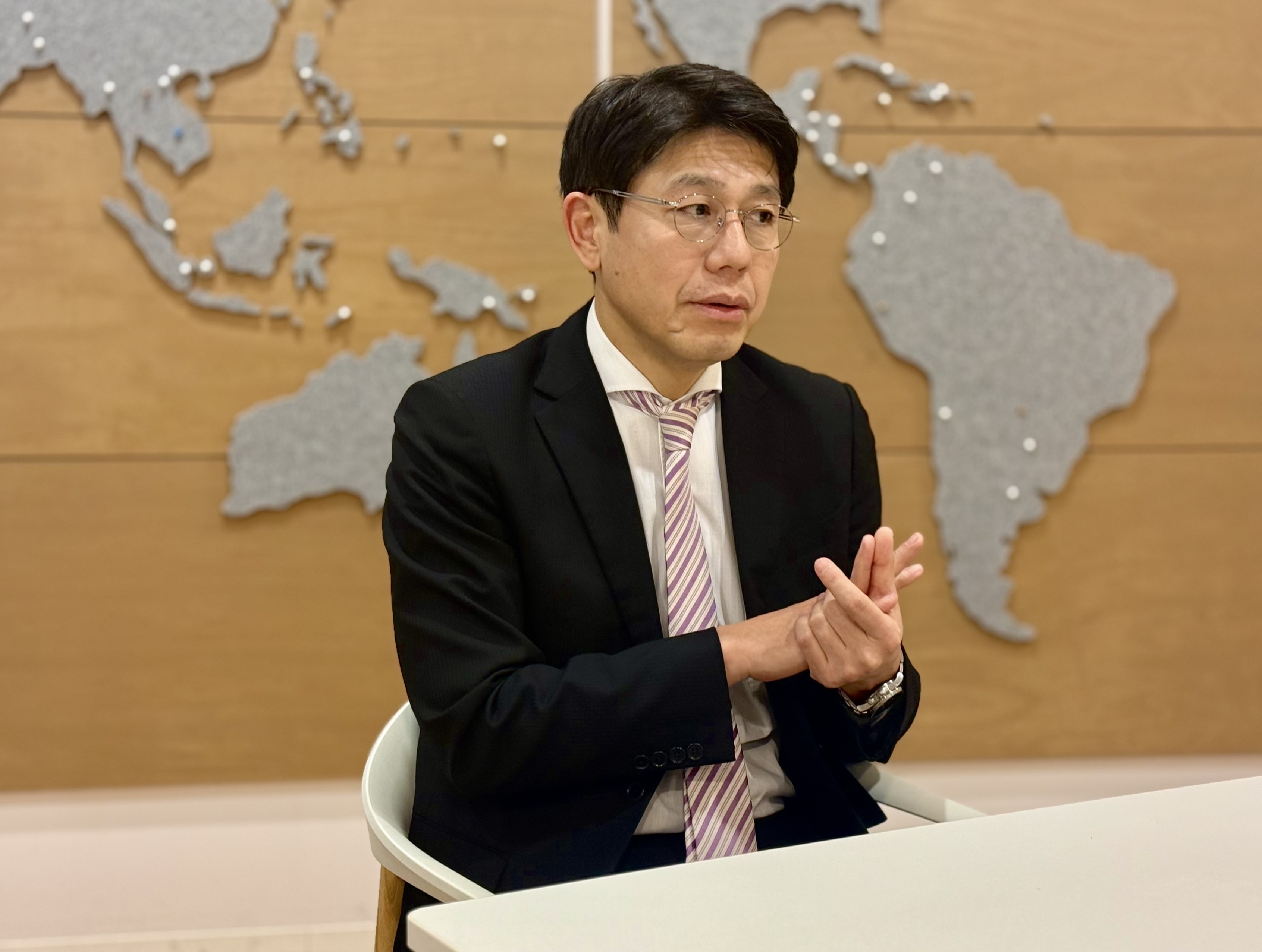
Discussing the significance of Japanese private sector involvement in Ukraine's reconstruction, Tanaka Kotaro, Head of JICA's Office for Ukraine Crisis Response, Recovery and Reconstruction, commented, “Russia's invasion has increased the number of people seeking refuge in other countries, reducing Ukraine's population from 40 million to 30 million. To encourage people who have fled to come back, it is necessary to offer stable jobs and livelihoods. Advances made by Japanese companies into Ukraine create employment opportunities locally.”
Ukraine has made advances on its own in drone technology, digitalization, and other areas. These have the potential to solve social challenges and foster innovation in Japan.
“In the long run, helping Ukraine’s recovery through the expansion of Japanese business there will ultimately breathe new life into Japan’s own economy. It is my hope that many companies will take an active interest in Ukraine,” Tanaka said.