
How agricultural skills learned in Zambia revitalized tea farms in Shizuoka
[Goal 1]No Poverty

[Goal 17] Partnerships for the Goals

2026.03.19







2026.03.19
Kakegawa in Shizuoka Prefecture, is one of Japan’s leading tea-producing regions. While local tea farms have been facing a serious threat to their survival, young people from the Tokyo metropolitan area and travelers from overseas are now visiting the area. Behind this trend lies what one young man learned from agriculture in Zambia.
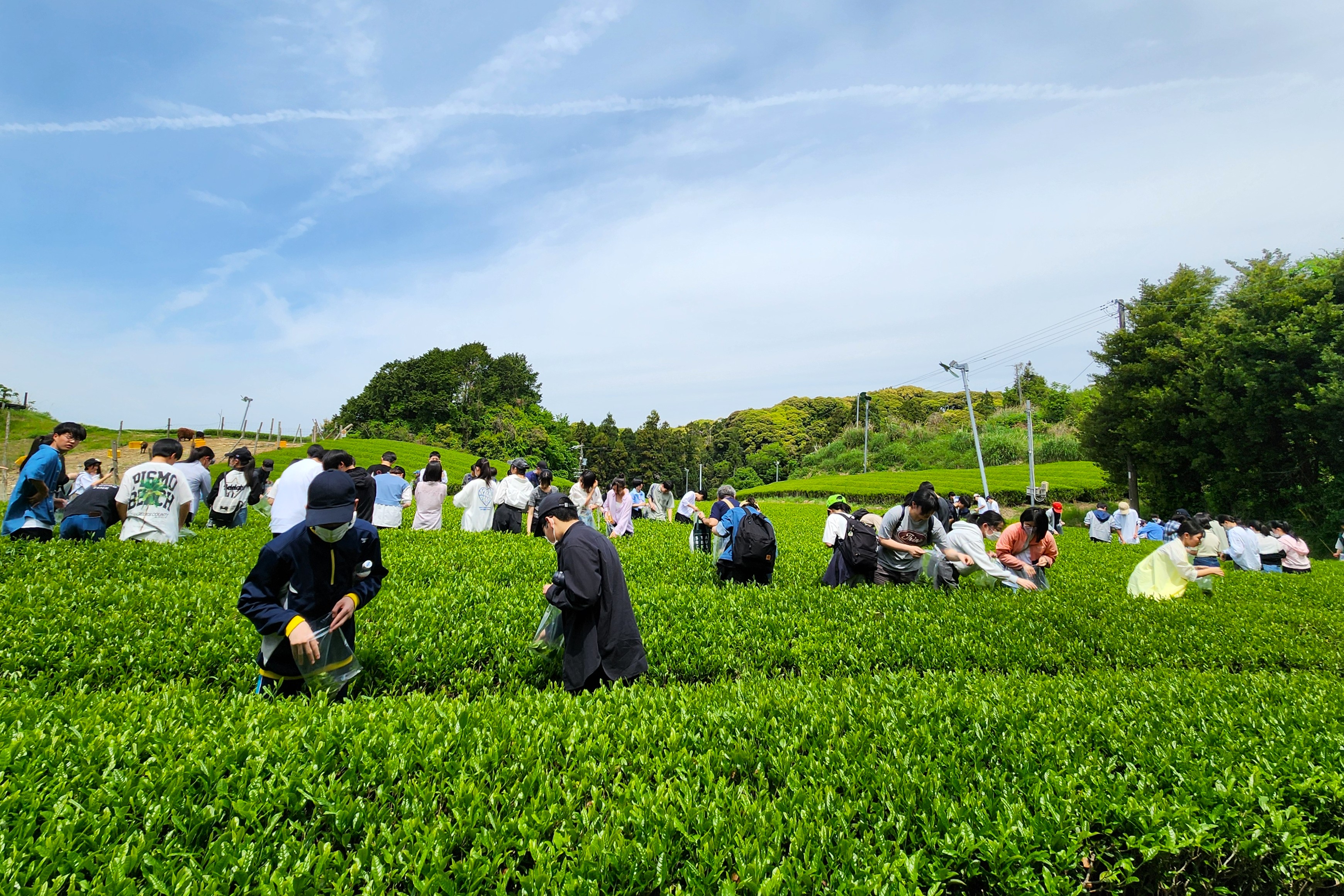
Junior high school students pick tea leaves in the tea fields of Kakegawa. (Image courtesy of Hirano Koshi).
Kakegawa is located roughly in the center of Japan and features a beautiful landscape of tea fields scattered across rolling hills. The city is known for the “Chagusaba” farming method — recognized by the Food and Agriculture Organization of the United Nations (FAO) as a Globally Important Agricultural Heritage System — and is Japan’s leading producer of "fukamushicha," a deep-steamed tea with a rich, full-bodied flavor.
According to statistics from Japan’s Ministry of Agriculture, Forestry and Fisheries, Kakegawa had about 1,400 tea farmers in 2010, but by 2020 the number had dropped to below 550. Hagita Yoshihiro, section chief of the city’s tea promotion division, explains: “As bottled tea became widespread, purchases of loose-leaf tea plummeted and tea prices stagnated. It has become difficult for farmers to make a living from tea alone, and as producers age, the shortage of successors is becoming a serious problem.”
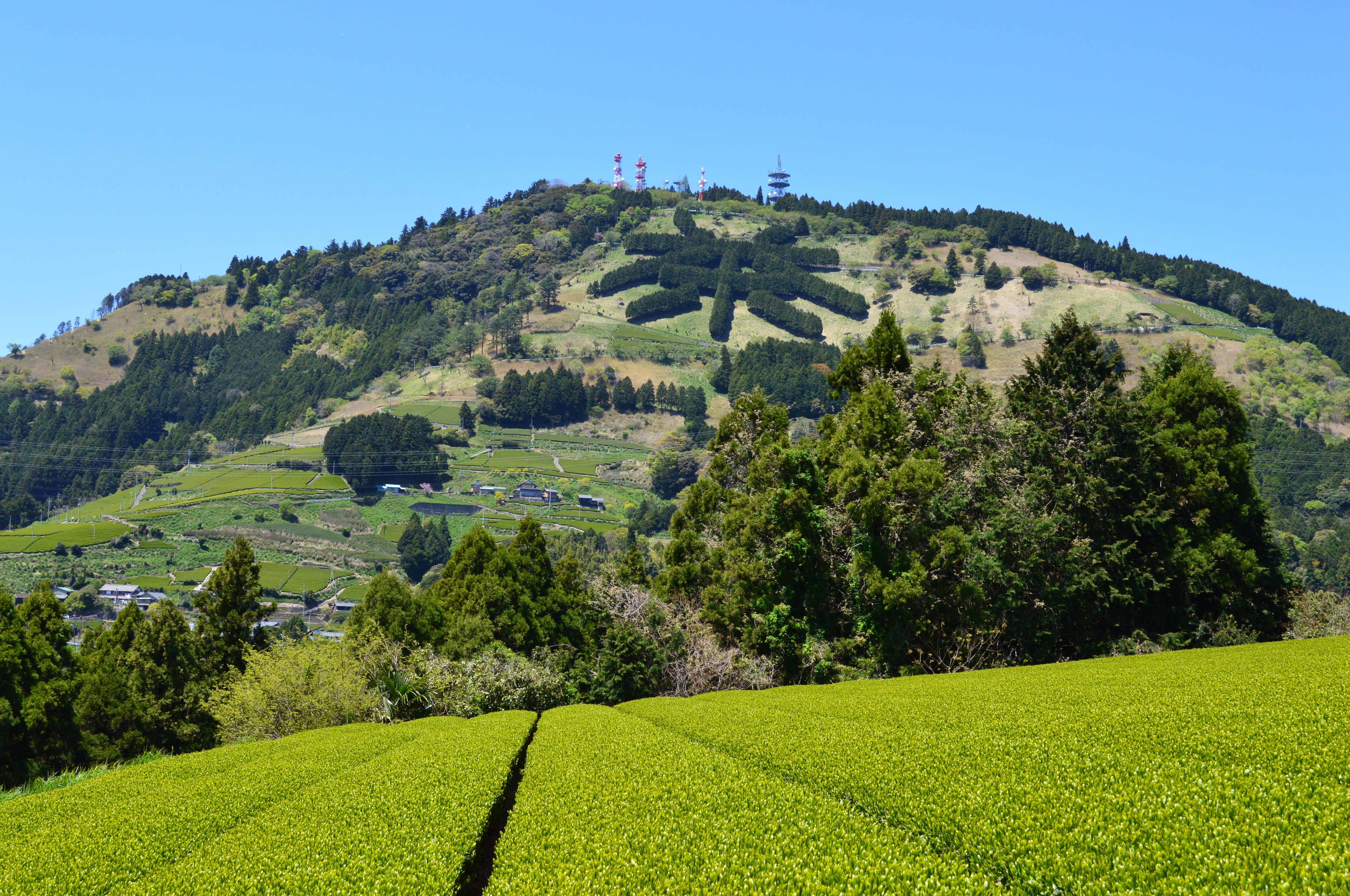
A view of the tea fields in Kakegawa (Image courtesy of the Kakegawa Municipal Government)
In Kakegawa, where the landscape of tea fields is slowly disappearing, a “hands-on farm” initiative is bringing in fresh energy in an effort to reverse that trend.
Under a thick canopy of kiwifruit vines, visitors enjoy all-you-can-eat kiwifruit and barbecues. “Kiwi Fruit Country Japan” grows 85 varieties of kiwifruit over an area roughly three times the size of Tokyo Dome, attracting about 40,000 visitors a year from both Japan and abroad.
A distinctive feature of this farm is its circular agriculture, known as the “Kururin Farming Method.” The peels from the kiwifruit eaten by visitors are used as fertilizer for the fields or as feed for animals. Ash from barbecues helps alkalize the soil, while the smoke acts as a natural pest deterrent.
“We try to help people learn about the SDGs in a relaxed, approachable way,” says the farm’s representative, Hirano Koshi, a former member of the JICA Overseas Cooperation Volunteers.
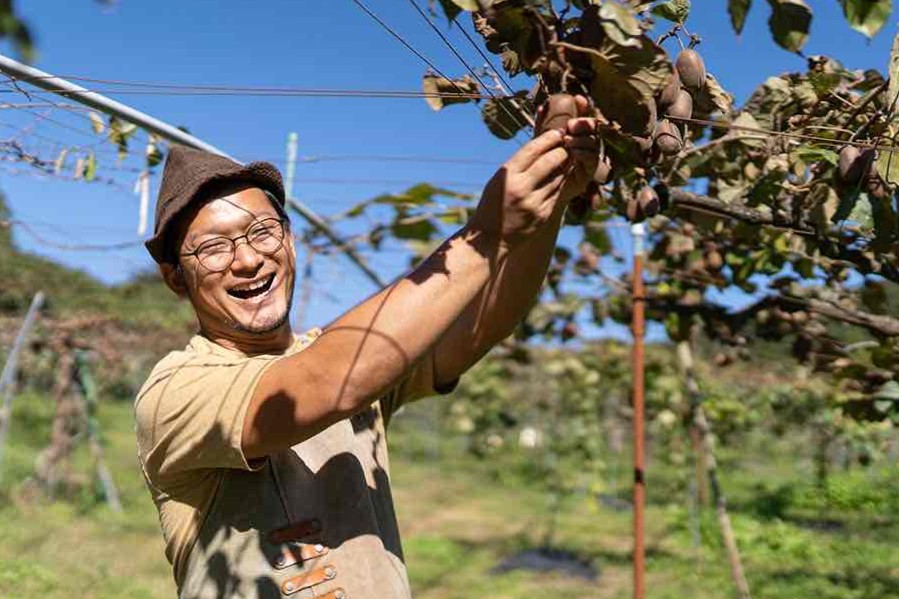
Hirano Koshi harvests kiwifruit on the farm. (Image courtesy of Hirano Koshi).
The farm began with just a teaspoon of kiwifruit seeds that Hirano’s father, Masatoshi, brought back from the United States in 1976. Hirano went on to attend an agricultural high school and later studied agriculture in the United States as well. Yet in his early 20s, he says he “didn’t feel inspired by farming that simply involved planting seedlings and harvesting them.”
As he struggled to find his way forward, he recalled the international trainees who had once worked on the family farm: “We will definitely master Japanese techniques and make use of them in farming back in our home countries.” He says he felt that kind of strong passion from them.
“I want to farm alongside people in developing countries,” Hirano thought. With that resolve, he applied to join the JICA Overseas Cooperation Volunteers in 2012 and was sent to Zambia in southern Africa. The two years he spent there would profoundly change the course of his life.
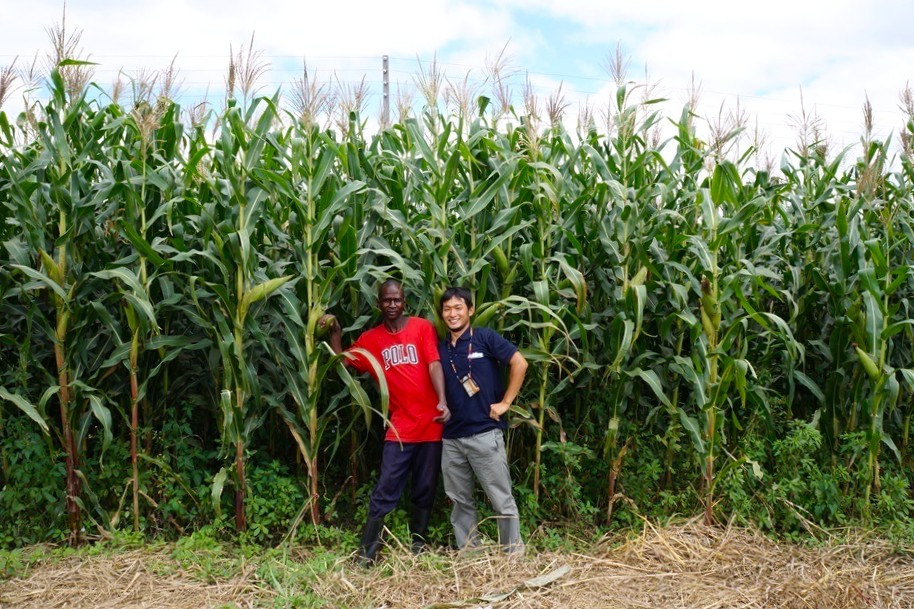
Hirano Koshi (right) stands alongside a farmer in Zambia, where he served as a JICA Overseas Cooperation Volunteer. (Image courtesy of Hirano Koshi)
In the capital city of Lusaka, Hirano worked with international NGOs and the Ministry of Health on initiatives including a tuberculosis eradication project supported by JICA. Although nearly half of Zambia’s working population is engaged in agriculture, incomes were extremely low and awareness of health issues was limited. Hirano was therefore tasked with providing nutrition education through vegetable and fruit cultivation, as well as supporting farmers in increasing their income.
His activities took place in a low-income residential area known as a "compound," using a community center that housed both a clinic and farmland as his base. “I had heard it was a slum, but the security was good, and even though everyone was very poor, they would offer me tea and invite me for meals. They were incredibly kind,” he recalls.
Hirano worked on freshwater fish farming, cost reduction through circular agriculture, and even explored ways to create supplementary income beyond farming — such as sewing classes and parking lot management. However, one day he was deeply shocked by something the farmers said.
“The saddest work, done by the poorest people, is farming.”
For Hirano, who was born and raised in a farming family himself, the words hit close to home.
But then a Zambian doctor responded to the farmers with a different perspective:
“To cure serious illnesses, you need two things: skilled doctors — and good farmers.”
The doctor went on: “When people get sick and come to the clinic, they can receive medicine. But even if they recover, if their daily diet is unbalanced, their immunity will drop and they’ll fall ill again. If farmers grow delicious vegetables and people eat well, that becomes the most effective medicine of all.” Hearing those words, Hirano's chest swelled with emotion.
He made up his mind:
He would return to Japan and become a farmer.
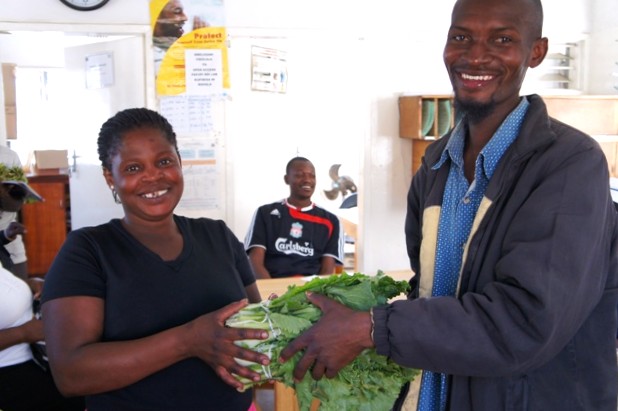
Vegetables are donated a health center in Zambia.(Image courtesy of Hirano Koshi)
After returning to Japan, Hirano took over his family’s kiwifruit farm. When he began thinking about how to pursue a new kind of agriculture, the scenes he had witnessed in Zambia offered a powerful hint.
“Unlike in Japan, people in Zambia used farmland freely. They placed a cross under a big mango tree, and on weekends people gathered there to sing. Some cooked meals or cut hair, children did their homework — the farmland became a place where people came together,” he recalled.
He realized that farmland could be much more than a place to grow crops. Hirano began experimenting with ways to attract people to the kiwifruit orchard — night yoga sessions, music events, weddings, open-air beauty salons.
At the same time, he saw tea fields in Kakegawa turning into abandoned farmland one after another. That was when he came up with the idea of educational trips for high schools and companies. Students from the Tokyo metropolitan area stayed overnight, interviewed tea farmers and others involved in the industry, discussed the challenges facing Kakegawa, and presented proposals to the city and farmers.
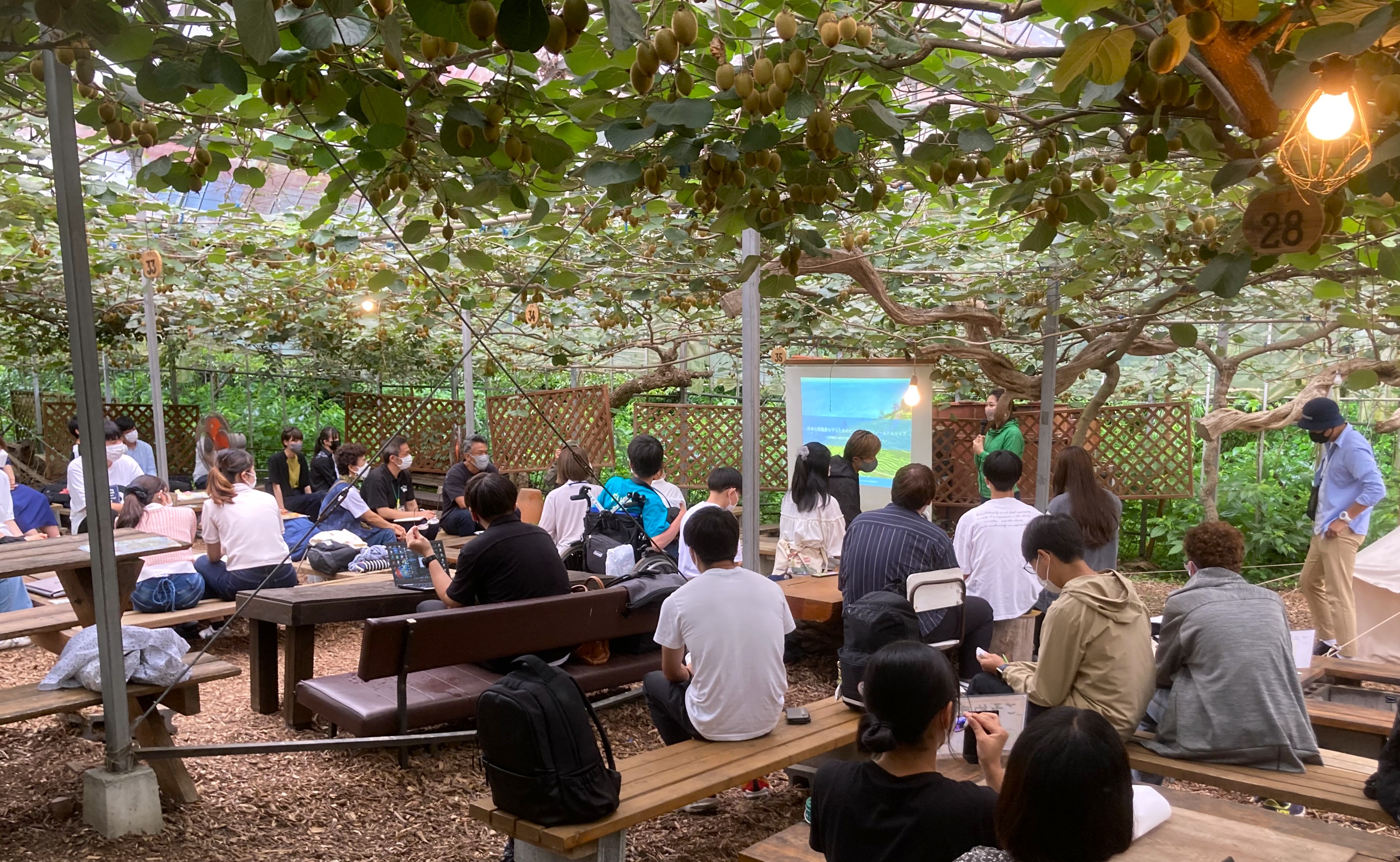
High school students present new ideas after learning from tea farmers. (Photo courtesy of Hirano Koshi)
One of the outcomes of the training program was the creation of a campsite on former abandoned tea fields. The idea began when a group of students watched the sunset there and said, “We want to sleep under the stars here tonight.”
“At first, some worried farmers asked, ‘Will people really come to a campsite in the tea fields?’” Hirano recalls. “But now, campers visit every weekend, and some farmers are working harder to make their tea fields look even better because they can be seen from the campsite.” Visitors from other prefectures now come to observe the project as well, he says.
Some students continue to return after the program — volunteering, helping with tea production, or even working part-time. Mio Daichi, who lives in Tokyo, is one of them. “I only drank bottled tea and didn’t even know how tea was made. But harvesting first-flush tea leaves myself, processing them, and tasting the tea — I was blown away by how good it was,” he says. Mio has since enrolled at Tokyo University of Agriculture and periodically returns to Kakegawa to help with farm work, sometimes staying overnight.
Hirano Shogo, a fifth-generation tea farmer, notes, “More young people and even foreigners are getting involved with the tea fields. What Hirano Koshi is doing isn't just creating products — he's creating experiences. It made me realize this, too, is agriculture. It’s been incredibly inspiring.”
Kakegawa city official Hagita adds: “It’s difficult for farmers alone to maintain the tea fields. We're truly grateful that Mr. Hirano is energizing Kakegawa, drawing on what he learned in Zambia.”
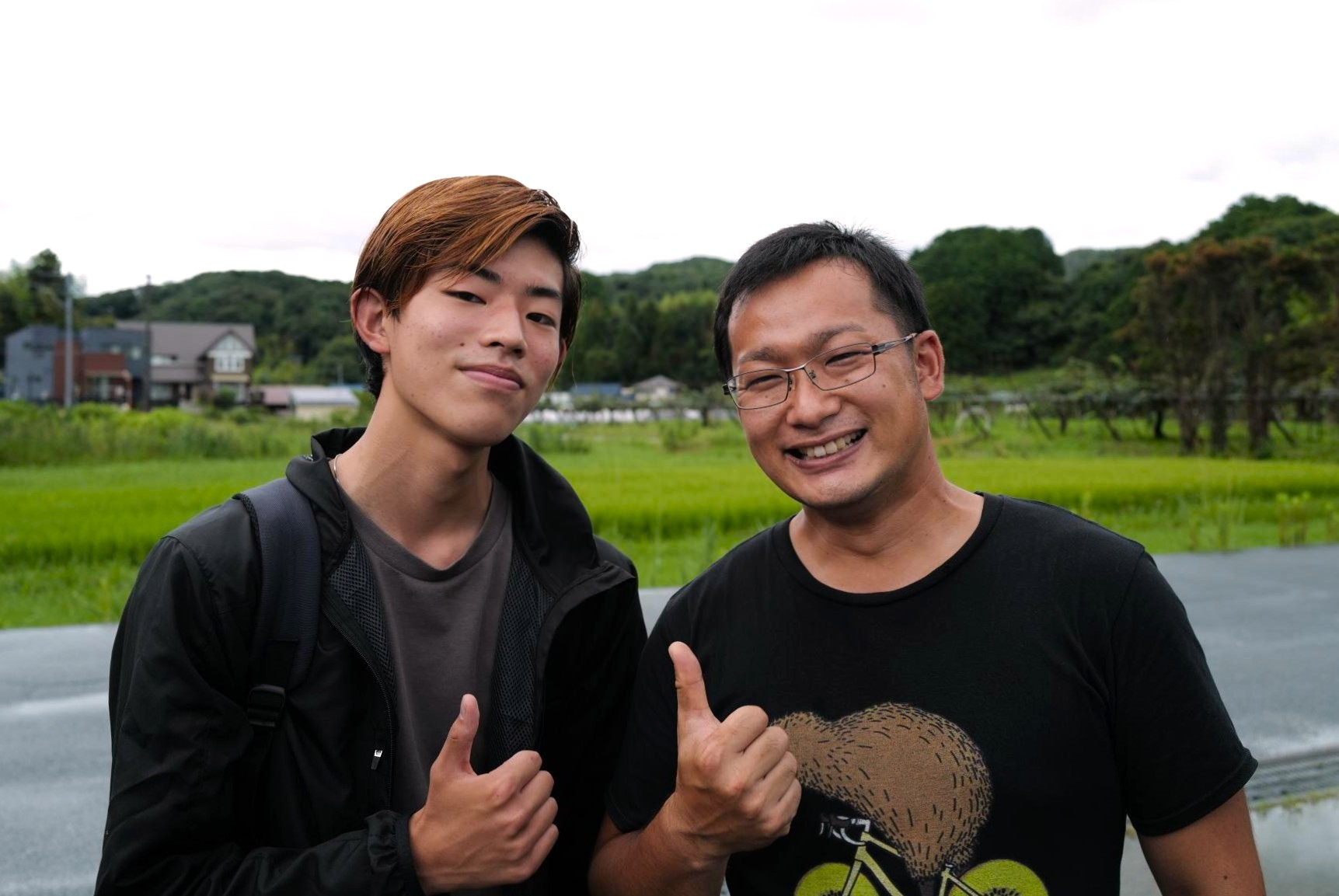
Mio Daichi (left) is pictured alongside Hirano Koshi during a visit to Kakegawa. (Image courtesy of Mio Daichi)
Hirano is now taking on a new challenge — one driven by gratitude.
He wants to give something back to Zambia, the place that inspired so many of the ideas he now applies to agriculture in Kakegawa.
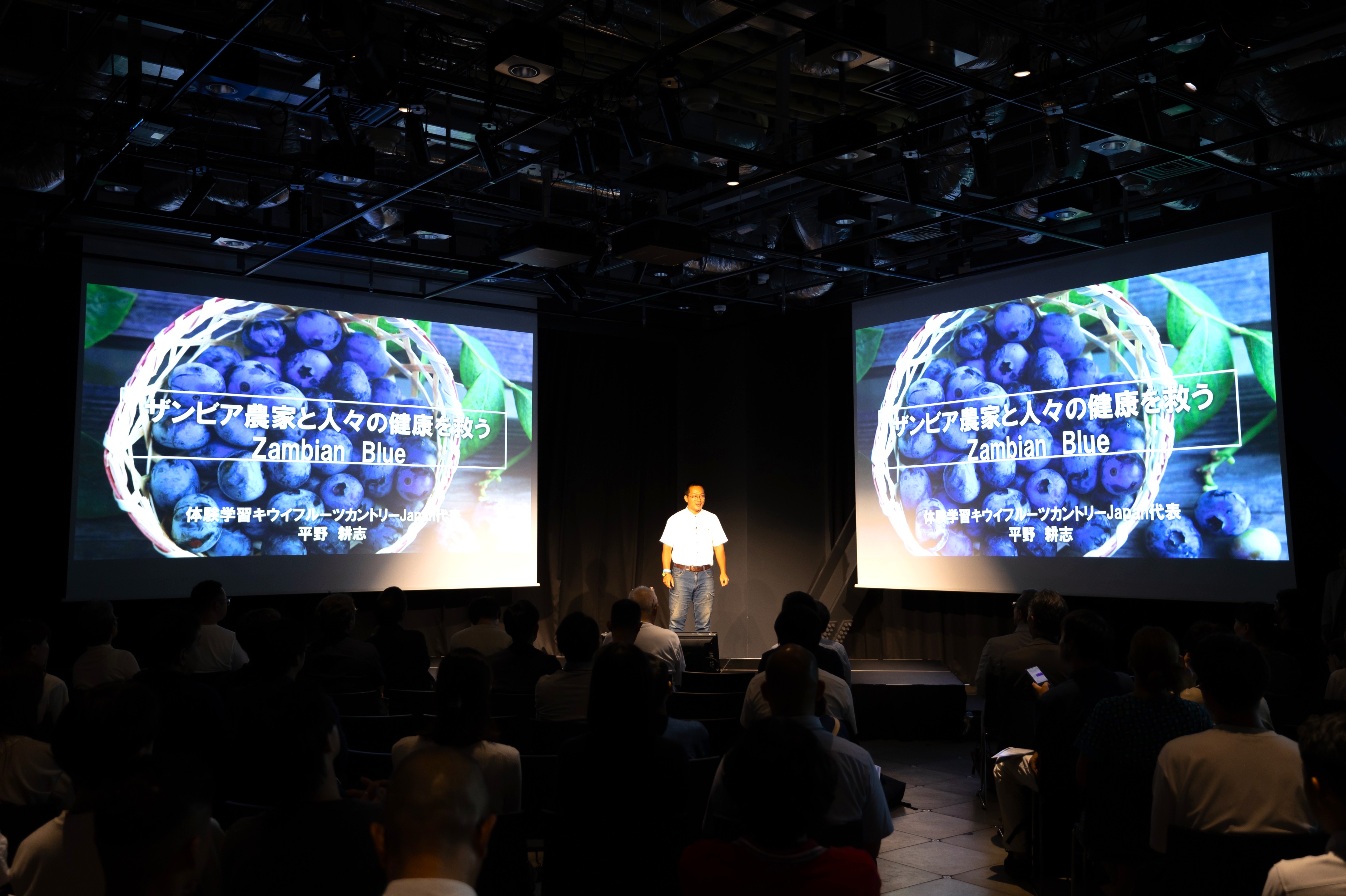
Hirano Koshi gives a presentation at the BLUE pitch event.
(Image courtesy of Hirano Koshi)
In 2024, Hirano learned that JICA had launched “BLUE,” a program to support business ventures by returned volunteers. Feeling he had unfinished business from his efforts to improve farmers’ incomes in Zambia, he applied without hesitation.
After completing the three-month program, he launched a new initiative: "a blueberry business to increase the incomes of small-scale farmers in Zambia." Blueberries are rich in nutrients, fetch high prices among wealthier consumers, and are easy to grow even on small plots of land. With cooperation from the Ministry of Agriculture, pilot cultivation began in February 2025. Hirano now spends his days traveling back and forth between Zambia and Kakegawa.
Having discovered a new version of himself in Zambia, Hirano reflects, “I’m fortunate to have been born in Japan, where opportunities like the JICA Volunteer Program exist. I want to help boost agriculture in Africa and Japan together.”
Giving farmers more pride — this idea, which sprouted from international cooperation, is now crossing borders, connecting people, and continuing to spread.
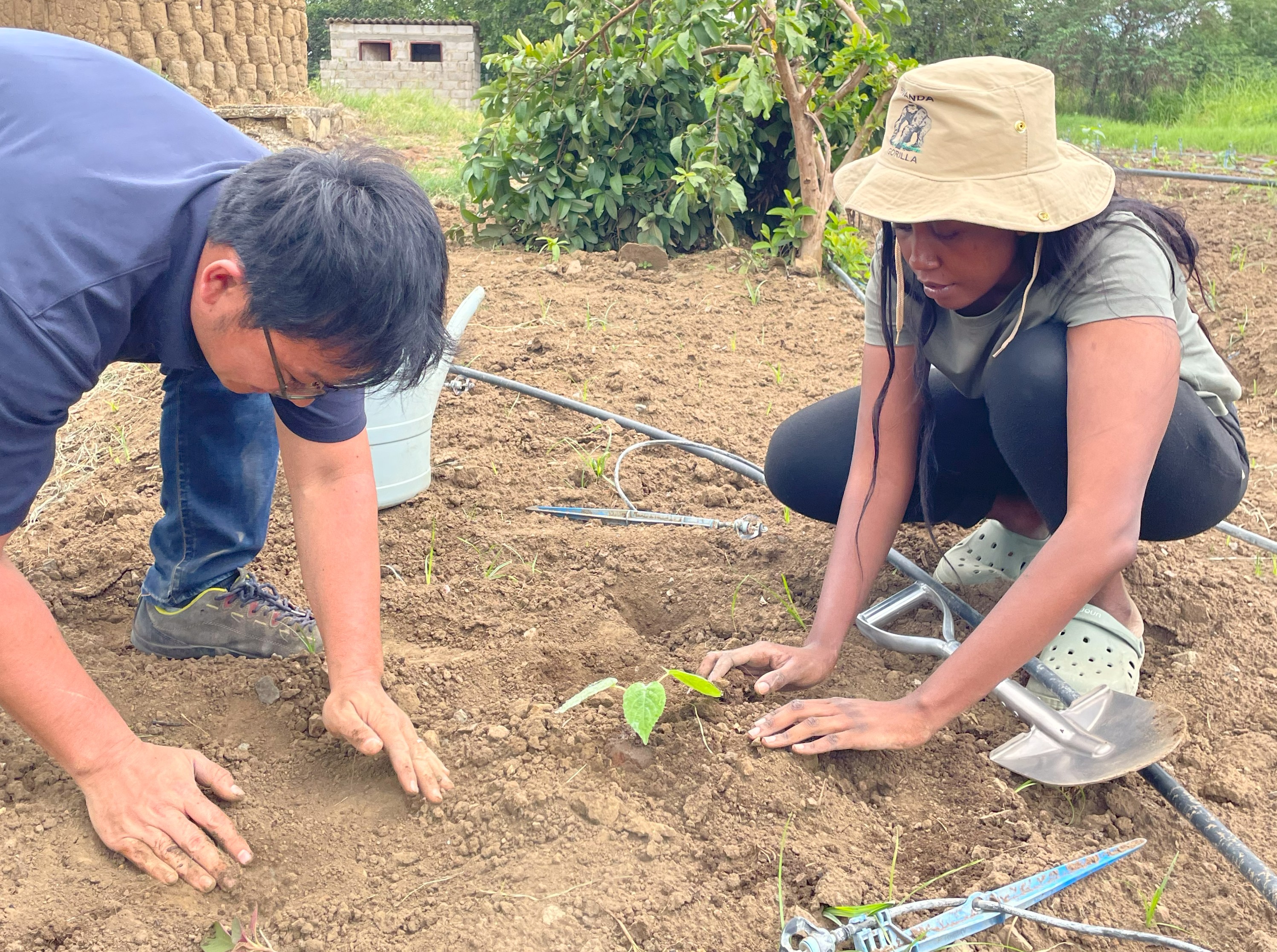
Hirano Koshi (left) provides guidance on fruit cultivation during a visit to Zambia. (Image courtesy of Hirano Koshi)
Sns share!


