
Seismic isolation and ‘Build Back Better’: Bringing Japan’s architectural technology and ideas to the world through ODA
[Goal 11] Sustainable Cities and Communities
2026.05.12







2026.05.12
JICA’s international cooperation activities bring together experts from diverse fields, both within and beyond the organization, all driven by a strong sense of purpose. The series “People tackling global challenges” highlights their stories, exploring their journeys and aspirations for the future.
This time, we spoke with Wong Kuok Hung, senior advisor of the Architecture Department at Oriental Consultants Global Co., Ltd. (OC Global), who has been involved in numerous projects in the field of building technology under Japan’s Official Development Assistance (ODA).
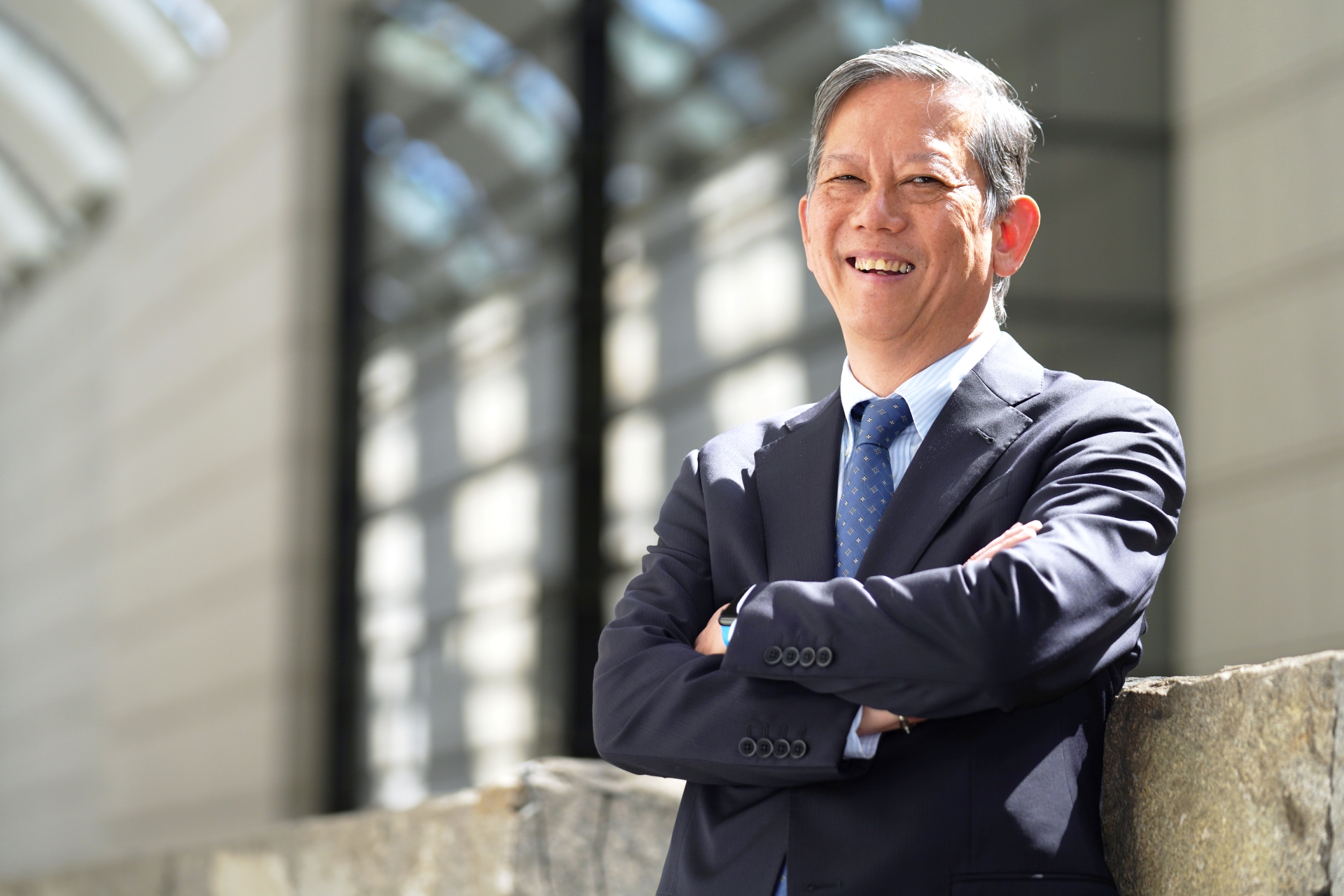
Wong Kuok Hung
“I believe it is highly meaningful for Japan to be recognized around the world through ODA projects. On the ground, people of different nationalities come together and work as one toward Japan’s international cooperation goals.”
Wong Kuok Hung is an architectural engineer from Malaysia. Drawing on the architectural expertise he acquired in Japan and his proficiency in five languages, he has been engaged in Japanese ODA projects that contribute to global peace, stability, and prosperity.
Over the past 35 years, Wong has collaborated with JICA on projects in eight countries, including Indonesia, Nepal, and Bangladesh. Throughout his career, he has always kept one key principle in mind.
“One challenge is not only to construct buildings, but also to incorporate Japan’s unique technologies and ideas. This serves as clear evidence of Japan’s contribution to partner countries while also creating opportunities to showcase Japanese technology to the world,” Wong says.
Another major challenge in developing countries is ensuring that Japan’s rigorous approaches to safety management and schedule control are properly understood and adopted.Wong works closely with local staff in each country, contributing to greater awareness of risk management.
Wong came to Japan in 1983. “At that time, the U.K. and Australia were the most common destinations for Malaysian students. However, in 1981, then Prime Minister Mahathir Mohamad proposed the ‘Look East Policy,’ which opened the path to studying in Japan. I was the first person from my village to study in Japan,” Wong says.
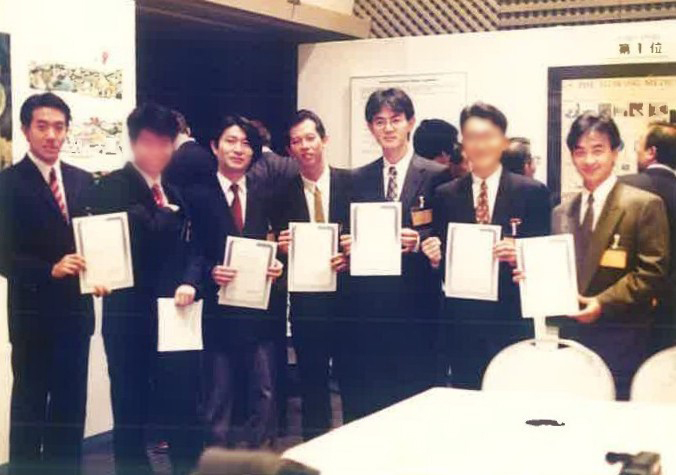
Wong Kuok Hung (fourth from left), during his first year as a graduate student at Waseda University, won first prize in an international design competition, alongside colleagues from his research laboratory. (Image courtesy of Wong Kuok Hung)
In 1991, Wong completed his graduate studies in Science and Engineering at Waseda University and joined the predecessor of OC Global. He was assigned to the newly established Architecture Department, where his involvement in ODA projects began.
“At that time, the company had no prior experience with ODA projects in architecture. Every day was both a learning experience and a challenge,” Wong says. “Although I hadn’t planned to work in Japan long-term, I began to find great fulfillment in working on a global stage.”
The development of a university in Indonesia marked Wong’s first major project. Fluent in Indonesian, he served as a vital liaison in communications with local stakeholders. Over the next 18 years, his expertise led to his involvement in projects at four additional universities across the country.
“In higher education projects, the priority is to envision the partner country’s future collaboratively and reflect that vision in the design,” Wong says. “For example, since universities in Indonesia initially lacked research laboratories, we introduced individual laboratories for each professor, mirroring the Japanese model, and provided the essential equipment and materials to foster a focused research environment.”
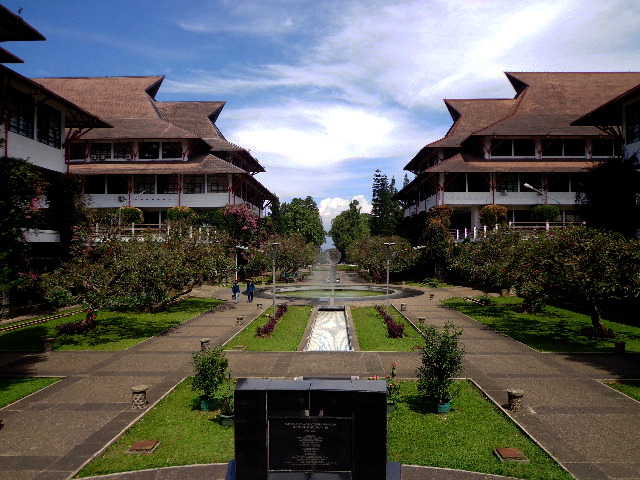
Wong Kuok Hung played a pivotal role in the development of Bandung Institute of Technology in Indonesia, shown here, which was completed in 1995. He was involved in the integrated planning, architectural design, and construction supervision of the project.
(Image courtesy of OC Global)
During the feasibility study for the University of Indonesia Teaching Hospital, Rumah Sakit Universitas Indonesia (RSUI), which began in 2008, Wong proposed introducing seismic isolation technology at the project's preparatory stage. “In Japan, seismic isolation systems were adopted in hospitals and public facilities following the Great Hanshin-Awaji Earthquake (in 1995). Indonesia is also an earthquake-prone country, and I believed the technology was essential,” Wong explains.
However, cost posed a major challenge. In yen loan projects, partner countries borrow funds from Japan and repay them later, meaning that higher costs directly increase the financial burden. By carefully explaining the benefits and necessity of seismic isolation technology to government officials and university representatives, Wong helped them recognize its importance. As a result, the decision was made to introduce the technology, and the hospital became the first in Indonesia to adopt a seismic isolation structure.
Following that success, an even more ambitious project emerged: rebuilding elementary and junior high schools in the wake of the devastating April 2015 earthquake in Nepal. The disaster left approximately 9,100 schools severely damaged and over 31,000 classrooms destroyed, effectively displacing nearly 1 million children from their learning environments.
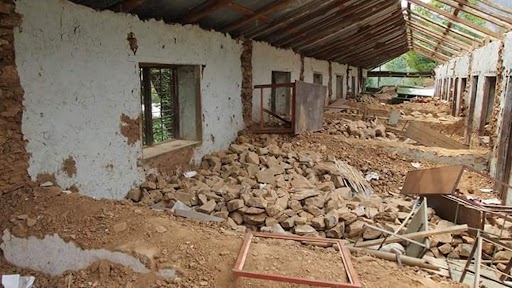
Kalidevi Secondary School is seen collapsed after the Nepal earthquake. (Image courtesy of OC Global)
When Wong took on the role of project manager for school reconstruction, he proposed adopting the concept of “Build Back Better” to the Nepali side in collaboration with JICA. This idea gained international recognition at the third United Nations World Conference on Disaster Risk Reduction, held in Sendai, Miyagi Prefecture, in 2015, following the Great East Japan Earthquake. Rather than simply restoring what was lost, “Build Back Better” emphasizes rebuilding stronger and more resilient communities in preparation for future disasters.
The JICA project covered a total of 274 schools. To assess the damage, Wong visited each one. Many were located in mountainous areas with poor road access. “I visited every site to assess the damage, but transporting construction materials was extremely challenging,” Wong recalls.
One of the reasons for the extensive damage was the structural fragility of the original school buildings, which were constructed with bamboo and mud walls. Hence, the new school buildings were designed as earthquake-resistant reinforced concrete structures.
However, as Wong spoke with teachers and children, it became clear that the challenges extended beyond seismic safety alone. A chronic shortage of classrooms meant that there were fewer rooms than grade levels, and many children were unable to attend lessons and spent their school hours playing outside instead. There were no science rooms, and no libraries. Some children had to study outside or read books on the stairways.
“I initially explained to the Ministry of Education of Nepal that in Japan, each grade is assigned its own classroom, and schools are standardly equipped with specialized science rooms and libraries. Although they understood the concept in theory, they remained hesitant, citing constraints like ‘The sites are too small’ or ‘We don’t require that many classrooms.’ Bridging this conceptual gap required a great deal of time and persistence,” Wong says.
A particularly serious issue was gender inequality. “In most schools, the toilets were shared by boys and girls. I was shocked to learn that as a result, many girls avoided using them, skipped school, or stayed home during menstruation,” Wong says.
Furthermore, the lack of barrier-free accessibility at schools for children with disabilities was also a major concern. By emphasizing the critical importance of features like tactile paving and handrails, Wong ensured these elements were fully integrated into the school designs.
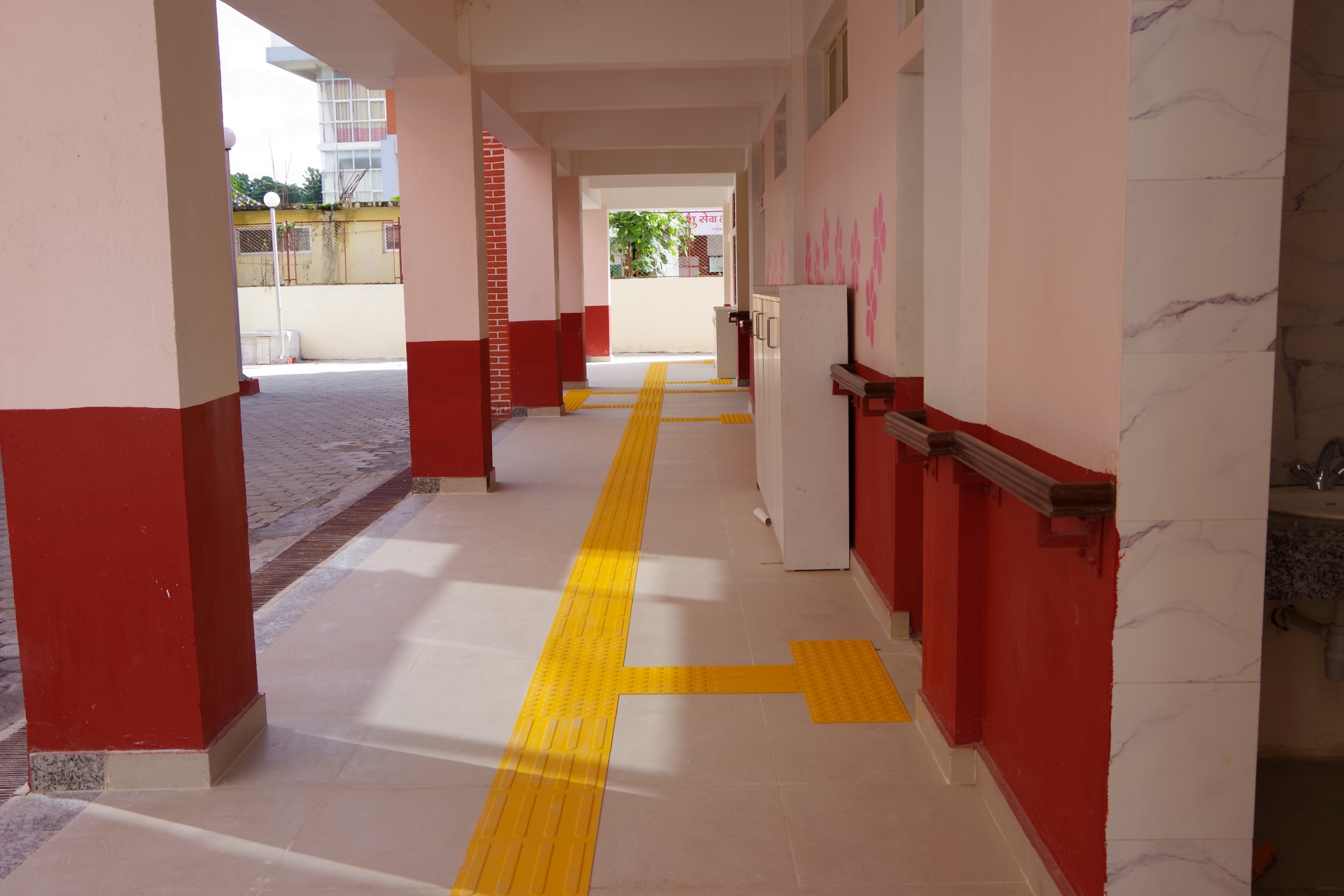
A corridor in the dedicated building for visually impaired students at Namuna Mahindra Secondary School, featuring newly installed tactile paving.
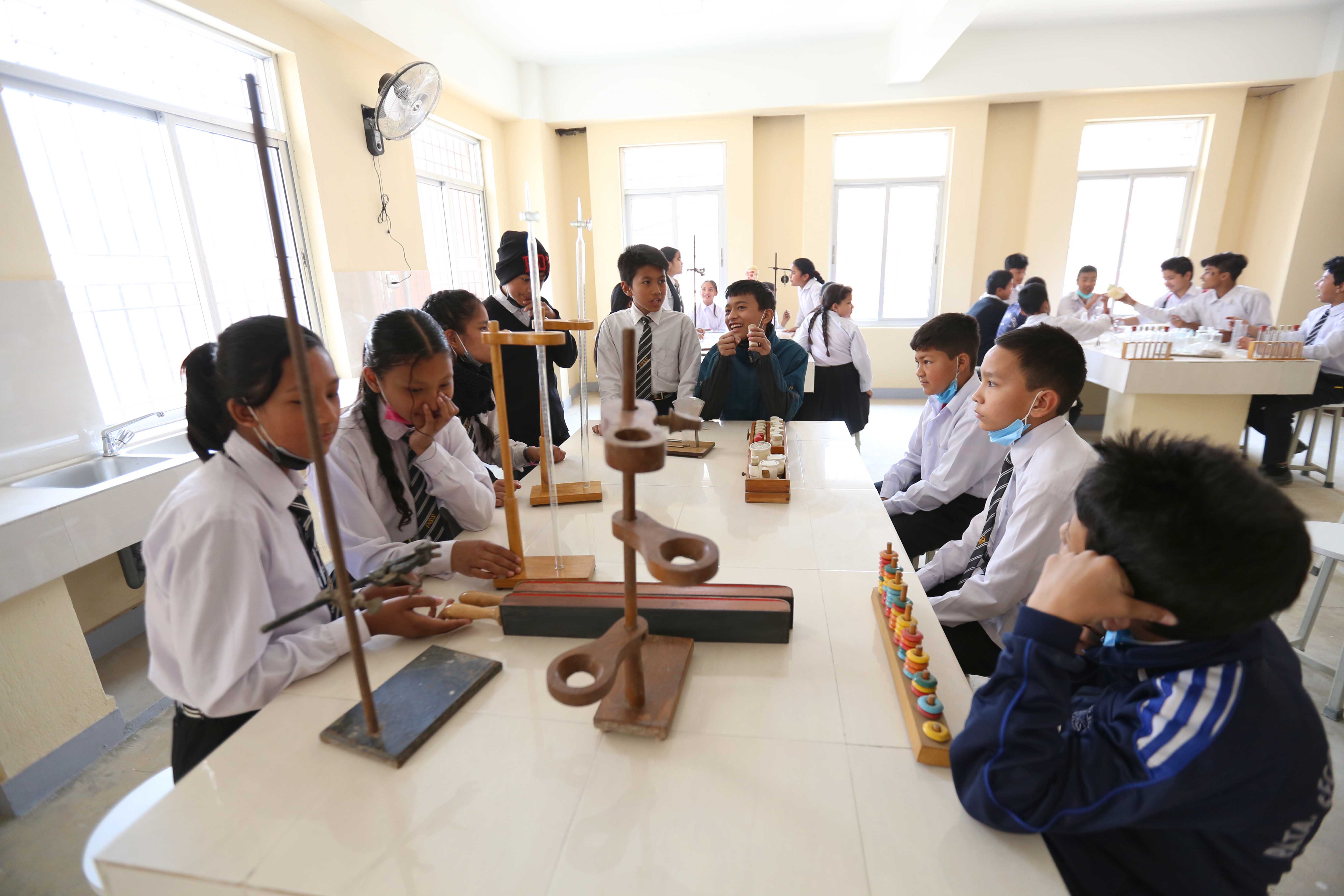
Students engage in a lesson within a newly built science laboratory at Patan Secondary School. These improvements enhanced both safety and the quality of education, based on proposals made by Wong. (Image courtesy of OC Global)
There was no time to create separate blueprints for each of the 274 schools. To address this, the team introduced a “type design” system. They categorized conditions such as the number of floors, the number of students, and the school’s location into patterns, resulting in a system with 188 design variations. This approach significantly reduced construction time and costs, allowing students to move into new classrooms more quickly.
Construction began in January 2017. Despite a formidable schedule that saw 150 schools being built simultaneously at the project’s peak, the work was completed in May 2023. When Wong attended the handover ceremonies, he was deeply moved by the heartfelt expressions of gratitude from students and teachers alike.
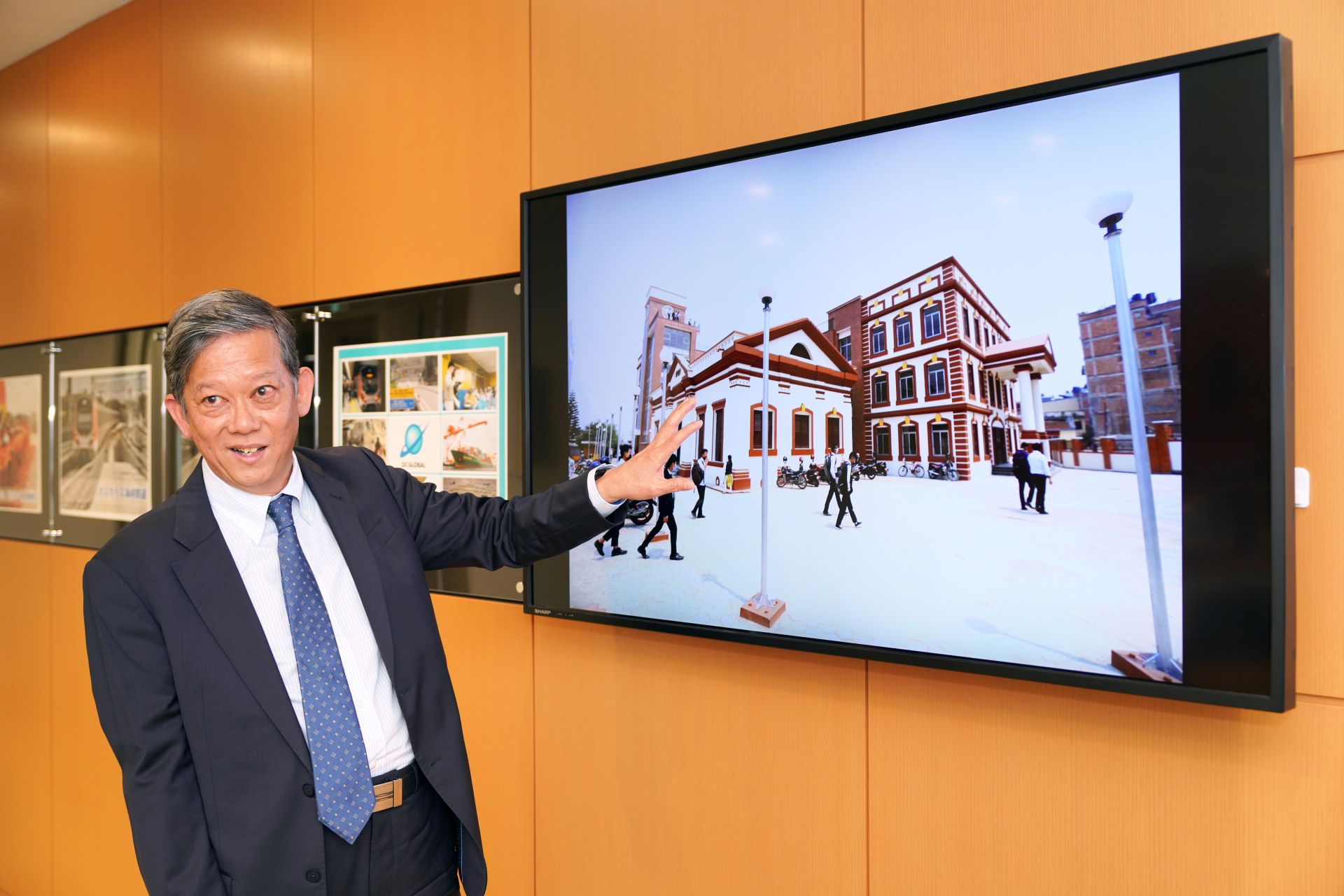
At OC Global’s Tokyo headquarters, Wong Kuok Hung reviews photographs of the reconstructed Patan Secondary School. He explains that the school’s exterior design seamlessly integrates Nepal’s traditional architectural heritage with state-of-the-art design technologies.
“The most common feedback I heard from girls was, ‘Now I can use the restroom without worry.’ I was truly glad to learn that girls’ attendance had increased and dropout rates had declined. I also heard students say, ‘Now that we have a library, we have more time to read books,’” Wong recalls.
At the handover ceremonies, Wong always shared a specific message with the students: “Please continue to use this school not only for yourselves, but also for your children and even your grandchildren.”
“Through the Japanese government’s support for reconstruction, many children learned about Japan for the first time and developed a positive impression of the country. I believe that as they grow up to become bridges between Japan and Nepal, this will be a lasting asset for Japan as well,” Wong says.
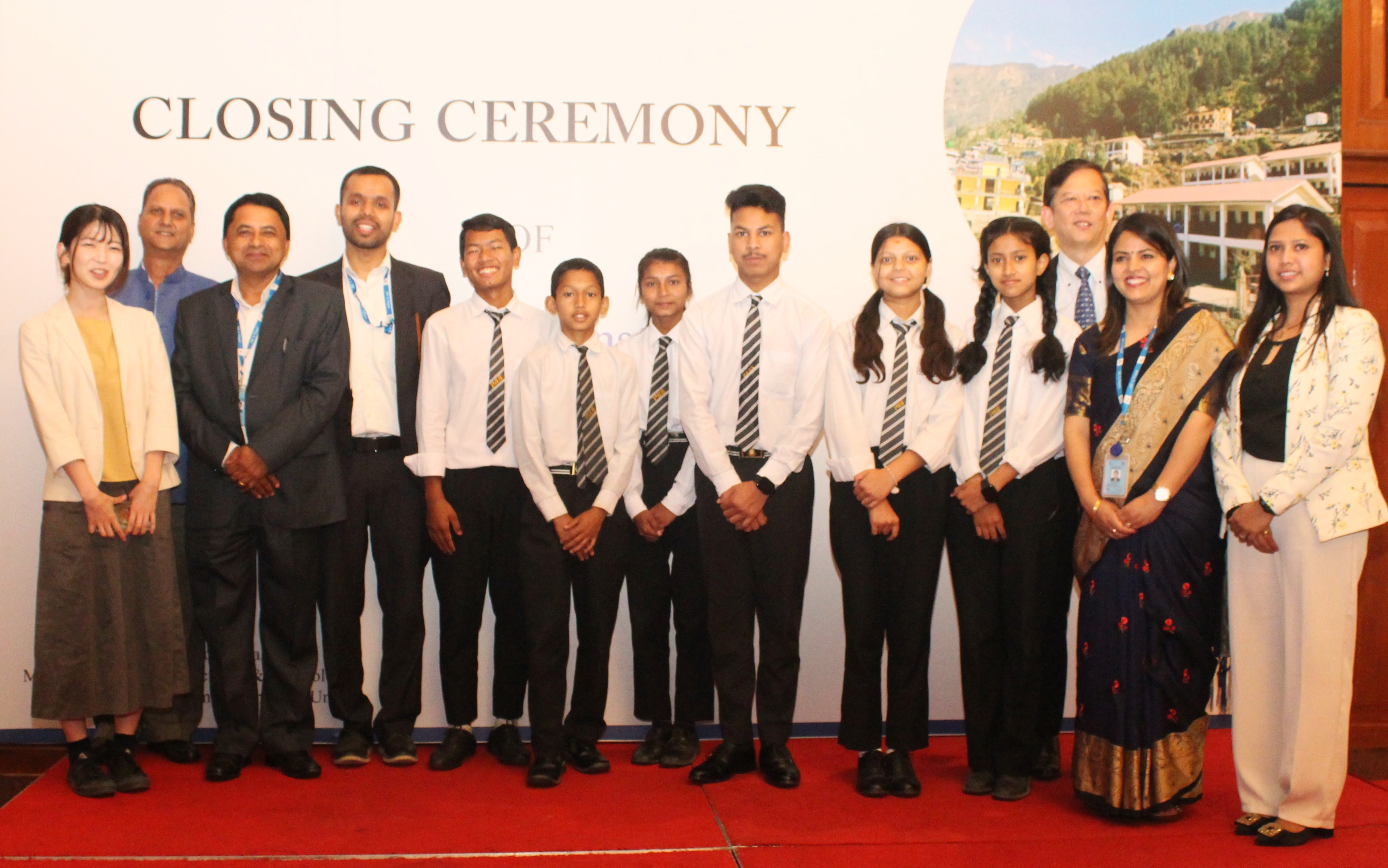
Wong Kuok Hung (third from right) joins students for a commemorative photo during the closing ceremony of the Emergency School Reconstruction Project in Nepal, held in Kathmandu in May 2023. (Image courtesy of OC Global)
Currently, Wong is involved in the construction of diagnostic imaging buildings at core hospitals within seven divisions across Bangladesh. These facilities integrate advanced Japanese medical equipment such as CT scanners and MRI systems, allowing patients to receive comprehensive health checkups in a single location. The hospital designs also reflect Japanese spatial design, with careful attention paid to the work of medical staff and movement of patients.
“During the reconstruction work in Nepal, I sometimes had to cross rivers and climb mountains just to reach remote schools in the hills,” Wong recalls. “Through Japan’s ODA, local communities can improve their quality of life. In particular, improving the educational environment for children, who carry the future of a country, is extremely meaningful work. No matter how great the difficulties, if you imagine what lies beyond them, you can overcome any hardship.
Reflecting on these frontline experiences, Wong repeatedly emphasizes the sense of “fulfillment” his work brings. With over 35 years of experience, he continues to take on new challenges as a global professional, helping connect the world through Japan’s expertise.
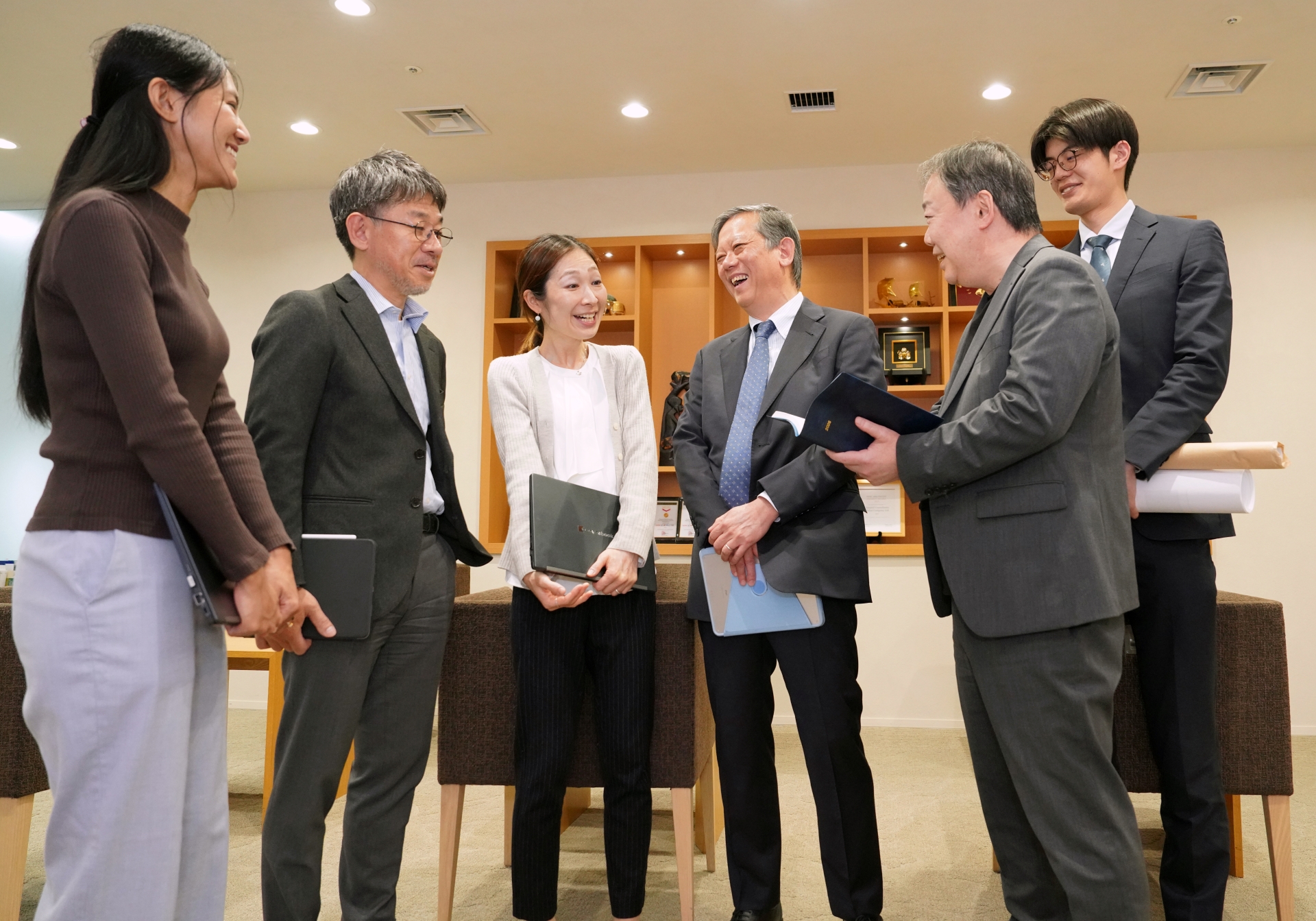
Wong Kuok Hung (fourth from left), who spends approximately 80 percent of the year working abroad, is pictured here with colleagues at OC Global’s Tokyo headquarters. This rare moment came during one of his brief return visits to Japan. His coworkers — representing a diverse range of nationalities and specialties — are key partners in the firm’s mission to contribute to global development.
WONG Kuok Hung
Born in 1963 in Sarawak, Malaysia, Wong Kuok Hung moved to Japan in 1983 to study architecture at Waseda University’s School of Science and Engineering. After earning his graduate degree at Waseda University, Wong joined Pacific Consultants International Inc. (now Oriental Consultants Global) in 1991. Following successful tenures as manager of the Architecture Department and executive officer and director of the Infrastructure & Industrial Development Division, Wong was appointed senior advisor of the Architecture Department in 2025. As a specialized development consultant, Wong has extensive experience in architectural planning, design, construction supervision, and comprehensive project management.
Oriental Consultants Global Co., Ltd.
Established in 2014, Oriental Consultants Global (OC Global) is headquartered in Tokyo and has subsidiaries in 10 countries overseas. The company employs approximately 1,500 people worldwide. It has carried out infrastructure projects in more than 150 countries and regions, including ODA programs in cooperation with JICA. It provides comprehensive services spanning the entire project cycle, from initial social infrastructure surveys to planning, design, construction supervision, maintenance, project management, and business operations. Building on its extensive experience and global network, OC Global works hand in hand with communities around the world to contribute to the realization of truly prosperous lives. In pursuit of a strong global corporate structure, the company actively promotes the recruitment of multinational talent.
Sns share!


