

Strengthening Global Research Ties Through Dialogue: G-CUBE Students Visit the JICA Ogata Research Institute
2026.04.24





Updates from JICA Ogata Research Institute on the latest events, publications and more.
RegistrationHow to Find Us


On Mar. 10, 2026 the JICA Ogata Sadako Research Institute for Peace and Development (JICA Ogata Research Institute) welcomed eleven doctoral students from the Global Governance Program (G-CUBE) of the National Graduate Institute for Policy Studies (GRIPS), along with their academic supervisors, under a collaborative agreement with GRIPS.
The visit was part of the JICA Development Studies Program (JICA-DSP), which brings future leaders from partner countries to Japan to learn from the country’s experience of modernization and development, as well as its role as a post-war donor country. During the visit, researchers from the Institute and students from seven countries exchanged views on their research interests and explored opportunities for future collaboration.
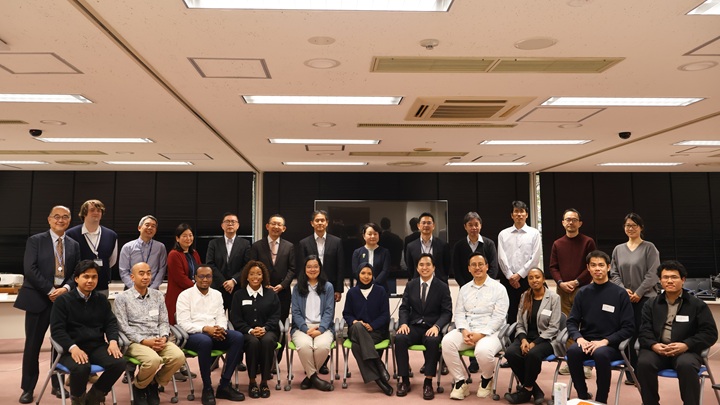
Participants from the JICA Ogata Research Institute and eleven doctoral students from the GRIPS Global Governance Program pose for a group photo.
Director General Kamei Haruko opened the session with an overview of the Institute’s activities , and the concept of human security—championed by Ogata Sadako and serving as a guiding principle of Japan’s development cooperation. Executive Director Mine Yoichi followed, highlighting the relevance of human security in today’s interconnected world. He emphasized that the ultimate responsibility of any government is to safeguard people’s security—underscoring the importance of integrating human security into all research endeavors. The heads of the Institute’s research clusters then introduced their respective research activities.
Each visiting student presented their ongoing research, covering topics such as health equity in post-pandemic Indonesia, how Malawi’s strategic blackouts influence political trust, and the impact of Indonesia’s stunting prevention strategy.
Based on their research interests, the eleven students were divided into groups for breakout discussions. During the 'Economic Growth and Poverty Reduction' breakout discussion for example, that group touched on the topics of 'Road Connectivity and Structural Transformation in Tanzania' and index insurance. Feedback from the students indicated a desire for continued collaboration when research interests align, as well as more opportunities for input to help shape their research ideas. This visit is expected to further strengthen their cooperative relationship with the Institute after returning home, particularly in areas such as data development and joint research.
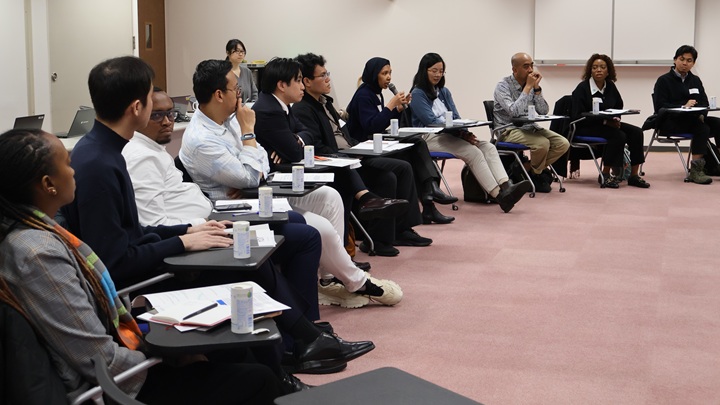
Participants exchanged views on their research activities and explored possibilities for future collaboration.
Sns share!



事業事前評価表(地球規模課題対応国際科学技術協力(SATREPS)).国際協力機構 地球環境部 . 防災第一チーム. 1.案件名.国 名: フィリピン共和国.
事業事前評価表(地球規模課題対応国際科学技術協力(SATREPS)).国際協力機構 地球環境部 . 防災第一チーム. 1.案件名.国 名: フィリピン共和国.
事業事前評価表(地球規模課題対応国際科学技術協力(SATREPS)).国際協力機構 地球環境部 . 防災第一チーム. 1.案件名.国 名: フィリピン共和国.
事業事前評価表(地球規模課題対応国際科学技術協力(SATREPS)).国際協力機構 地球環境部 . 防災第一チーム. 1.案件名.国 名: フィリピン共和国.
事業事前評価表(地球規模課題対応国際科学技術協力(SATREPS)).国際協力機構 地球環境部 . 防災第一チーム. 1.案件名.国 名: フィリピン共和国.


