
On the journey to deliver healthcare
[Goal 3] Good Health and Well-Being
2025.12.08





2025.12.08
Hello, I’m Okada, a JICA nurse volunteer. Currently, I support antenatal and newborn checkups at outpatient clinics and also participate in outreach activities for mass immunization in schools and villages.
Have you ever heard of a disease called polio? Polio, or acute poliomyelitis, is an infectious disease for which vaccination is also provided in Japan. However, when I worked as a nurse in Japan, I thought of polio as a disease that only existed overseas and never considered it something close to home.
In Japan, it is easy to receive various vaccinations at hospitals, but in Papua New Guinea (PNG), this is not the case. Many local people cannot visit hospitals/clinics due to a lack of transportation or the inability to pay medical fees. In addition, because of the hot and humid climate, many people live wearing sandals or barefoot, which leaves their skin exposed and makes small injuries common. These minor wounds can become entry points for infections, sometimes leading to severe illness.
Polio spreads through hands, water, or food contaminated by the feces of infected individuals. It begins with mild symptoms such as fever and headache, but in severe cases, it can cause paralysis of the limbs and, in some instances, lead to death.
In Papua New Guinea (PNG), where I am currently working, routine immunization coverage is low. As a result of that, polio cases reappeared in 2025 even though it had been eradicated since 2018. Therefore, PNG National Department of Health is conducting the “National Polio Campaign” at health centers and hospitals, visiting schools and villages for mass vaccinations and awareness activities. The Maternal and Child Health (MCH) team of the hospital, where I work at is responsible for 32 schools in Kokopo and surrounding villages during this campaign.
Polio vaccines provide stronger immunity with booster shots. The target group includes all children from 3 months to 10 years old.
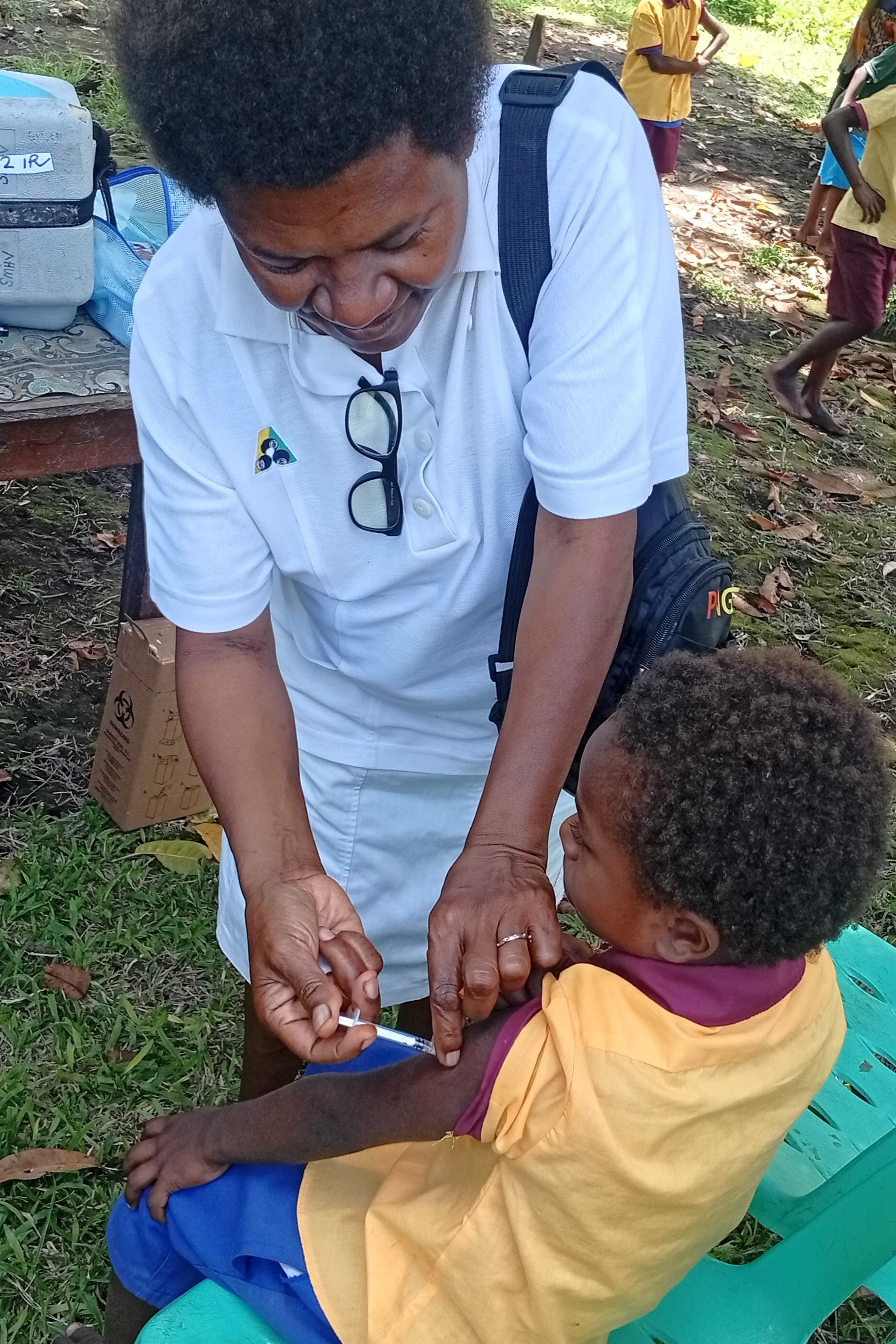
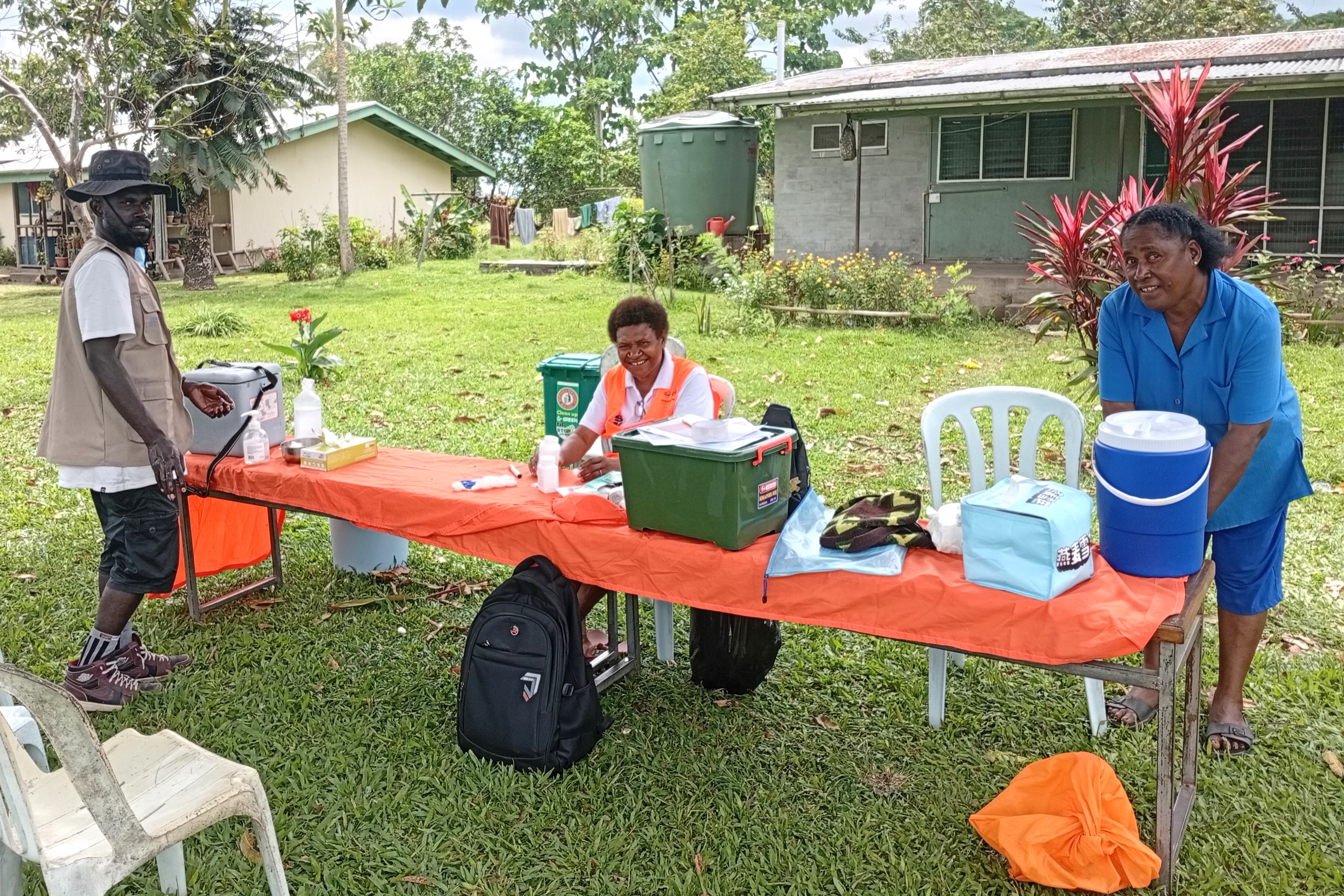
In Japan, it is easy to receive various vaccinations at hospitals/clinics, but in PNG, this is not the case. Many local people cannot visit hospitals/clinics due to lack of transportation or inability to pay medical fees. In addition, because of the hot and humid climate, people often wear sandals or go barefoot, leaving their skin exposed and making small injuries common. These minor wounds can become entry points for infections, sometimes leading to severe illness.
This is why the outreach activities I join are so important. We not only administer vaccines but also check the health conditions of children and parents, detect illnesses early, and aim to provide health education to those who cannot reach hospitals. For local communities, this is a lifeline, and for healthcare workers, it is deeply rewarding. After our activities, school teachers and community members often offer us refreshments, which makes me feel the kindness and warmth of PNG. Since Japanese people are rare here, these visits also become enjoyable opportunities for me to exchange cultures and languages.

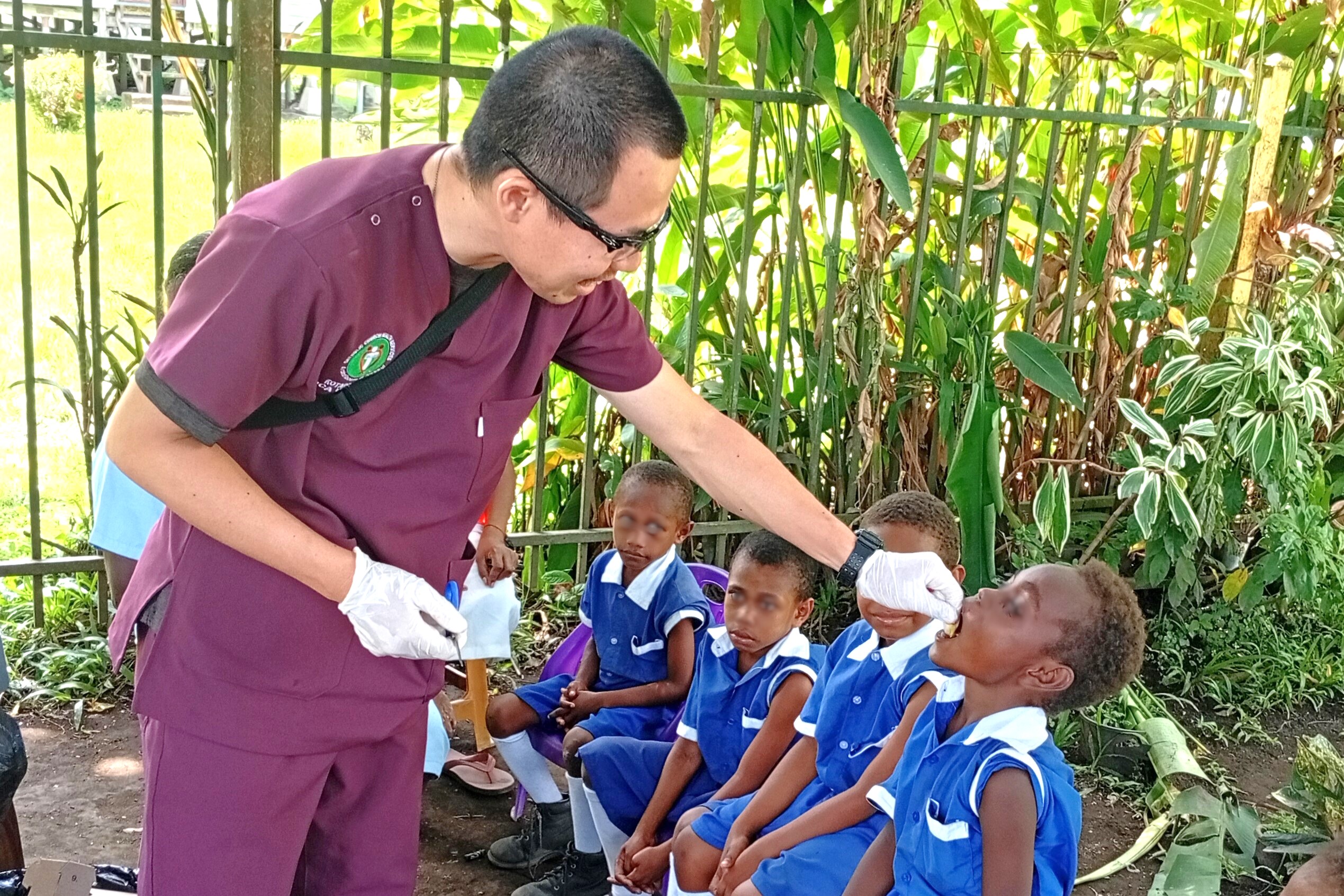
Through these efforts, we have been able to deliver vaccines to many children. However, even with nationwide campaigns, we cannot be sure that every child receives the vaccine. I hope that, in the future, more children will be able to receive vaccinations through improvements in healthcare systems as well as the development of roads and transportation infrastructure.
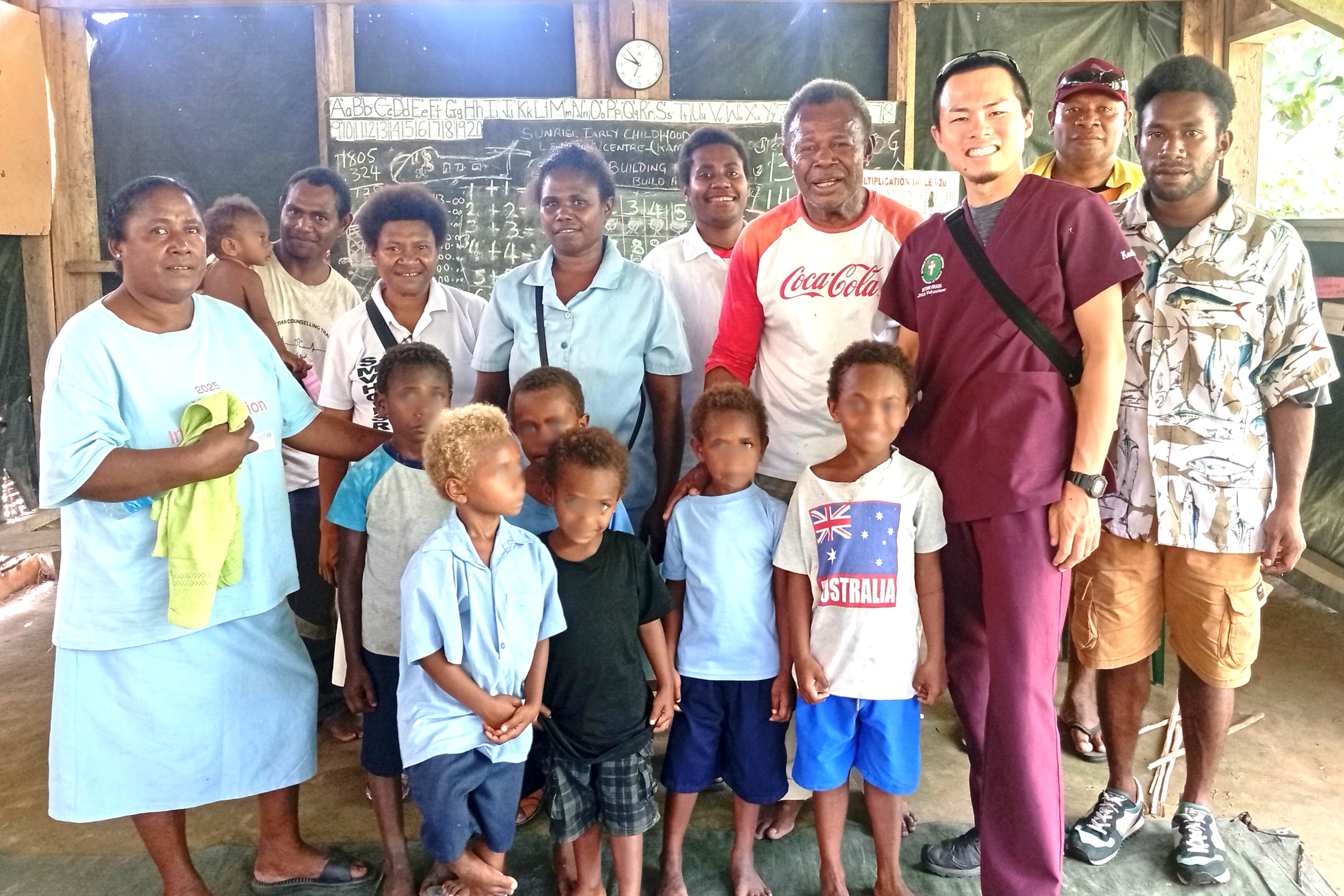
Around the world, there are still many children who lack adequate access to healthcare and vaccines. Long distances to hospitals, lack of transportation, and shortages of healthcare workers—all of these factors prevent essential medical care from reaching those who need it. At the same time, our efforts to visit villages, deliver vaccines, and monitor children’s health represent small but meaningful steps toward building a system that ensures reliable healthcare.
Related Link
・Striving for Better Construction: “KAIZEN PROJECT” Activity Diary Vol. 4
・Cultivating the Power of Agriculture in Eastern Highlands Province. Vol.0
・PNG Auditor General and PNGEITI Sign Landmark MoU to Advance Transparency in Resource Revenue Management
Please also visit our Facebook for our latest activities and events news
JICA Facebook Page
Sns share!


