The JICA website uses cookies to improve the service provided. By closing or continuously browsing this banner, you agree to use the cookies listed in the privacy policy.
Alotau, Milne Bay Province, located in eastern Papua New Guinea, is a port town surrounded by the Solomon Sea numerous islands. At the Milne Bay Provincial Community Development Division, many citizens visit every day seeking help with challenges in their daily lives—family matters, gender-related issues, and conflicts within local communities. Supporting the work of local officers, who address each of these issues one by one, by strengthening the underlying “system” was Kento Mochizuki, a JICA Volunteer scheduled to complete his assignment in FY2025.
The Key Challenge: “No Records Remain”
From the outset, he was expected to improve operations through the use of IT.
“Although citizen consultations were taking place, the information remained in individual memories or on paper documents and was not being utilized as an organizational asset. I felt this was the biggest challenge,” he recalls.
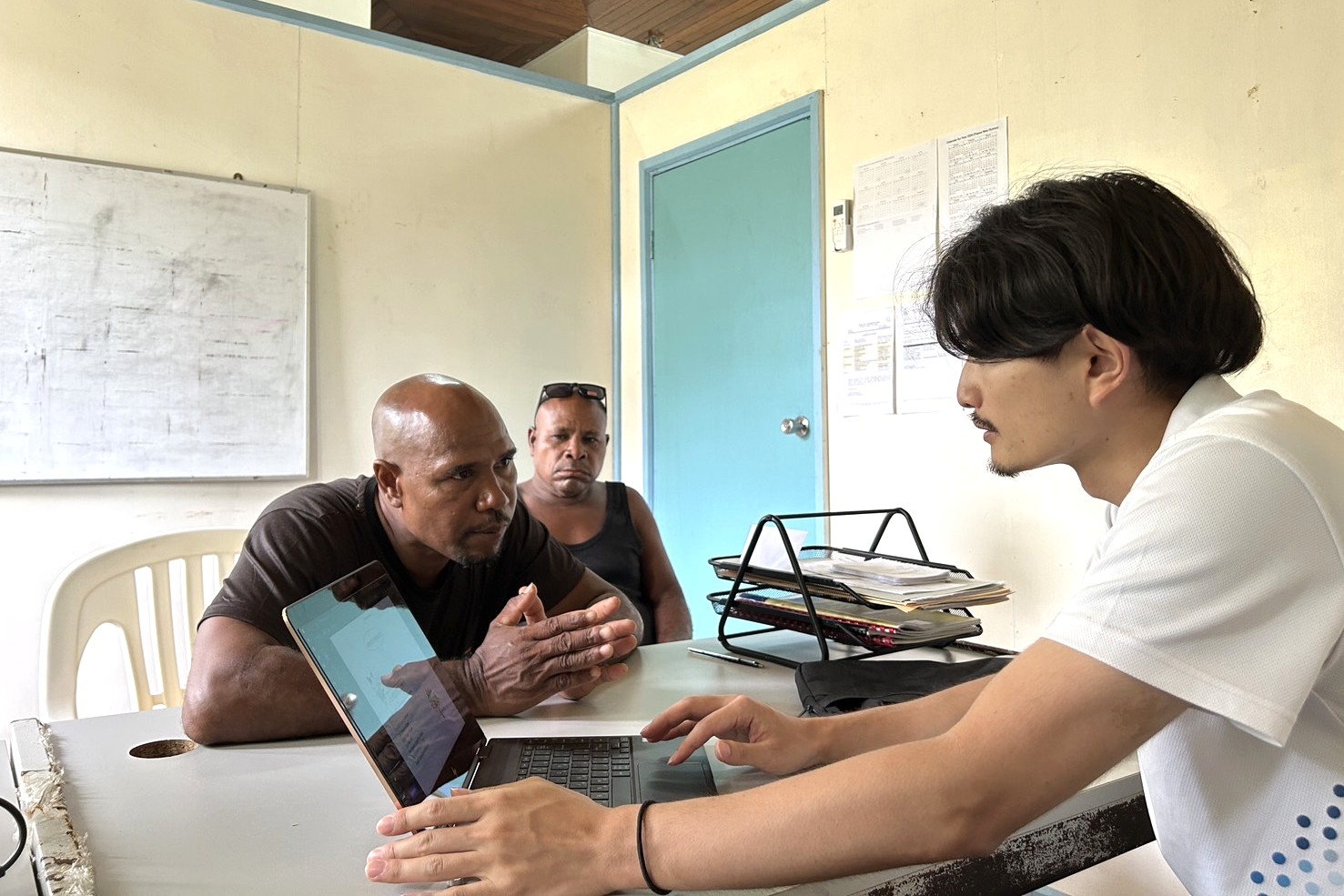
To address this, Mr. Mochizuki conducted careful interviews with each staff member and began working on the development of a centralized database to manage citizen consultation records. What he emphasized most was avoiding the creation of a system that existed “in form only.” He prioritized whether local staff could actually use the system, first reviewing and organizing the existing workflow before designing it.
Visualizing Ideas Beyond Language Barriers
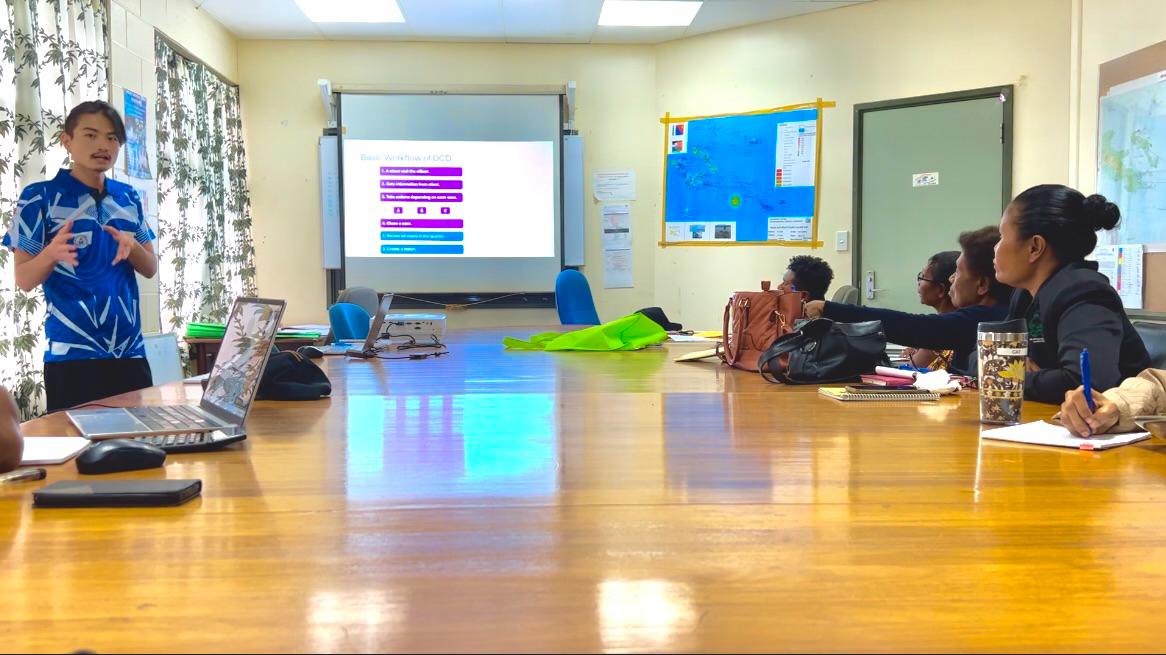
As the activities progressed, one major difficulty was communication arising from differences in language and work styles. To overcome this, Mr. Mochizuki introduced visual communication using presentation slides.“Instead of explaining things only in words, I ‘visualize’ what we are discussing on a single slide. This approach deepens discussions significantly, regardless of English proficiency.”
Through this method, staff members began to share more concrete feedback, and the system design was refined into something more closely aligned with actual day-to-day operations.
From System Development to a Mechanism that Continues to Be Used
The database was developed approximately six months after his arrival, and full-scale operation began in September 2025. It is now used as a system for recording and searching citizen consultation cases. At the same time, new operational challenges emerged.
“Face-to-face consultations take up most of the day. Securing time for data entry is difficult.”
In response, Mr. Mochizuki worked together with staff to reduce the burden of data entry, such as by improving paper forms that citizens fill out during consultations.
Volunteer Activities with Continuity in Mind
One aspect Mr. Mochizuki placed particular importance on was ensuring that the activities would continue after the end of his assignment.
Although developing IT human resources was challenging, he ultimately succeeded in establishing a handover system involving multiple staff members. By carefully considering organizational dynamics and interpersonal relationships, he aimed for a realistic and sustainable form of institutionalization.
“Even if it’s not perfect, leaving something that continues—that’s what matters most,” he says.
International Cooperation Where Expertise and Humanity Meet
Through his activities, Mr. Mochizuki also obtained a counseling qualification. This decision stemmed from his desire to better understand the serious commitment of local staff who engage directly with citizen consultations and to reflect on how to cooperate more effectively.
“Respecting the other person’s values comes first. I believe that is the starting point for building trust.”
While rooted in IT expertise, his approach—one that values human relationships—became an important factor supporting efforts toward operational improvement.
Passing on Achievements and Moving Forward
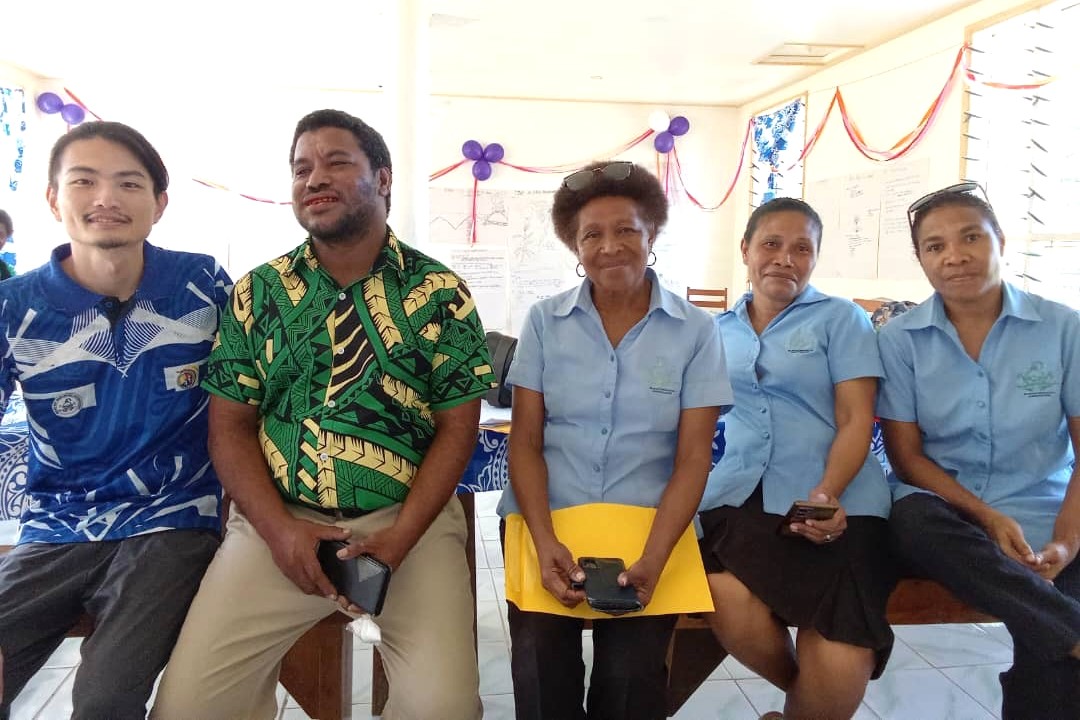
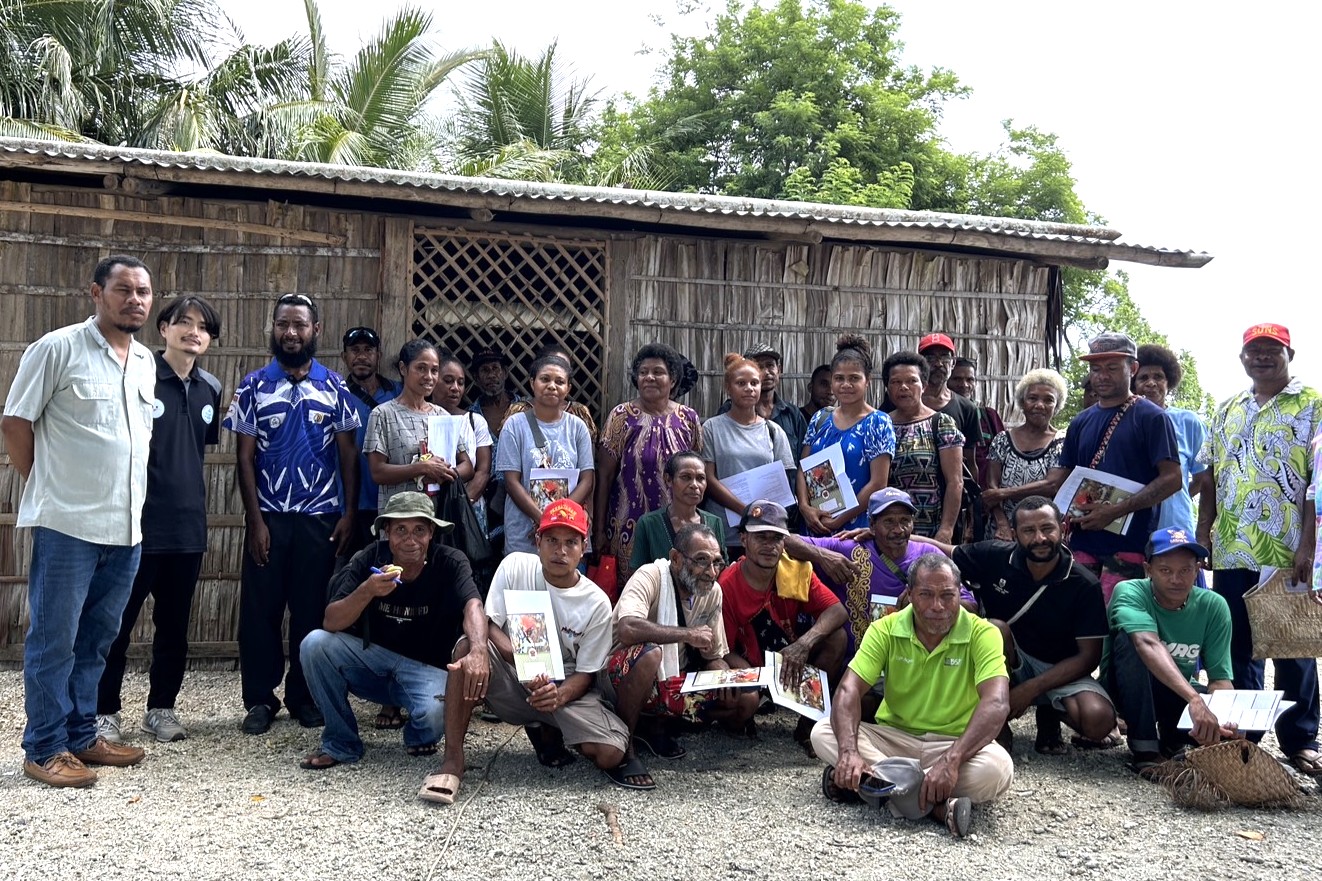
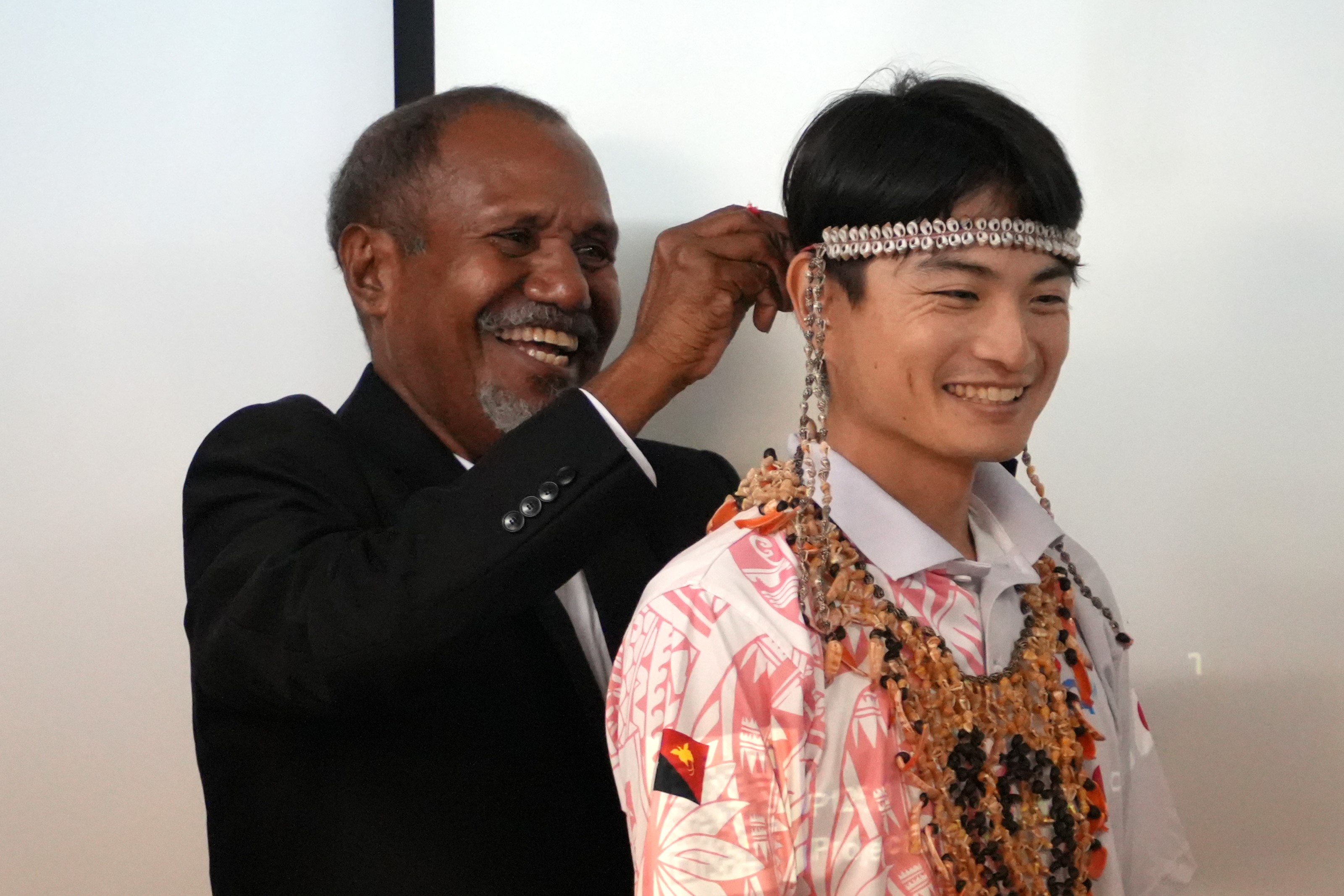
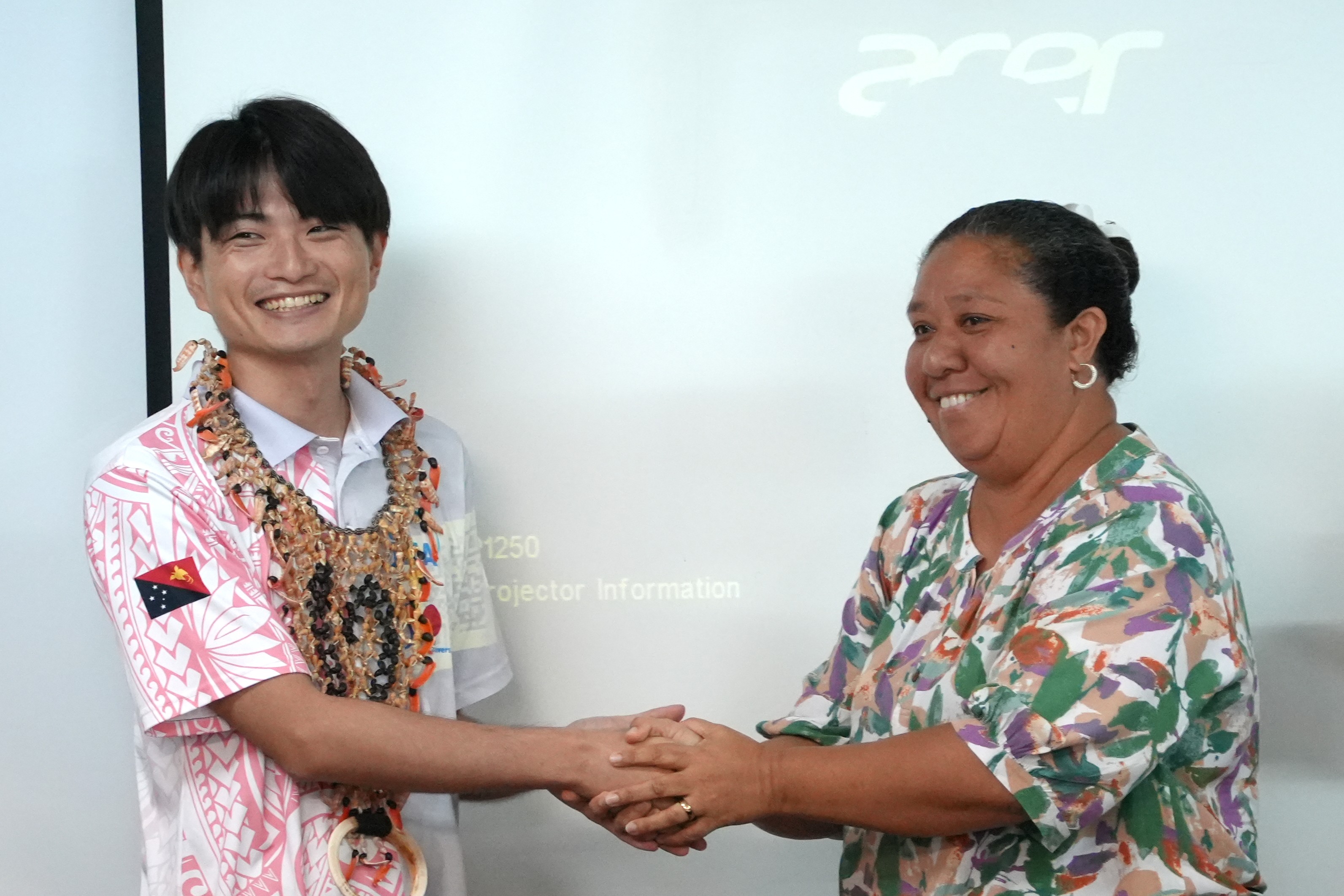
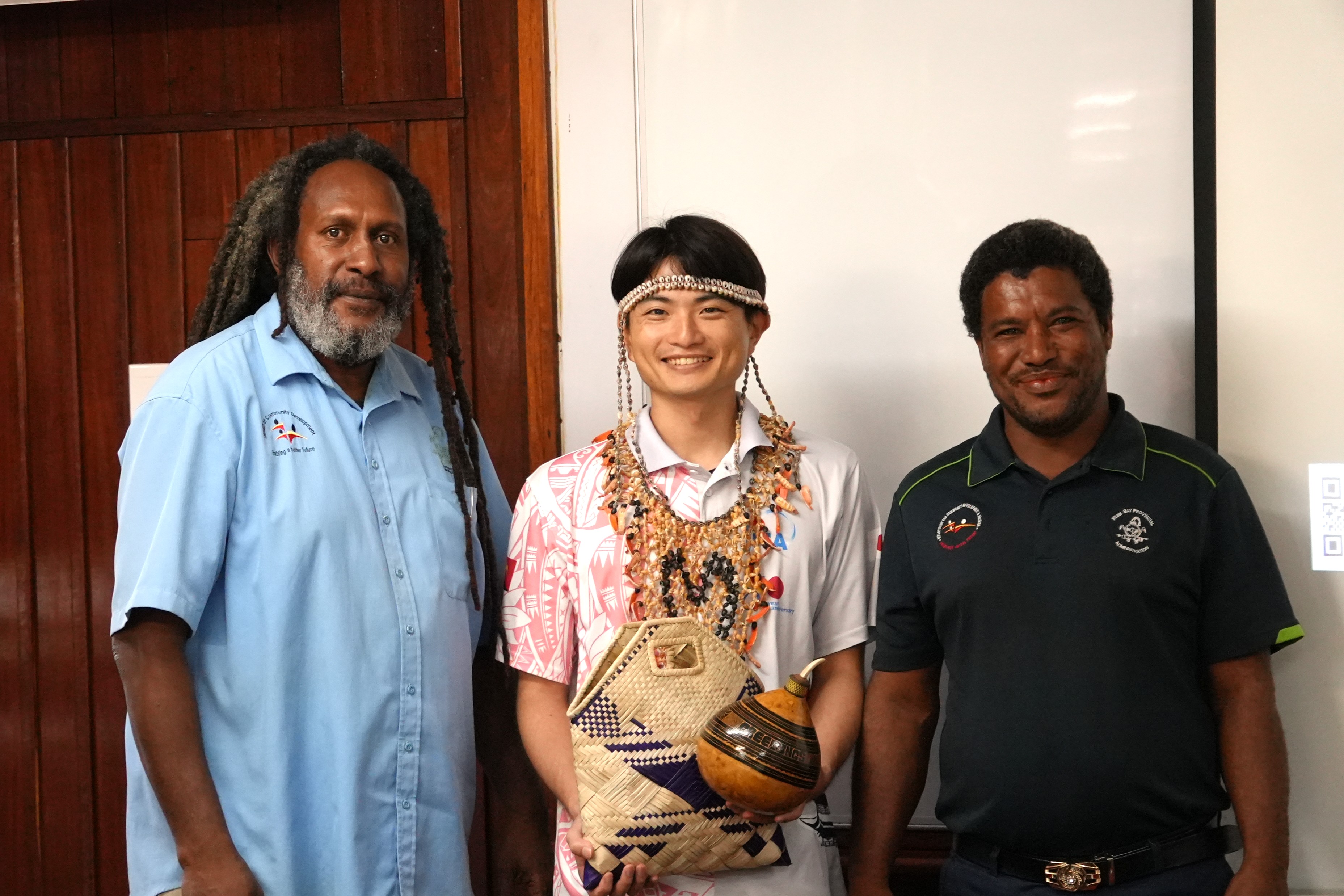
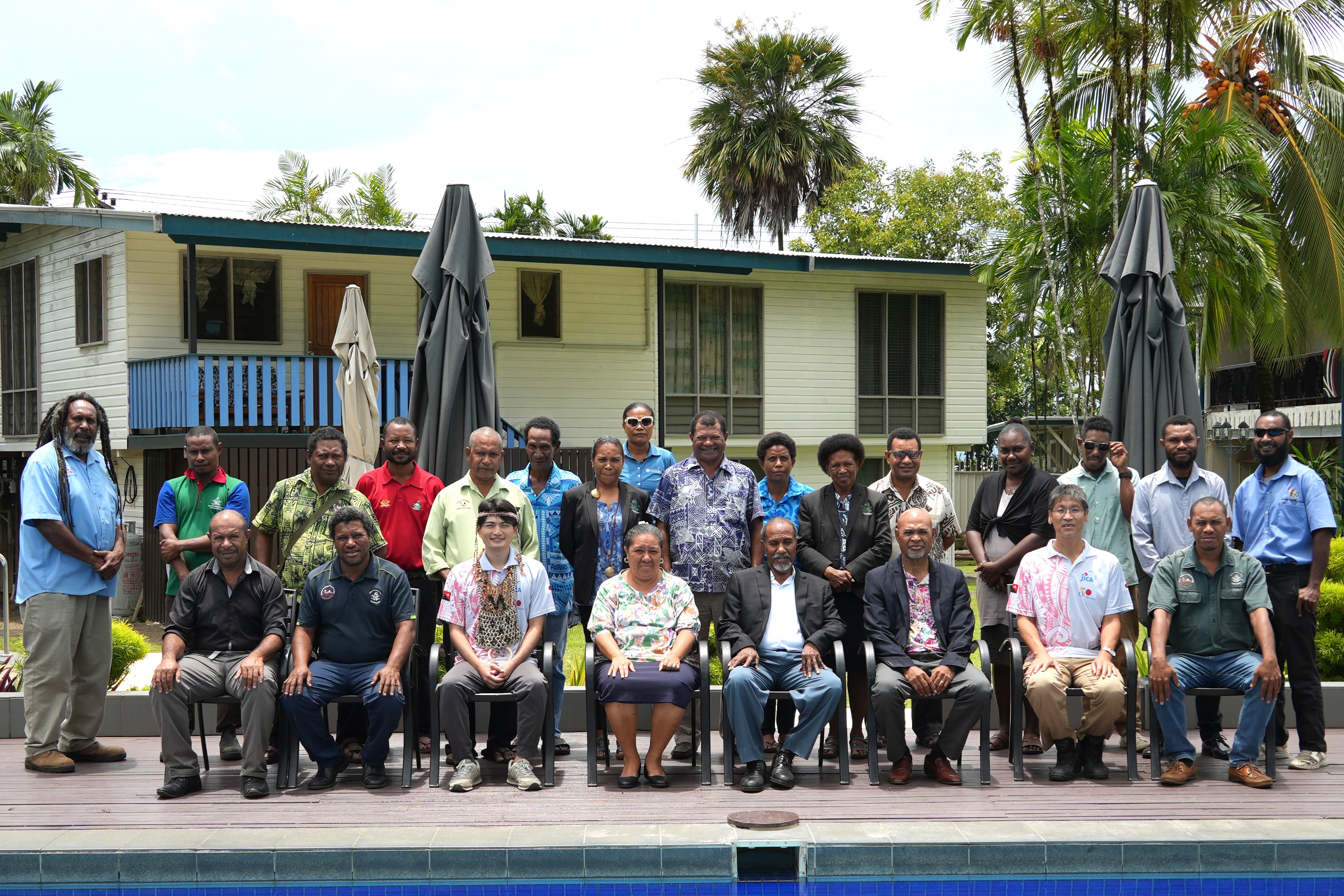
To conclude his activities, a farewell event was held with provincial government officials, combined with a presentation of the newly developed database. Colleagues who had worked together gathered at the venue, where opinions and words of appreciation were exchanged in a warm and friendly atmosphere.
It became a moment in which not only the results of operational improvements, but also the human connections built over time, were naturally shared—marking the close of two years of activities.
JICA will continue to work in collaboration with local stakeholders to support the implementation of sustainable administrative services.