
KAIZEN PROJECT Activity Diary Vol.7 Combining Local Practice with Japanese Experience
[Goal 9] Industry, Innovation and Infrastructure
2026.06.10






2026.06.10
My name is Nakanishi, JICA Volunteer. I am currently working at the Provincial Works Supervision Unit in Alotau, Milne Bay Province.
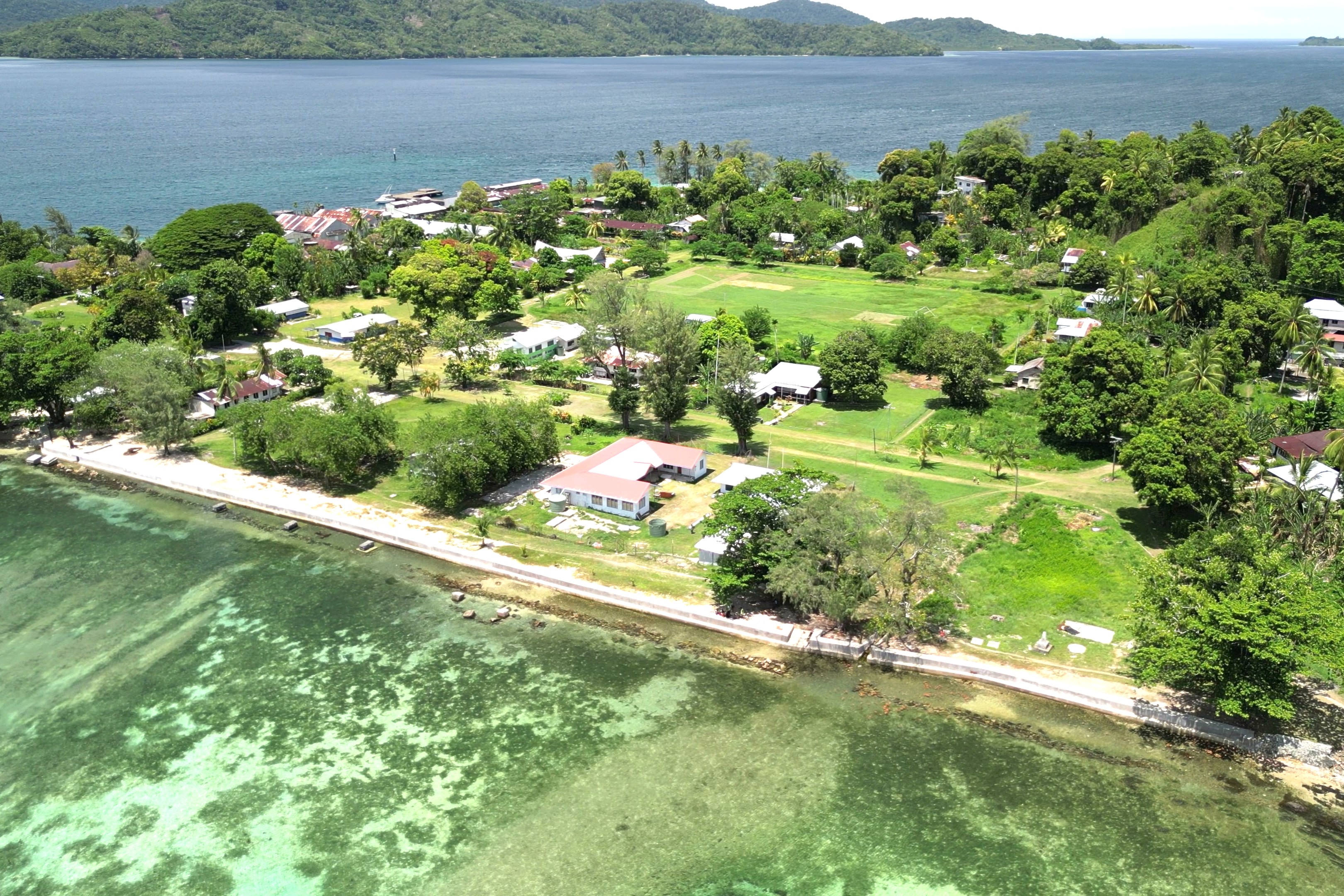
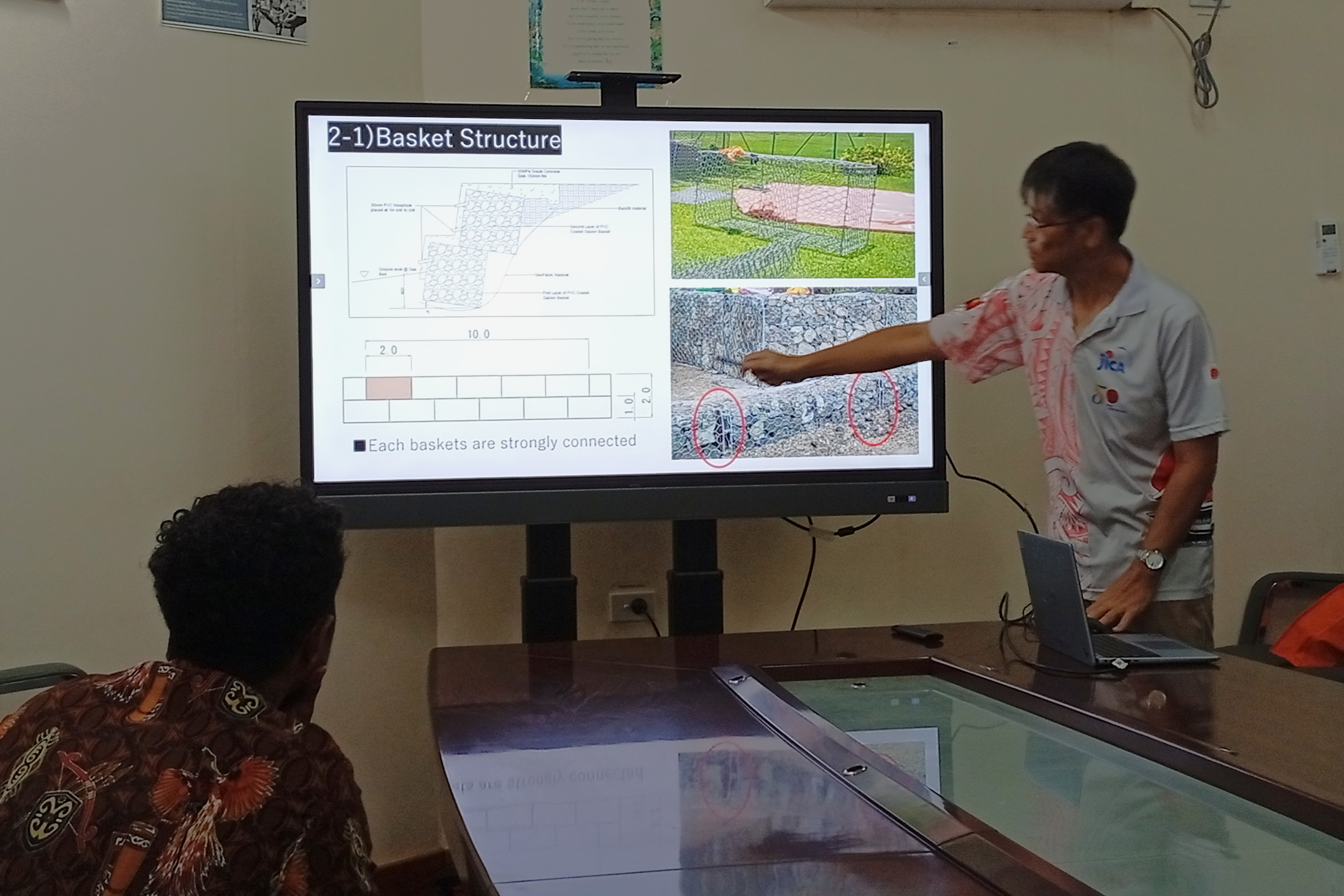
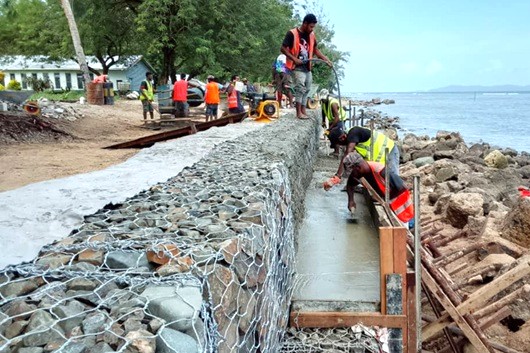
The seawall is made by stacking wire baskets filled with stones and covering the surface with concrete. Most of the work was done manually by local workers. The structure was carefully built, and no major problems such as cracks or sinking were observed.
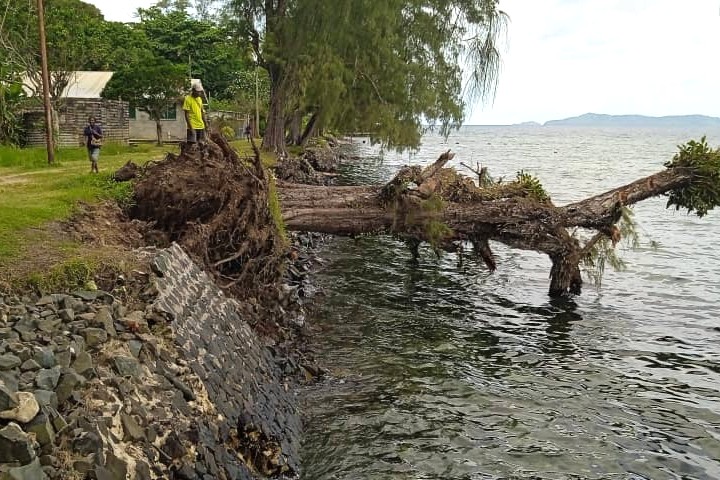
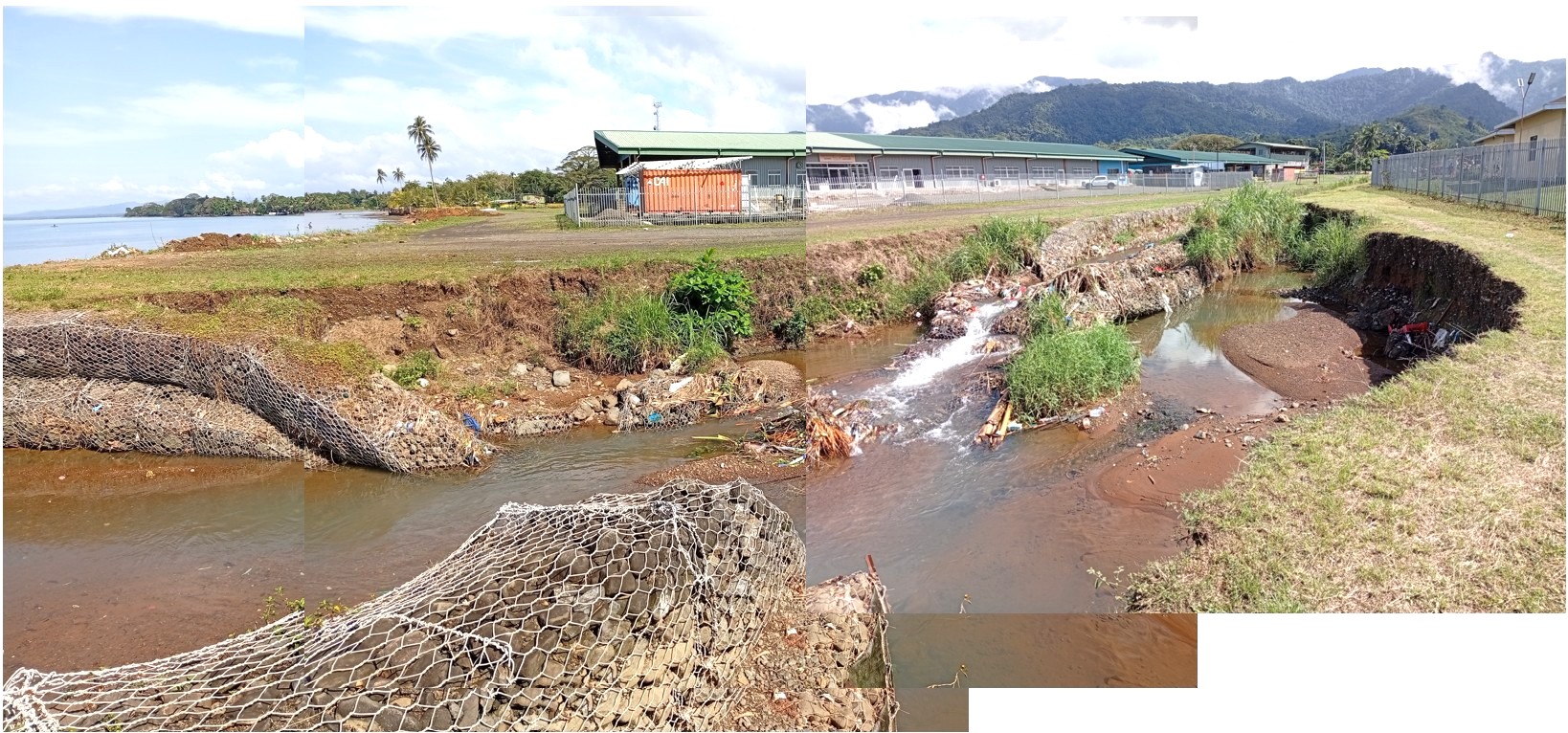
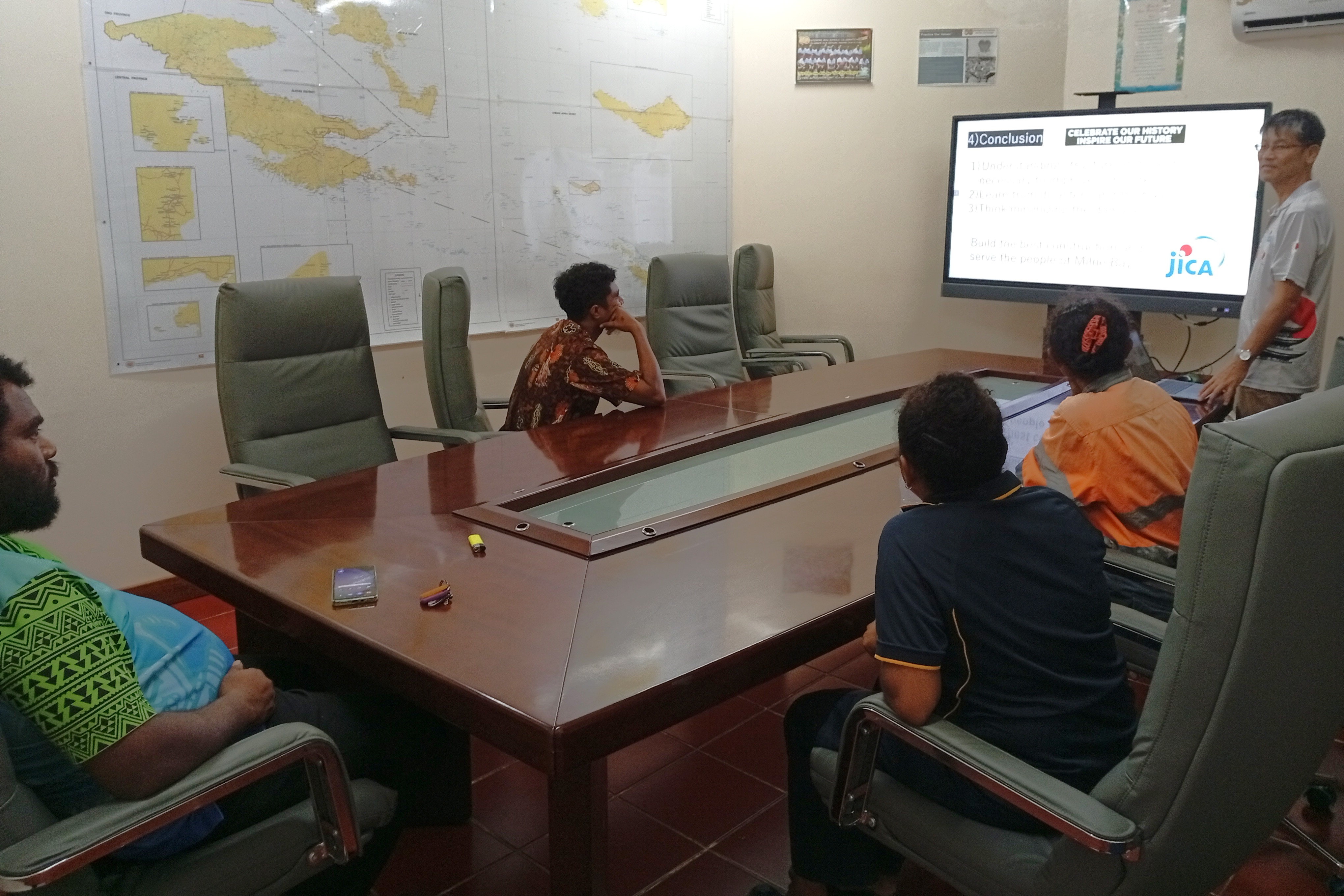
However, every structure has weak points. In the workshop, we shared examples of damage from other locations and discussed how we can reduce damage in the future.
For example, during heavy rain or flooding, the ground under the seawall can be washed away. If all parts of the seawall are strongly connected, damage in one area can spread and affect other parts that are still in good condition.
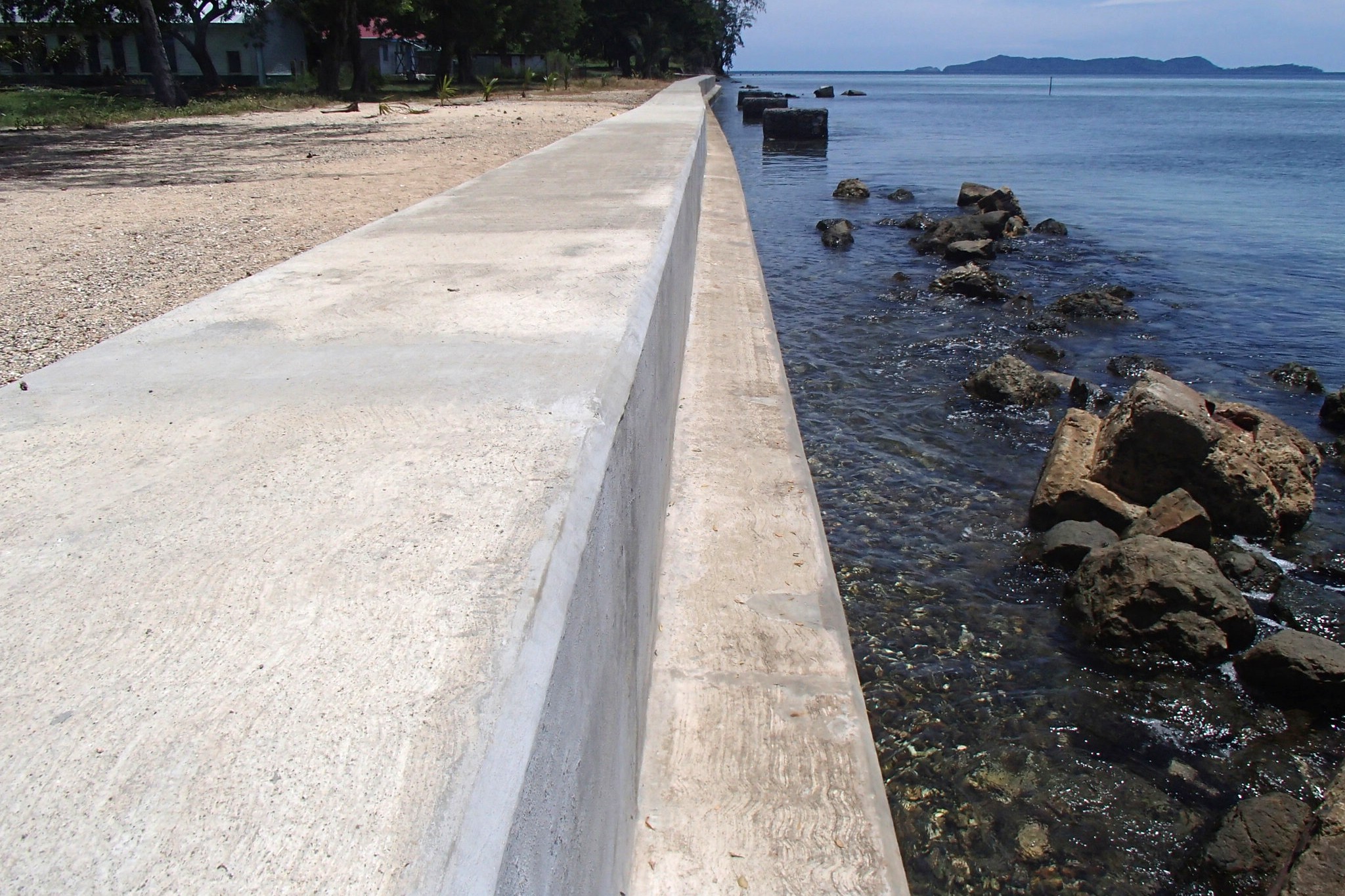
To prevent this, in Japan, long seawalls are often divided into smaller sections. This helps limit damage to a smaller area if a problem occurs. It can also help reduce cracks in the concrete.
Natural disasters cannot be completely prevented, but their impact can be reduced.
Based on this workshop, we are now working on improving standard design and sharing it within the office. By understanding local conditions and combining them with ideas from Japan, we continue to work together with our colleagues to find better solutions.
We hope that this activity will contribute to improving public infrastructure and protecting the lives of people in the community.
Related Link
・JICA Continues Deployment of Japanese Volunteers to PNG
・Introductory Meeting with New UN Resident Coordinator
・J-PRISM 3: Mini-Online Seminar on Waste Management Institutions
Please also visit our Facebook for our latest activities and events news
JICA Facebook Page
Sns share!


